Catch Red Drum Like a Pro: Complete Fishing Guide
Introduction
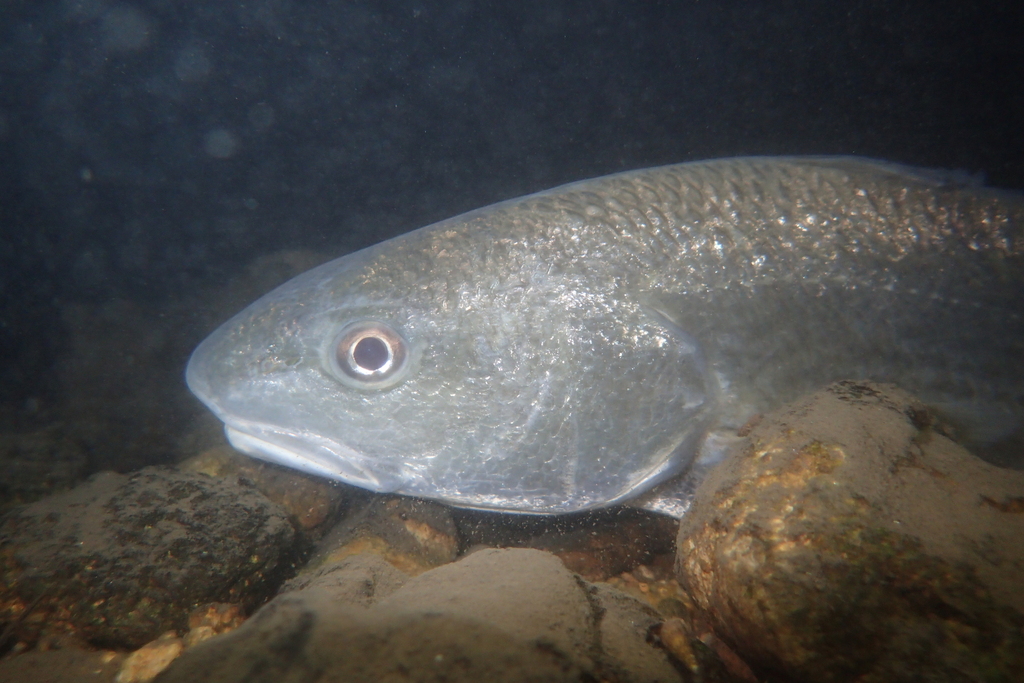
The air is thick with the salty tang of the Atlantic, the sun is just beginning to paint the sky in hues of orange and pink, and the water is alive with a subtle, yet electric, energy. Suddenly, a violent tug on your line sends a jolt of adrenaline through you. The reel screams as a powerful force pulls with unrelenting strength, your rod bent in a defiant arc. This isn't just a fish; it's a Red Drum, a magnificent fighter known for its explosive runs and impressive size. Pursuing these formidable inshore warriors is an experience that can hook you for life, offering thrilling encounters in shallow flats, crashing surf, and winding estuaries. Whether you're a novice with a spinning rod or a seasoned angler seeking a new challenge, the Red Drum promises an unforgettable angling adventure. The best times to find them are generally during the warmer months, as they thrive in the coastal waters of the Atlantic and Gulf of Mexico, migrating and schooling in predictable patterns that seasoned anglers learn to exploit.
When to Go (Best Seasons and Times)
Red Drum fishing offers exciting opportunities throughout much of the year, but understanding the seasonal shifts and daily rhythms is key to success.
Spring (March - May): As the water temperatures begin to rise, Red Drum become more active along the coasts. This is an excellent time for sight fishing on the shallow flats as they move out of their wintering grounds. Look for them in the mornings and late afternoons when the sun is lower and the water is cooler.
Summer (June - August): This is prime time for Red Drum fishing. They are abundant in inshore waters, feeding aggressively. Early mornings and late evenings are often the most productive as the midday heat can push them to deeper, cooler water. Don't discount overcast days, as Red Drum can be active throughout the day.
Fall (September - November): This is arguably the peak season for many anglers. The cooler temperatures bring large schools of Red Drum together as they prepare for their spawning runs and winter migrations. This is when you'll often encounter the largest "bull" reds. Dawn and dusk are exceptional, but midday can also produce fantastic results, especially in deeper channels and near inlets.
Winter (December - February): While many anglers put their gear away, dedicated Red Drum fishermen can still find success, particularly in the southern reaches of their range. Look for them in deeper channels, bays, and around structures where the water temperature is more stable. Fishing can be slower, but the fish you find are often larger.
Tides and Weather: Red Drum are highly influenced by tidal movements. Incoming tides often bring baitfish into shallower feeding areas, making them prime fishing times. Conversely, outgoing tides can concentrate bait and fish in channels. Overcast days can extend feeding periods, while strong winds can sometimes make fishing challenging but can also push bait closer to shore.
Where to Fish (Top Locations)
Red Drum are found along the Atlantic coast of North America, from Massachusetts down to Florida, and throughout the Gulf of Mexico. Here are some of the most renowned and accessible locations:
- Outer Banks, North Carolina: Famous for its surf fishing and shallow water flats, the Outer Banks offer incredible Red Drum action. Areas like Hatteras Island and Ocracoke Island are legendary. You can fish from the beach or explore the sound side for calmer waters.
- Chesapeake Bay, Maryland and Virginia: The vast waters of the Chesapeake Bay are a Red Drum nursery and feeding ground. Look for them around structure, oyster beds, and channel edges. Shore fishing opportunities exist, but a boat greatly expands your reach.
- Florida's Space Coast (Atlantic Coast): From Mosquito Lagoon to the Sebastian Inlet, this region boasts abundant Red Drum, especially during the spring and fall migrations. The shallow, clear waters are ideal for sight fishing.
- Louisiana's Coastal Marshes: The labyrinthine marshes of Louisiana are a Red Drum paradise. The sheer number of fish and the opportunity to catch large specimens make this a bucket-list destination. Inshore fishing charters are highly recommended here.
- Texas Coast (Galveston Bay, Padre Island): The Texas coast offers excellent Red Drum fishing year-round. Galveston Bay's diverse habitats and the surf along Padre Island provide ample opportunities for anglers of all skill levels.
- South Carolina Lowcountry: The intricate network of tidal creeks, salt marshes, and barrier islands from Charleston to Hilton Head provides classic Red Drum territory. It's a beautiful and productive region for fly fishing and light tackle.
Beginner-Friendly Option: Many state parks and coastal access points offer opportunities for surf fishing or fishing from piers and jetties. These are excellent starting points for new anglers.
How to Fish (Proven Techniques)
Red Drum are opportunistic feeders, making them susceptible to a variety of fishing techniques. Here’s a breakdown for beginners and a couple of advanced tips:
For Beginners: Basic Setup and Presentation
- Choose Your Rod and Reel: A medium-action spinning rod (7-8 feet) paired with a 3000-4000 size spinning reel is a versatile choice. Spool it with 15-20 pound test monofilament or braided line.
- Rigging for Success:
- Bottom Rig: For surf fishing or fishing in deeper channels, use a Carolina rig. Tie a 1-2 ounce egg sinker onto your main line, followed by a barrel swivel. To the swivel, tie a 12-24 inch leader of 20-30 pound test fluorocarbon line, and attach a 3/0 to 5/0 circle hook.
- Fish Finder Rig: Similar to the Carolina rig, but the sinker slides on the main line above the swivel, allowing the fish to take the bait without feeling the weight immediately.
- Bait Selection: Fresh, natural baits are king.
- Shrimp: Live or dead shrimp are irresistible to Red Drum.
- Crabs: Small fiddler crabs or pieces of larger blue crabs work wonders.
- Mullet/Sardines: Cut bait from these oily fish can attract them from a distance.
- Casting and Patience: Cast your rig to where you suspect Red Drum are feeding (near structure, along drop-offs, or in the surf). Let the bait settle and keep a slight tension on the line.
- Setting the Hook: When you feel a tap or a steady pull, wait for the fish to commit. With circle hooks, a steady, firm pull is often enough to set the hook. Avoid a violent jerk.
- Fighting the Fish: Keep your drag set appropriately. Let the rod do the work and reel steadily when the rod is coming up. Don't pump and reel aggressively; a smooth retrieve is more effective.
Advanced Tips:
- Sight Fishing on the Flats: When fishing in shallow, clear water, look for the distinctive "tailing" or "mudding" signs of Red Drum. Cast your lure or fly ahead of the fish to avoid spooking it. This requires stealth and precise casting.
- Topwater Lures: During low light conditions or when baitfish are being pushed to the surface, topwater plugs can elicit explosive strikes. Work the lure with a walk-the-dog action or erratic retrieve to mimic fleeing prey.
- Fly Fishing: For the fly angler, a 9-weight rod is a good all-around choice. Flies imitating shrimp, baitfish, and crab patterns in natural colors are effective. Cast with accuracy and retrieve with a steady pace.
Who to Go With (Guides, Groups, or Solo)
The choice of who to fish with depends on your experience level, budget, and personal preference.
Guided Trips: For beginners or those unfamiliar with Red Drum hotspots, hiring a local guide is invaluable. Guides possess intimate knowledge of the local waters, tides, and fish behavior. They provide the boat, tackle, and expertise, significantly increasing your chances of success and learning the ropes quickly. * Cost Context: Expect to pay anywhere from $400 to $800+ for a full-day charter, depending on the region and boat size. This is a worthwhile investment for a memorable experience and quick learning curve.
Fishing with Friends/Family: Red Drum fishing is a fantastic group activity. Sharing the excitement of a powerful catch with loved ones creates lasting memories. It's also a great way to learn from each other and pool resources for tackle and bait.
Solo Fishing: For the independent angler, Red Drum offer a rewarding challenge. You can meticulously plan your trips, experiment with different techniques, and enjoy the solitude of the water. However, for safety in remote areas or unfamiliar waters, it's always wise to let someone know your plans.
International Outfitters (if applicable): While Red Drum are primarily a North American species, some very limited opportunities might exist in highly managed aquaculture or introduction programs elsewhere. For these hypothetical scenarios, you would research reputable fishing lodges and outfitters in the specific country or region, verifying their licenses and conservation practices.
Essential Gear Recommendations
Having the right gear can make all the difference. Here’s what you’ll need:
- Rod and Reel:
- Must-Have: 7-8 foot medium-action spinning rod. St. Croix Mojo Salt Spinning Rod → Shop on Amazon
- Must-Have: 3000-4000 size spinning reel. Shimano Stradic FL Spinning Reel → Shop on Amazon
- Budget-Friendly: Ugly Stik Inshore Spinning Rod paired with a Daiwa BG MQ Spinning Reel.
- Line:
- Must-Have: 15-20 lb test braided line for the main spool. PowerPro Spectra Braided Fishing Line → Shop on Amazon
- Must-Have: 20-30 lb test fluorocarbon leader material. Seaguar Red Label Fluorocarbon Leader → Shop on Amazon
- Hooks:
- Must-Have: 3/0 to 5/0 circle hooks. Owner Offshore Circle Hooks → Shop on Amazon
- Weights:
- Must-Have: 1-3 oz egg sinkers or pyramid sinkers for surf fishing.
- Must-Have: 0.5-1 oz split shot weights for lighter tackle.
- Terminal Tackle:
- Must-Have: Barrel swivels (size 6-8). Eagle Claw Barrel Swivels → Shop on Amazon
- Must-Have: Assorted artificial lures (soft plastics like Gulp! Shrimp, bucktail jigs, topwater plugs). Z-Man DieZel MinnowZ → Shop on Amazon
- Bait: Fresh shrimp, cut mullet, or live bait (check local bait shops).
- Tools:
- Must-Have: Pliers for hook removal. Xuron Tweezer Nose Pliers → Shop on Amazon
- Must-Have: Line cutters or a sharp knife.
- Comfort and Safety:
- Must-Have: Sunscreen, hat, polarized sunglasses.
- Must-Have: Cooler for drinks and any fish you plan to keep (respecting regulations).
- Recommended: Fishing license for the state you are fishing in.
Expected Costs (Full Setup vs. Budget Version)
The cost of getting started for Red Drum fishing can vary significantly:
Full Setup (Quality Gear): * Rod & Reel Combo: $200 - $400 * Line & Leader: $30 - $50 * Hooks, Weights, Swivels: $20 - $40 * Assorted Lures: $50 - $100 * Tools & Accessories: $30 - $60 * Total (Gear Only): $330 - $650 * Fishing License: Varies by state, typically $20 - $50 annually for residents, $50 - $100+ for non-residents. * Guided Trip (Optional): $400 - $800+ for a full day.
Budget Version (Reliable Entry-Level Gear): * Rod & Reel Combo: $80 - $150 * Line & Leader: $20 - $30 * Hooks, Weights, Swivels: $15 - $25 * Basic Lures: $30 - $50 * Tools & Accessories: $20 - $30 * Total (Gear Only): $165 - $285 * Fishing License: As above.
Note: These are estimates. Prices can fluctuate based on sales, brands, and specific retailers.
Regulations and Conservation
Responsible angling is crucial for the long-term health of Red Drum populations. Regulations are in place to ensure sustainable fisheries.
- Size Limits: Red Drum typically have minimum and maximum size limits. You must release fish that are too small or too large to keep.
- Bag Limits: There are usually limits on how many Red Drum you can possess per person per day.
- Gear Restrictions: Some areas may have restrictions on the type of gear you can use, especially in sensitive habitats like shallow flats.
- Seasons: While Red Drum are often available year-round, there might be specific seasons for harvesting, particularly for larger "bull" reds.
- Tagging/Permits: In some regions, specific permits or tags might be required for harvesting larger Red Drum.
It is imperative to check the current regulations with the relevant state fish and wildlife agency before you go fishing. For example, in North Carolina, you would consult the North Carolina Wildlife Resources Commission. In Florida, it would be the Florida Fish and Wildlife Conservation Commission. These agencies provide up-to-date information on size limits, bag limits, and seasons.
Red Drum populations have faced pressures, but through diligent management and angler participation in conservation efforts, many populations are healthy. Practicing catch-and-release for oversized or undersized fish is a vital part of conservation.
Pro Tips and Common Mistakes to Avoid
Pro Tips:
- Match the Hatch: Observe what baitfish or crustaceans are prevalent in the area and try to mimic them with your lure or fly selection.
- Work the Edges: Red Drum often patrol the edges of drop-offs, weed lines, or channel markers where they can ambush prey.
- Listen to Local Experts: Talk to bait shop owners and other local anglers; they often have the most current information on where the fish are biting.
- Stealth is Key on the Flats: When sight fishing, move slowly and quietly. Avoid making loud noises or casting directly over a fish.
- Vary Your Retrieve: Don't be afraid to experiment with different speeds and pauses in your lure retrieve.
- Understand Tidal Flow: Fish will move with the tides. Learn how the incoming and outgoing tides affect baitfish and where Red Drum will likely be feeding.
- Circle Hooks are Your Friend: For bait fishing, circle hooks are highly effective and reduce the chance of gut-hooking the fish, making release easier and safer for the fish.
Common Mistakes to Avoid:
- Setting the Hook Too Hard: With circle hooks, a steady pull is all that's needed. Yanking too hard can pull the hook out or damage the fish.
- Using Too Much Weight: In shallow water, using excessive weight will cause your bait to sink too quickly and potentially snag.
- Spooking Fish on the Flats: Loud noises, sudden movements, or poor casting accuracy can send Red Drum scattering.
- Not Checking Regulations: Fines can be steep, and it’s detrimental to the fishery to violate size or bag limits.
- Fighting the Fish Too Long: Excessive fight times can exhaust the fish, making it difficult for them to survive release. Use appropriate drag settings and reel steadily.
Conclusion
The pursuit of Red Drum offers an incredible blend of power, beauty, and tactical challenge. From the thrilling splash of a topwater strike to the satisfying weight of a trophy fish on the line, these coastal icons provide angling excitement that can be enjoyed by everyone. With a little preparation, understanding of their habits, and respect for the regulations, you're well on your way to experiencing the unparalleled thrill of catching a Red Drum. So, grab your gear, plan your trip, and get ready to feel the power of the "bull" red!
Next time, we'll dive into the world of another fantastic inshore predator. Stay tuned!
As an Amazon Associate I earn from qualifying purchases at no extra cost to you. Links above are affiliate search links — prices may vary. Generated 2026-08-05