
Hunt Red Brocket Deer Like a Pro: Complete Hunting Guide
Introduction
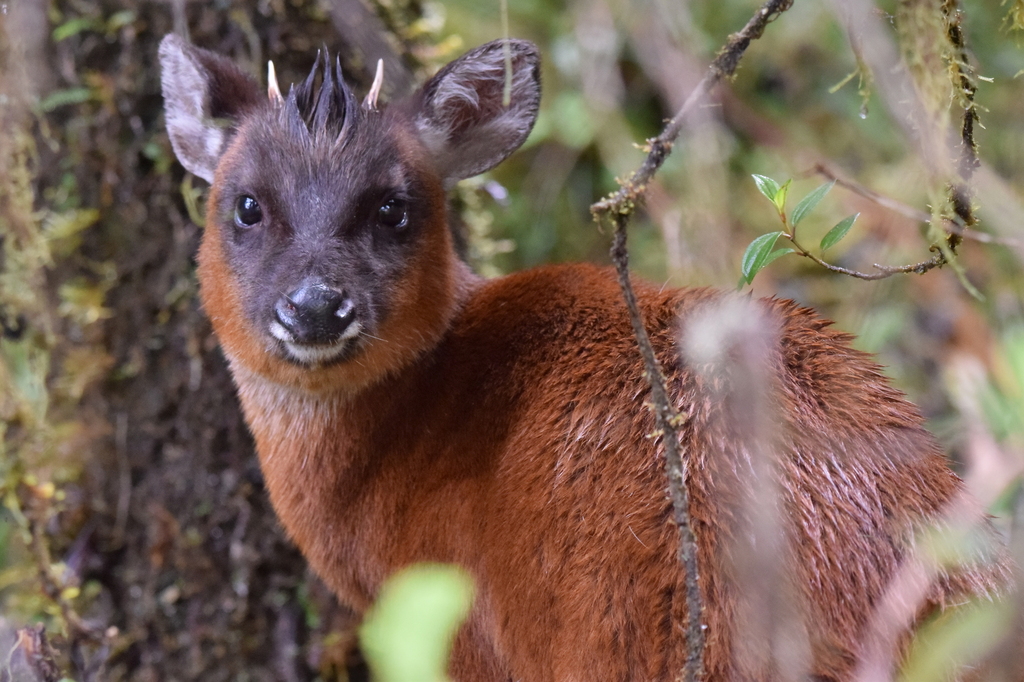
The humid jungle air hung thick and heavy, each breath a conscious effort. A troop of howler monkeys roared in the distance, their calls echoing through the dense canopy of the Argentinean Yungas. I was motionless, tucked behind the gnarled roots of a massive ceiba tree, my senses on fire. Then, a flicker of movement. A flash of reddish-brown against the emerald green undergrowth. The ghost of the forest, the Red Brocket Deer, stepped silently into a small clearing. My heart hammered against my ribs. Pursuing this small, secretive deer is one of the ultimate challenges in the neotropics—a true test of a hunter's patience, stealth, and woodsmanship in one of the world's most demanding environments. It’s not about massive antlers; it’s about the immersive experience of the hunt itself.
When to Go (Best Seasons and Times)
Timing a Red Brocket hunt is less about dramatic seasonal shifts and more about navigating the wet and dry seasons of Central and South America. These deer are active year-round, but your comfort and success depend heavily on the weather.
- Best Season: The dry season is generally the most popular and comfortable time to hunt. In regions like northern Argentina or the Yucatán Peninsula of Mexico, this typically runs from May through September. Less rain means fewer mosquitos, more predictable animal movement to water sources, and slightly more manageable travel on jungle tracks.
- The "Green" Season: Hunting during the wet season (often October to April) can be productive, but it's a different kind of challenge. The rain softens the forest floor, making for a quieter stalk. However, you'll contend with intense humidity, relentless insects, and potential travel disruptions.
- Time of Day: Red Brocket are primarily crepuscular, meaning they are most active at dawn and dusk. Early morning and late afternoon are your golden hours. They will often bed down in the thickest cover during the heat of midday, making them nearly impossible to find. Be prepared to be in position before the sun rises and stay until the last legal light fades.
Where to Hunt (Top Locations)
Forget sprawling public lands; hunting Red Brocket is an endeavor that takes you to some of the most remote and beautiful private reserves and hunting concessions in Latin America. Access is almost exclusively managed through reputable outfitters.
- Northern Argentina (Salta & Jujuy Provinces): The dense Yungas cloud forests here are prime Red Brocket habitat. The terrain is challenging and mountainous, but the quality of the experience is world-class.
- The Yucatán Peninsula, Mexico: The flat, thick scrub jungles of Campeche and Yucatán offer excellent opportunities. This is a classic destination for hunters looking to combine a Brocket hunt with other species like ocellated turkey.
- Paraguayan Chaco: While known for its arid regions, the transitional forests in the Paraguayan Chaco hold healthy populations of Brocket deer. It’s a rugged and wild frontier.
- Bolivian Amazon Basin: For the truly adventurous, the fringes of the Bolivian Amazon provide a deep-jungle experience. This is one of the most remote and challenging environments to hunt them.
- Suriname & Guyana: These countries offer pristine, untouched rainforests. Hunting here is expedition-style and requires a serious commitment, but the rewards are unparalleled for those seeking true wilderness.
How to Hunt (Proven Techniques)
Hunting the "elf of the jungle" requires a complete shift in mindset from open-country hunting. It's a game of inches and whispers.
Beginner's Approach: The Guided Still-Hunt
- Follow Your Guide: Your local guide is your single most important asset. They understand the terrain, the animal's habits, and the subtle signs you will miss. Trust their instincts, follow their hand signals, and step exactly where they step.
- Move Slowly, Then Stop: The mantra is "still-hunting," with an emphasis on "still." Take two or three slow, deliberate steps, then stop for several minutes. Scan everything. Look for a horizontal back, the flick of an ear, or a patch of red that doesn't belong.
- Use Your Ears and Eyes: Listen for the faint sound of a twig snapping or the soft rustle of leaves. The jungle is noisy, but you'll learn to distinguish the rhythmic sounds of nature from the anomaly of a moving deer. Use your binoculars to pick apart the dense foliage piece by piece.
- The Shot: Shots are almost always close, typically under 50 yards, and through narrow shooting lanes. You must be ready and able to make a quick, precise shot from an awkward position. Practice shooting off-hand and from kneeling positions before your trip.
Advanced Tips: * Hunt in the Rain: A light rain is your best friend. It dampens the forest floor for a silent stalk, washes away your scent, and often encourages the deer to move. * Master the "Brocket Whistle": Local guides are often experts at mimicking the high-pitched whistle or bleat of a Red Brocket. This can be used to stop a moving deer for a shot or even call a curious one into view. It’s a specialized skill, but incredibly effective when done right.
Who to Go With (Guides, Groups, or Solo)
For 99.9% of international hunters, a solo, DIY hunt for Red Brocket is not a viable or legal option. The complexities of licensing, firearm importation, and navigating remote private lands make a professional outfitter essential.
- Guided Hunts: This is the standard. A reputable outfitter will handle all logistics: licenses, firearm permits, lodging, meals, transportation, and, most importantly, an expert local guide. This is the safest and most effective way to hunt. Look for outfitters in regions like Salta, Argentina, or Campeche, Mexico, with a long track record and verifiable client references.
- Cost Context: Expect to pay for a package hunt, which often includes a daily rate and a "trophy fee" for the animal harvested. All-inclusive packages are common and provide the best value.
Essential Gear Recommendations
Packing for the jungle is about staying light, dry, and protected from insects.
- Firearm: A fast-handling, compact rifle is ideal.
- Must-Have: A lever-action in .30-30 or a short-barreled bolt-action in a caliber like .243 Win, 7mm-08, or .308 Win. The brush-busting capabilities and quick follow-up shots are invaluable. Marlin 336 Classic → Shop on Amazon
- Budget-Friendly: A reliable pump-action shotgun with slugs is a viable and often-used local option for these close-range encounters.
- Optics:
- Must-Have: A low-power variable scope (e.g., 1-4x or 2-7x) with a wide field of view is perfect for the close, fast shots in dark timber. Leupold VX-Freedom 1.5-4x20 → Shop on Amazon
- Don't Forget: A quality pair of 8x42 binoculars is non-negotiable for picking apart the jungle. Vortex Diamondback HD 8x42 → Shop on Amazon
- Apparel & Boots:
- Clothing: Lightweight, breathable, synthetic long-sleeve shirts and pants. They dry quickly and offer protection from sun and insects. Camouflage is helpful, but neutral earth tones (greens, browns) work just as well.
- Footwear: Well-broken-in, waterproof leather or synthetic boots with good ankle support are crucial. Some hunters prefer high rubber boots (knee boots) for creek crossings and snake protection.
- Rain Gear: High-quality, lightweight, and quiet rain gear is mandatory.
- Essential Accessories:
- A small, comfortable daypack.
- Insect repellent with a high DEET concentration.
- A quality headlamp with extra batteries.
- A water bottle or hydration bladder.
- Basic first-aid kit.
Expected Costs (Full Setup vs. Budget Version)
Hunting in South America is an investment, but it can be more accessible than many other international hunts. Costs are typically quoted in USD.
- Guided Hunt Package (5-7 Days):
- All-Inclusive Lodge Hunt: $4,500 - $6,500 USD. This typically includes daily rates, one Red Brocket trophy fee, lodging, meals, and guide services.
- Additional Costs: Airfare to the destination country, firearm import permits (~$200-400), hunting license (~$150-300), trophy prep/export, and tips for the guide and staff.
- Trophy Fees: The Red Brocket trophy fee is often included in the package, but if hunted as an add-on species, it can range from $1,000 to $2,000 USD.
Always confirm what is included in your package before booking. Reputable outfitters will provide a clear, itemized list.
Regulations and Conservation
Hunting in Central and South America is strictly regulated. You cannot simply show up and go hunting.
- Regulatory Authorities: Each country has its own wildlife agency, often a division of the Ministry of Environment or Agriculture (e.g., Argentina's Dirección Nacional de Fauna). All legal hunting is conducted through a registered outfitter who secures the necessary permits and tags on your behalf.
- CITES: While not typically listed on Appendix I, international wildlife laws (CITES) govern the export of your trophy. Your outfitter and a licensed customs broker will handle the necessary paperwork to ensure your trophy can be legally imported back to your home country.
- Check Before You Go: NEVER book a hunt without verifying the outfitter's legitimacy and ensuring they handle all legal permits. Ask for references and copies of their registration. It is your responsibility to ensure your hunt is legal and ethical.
Pro Tips and Common Mistakes to Avoid
After decades of guiding in these jungles, I've seen what separates successful hunters from frustrated ones.
- Trust Your Guide: I can't say it enough. Their knowledge is your greatest tool.
- Practice Your Shot: Practice shooting quickly from various positions at close ranges (20-50 yards).
- Embrace the Silence: Get comfortable with being still and quiet for long periods. Patience is everything.
- Manage Your Scent: While the humid air helps dissipate scent, always try to hunt into the wind. Use scent-eliminating sprays on your boots.
- Stay Hydrated: The humidity will drain you faster than you realize. Drink water constantly.
Common Mistakes: * Moving Too Fast: The number one mistake. You will walk past far more deer than you ever see. * Ignoring the Insects: Not preparing for mosquitos and other biting insects can ruin your hunt and focus. * Unrealistic Expectations: This is a challenging hunt for a small, elusive animal. Success is not guaranteed. The real trophy is the experience itself.
Conclusion
Hunting the Red Brocket Deer is far more than a notch on a belt; it's a total immersion into the vibrant, challenging, and breathtaking world of the jungle. It will test your skills, heighten your senses, and leave you with a profound respect for the wild places of our planet. If you're ready for a true adventure that prioritizes the thrill of the chase over the size of the rack, the little red ghost of the forest is waiting.
Ready for another unique challenge? Next up, we're heading to the mountains of Spain to Hunt the incredible Iberian Mouflon
As an Amazon Associate I earn from qualifying purchases at no extra cost to you. Links above are affiliate search links — prices may vary. Generated 2026-08-04