Hunt Canvasback Like a Pro: Complete Hunting Guide
Introduction
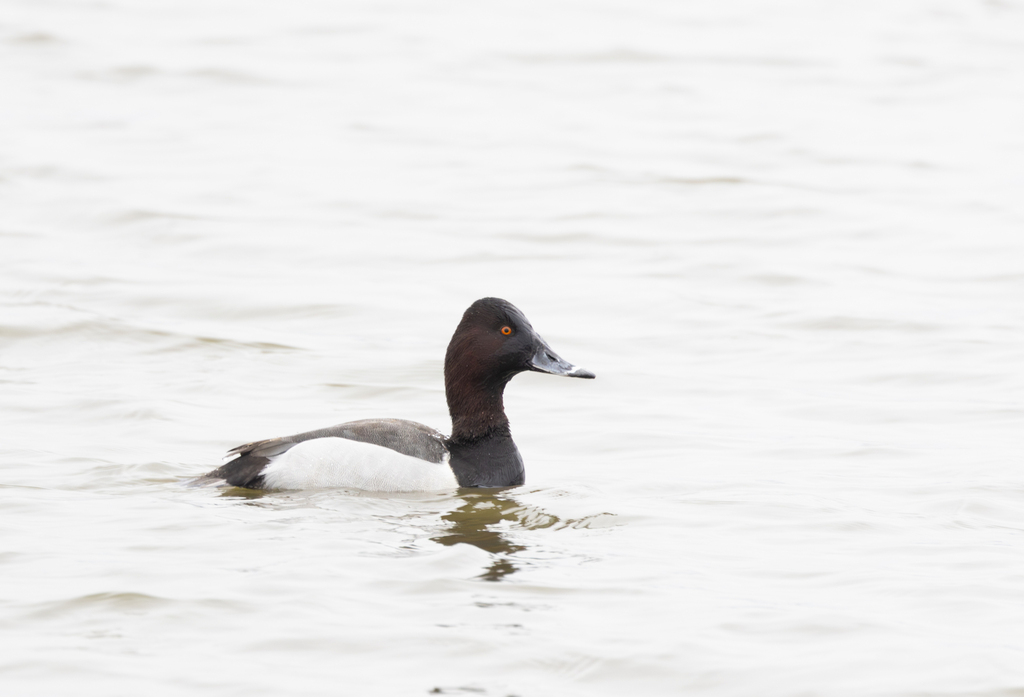
The cold grip of a late autumn morning bites at your cheeks, but the chill is quickly forgotten as a whisper of wings approaches from the distant horizon. Suddenly, a blur of white and chestnut rockets overhead, a squadron of magnificent Canvasbacks, locking their wings and banking hard, circling your spread. Their distinctive wedge-shaped heads and sleek, powerful bodies are unmistakable. Your heart pounds a rhythm against your chest, a primal drumbeat echoing the thrill of the chase. This isn't just duck hunting; this is pursuing the "King of Ducks," the Canvasback.
For over two decades, I've chased these magnificent divers across continents, from the vast lakes of the American Midwest to the coastal bays of the Atlantic, and let me tell you, few waterfowl species offer such a potent blend of challenge, beauty, and sheer exhilaration. Canvasbacks are renowned for their incredible speed, their wary nature, and their preference for big, open water. Successfully bagging a Canvasback is a badge of honor in the waterfowling world, a testament to skill, patience, and dedication. If you're ready to elevate your duck hunting game and experience the rush of these aerial torpedoes, you've come to the right place. We'll dive deep into everything you need to know to pursue Canvasback, from scouting to shooting, ensuring your next hunt is one for the record books.
When to Go (Best Seasons and Times)
Canvasbacks are migratory birds, meaning their presence in a given area is highly seasonal. Understanding their migration patterns is key to successful hunting.
- Peak Migration (Late Fall to Early Winter): This is prime time. Canvasbacks breed in the prairie pothole region of North America (primarily Canada and the northern US) and Alaska. As temperatures drop and wetlands freeze, they begin their southward migration to wintering grounds. This typically occurs from late October through December, depending on the flyway and specific weather conditions. Cold fronts pushing south often trigger major movements of birds.
- Early Season (October): While some birds may be present, these are usually local birds or early migrants. Hunting can be good, but don't expect the massive concentrations seen later in the season.
- Late Season (January): In southern wintering grounds (e.g., Gulf Coast, Chesapeake Bay), January can offer excellent hunting as birds settle into their patterns. However, they are often warier by this point in the season, having been hunted for months.
- Times of Day: Like most ducks, Canvasbacks are most active during the first few hours of daylight and the last few hours before sunset. They'll often feed in shallow areas during these times and then move to larger, deeper water to loaf during the middle of the day.
- Weather Patterns:
- Cold Fronts: These are your best friends. A strong cold front pushing south will often bring a fresh wave of migrating birds.
- Wind: Windy conditions are highly beneficial. Rough water makes decoys appear more lifelike, helps mask your blind, and often encourages ducks to fly lower, seeking shelter or easier landing zones. Calm, bluebird days can be tough.
- Overcast Skies: Often better than bright sunny days, as birds feel less exposed.
Always check the specific season dates for migratory birds set by your state's fish and wildlife agency, as these can vary year to year and by zone.
Where to Hunt (Top Locations)
Canvasbacks are big-water birds, preferring large lakes, bays, and wide rivers with abundant submerged aquatic vegetation (SAV), their primary food source. Here are some top locations in the US, with a brief mention of international opportunities:
- Chesapeake Bay (Maryland & Virginia, USA): Historically, and still, one of the most iconic Canvasback destinations. The vast expanse of the Bay offers incredible habitat. Public water access is available, and numerous guides operate in the region. Look for areas with established SAV beds.
- Upper Mississippi River (Illinois, Missouri, Wisconsin, Iowa, USA): The "Big Muddy" is a superhighway for migratory waterfowl. The vast backwaters, sloughs, and main channel areas, particularly around Pool 19 (Iowa/Illinois) and the Illinois River confluence, hold massive numbers of Canvasbacks during migration. Many public land and water access points exist.
- Great Lakes Region (Michigan, Wisconsin, Ohio, USA): The Great Lakes, especially Erie, Michigan, and Huron, attract significant numbers of Canvasbacks. Bay systems and large estuaries connected to the lakes are key areas. Public access can be found through state game areas and boat launches.
- Texas Gulf Coast (USA): As a major wintering ground, the shallow bays and estuaries along the Texas coast, such as Galveston Bay and Matagorda Bay, hold impressive numbers of Canvasbacks. Public hunting opportunities exist in various state wildlife management areas and on open bay systems.
- Columbia River (Washington & Oregon, USA): The Columbia River estuary and its tributaries offer prime wintering habitat for Canvasbacks on the Pacific Flyway. Public access is available via state and federal lands, as well as numerous boat launches.
- Pothole Region (North Dakota, South Dakota, Montana, USA): While more known for breeding, during early migration, the larger lakes and wetlands in these states can hold good numbers of Canvasbacks as they stage before heading south.
International Opportunities: Canvasbacks also stage and breed in southern Canada (e.g., Manitoba, Saskatchewan) before migrating south. Significant wintering populations can also be found in Mexico, particularly along coastal lagoons and large inland lakes. These international hunts typically require the services of a reputable outfitter.
How to Hunt (Proven Techniques)
Hunting Canvasbacks effectively requires specific strategies tailored to their behavior and habitat.
Step-by-Step Approach for Beginners:
- Scouting is Paramount: Canvasbacks are creatures of habit. Before setting out, spend time observing where they feed, loaf, and travel. Look for large bodies of water with submerged aquatic vegetation. Binoculars and spotting scopes are your best friends.
- Choose Your Location Wisely: Set up in an area where you've seen birds, ideally near a natural travel corridor or feeding ground. Consider wind direction – ducks prefer to land into the wind.
- Deploy a Large Diver Decoy Spread: Canvasbacks are social and respond well to large numbers of decoys.
- Quantity: Aim for at least 3-4 dozen diver decoys (Canvasbacks, Redheads, Bluebills). More is often better, especially on big water.
- Configuration: A common and effective spread is a "V" or "J" hook pattern with the open end facing into the wind, inviting birds to land in the middle. Place your blind at the bend or open end of the "V".
- Species Mix: While Canvasback decoys are crucial, mixing in Redheads and Bluebills (Scaup) adds realism, as these species often associate with Canvasbacks.
- Concealment is Key: Canvasbacks have excellent eyesight. You need a rock-solid hide.
- Layout Blinds: Ideal for open water or field edges near water.
- Boat Blinds: Excellent for open water, allowing you to move and adapt.
- Natural Cover: Use cattails, reeds, or brush to break up your outline.
- Be Patient and Still: Once birds are working your spread, remain absolutely motionless until the shot. Any sudden movement will flare them instantly.
- Lead Your Target: Canvasbacks are incredibly fast. You'll need to lead them more than you think, especially on cross-shots. Practice your swing and follow-through.
Advanced Tips:
- Motion Decoys: Adding a few battery-operated swimming decoys or jerk rigs can bring your spread to life, creating ripples that mimic actively feeding ducks.
- Big Water Rigs: For deep, open water, use heavy anchor weights (1-2 lbs per decoy) and long decoy lines (10-15 feet) to keep your spread stable in rough conditions. Gang rigs, where multiple decoys are attached to a single main line, can be efficient for deployment and retrieval.
- Observation Decoys: Place a few decoys far downwind of your main spread. Often, wary birds will circle these "observation" decoys first before committing to the main spread, giving you an early warning.
- Wind and Current: Use the wind and current to your advantage. Set your spread so that approaching birds will naturally fly over your blind as they cup their wings to land.
Who to Go With (Guides, Groups, or Solo)
The decision of whether to hunt Canvasbacks with a guide, a group, or solo depends on your experience, budget, and desired learning curve.
- Solo Hunting (DIY):
- Pros: Most cost-effective, allows for complete control over your hunt, and offers a deep sense of accomplishment. Great for experienced hunters.
- Cons: Requires significant investment in gear, time for scouting, and knowledge of local regulations and conditions. Can be physically demanding, especially on big water.
- Best For: Hunters with prior waterfowl experience, who own the necessary gear, and are comfortable navigating large bodies of water safely.
- Hunting with a Group:
- Pros: Shares the cost of gear, licenses, and fuel. Safer on big water. More hands for setting and retrieving decoys. Shared camaraderie.
- Cons: Requires coordination and agreement on strategies.
- Best For: Hunters who enjoy the social aspect of hunting and want to share the workload and expenses.
- Hiring a Guide:
- Pros: Invaluable for beginners or those new to a specific area. Guides provide all the necessary gear (boat, decoys, blind), expertise, and often access to prime private hunting grounds. They handle the logistics, allowing you to focus on the hunt. This is highly recommended for your first few Canvasback hunts.
- Cons: Most expensive option.
- Cost Context: Expect to pay anywhere from $300 to $600+ per hunter per day for a reputable Canvasback guide in the US, depending on the location and services included. For international destinations like Mexico or Canada, outfitters can range from $500 to $1000+ per day for multi-day packages.
- Best For: Beginners, those short on time, or hunters wanting to learn advanced techniques from a seasoned professional. Look for guides with specific experience hunting divers on big water.
Essential Gear Recommendations
Having the right gear is crucial for safety, comfort, and success when hunting Canvasbacks, especially on open water.
- Shotgun:
- 12 Gauge Shotgun: A 12-gauge is the standard, offering versatility in shot size and payload. Opt for a semi-automatic or pump-action for quick follow-up shots. A 3-inch or 3.5-inch chamber is recommended for larger loads.
- Budget-Friendly: Mossberg 835 Ulti-Mag → Shop on Amazon
- Premium: Benelli Super Black Eagle III → Shop on Amazon
- 12 Gauge Shotgun: A 12-gauge is the standard, offering versatility in shot size and payload. Opt for a semi-automatic or pump-action for quick follow-up shots. A 3-inch or 3.5-inch chamber is recommended for larger loads.
- Ammunition:
- Non-Toxic Shot: Federal regulations mandate non-toxic shot for all waterfowl hunting.
- Steel Shot: #2 or #3 steel shot is generally effective for Canvasbacks. For longer shots, BB or #1 steel can be considered.
- Budget-Friendly: Winchester Super-X Blind Side → Shop on Amazon
- Premium: Federal Black Cloud FS Steel → Shop on Amazon
- Waders:
- Insulated Chest Waders: Essential for staying warm and dry in cold water. Neoprene or breathable waders with insulation are preferred.
- Budget-Friendly: Frogg Toggs Grand Pass Breathable Waders → Shop on Amazon
- Premium: LaCrosse Alpha Swampfox Drop Top Waders → Shop on Amazon
- Insulated Chest Waders: Essential for staying warm and dry in cold water. Neoprene or breathable waders with insulation are preferred.
- Decoys:
- Diver Decoys: Focus on Canvasback, Redhead, and Bluebill (Scaup) decoys. A minimum of 3-4 dozen, with 6-10 dozen being ideal for big water.
- Budget-Friendly: GHG Pro-Grade Canvasback Decoys → Shop on Amazon
- Premium: Avian-X Topflight Canvasback Decoys → Shop on Amazon
- Decoy Rigs: Use heavy weights (1-2 lbs) and long lines (10-15 feet) for big water.
- Rig 'Em Right Decoy Anchor System → Shop on Amazon
- Diver Decoys: Focus on Canvasback, Redhead, and Bluebill (Scaup) decoys. A minimum of 3-4 dozen, with 6-10 dozen being ideal for big water.
- Blind/Concealment:
- Layout Blind: For hunting from shore or shallow water.
- Avery GHG Migrator Blind → Shop on Amazon
- Boat Blind: If hunting from a boat in open water.
- Beavertail Stealth 2000 Blind → Shop on Amazon
- Layout Blind: For hunting from shore or shallow water.
- Calls:
- Diver Call (Optional but Recommended): While Canvasbacks don't respond to typical mallard calls, a diver whistle or chuckle call can sometimes turn circling birds.
- Zink Power Hen Canvasback Call → Shop on Amazon
- Diver Call (Optional but Recommended): While Canvasbacks don't respond to typical mallard calls, a diver whistle or chuckle call can sometimes turn circling birds.
- Safety Gear:
- Life Vest: Absolutely mandatory when hunting from a boat, even in shallow water.
- First Aid Kit: Always have one readily accessible.
- Navigation: GPS or reliable mapping app for big water.
- Warm Clothing: Layers are critical. Waterproof outer shell, insulated mid-layers, warm hat, gloves, and wool socks.
- Thermos: Hot coffee or soup can be a lifesaver on a cold morning.
- Headlamp: For setting up in the dark.
- Dog (Optional): A well-trained retriever is invaluable for quickly retrieving downed birds, especially in cold, rough water, minimizing cripples.
Expected Costs (Full Setup vs. Budget Version)
Hunting Canvasbacks can range from a budget-friendly outing to a significant investment. Here's a breakdown of typical costs in USD:
Licenses and Stamps (Annual)
- Federal Duck Stamp: $25.00 (Mandatory for all waterfowl hunters 16 years and older)
- State Hunting License: $20.00 - $100.00+ (Resident vs. Non-Resident rates vary significantly)
- State Waterfowl Stamp/Permit: $10.00 - $20.00+ (Many states require an additional state-specific waterfowl stamp)
- Total Annual License Costs: ~$55.00 - $145.00+
Always check current fees with the US Fish & Wildlife Service and your specific state's fish and wildlife agency before purchasing, as they can change annually.
Gear Costs
- Full Setup (New, Quality Gear):
- Shotgun: $1,000 - $2,000+
- Waders: $200 - $500
- Decoys (6-10 dozen): $500 - $1,000+
- Blind (Layout or Boat): $300 - $800
- Ammunition (5 boxes): $100 - $200
- Warm Clothing/Safety Gear: $200 - $500
- Total Full Setup: $2,300 - $5,000+
- Budget Version (Used/Basic Gear):
- Used Shotgun: $300 - $600
- Basic Waders: $100 - $200
- Decoys (3-4 dozen basic): $150 - $300
- Basic Blind/Natural Concealment: $0 - $150
- Ammunition (5 boxes): $100 - $200
- Basic Clothing/Safety: $100 - $200
- Total Budget Setup: $750 - $1,650+
Other Potential Costs
- Guide Fees: $300 - $600+ per hunter per day (as mentioned above).
- Boat & Motor: (If you don't own one) Can be a significant investment, from a few thousand for a small jon boat to $20,000+ for a fully rigged duck boat. Rental options may be available.
- Fuel & Travel: Varies greatly depending on distance.
Regulations and Conservation
Canvasbacks are migratory birds, meaning their management falls under both federal and state regulations in the United States.
- Federal Oversight: The Migratory Bird Treaty Act provides the overarching framework. The US Fish & Wildlife Service (USFWS) sets the broad guidelines for waterfowl seasons, bag limits, and shooting hours across the four North American flyways (Atlantic, Mississippi, Central, Pacific).
- State Implementation: Each state's fish and wildlife agency (e.g., Maryland Department of Natural Resources, Michigan Department of Natural Resources, Illinois Department of Natural Resources) then sets specific season dates, bag limits, and shooting hours within the federal frameworks for their respective zones. They also regulate hunting methods, non-toxic shot requirements, and tagging.
- Bag Limits: Canvasback bag limits are often more restrictive than other duck species due to their specific habitat needs and historical population fluctuations. They are typically 1-2 birds per hunter per day, but this can vary.
- Conservation Status: Canvasback populations have seen fluctuations over the years, primarily due to habitat loss in their prairie breeding grounds and wintering areas. However, thanks to dedicated conservation efforts by organizations like Ducks Unlimited and the USFWS, populations have generally been healthy in recent decades. Maintaining crucial submerged aquatic vegetation in their wintering grounds is vital for their survival.
Crucial Advice: It is your responsibility as a hunter to always check the most current regulations with the US Fish & Wildlife Service and your specific state's fish and wildlife agency before every hunt. Regulations can change annually based on population surveys and environmental conditions. Never rely on outdated information or assumptions.
Pro Tips and Common Mistakes to Avoid
Mastering Canvasback hunting takes time, but these tips can accelerate your learning curve and help you avoid common pitfalls.
Pro Tips:
- Scout Relentlessly: Canvasbacks are creatures of habit. Find their feeding and loafing areas, and you'll find them. Use optics to observe their flight paths and preferred resting spots.
- Go Big with Decoys: On big water, small spreads get lost. Don't be afraid to deploy 6 to 10 dozen decoys, or even more. The larger the spread, the more visible and appealing it is to passing birds.
- Use Heavy-Duty Rigs: Canvasbacks often inhabit rough, deep water. Invest in heavy anchor weights (1-2 lbs per decoy) and long, durable lines to prevent your spread from tangling or drifting.
- Master Concealment: Canvasbacks have exceptional eyesight. Any shine, movement, or unnatural outline will flair them. Brush in your blind meticulously and stay motionless until it's time to shoot.
- Lead, Lead, Lead: These birds are rockets. Practice swinging through and leading your target significantly more than you would for a mallard. Many missed Canvasbacks are shot behind.
- Utilize the Wind: Always set up with the wind at your back, or quartering. Ducks prefer to land into the wind, positioning them perfectly over your spread for a shot.
- Patience is a Virtue: Don't call or move too much. Let the birds work the spread. Often, the first pass is just a look. Wait for them to commit and cup their wings.
Common Mistakes to Avoid:
- Under-Decoying: Trying to hunt big water with a small puddle duck spread is a recipe for failure. Canvasbacks want to see a large flock.
- Poor Concealment: Leaving a shiny face exposed, wearing bright clothing, or having a poorly brushed blind will send wary Canvasbacks spiraling away.
- Not Leading Enough: The most common mistake. Canvasbacks are fast, and their perceived speed can be deceiving. Practice your lead on clay targets.
- Ignoring the Wind: Setting up with the wind blowing across or, worse, at your back will make it difficult for birds to land naturally in your kill hole.
- Lack of Scouting: Going into a hunt blind, without prior knowledge of where birds are, is a gamble. Canvasbacks move based on food and weather.
- Calling Too Much or Incorrectly: While a diver call can sometimes help, over-calling or using the wrong call is often detrimental. Let the decoys do most of the work.
Conclusion
The pursuit of the Canvasback is an experience unlike any other in waterfowling. It challenges you to master the nuances of decoy spreads, concealment, and shooting, all while pitting your skills against one of nature's most magnificent and wary waterfowl. The thrill of watching a flock of "Cans" commit to your spread, their white bodies flashing against the grey sky, is a memory that will stay with you long after the season ends. And the reward of a successfully harvested Canvasback – a truly beautiful bird and superb table fare – is the icing on the cake.
So, gather your gear, brave the cold, and heed the call of the big water. With the knowledge and tips shared here, you're well on your way to experiencing the magic of hunting Canvasbacks like a seasoned pro. Get out there, be safe, and cherish every moment.
Next time, we'll dive into the world of hunting the elusive Eastern Wild Turkey – a true test of stealth and woodsmanship!
As an Amazon Associate I earn from qualifying purchases at no extra cost to you. Links above are affiliate search links — prices may vary. Generated 2026-08-02