Catch Mutton Snapper Like a Pro: Complete Fishing Guide
The sun dips below the horizon, painting the Florida Keys sky in hues of orange and purple. Below the boat, 80 feet down, a subtle thump vibrates up your line, a quick, almost imperceptible tap. You know the drill. This isn't just any bite; it's the signature of a ghost of the reef, the Mutton Snapper. You lean into the rod, setting the hook with a swift, powerful upward sweep, and the battle begins. The rod bends violently, line screams from the reel as the fish makes a blistering run for the nearest coral head, threatening to cut you off. Your heart pounds, adrenaline surges – this is the thrill of the Mutton Snapper, a fish renowned for its cunning, its strength, and its exquisite table fare.
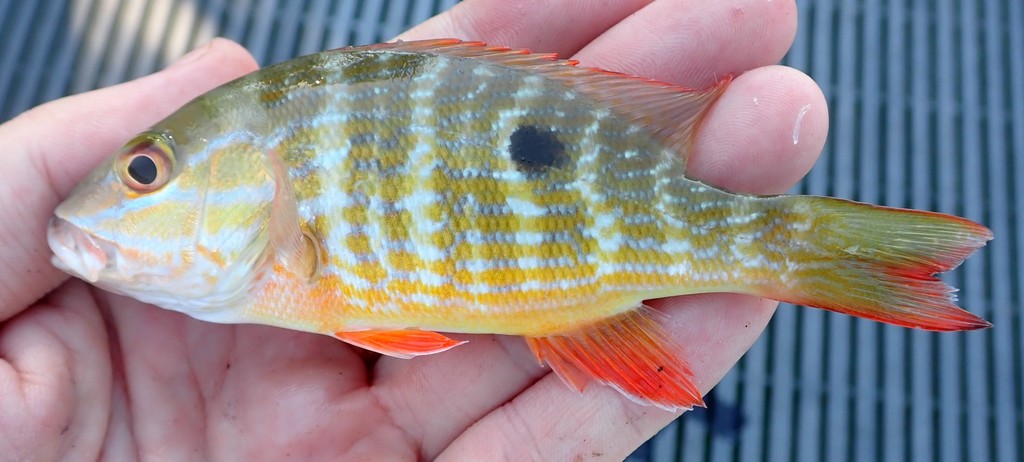
Mutton Snapper are the undisputed champions of the reef for many anglers. Their vibrant pinkish-red flanks, iridescent blue markings, and sheer power make them a prized catch across their range. From the sun-drenched waters of South Florida and the Caribbean to the more remote reaches of the Gulf, these magnificent fish offer a challenge that can humble even seasoned anglers. If you're ready to test your mettle against one of the ocean's toughest fighters and bring home a truly delicious meal, then you've come to the right place. This guide will equip you with everything you need to successfully Fish for Mutton Snapper, from the best times and places to go, to the gear, techniques, and regulations that will make you a Mutton Snapper master.
When to Go (Best Seasons and Times)
Timing is everything when it comes to Mutton Snapper, and understanding their seasonal movements and daily habits will significantly increase your chances of success.
- Seasons: While Mutton Snapper can be caught year-round in their warmer habitats, the late spring through fall months are generally the most productive. This period often coincides with their spawning aggregations, particularly around the summer full moons. During these times, large numbers of Mutton Snapper gather on specific wrecks and reefs, making them more accessible to anglers.
- Times of Day: Mutton Snapper are often most active during periods of low light. Dawn and dusk are prime times, as they venture out from their daytime hiding spots to feed. Night fishing can also be incredibly productive, especially for larger specimens that become bolder under the cover of darkness. Strong tidal movements, particularly incoming or outgoing tides around structure, are also critical. These moving waters bring baitfish and nutrients, signaling feeding time for Muttons.
- Weather Patterns: Calm seas and light winds are ideal for bottom fishing, allowing for better boat control and feel for subtle bites. While Muttons will bite in choppier conditions, it makes the fishing experience less enjoyable and more challenging to detect strikes.
Where to Fish (Top Locations)
Mutton Snapper are primarily found in tropical and subtropical waters, favoring coral reefs, rocky outcroppings, wrecks, and ledges. While they are present in various international locales, our focus here will be on the prime US locations, with a nod to their broader international presence.
- Florida Keys: This chain of islands, stretching from Key Largo to Key West, is arguably the Mutton Snapper capital of the US. The myriad of patch reefs, offshore wrecks, and deeper ledges offer endless opportunities. Areas like Marathon, Islamorada, and Key West are renowned for their Mutton Snapper populations.
- Southeast Florida Coast: From Miami to Fort Lauderdale and up to Palm Beach, the deeper offshore reefs and wrecks hold impressive Mutton Snapper. These areas require a bit more travel offshore but can yield trophy-sized fish.
- Dry Tortugas National Park: Located west of Key West, this remote national park offers some of the most pristine and productive Mutton Snapper fishing anywhere. Access requires a multi-day boat trip and permits, but the rewards can be spectacular. It's a true wilderness experience.
- Florida Gulf Coast (Southwest): While not as densely populated as the Atlantic side, the deeper offshore wrecks and natural bottom structures in the Gulf of Mexico, particularly off Southwest Florida, can also produce good numbers of Mutton Snapper.
- International Hotspots: Beyond the US, Mutton Snapper are a highly sought-after species throughout the Caribbean, including the Bahamas, Cuba, and Belize, offering fantastic international angling adventures.
Many public boat ramps throughout Florida provide access to these fishing grounds. Always consult local charts and marine forecasts before heading out.
How to Fish (Proven Techniques)
Successfully Catching Mutton Snapper requires a blend of finesse and brute force. Here’s a step-by-step approach for beginners, along with some advanced tips.
Step-by-Step for Beginners:
- Locate Structure: Mutton Snapper are almost always found near structure. Use your sonar to identify reefs, wrecks, ledges, or rocky bottom where fish might be holding.
- Position Your Boat: Anchor up-current from the structure, allowing your bait to drift naturally into the fish's feeding zone. Alternatively, a controlled drift over the structure can be effective.
- Bait Selection: Muttons are opportunistic feeders. Live baits like pilchards, pinfish, cigar minnows, or even shrimp are excellent. Cut baits such as sardines, squid, or mullet strips also work well.
- Rigging Up:
- Knocker Rig: This is a popular choice. Thread an egg sinker (1-8 oz, depending on current) directly onto your main line, then tie on a barrel swivel. To the other end of the swivel, attach a 3-6 foot leader of 40-60 lb fluorocarbon, finishing with a 4/0-7/0 circle hook. The sinker "knocks" right against the swivel, keeping the bait very natural.
- Standard Bottom Rig: A three-way swivel with a dropper loop for the sinker and a leader for the hook is another option.
- Presentation: Drop your bait down to the bottom. Once it hits, reel up a few feet to keep it just above the structure and out of snags. Keep a keen eye on your rod tip for the slightest tap or twitch.
- The Bite and Hookset: Mutton Snapper bites can be subtle. They often pick up the bait and move off. With circle hooks, resist the urge to violently "set" the hook. Instead, simply reel down until your rod loads up, then lift steadily. The fish will hook itself in the corner of the mouth.
- Fighting the Fish: Once hooked, Mutton Snapper will make powerful runs directly for the structure. You need to apply heavy, consistent pressure to pull them away from their sanctuary. Pump and reel, keeping the rod tip up, and don't give them an inch!
Advanced Tips:
- Chumming: A consistent chum slick (frozen block, cut bait, or even live pilchards mashed up) can draw Mutton Snapper out from structure and up in the water column, making them easier to target.
- Night Fishing: For trophy Muttons, night fishing is often the most productive. Use a powerful headlamp and consider glow-in-the-dark beads or small lights near your bait.
- Lighter Tackle: For a truly exhilarating fight, try stepping down your tackle a bit. A heavy spinning rod with braided line can offer an incredible challenge, but be prepared for more break-offs.
- Targeting Spawning Aggregations: During the summer full moons, Muttons gather in large numbers. While productive, be mindful of regulations and consider practicing catch and release for some of these vital breeding fish.
Who to Go With (Guides, Groups, or Solo)
Deciding how to pursue Mutton Snapper depends on your experience level, budget, and access to equipment.
- Solo/DIY: For experienced anglers with their own boat and detailed knowledge of local spots, DIY Mutton Snapper fishing can be incredibly rewarding. It offers the freedom to fish exactly how and where you want. However, it requires significant investment in gear, boat maintenance, and navigation skills.
- Charter Guides: For beginners or those looking to maximize their chances of success, hiring a reputable fishing charter is highly recommended. A good Mutton Snapper guide in the Florida Keys or South Florida will have the local knowledge, specialized gear, and proven techniques to put you on fish. While more expensive than a solo trip, the cost often includes bait, tackle, and expert instruction. Expect half-day charters to run $700-$1200 and full-day charters $1200-$2000+.
- Head Boats/Party Boats: These are a more budget-friendly option, especially for solo anglers or small groups. You share the boat with many other anglers, and the crew typically provides bait and basic tackle. While you might not get the individualized attention of a private charter, head boats can still be very productive for Mutton Snapper, particularly on deeper wrecks and reefs. Trips typically range from $70-$150 per person.
Essential Gear Recommendations
Having the right gear is crucial for tackling the powerful Mutton Snapper.
- Rods:
- Medium-Heavy Conventional Rod (7-8 ft): Stiff backbone for leverage, sensitive tip for bite detection. Shimano Trevala Jigging Rod → Shop on Amazon
- Medium-Heavy Spinning Rod (7-8 ft): For a more versatile and sporty fight. St. Croix Mojo Jig Rod → Shop on Amazon
- Reels:
- High-Capacity Conventional Reel (e.g., Penn Fathom 25N, Shimano Talica 10): Robust drag system, good line capacity. Penn Fathom II Lever Drag → Shop on Amazon
- High-Capacity Spinning Reel (e.g., Shimano Saragosa 10000-14000, Penn Spinfisher VI 8500): Smooth drag, saltwater resistant. Shimano Saragosa SW A → Shop on Amazon
- Line:
- Main Line: 50-80 lb braided line (for strength and sensitivity). PowerPro Braided Line → Shop on Amazon
- Leader: 40-60 lb fluorocarbon leader (for abrasion resistance and stealth). Seaguar Blue Label Fluorocarbon → Shop on Amazon
- Hooks:
- 4/0-7/0 circle hooks (inline circle hooks are often required by regulation). Gamakatsu Octopus Circle Hooks → Shop on Amazon
- Sinkers:
- Egg sinkers: 1-8 oz, depending on current and depth.
- Bait:
- Live: Pilchards, pinfish, cigar minnows, shrimp.
- Cut: Sardines, squid, mullet strips.
- Terminal Tackle:
- Barrel Swivels (heavy duty).
- Beads (to protect knots from sinkers).
- Tools:
- Dehooker: Essential for safe release of undersized fish.
- Pliers/Line Cutters.
- Gaff or large landing net.
- Cooler with ice for your catch.
- Sun protection (hat, sunglasses, long-sleeve shirt).
Budget-Friendly Alternatives:
- Rod & Reel Combos: Many brands offer reliable saltwater combos for under $200.
- Monofilament Line: While braid is superior, a good quality 30-50 lb monofilament mainline can be used as a more affordable option.
- Generic Hooks & Sinkers: Most tackle shops offer bulk options that are effective.
Expected Costs (Full Setup vs. Budget Version)
Fishing for Mutton Snapper can range from relatively inexpensive to a significant investment, depending on your approach.
- Full DIY Setup (assuming you own a boat):
- Rod & Reel: $300 - $800+ (for quality saltwater gear)
- Line & Terminal Tackle: $100 - $200 (braid, leader, hooks, sinkers, swivels)
- Bait (per trip): $30 - $100 (live bait can be pricey)
- Fuel (per trip): $100 - $300+ (depending on distance offshore)
- Total Initial Gear Investment: $400 - $1000 (excluding boat and electronics)
- Cost per Trip: $130 - $400+ (fuel, bait, ice)
- Budget Version (Head Boat/Party Boat):
- Trip Fare: $70 - $150 per person (often includes bait and tackle rental)
- Gratuity: $20 - $40 (standard for good service)
- Total per Trip: $90 - $190
- Guided Charter:
- Half-Day Charter: $700 - $1200 (for 1-4 people)
- Full-Day Charter: $1200 - $2000+ (for 1-4 people)
- Gratuity: 15-20% of the trip cost (e.g., $100 - $400+)
- Total per Trip (shared): $800 - $2400+
- Licenses/Permits (Florida):
- Florida Resident Saltwater Fishing License: ~$17 - $47 (various options)
- Non-Resident Saltwater Fishing License: ~$17 (3-day), ~$30 (7-day), ~$47 (annual)
- Always check the Florida Fish and Wildlife Conservation Commission (FWC) website for the most current fees and requirements before you go.
Regulations and Conservation
Responsible angling is paramount, especially when targeting popular species like Mutton Snapper. The Florida Fish and Wildlife Conservation Commission (FWC) is the primary regulatory authority for Mutton Snapper in Florida waters.
- Size Limits: Mutton Snapper have minimum size limits to ensure fish have a chance to reproduce before being harvested.
- Bag Limits: There are daily bag limits to prevent overfishing.
- Season Closures: While Mutton Snapper are generally open year-round, always check for any temporary closures, especially related to spawning aggregations.
- Gear Restrictions: Inline circle hooks are often required when fishing with natural bait for reef fish to minimize gut-hooking and improve survival rates of released fish.
- Conservation: Mutton Snapper populations are generally healthy but are actively managed. Always handle released fish carefully, use a dehooker, and release them quickly to ensure their survival. Adhering to all regulations helps ensure future generations can enjoy the thrill of Catching Mutton Snapper.
Always, without exception, check the current FWC regulations before every fishing trip. Regulations can change frequently based on stock assessments and management needs.
Pro Tips and Common Mistakes to Avoid
Mastering Mutton Snapper fishing takes time, but these tips will put you on the fast track, and avoiding common pitfalls will save you frustration.
Pro Tips:
- Fresh, Lively Bait is Key: Muttons are picky. Live bait that is healthy and active will outfish dead or sluggish bait almost every time.
- Fish the Tides: Pay close attention to tidal charts. Strong incoming or outgoing tides around structure are usually the most productive periods.
- Target Aggressively: Don't be afraid to fish right in the structure. Muttons hug the bottom and the cover it provides. That means getting close to wrecks and reefs, even if it means an occasional snag.
- Fluorocarbon Leader: Use a good quality fluorocarbon leader. It's nearly invisible underwater and its abrasion resistance is crucial when fishing around sharp structure.
- Don't Ignore Night Fishing: Many of the biggest Mutton Snapper are caught after dark. Their cautious nature diminishes somewhat under the cover of night.
- Proper Drag Setting: Set your drag tight enough to pull the fish away from structure on its first run, but not so tight that you risk breaking your line or pulling the hook.
- Be Ready for the First Run: Mutton Snapper hit hard and run harder. Be prepared to react instantly and apply maximum pressure to turn their head away from the structure.
Common Mistakes to Avoid:
- Using Inadequate Tackle: Don't bring a knife to a gunfight. Light freshwater gear won't cut it against a powerful Mutton Snapper in heavy structure.
- Not Checking Regulations: Ignoring size, bag, or gear limits can result in fines and harm fish populations. Always check the FWC website.
- Fishing in Stagnant Water: If the tide isn't moving, the Muttons often aren't feeding actively. Move to another spot or wait for the tide to pick up.
- Forgetting to Chum: A good chum slick can make a huge difference in attracting fish and getting them into a feeding frenzy.
- Hesitating on the Hookset (with J-hooks): If you're using J-hooks (though circle hooks are preferred/required for reef fish), a delayed hookset can result in a missed fish or a gut-hooked fish. With circle hooks, just reel down.
- Not Using a Dehooker: Releasing undersized or unwanted fish carefully is vital. A dehooker minimizes stress and injury to the fish.
Conclusion
Catching a Mutton Snapper is an experience that blends challenge, excitement, and the promise of a truly delicious reward. From the heart-stopping initial strike to the drag-screaming fight against the structure, every Mutton Snapper earns its place on your stringer or in your memory. By understanding their habits, mastering the right techniques, and respecting the regulations, you'll be well on your way to becoming a Mutton Snapper pro.
So, gather your gear, check those tides, and get ready to feel the unmistakable pull of one of the ocean's most prized game fish. The reefs are calling, and your next Mutton Snapper adventure awaits!
Stay tuned for our next post, where we'll explore the vibrant world of Yellowtail Snapper and how to fill your cooler with these schooling beauties!
As an Amazon Associate I earn from qualifying purchases at no extra cost to you. Links above are affiliate search links — prices may vary. Generated 2026-08-01