
Hunt Giant Anteater Like a Pro: Complete Hunting Guide
Introduction
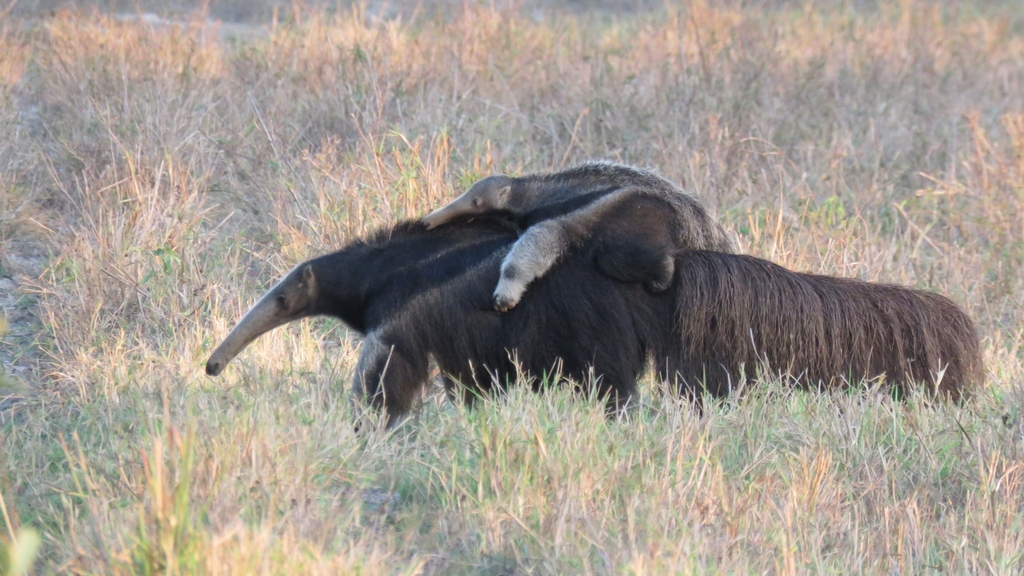
Imagine the sun just beginning to warm the vast, sprawling savannas of South America, painting the horizon in hues of orange and gold. You’re moving slowly, carefully, through the tall grasses, your eyes scanning every shadow, every rustle. Suddenly, a flicker of movement. A long, powerful snout emerges from the brush, followed by a massive, bushy tail swaying gently. It’s the unmistakable silhouette of a Giant Anteater, a creature of almost mythical proportions, silently foraging for its next meal. This isn't your typical pursuit; it’s a quest for one of the continent’s most unique and elusive mammals, a true test of tracking skill, patience, and ethical wilderness engagement. To "Hunt" a Giant Anteater isn't about the harvest in the traditional sense for most; it's about the profound encounter, the challenge of finding and observing this magnificent, vulnerable animal in its wild domain. This guide will prepare you for an unforgettable expedition into their world, focusing on responsible, ethical, and legal ways to pursue an encounter with this incredible species.
When to Go (Best Seasons and Times)
Timing is paramount when embarking on a Giant Anteater expedition, as their activity patterns and habitat accessibility shift with the seasons.
- Dry Season (May to October in much of their range): This is generally the prime window for seeking out Giant Anteaters.
- Visibility: Reduced vegetation density makes spotting these camouflaged creatures much easier.
- Water Sources: Animals, including anteaters, tend to concentrate around fewer, more predictable water sources, making tracking more effective.
- Accessibility: Roads and trails are less likely to be impassable due to mud, improving travel to remote areas.
- Wet Season (November to April): While challenging, the wet season can offer unique opportunities.
- Lush Environment: The landscape is vibrant and green, but dense foliage can obscure views.
- Tracking: Soft ground makes tracks easier to identify and follow, though heavy rains can wash them away quickly.
- Insect Abundance: Anteaters may be more active during certain periods due to increased food availability.
- Times of Day: Giant Anteaters are primarily diurnal (active during the day), but can be crepuscular (active at dawn and dusk) or even nocturnal in areas with high human disturbance or extreme heat.
- Early Morning (Dawn to 10 AM): Often the best time. Anteaters are typically out foraging before the heat of the day sets in. The soft morning light is also ideal for photography.
- Late Afternoon (4 PM to Dusk): As temperatures cool, they become active again, seeking out termite and ant mounds.
- Midday: Generally, they rest in dense cover to avoid the heat, making encounters less likely.
Regional Tips: In the Brazilian Pantanal, the dry season (June-October) offers the best chances. In the Argentine and Paraguayan Gran Chaco, late dry season into early wet season can be productive, but always be prepared for extreme temperatures.
Where to Hunt (Top Locations)
Hunting for Giant Anteaters means seeking out their natural habitats across Central and South America. Given their vulnerable status, the focus is on protected areas and regions known for successful sightings and strong conservation efforts.
- Pantanal, Brazil: This vast wetland is arguably the best place in the world for wildlife viewing, including Giant Anteaters. The open landscapes and numerous eco-lodges make it relatively accessible. Look for areas with a mix of grasslands and forest patches.
- Cerrado, Brazil: The Brazilian Cerrado, a tropical savanna ecoregion, is the Giant Anteater's primary habitat. While less tourist-developed than the Pantanal, it offers a more authentic, rugged experience. National parks and private reserves within the Cerrado are excellent spots.
- Gran Chaco, Paraguay & Argentina: This immense, semi-arid plain offers a wilder, more challenging environment. Areas like Defensores del Chaco National Park in Paraguay or Iberá Wetlands in Argentina (where they have been successfully reintroduced) are key.
- Llanos, Colombia & Venezuela: Similar to the Pantanal, the Llanos are expansive grasslands. While politically challenging in some areas, regions with stable eco-tourism infrastructure in Colombia offer opportunities.
- Corcovado National Park, Costa Rica: Though less common than in South America, Giant Anteaters (specifically the Northern Tamandua, a smaller relative, and occasionally the Giant Anteater itself in certain zones) can be found here. This park is a biodiversity hotspot, ideal for a broader wildlife expedition.
- Protected Reserves and Private Ranches: Many private landowners and conservation organizations across their range (e.g., Bolivia, Peru, Uruguay) actively protect anteater populations and offer guided tours or research opportunities.
Remember, these locations are for observing and tracking Giant Anteaters, often with the support of local guides and researchers, not for traditional harvesting.
How to Hunt (Proven Techniques)
"Hunting" a Giant Anteater effectively means mastering the art of tracking, stealth, and observation. Given their protected status, the goal is always a respectful, non-invasive encounter.
Step-by-Step Approach for Beginners:
- Hire a Local Expert: This is non-negotiable. Local guides possess invaluable knowledge of the terrain, anteater behavior, and current locations. They also ensure you respect local regulations and traditions.
- Learn to Read Tracks: Before you even see an anteater, you'll see their signs. Giant Anteaters have distinctive, powerful claws, leaving unique tracks. Look for large, inward-pointing front paw prints and smaller, outward-pointing hind paw prints.
- Identify Feeding Signs: Anteaters are insectivores. Look for disturbed termite mounds or ant nests, particularly those with small, conical holes indicating a recent visit.
- Move Slowly and Silently: Anteaters have excellent hearing. Walk against the wind to mask your scent and sound. Use natural cover and avoid sudden movements.
- Scan Continually with Optics: Their camouflage can be surprisingly effective. Use binoculars to systematically scan grasslands, tree lines, and any areas of movement.
- Maintain a Safe Distance: Once you spot an anteater, slowly approach to a respectful distance (at least 50-100 meters) that allows for observation without disturbing the animal. Use your optics for closer views.
- Be Patient: Anteaters can spend hours foraging in one area. Settle in, observe their natural behavior, and enjoy the privilege of witnessing this unique creature.
Advanced Tips:
- Understand Their Routine: With an experienced guide, try to predict their movements between feeding grounds and resting spots based on previous sightings and environmental cues.
- Utilize Elevated Vantage Points: If available, a slight rise or a sturdy tree can offer a broader view of the landscape, increasing your chances of spotting a distant anteater.
- Follow Waterways: In dry seasons, anteaters will often travel along riverbanks or near permanent water sources, making these good areas to focus your search.
Who to Go With (Guides, Groups, or Solo)
For a Giant Anteater expedition, the "who" is almost as important as the "where."
-
Guided Expeditions (Highly Recommended):
- Specialized Eco-Tourism Operators: These companies focus on wildlife observation and conservation. They have permits, local connections, and experienced guides who know the specific habits and locations of anteaters. Costs can range from $2,000 to $8,000+ USD for multi-day, all-inclusive packages, depending on the region and luxury level.
- Conservation Organizations/Research Groups: Some organizations offer "citizen science" or volunteer opportunities where you assist with tracking and monitoring. This can be a more immersive, often lower-cost (but still significant, e.g., $1,000-$3,000 USD for a few weeks covering basic expenses) way to engage, typically requiring a longer commitment.
- Why a Guide? Beyond expertise, guides ensure you operate within legal and ethical boundaries, minimizing disturbance to the animals and supporting local economies. They are crucial for navigating remote, often challenging terrain.
-
Groups: Joining a small group tour (typically 4-8 people) is a common and cost-effective way to travel with a guide. It allows for shared expenses and camaraderie.
-
Solo DIY (Generally Not Recommended):
- Attempting a solo, unguided "hunt" for Giant Anteaters is highly discouraged. It's often illegal in protected areas, dangerous in remote wilderness, and carries a high risk of disturbing or harming the animals.
- Even if you manage to reach an area, finding and ethically observing a Giant Anteater without local knowledge is extremely difficult.
- Cost Context: While you might save on guide fees, you'll incur significant costs for transportation, accommodation, and potentially research permits. The risk of failure or negative impact far outweighs any perceived savings.
For a successful and responsible Giant Anteater experience, invest in reputable, conservation-focused guided services. Look for outfitters with strong ethical track records and positive reviews from past participants.
Essential Gear Recommendations
Your gear list for a Giant Anteater expedition will focus on observation, tracking, and comfort in challenging environments. Forget the hunting rifle; this is a quest for sight and knowledge.
- Optics (Crucial):
- Binoculars: High-quality 10x42 or 10x50 are ideal for scanning distant landscapes. Zeiss Conquest HD 10x42 Binoculars → Shop on Amazon
- Spotting Scope: A lightweight, powerful spotting scope (e.g., 20-60x magnification) on a sturdy tripod for detailed, long-range observation. Kowa TSN-553 PROMINAR Spotting Scope → Shop on Amazon
- Camera Gear (Optional but Recommended):
- DSLR or Mirrorless Camera: With a telephoto lens (e.g., 200-500mm or 150-600mm) for capturing stunning images from a distance. Nikon Z 8 Mirrorless Camera with NIKKOR Z 180-600mm f/5.6-6.3 VR Lens → Shop on Amazon
- Extra Batteries and Memory Cards: You don't want to miss a shot!
- Navigation & Safety:
- GPS Device or Satellite Messenger: For remote areas where cell service is non-existent. Garmin inReach Mini 2 Satellite Communicator → Shop on Amazon
- Headlamp: With red light option for early morning/late evening. Petzl Actik Core Headlamp → Shop on Amazon
- First-Aid Kit: Comprehensive for wilderness travel.
- Clothing & Footwear:
- Lightweight, Breathable Long-Sleeved Shirts and Pants: Earth-toned colors for camouflage and protection from sun/insects.
- Wide-Brimmed Hat: For sun protection.
- Comfortable, Sturdy Hiking Boots: Broken-in and waterproof, suitable for varied terrain.
- Gaiters: To protect against thorns, insects, and snake bites in tall grass.
- Personal Essentials:
- Insect Repellent: With DEET or picaridin for mosquito and tick protection. Sawyer Products Picaridin Insect Repellent → Shop on Amazon
- Sunscreen: High SPF.
- Water Bottle/Hydration Pack: Essential for staying hydrated in hot climates. CamelBak M.U.L.E. Hydration Pack → Shop on Amazon
- Water Purification Tablets/Filter: For emergency use.
- Small Backpack: For day trips to carry essentials.
- Field Guides:
- Local Wildlife Identification Guide: To identify tracks, scat, and other species.
Budget-Friendly Alternatives: * Binoculars: Entry-level 10x42 from brands like Bushnell or Nikon can be found for under $150. * Camera: A bridge camera with a strong zoom can be a good alternative to a DSLR with a telephoto lens. * GPS: Offline maps on a smartphone (with a power bank) can substitute a dedicated GPS, but a satellite messenger remains highly recommended for safety.
Expected Costs (Full Setup vs. Budget Version)
Understanding the financial commitment is crucial for an ethical and successful Giant Anteater expedition. Costs will vary widely based on location, duration, and chosen level of service.
Full Setup (Guided Expedition, 7-10 days, reputable outfitter): * International Flights: $1,000 - $2,500 USD (e.g., to Brazil, Paraguay, Argentina) * In-Country Transportation: $300 - $800 USD (domestic flights, 4x4 transfers) * Guided Expedition Package: $3,000 - $8,000+ USD (includes guide, accommodation, meals, permits for observation, activities) * Gear (High-end Optics & Camera): $2,000 - $6,000 USD (one-time purchase, can be reused) * Travel Insurance: $100 - $300 USD * Vaccinations & Health Preparations: $100 - $500 USD * Contingency/Personal Expenses: $500 - $1,000 USD * Total Estimated Cost (Full Setup): $7,000 - $19,000+ USD
Budget-Friendly Version (Shorter Trip, Basic Accommodation, Essential Gear): * International Flights: $800 - $1,800 USD (booking in advance, off-peak) * In-Country Transportation: $200 - $500 USD (buses, shared transfers) * Basic Guided Tour/Eco-Lodge Stay (3-5 days): $1,500 - $3,500 USD (focus on specific areas known for sightings, fewer amenities) * Gear (Budget Optics, Rent Camera): $300 - $1,000 USD (basic binoculars, rent a telephoto lens if needed) * Travel Insurance: $50 - $150 USD * Vaccinations & Health Preparations: $100 - $500 USD * Contingency/Personal Expenses: $300 - $700 USD * Total Estimated Cost (Budget Version): $3,250 - $8,150+ USD
License/Tag Costs: It is critical to understand that there are generally NO sport hunting licenses or tags available for Giant Anteaters. These animals are protected across most, if not all, of their range. Any "fees" associated with "hunting" them would be for: * Research Permits: If you are part of a scientific expedition. * Entry Fees to National Parks/Reserves: For general wildlife observation. * Conservation Contributions: Often part of eco-tourism packages that support local conservation efforts.
Always advise readers to check current regulations and fees with the appropriate national wildlife authorities (e.g., IBAMA in Brazil, SEAM in Paraguay, Ministry of Environment in Argentina) before planning any trip.
Regulations and Conservation
This is arguably the most critical section of any guide focused on Giant Anteaters. The Giant Anteater (Myrmecophaga tridactyla) is listed as Vulnerable on the IUCN Red List of Threatened Species. This designation means they face a high risk of extinction in the wild.
Key Regulatory Considerations:
- Protected Status: Across the vast majority of their range in Central and South America, Giant Anteaters are a protected species. Sport or recreational hunting of Giant Anteaters is generally illegal and not permitted.
- National Legislation: Each country (e.g., Brazil, Argentina, Paraguay, Bolivia, Colombia, Venezuela) has its own specific wildlife protection laws. These laws typically prohibit the killing, capture, or disturbance of Giant Anteaters without specific permits.
- Permits for Scientific/Conservation Purposes: The only instances where any "hunting" (meaning capture, tracking, or handling) of Giant Anteaters might be permitted are under strict scientific research, conservation management (e.g., translocation, population health studies), or very limited, regulated traditional subsistence by indigenous communities. These activities require highly specialized permits from the relevant national environmental or wildlife authorities (e.g., IBAMA in Brazil, the Ministry of Environment in Argentina, SEAM in Paraguay).
- International Trade: The Giant Anteater is listed on CITES Appendix II, meaning international trade in the species (or its parts) is strictly regulated to prevent over-exploitation.
Emphasize the Importance of Checking Current Local Regulations: Before planning any trip, it is imperative to consult the relevant national environmental or wildlife agencies of the country you intend to visit. Regulations can change, and ignorance of the law is not an excuse. Always work with reputable, licensed eco-tourism operators or research organizations that adhere strictly to local and international conservation laws.
Conservation Status and Population Considerations: Giant Anteater populations are threatened by: * Habitat Loss and Fragmentation: Due to agriculture, cattle ranching, and urban development. * Road Mortality: Anteaters are frequently hit by vehicles. * Wildfires: Especially in their savanna habitats. * Illegal Pet Trade and Hunting: Despite protections, some localized illegal hunting persists.
Your "hunt" for a Giant Anteater should always be about ethical observation, photography, and, most importantly, supporting the conservation efforts that protect this magnificent and endangered species. Choosing responsible operators contributes directly to their survival.
Pro Tips and Common Mistakes to Avoid
Pro Tips:
- Embrace the "Hunt" as Observation: Shift your mindset from traditional harvest to a profound, respectful encounter. The success of your "hunt" is measured by the quality of your observation, not a trophy.
- Learn from Local Trackers: Their ancestral knowledge of the land and animal behavior is unparalleled. Listen, learn, and respect their expertise.
- Support Conservation Directly: Choose eco-tourism operators that actively contribute to Giant Anteater research and habitat protection. Your dollars can make a difference.
- Be Prepared for the Elements: Tropical and subtropical environments can be extreme. Expect heat, humidity, insects, and potentially sudden weather changes. Proper clothing and hydration are non-negotiable.
- Practice Your Optics Skills: Being able to quickly locate and focus on a moving animal with binoculars or a spotting scope will greatly enhance your viewing experience.
- Respect Their Space: Never approach too closely, chase, or try to interact with a wild Giant Anteater. This causes stress to the animal and is unethical.
- Leave No Trace: Pack out everything you pack in. Minimize your environmental impact to preserve their fragile habitats.
Common Mistakes to Avoid:
- Underestimating Protected Status: Assuming you can legally "hunt" (harvest) a Giant Anteater is a serious and illegal misconception. Always verify current regulations.
- Going Unguided: Attempting a solo expedition without local expertise is dangerous, often illegal in protected areas, and almost guarantees a failed or unethical encounter.
- Lack of Patience: Giant Anteaters are elusive. Rushing through their habitat or giving up too soon will likely result in missed opportunities.
- Inadequate Insect Protection: Mosquitos, ticks, and other biting insects can ruin a trip and pose health risks. Don't skimp on repellent or protective clothing.
- Making Noise or Sudden Movements: This will spook the anteater, sending it into cover before you get a good look.
- Ignoring Conservation Ethics: Prioritizing a "trophy photo" over the animal's well-being is irresponsible and damages the reputation of ethical wildlife enthusiasts.
- Disregarding Local Customs: Be respectful of local cultures and traditions in the regions you visit.
Conclusion
The pursuit of the Giant Anteater is not a typical hunting expedition; it is an extraordinary journey into the heart of South America's wild places, a challenge of wits, patience, and profound respect for nature. To "Hunt" a Giant Anteater is to track a ghost, to observe a living relic, and to connect with one of the planet's most unique and vulnerable creatures. It's an experience that transcends the ordinary, leaving you with a deeper appreciation for the intricate balance of the ecosystems they inhabit. By adhering to ethical observation, supporting conservation efforts, and respecting the stringent regulations protecting this magnificent animal, you contribute to its survival for generations to come. So, pack your best optics, prepare for an adventure, and step into the world of the Giant Anteater.
Ready to explore another incredible species? Next time, we'll dive into the thrilling world of Catching Giant Trevally on the Flats!
As an Amazon Associate I earn from qualifying purchases at no extra cost to you. Links above are affiliate search links — prices may vary. Generated 2026-07-31