Catch Common Carp (Europe) Like a Pro: Complete Fishing Guide
Introduction
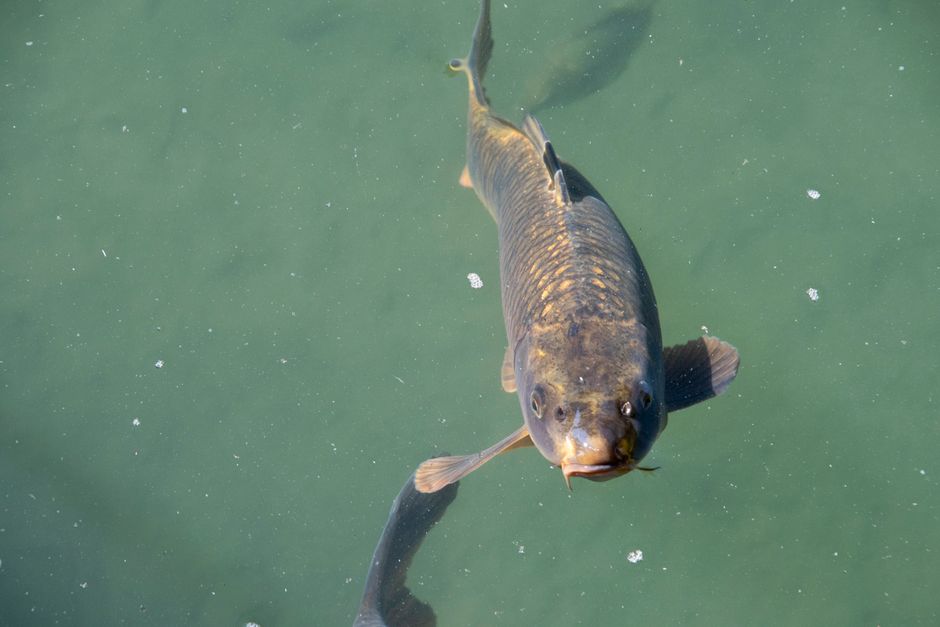
The silence of the pre-dawn mist hangs heavy over the ancient French lake. For hours, the only sounds have been the gentle lapping of water and the distant call of an owl. Then, it happens. A single, tentative beep from your bite alarm, followed by a piercing, one-toned scream that shatters the calm. You scramble from your bivvy, heart pounding, and lift the rod. It immediately hoops over, the clutch hissing as a powerful, unseen force strips line from the reel. This isn't a frantic, splashy fight; it's a deep, deliberate, and brutal tug-of-war. After a long, nerve-wracking battle, you slip the net under a magnificent creature—a bronze-flanked common carp, broad-shouldered and ancient-looking. This is European carp fishing, a pursuit that is less a pastime and more a passionate, strategic obsession. Forget what you think you know about carp; in Europe, these intelligent, powerful fish are revered as the "king of the coarse fish," and pursuing them is one of angling's greatest challenges.
When to Go (Best Seasons and Times)
Timing is everything in the chess match against a wary old carp. Understanding their seasonal movements will dramatically increase your chances of connecting with a true monster.
- Spring (March - May): As the water temperatures climb after a long winter, carp wake up hungry. They begin to move into shallower, sun-warmed areas and feed heavily to build energy for the upcoming spawn. This pre-spawn period can offer some of the most frantic action of the year.
- Summer (June - August): This is peak season. The carp are at their most active and highest weights. Early mornings, late evenings, and throughout the night are prime times, as the fish often seek shelter from the bright midday sun. Look for them in oxygen-rich areas or patrolling near weed beds and other features.
- Autumn (September - November): My personal favorite. As the water begins to cool, carp go on a major feeding spree to pack on weight for the winter. They know lean times are coming, and they'll often throw caution to the wind. This is when many of the year's biggest fish are landed.
- Winter (December - February): The toughest time, but not impossible. The carp's metabolism slows dramatically. You need to find where they are holed up, often in deeper, more stable water. A single, well-placed bait on a mild, overcast winter day can still produce a result.
Weather-wise, a stable, low-pressure system with a light, warm breeze is often considered the holy grail. This "carp ripple" on the surface darkens the water, making the fish feel more secure and encouraging them to feed.
Where to Fish (Top Locations)
Europe is the heartland of modern carp fishing, with a staggering variety of waters, from public canals to exclusive, managed lakes.
- France: The undisputed heavyweight champion of big carp destinations. Legendary public waters like Lac de Saint-Cassien and Lac du Der-Chantecoq hold fish of mythical proportions. For a more structured experience, countless "all-inclusive" commercial fisheries like Rainbow Lake offer incredible fishing with top-notch facilities.
- United Kingdom: The birthplace of modern carp angling. Historic venues like the Wraysbury Lakes are iconic. For more accessible fishing, commercial complexes like Linear Fisheries in Oxfordshire offer multiple well-stocked lakes on a day-ticket basis. Don't overlook the vast network of canals and rivers like the River Thames, which hold surprisingly large, wild carp.
- Spain: The River Ebro is world-famous for its colossal carp that thrive in the warm, rich water. It's a fantastic year-round destination where the action can be relentless.
- Germany: The mighty Rhine and Danube rivers produce some truly wild, powerful carp. Germany also has thousands of "Baggersee" (gravel pits), many of which are managed by local angling clubs and hold specimen fish.
- The Netherlands & Belgium: A paradise for the roving angler. The intricate systems of canals ("polders") and rivers are packed with carp and offer incredible opportunities for both urban and rural fishing.
- Beginner-Friendly Option: For your first trip, consider a UK or French "day-ticket" water. These are well-managed, well-stocked, and provide a safe and accessible environment to learn the ropes.
How to Fish (Proven Techniques)
European carp fishing is built on a foundation of patience and precise presentation. The most common and effective method is ledgering on the bottom using a "hair rig."
Beginner's Step-by-Step Guide to the Hair Rig:
- Find Your Spot: Before you even think about casting, spend time watching the water. Look for signs of feeding fish like bubbles, cloudy water, or fish "showing" (jumping or rolling). Use a marker float to map the depth and a bare lead to feel the bottom composition, searching for clear gravel spots, silt beds, or the edge of a weed bed.
- Bait Your Area: Once you've chosen a spot, you need to attract the fish. This is done by introducing "free offerings." A mix of small pellets, maize, hemp seed, and a few of your hook baits (boilies) is a great start. Use a catapult, a throwing stick, or a "Spomb" (a bait rocket) to place your bait accurately on your chosen spot.
- Tie the Hair Rig: This is the key. The bait (typically a hardened paste ball called a "boilie") is not pierced by the hook. Instead, it's threaded onto a small loop of line (the "hair") extending from the shank of the hook. When a carp sucks in the bait, it feels no metal. As it tries to eject the bait, the exposed hook turns and pricks it in the bottom lip. It's an incredibly effective self-hooking system.
- The Ledger Setup: Attach your hair rig to a lead system, like a simple "lead clip." This allows the lead to discharge if the fish gets snagged, which is a crucial fish safety feature.
- Cast, Set, and Wait: Cast your rig precisely into your baited area. Place the rod on a rod pod or banksticks and connect a bite alarm. Set your reel to "freespool" or use the baitrunner function. Now, the waiting game begins.
Advanced Tips:
- The Zig Rig: Don't assume carp are always on the bottom. On warm, sunny days, they often cruise in the upper layers. A Zig Rig presents a buoyant bait on a long hooklink, suspending it in mid-water to intercept these fish.
- Solid PVA Bags: Polyvinyl Alcohol (PVA) melts in water. A solid PVA bag allows you to place your hooklink and a small, perfect pile of bait right next to it. This is a deadly tactic for fishing in weed or silt, ensuring your rig is presented perfectly every time.
Who to Go With (Guides, Groups, or Solo)
- Guided Trips: Especially for destinations like France or Spain, booking an all-inclusive holiday with a reputable outfitter is a fantastic option. Companies like Angling Lines or The Carp Specialist handle everything from airport transfers to providing all the gear, bait, and expert guidance. It's the fastest way to learn and get straight to the action.
- DIY / Solo: This is the soul of carp fishing for many. It requires more research, investment in gear, and local knowledge, but the satisfaction is immense. Joining local angling clubs and participating in online forums is a great way to gather information and connect with other anglers.
Essential Gear Recommendations
Carp gear is specialized to handle powerful fish and long sessions on the bank.
- Rods & Reels:
- Must-Have: Two or three 12ft carp rods with a 3lb test curve. Pair them with large "big pit" style reels that hold plenty of line and have a baitrunner or freespool system. Daiwa Black Widow G50 Carp Rod → Shop on Amazon.
- Budget-Friendly: Many brands offer excellent rod and reel combo deals that are perfect for getting started.
- Line & Terminal Tackle:
- 15lb abrasion-resistant monofilament line.
- A tackle box with pre-tied hair rigs, hooks (sizes 6-8), lead clips, swivels, and a selection of leads (2-4oz).
- Support & Indication:
- A rod pod or a set of banksticks to hold your rods securely.
- Electronic bite alarms and indicators (bobbins or swingers) are non-negotiable. They signal a bite, day or night. Fox Micron MX Bite Alarm Set → Shop on Amazon.
- Fish Care (CRITICAL):
- A large, padded unhooking mat. Never lay a carp on the bare ground.
- A 42-inch (minimum) triangular landing net with a soft mesh.
- A bottle of carp care antiseptic to treat any hook holds or sores. Korda Carp Care Kit → Shop on Amazon.
Expected Costs (Full Setup vs. Budget Version)
Costs can vary widely, but here’s a realistic breakdown.
- Licenses & Permits: A national rod license is required in many countries (e.g., the UK's Environment Agency Rod Licence costs around £30/year). On top of this, you will pay for a permit for the specific water, which can range from €15-€50 per day for a day-ticket lake. Always check current fees.
- Budget Setup: You can get started with a solid, functional setup for around €400-€500 ($430-$540). This would include two rods and reels, a basic pod, alarms, and essential fish care equipment.
- Full Setup: A high-end setup with premium rods, reels, advanced electronics, and a "bivvy" (a specialized angler's tent) for overnight sessions can easily exceed €2,000 ($2,150).
Regulations and Conservation
Regulations vary significantly between countries and even individual lakes. It is your responsibility to know the rules before you fish.
- Regulatory Authorities: In the UK, it's the Environment Agency. In France, look for the local Fédération de Pêche. In Germany, it's the regional Fischereiverband.
- Catch and Release: The culture of modern carp angling is overwhelmingly catch-and-release. These fish are highly valued and often decades old. Killing a large carp is a major taboo.
- Key Rules: Always check the rules regarding the number of rods you can use, whether night fishing is permitted, and if there are any bait bans (e.g., some waters ban nuts or certain particles).
- Fish Handling: The conservation ethic is paramount. Always use a wet unhooking mat, minimize the time the fish is out of the water, and return it carefully.
Pro Tips and Common Mistakes to Avoid
Pro Tips: 1. Watch the Water: Spend the first hour at a lake just watching. A single jumping fish can give away the location of an entire shoal. 2. Be Silent: Carp have excellent hearing and can detect vibrations through the bank. Tread lightly and keep noise to an absolute minimum. 3. Sharp Hooks Win: Your hook point is your single most important connection to the fish. Check it constantly for sharpness. If it doesn't catch on your thumbnail, sharpen or change it. 4. Find a Feature: Don't just cast into the middle. Find a gravel bar, a weed bed edge, or an overhanging tree. Carp use features like highways. 5. Less is More: Beginners often pile in too much bait. Start with a small amount and only add more once you start getting bites.
Common Mistakes: * Ignoring Fish Care: Not having your mat and net ready before you cast. * Sky-Lining: Standing on the skyline where fish can easily see you against the sky. Stay low and use bankside cover. * Noisy Setup: Banging banksticks into the ground or dropping gear will send vibrations through the water and spook fish for hours.
Conclusion
The pursuit of European common carp is a journey into the heart of angling strategy. It will test your patience, your watercraft, and your technique like few other freshwater species can. It’s a game of inches and hours, of subtle observations and meticulous preparation. But the reward—the moment that huge, bronze flank of a wild creature breaks the surface—is an experience that will stay with you forever. So, get your license, study your local waters, and prepare for the scream of a bite alarm. That fish of a lifetime could be just one cast away.
Next up, we’re heading to the rugged coastlines to Hunt for the elusive Red Stag in the Scottish Highlands. Stay tuned!
As an Amazon Associate I earn from qualifying purchases at no extra cost to you. Links above are affiliate search links — prices may vary. Generated 2026-07-30