
Hunt Polar Bear (Canada) Like a Pro: Complete Hunting Guide
Introduction
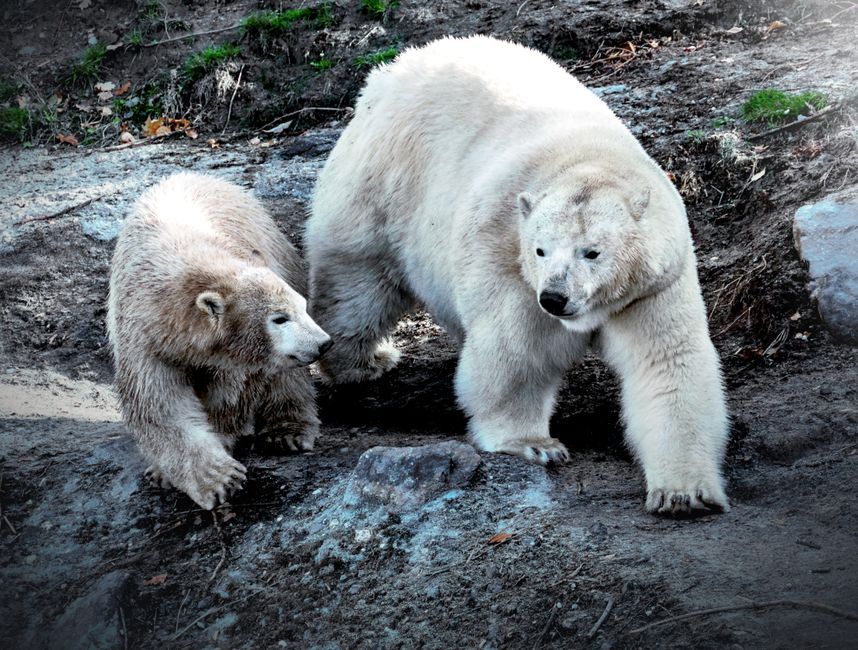
The biting Arctic wind whips across the desolate, snow-dusted landscape, carrying with it the faint, musky scent of the king of the North. You scan the horizon, your breath misting in the frigid air, and then you see it – a colossal white form moving with surprising grace across the ice. It's a Polar Bear, a creature perfectly adapted to this harsh, beautiful environment, and the prospect of pursuing such a magnificent animal is an experience that will etch itself into your memory forever. Hunting Polar Bear in Canada isn't just about harvesting an animal; it's a profound immersion into one of the planet's last true wildernesses, a test of skill, patience, and respect for a species that embodies the untamed spirit of the Arctic. The challenge is immense, the rewards are unparalleled, and for those seeking an adventure of a lifetime, the Canadian Arctic beckons.
When to Go (Best Seasons and Times)
The prime time for Polar Bear hunting in Canada is dictated by the sea ice, which is crucial for the bears' hunting strategies. Generally, the spring season, from March to May, offers the most consistent opportunities. During these months, the sea ice is typically solid enough for travel and the bears are actively hunting seals, their primary food source.
- March and April: These months are often considered the peak. The ice is usually at its most extensive, allowing hunters to traverse larger areas. Bears are often found on the ice, looking for seals at breathing holes or along pressure ridges.
- May: As the season progresses, the ice begins to break up, which can make travel more challenging but also concentrates bears in certain areas. This can be a highly productive time, especially for bears holding onto the last remnants of the ice.
Times of Day: While daylight hours are limited in the early spring, as you move into April and May, the days lengthen. Hunting is typically done during daylight hours. Bears can be active at any time, but sightings are often more frequent in the morning and late afternoon when they may be more actively seeking prey.
Weather Patterns: Arctic weather is notoriously unpredictable. Expect extreme cold, high winds, and potential blizzards. Dressing in layers and being prepared for rapidly changing conditions is paramount. Clear, calm days can offer excellent visibility across the vast icy plains, while stormy weather might force you to wait it out in a heated shelter or vehicle.
Regional Tips:
- Nunavut: This vast territory offers extensive hunting grounds. Early spring is excellent for hunting along the coastlines and on the stable sea ice.
- Manitoba: Churchill, Manitoba, is famously known as the "Polar Bear Capital of the World." While primarily a viewing destination, limited hunting opportunities exist in specific areas during the spring.
Where to Hunt (Top Locations)
Hunting Polar Bear in Canada is a highly regulated and specialized pursuit, primarily taking place in Nunavut and, to a lesser extent, Manitoba. These regions offer the vast, ice-covered landscapes essential for Polar Bear habitat.
- Nunavut (Central Arctic & Baffin Island): This is the heartland of Polar Bear hunting in Canada. Regions around Resolute Bay, Grise Fiord, and Pangnirtung are renowned for their high success rates. These areas offer expansive sea ice conditions in the spring, providing excellent platforms for spotting and pursuing bears. The sheer remoteness and rugged beauty of these locations add to the adventure.
- Nunavut (Kivalliq Region): Areas near Rankin Inlet and Arviat also offer opportunities, particularly as the ice begins to break up. These regions are known for their productive coastal areas.
- Manitoba (Churchill Area): While Churchill is more famous for its summer and fall polar bear viewing tours, limited spring hunting opportunities exist in designated areas. These are often more accessible but can be highly sought after.
Beginner-Friendly Options: For beginners, it is highly recommended to opt for a guided hunt in Nunavut. Outfitters in the top locations mentioned above are experienced in navigating the Arctic environment and understanding bear behavior, significantly increasing your safety and chances of success. They will handle the logistics of travel, accommodation, and on-the-ground operations.
How to Hunt (Proven Techniques)
Hunting Polar Bear is a unique challenge that requires a combination of patience, keen observation, and a deep understanding of their environment and behavior.
Beginner's Approach:
- Scouting and Observation: The most effective method for hunting Polar Bears is by spotting them from a distance. You'll typically be traveling across the ice (via snowmobile or specialized vehicle) and scanning the vast white expanse for any movement. Look for the distinct white shape of a bear against the snow and ice.
- Approaching the Bear: Once a bear is spotted, your guide will assess the wind direction and terrain. The goal is to approach the bear downwind and as discreetly as possible, using the natural contours of the ice for cover.
- The Shot: When within a safe and ethical range, you will prepare for your shot. Polar Bears are large, powerful animals, and a quick, humane kill is paramount. This usually involves a precise shot to the vital organs. Your guide will advise on the optimal shot placement.
- Field Dressing and Extraction: After a successful harvest, the bear will be field dressed. Given the remote location and the size of the animal, extraction is a significant logistical undertaking that is typically managed by your outfitter.
Advanced Tips:
- Reading the Ice: Experienced hunters learn to "read" the ice. This includes understanding where seals are likely to be found (breathing holes, haul-out sites) and how the ice conditions might influence bear movement. Looking for tracks and signs of recent activity is crucial.
- Utilizing Natural Blinds: In areas where the terrain allows, using snowdrifts or pressure ridges as natural blinds can provide excellent cover for a patient stalk or for waiting out a bear.
- Understanding Bear Behavior: Learn to distinguish between a bear that is simply passing through, one that is actively hunting, or one that is curious. This knowledge, gained through experience and guided instruction, can significantly influence your approach and decision-making.
Who to Go With (Guides, Groups, or Solo)
For Polar Bear hunting, especially for beginners and intermediate hunters, going with a reputable outfitter is overwhelmingly the most recommended and often the only viable option.
- Guided Hunts: This is the standard and safest way to hunt Polar Bear in Canada. Outfitters in Nunavut and Manitoba have the necessary permits, specialized equipment (snowmobiles, heated shelters, robust vehicles), experienced guides who know the terrain and bear behavior intimately, and the logistical capabilities to handle extraction and transportation.
- Cost Context: Guided hunts are a significant investment. Prices can range from $25,000 to $50,000+ USD per hunter, depending on the outfitter, duration of the hunt, and specific location. This cost typically includes licenses, tags, guiding services, accommodation (often remote camps), meals, and transportation within the hunting area.
- Groups: While you can certainly go with a group of friends on a guided hunt, the core operation will still be managed by the outfitter. Traveling with others can share some of the upfront costs of a private charter flight if applicable, but the per-person hunting cost generally remains the same.
- Solo/DIY: Hunting Polar Bear solo or without a professional outfitter is highly discouraged and generally not permitted due to the extreme dangers, complex logistics, and strict regulations. The Arctic is an unforgiving environment, and navigating it safely while also managing the complexities of hunting a large predator requires specialized knowledge, equipment, and support that only experienced outfitters possess.
Reputable Outfitter Regions: Focus on outfitters operating in Nunavut, particularly those based out of communities like Resolute Bay, Grise Fiord, Pangnirtung, and Arviat. Thoroughly research outfitters, check references, and ensure they are licensed and adhere to ethical hunting practices.
Essential Gear Recommendations
Proper gear is not just about comfort; it's about survival in the extreme Arctic environment.
- Layering System: This is crucial for managing body temperature.
- Base Layers: Merino wool or synthetic long underwear (tops and bottoms).
- Merino Wool Base Layer Set → Shop on Amazon
- Mid Layers: Fleece or down jackets and pants for insulation.
- Heavyweight Fleece Jacket → Shop on Amazon
- Down Vest → Shop on Amazon
- Outer Layer: Waterproof and windproof parka and bib pants. Must be rated for extreme cold.
- Arctic-Rated Parka → Shop on Amazon
- Insulated Bib Pants → Shop on Amazon
- Base Layers: Merino wool or synthetic long underwear (tops and bottoms).
- Footwear:
- Insulated Boots: Extreme cold-rated, waterproof boots are non-negotiable. Consider bunny boots or similar extreme weather footwear.
- Extreme Cold Weather Boots → Shop on Amazon
- Wool Socks: Multiple pairs of thick wool socks.
- Insulated Boots: Extreme cold-rated, waterproof boots are non-negotiable. Consider bunny boots or similar extreme weather footwear.
- Headwear and Handwear:
- Insulated Hat: A warm, windproof hat that covers your ears.
- Insulated Winter Hat → Shop on Amazon
- Balaclava or Face Mask: For protection against windburn and frostbite.
- Arctic Balaclava → Shop on Amazon
- Insulated Mittens: Mittens are generally warmer than gloves. Consider liner gloves for dexterity.
- Insulated Hunting Mittens → Shop on Amazon
- Insulated Hat: A warm, windproof hat that covers your ears.
- Optics:
- Binoculars: High-quality, waterproof binoculars (8x42 or 10x42 are good general-purpose choices).
- Waterproof Binoculars → Shop on Amazon
- Spotting Scope (Optional): For longer-range glassing.
- Binoculars: High-quality, waterproof binoculars (8x42 or 10x42 are good general-purpose choices).
- Rifle and Ammunition:
- Caliber: A powerful, reliable rifle in a caliber suitable for large game (e.g., .300 Winchester Magnum, .338 Lapua Magnum). Your outfitter will provide specific recommendations.
- Ammunition: High-quality, controlled-expansion bullets designed for large, dangerous game. Bring plenty.
- Rifle Case: A sturdy, protective case.
- Other Essentials:
- Backpack: A comfortable daypack for essentials.
- Headlamp: With extra batteries.
- Sunscreen and Lip Balm: The sun reflecting off snow can be intense.
- Sunglasses/Goggles: For eye protection from glare and wind.
- Camera: To capture the incredible experience.
- Personal First-Aid Kit: Including any personal medications.
- Thermos: For hot beverages.
Budget-Friendly Alternatives: While you can't skimp on critical survival gear like extreme cold-rated outerwear and boots, you might find deals on mid-layers or daypacks. However, for the core survival elements, investing in quality is paramount. Renting specialized equipment like extreme cold boots might be an option offered by some outfitters.
Expected Costs (Full Setup vs. Budget Version)
Polar Bear hunting is one of the most expensive hunting pursuits globally, primarily due to the extreme logistical challenges and specialized requirements.
Full Setup (Guided Hunt):
- Guided Hunt Package: $25,000 - $50,000+ USD. This is the largest component and covers guides, lodging, meals, transportation within the hunting area, and often trophy preparation.
- Flights to Gateway City (e.g., Iqaluit, Yellowknife): $1,000 - $3,000+ USD per person, depending on origin.
- Charter Flights to Hunting Camp: $2,000 - $5,000+ USD per person, often bundled into the outfitter package but can be separate.
- Rifle and Ammunition: $1,000 - $3,000+ USD (if purchasing new).
- Clothing and Gear: $1,500 - $5,000+ USD (depending on what you already own).
- Trophy Export/Taxidermy: $1,000 - $5,000+ USD (highly variable depending on services).
- Gratuities for Guides and Staff: $500 - $1,000+ USD.
Total for a Full Setup: Expect to spend in the range of $30,000 to $70,000+ USD per hunter.
Budget Version:
It's important to understand that a truly "budget" Polar Bear hunt is not feasible. The costs are inherently high due to the nature of the pursuit. However, if you already own high-quality cold-weather gear and a suitable rifle, you can save on those individual purchases. The primary cost driver remains the guided hunt package.
- Focus on Outfitters: The most significant saving would be to find a reputable outfitter at the lower end of the price spectrum, though this still represents a substantial investment.
- Minimize Extras: Avoid unnecessary add-ons or premium trophy preparation services if you are looking to trim costs.
License and Tag Costs: These are typically included in the guided hunt package. However, if you were to hypothetically pursue a DIY option (not recommended), the costs would be substantial and would include tag fees, permits, and potentially the cost of chartering your own transportation, which would far exceed the cost of a guided hunt.
Always check current fees with your chosen outfitter and the relevant wildlife authorities.
Regulations and Conservation
Polar Bear hunting in Canada is strictly regulated to ensure the sustainability of populations and the ethical treatment of these magnificent animals.
- Permits and Quotas: All Polar Bear hunting is managed through a quota system. Hunters must obtain a special permit and tag issued by the relevant provincial or territorial wildlife authority. These permits are often allocated to outfitters who then distribute them to their clients.
- Indigenous Co-Management: In many parts of the Arctic, Polar Bear management is a co-management process involving Indigenous communities and government wildlife agencies. Indigenous communities often have significant roles in the allocation of tags and the management of hunting seasons.
- Conservation Status: Polar Bears are listed as a species of concern under Canada's Species at Risk Act. While some populations are stable or increasing, others are declining due to climate change and habitat loss. Hunting is carefully managed to prevent overharvesting and is often conducted in areas where populations are healthy.
- Ethical Hunting Practices: Hunters are expected to adhere to strict ethical guidelines, including making every effort to recover downed game and ensuring a humane kill.
Key Regulatory Authorities:
- Nunavut Wildlife Management Board (NWMB) and the Government of Nunavut: Responsible for managing Polar Bear populations and hunting in Nunavut.
- Manitoba Conservation and Climate: Oversees hunting regulations in Manitoba.
Crucially, always consult the latest regulations and requirements directly with your outfitter and the relevant territorial or provincial wildlife management authority before planning your hunt. Regulations can change, and non-compliance can result in severe penalties.
Pro Tips and Common Mistakes to Avoid
- Pro Tip 1: Trust Your Guide Implicitly: Your guide is your lifeline in the Arctic. They possess invaluable knowledge of the terrain, weather, and bear behavior. Follow their instructions without question.
- Pro Tip 2: Master Your Layering System: The difference between comfort and misery in the Arctic is your ability to manage your body temperature. Practice putting on and taking off layers efficiently.
- Pro Tip 3: Practice Shooting in Cold Conditions: Your rifle's performance can be affected by extreme cold. Practice shooting your rifle in cold weather, wearing your hunting gloves, to ensure familiarity and accuracy.
- Pro Tip 4: Be Patient and Persistent: Polar Bear hunting requires immense patience. There will be days of waiting, long drives across the ice, and the need to stay focused even when conditions are challenging.
- Pro Tip 5: Understand the "Why": Go into this hunt with a deep respect for the animal and the environment. It's not just about the trophy; it's about the experience of being in one of the world's most remote and awe-inspiring places.
- Pro Tip 6: Prepare for the Unexpected: Arctic weather is unpredictable. Be mentally prepared for delays, changes in plans, and the need to adapt.
Common Beginner Mistakes to Avoid:
- Mistake 1: Underestimating the Cold: Arriving with inadequate cold-weather gear is a critical error that can jeopardize your safety and enjoyment.
- Mistake 2: Not Practicing with Your Rifle: Assuming you can shoot accurately under pressure without practice is a recipe for disaster.
- Mistake 3: Ignoring Your Outfitter's Advice: Believing you know better than your experienced guide is a dangerous mistake.
- Mistake 4: Expecting Constant Action: Polar Bear hunting is often a waiting game. Impatience can lead to poor decisions.
- Mistake 5: Lack of Respect for the Animal: Treating the hunt as purely transactional, rather than a profound experience with a magnificent predator, diminishes its value.
Conclusion
Hunting the Polar Bear in Canada is an expedition that transcends the ordinary. It is a journey into a realm of ice and snow, where the raw power of nature is on full display, and where you have the rare opportunity to test your mettle against one of the planet's most iconic predators. The sheer scale of the Arctic, the unique challenges it presents, and the profound respect you will gain for this apex hunter make it an unforgettable adventure. It's a pursuit that demands preparation, resilience, and a deep appreciation for conservation.
If you're ready to embark on an unparalleled wilderness experience, the Canadian Arctic and its magnificent Polar Bears await.
Next Up: We'll be diving into the world of pursuing the elusive Snow Leopard in the rugged mountains of Central Asia. Stay tuned!
As an Amazon Associate I earn from qualifying purchases at no extra cost to you. Links above are affiliate search links — prices may vary. Generated 2026-07-29