
Hunt Wild Boar (Asia) Like a Pro: Complete Hunting Guide
Introduction
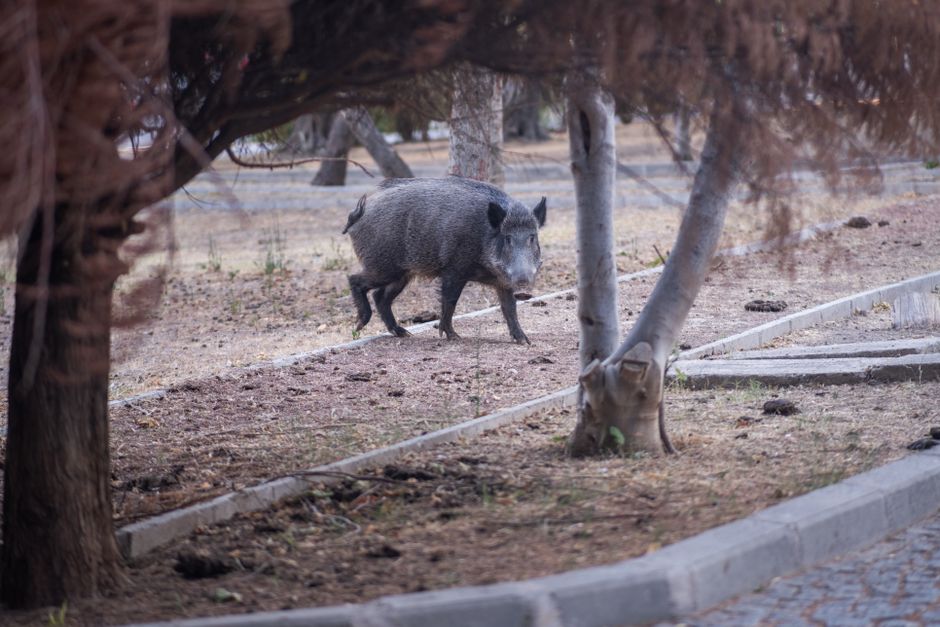
The jungle canopy is thick, the air humid and alive with the buzz of unseen insects. A faint rustle, then a distinct snort breaks the silence, sending a jolt of pure adrenaline through your veins. You grip your rifle, eyes scanning the dense undergrowth, heart hammering against your ribs. This isn't your backyard whitetail hunt; this is the primal pursuit of the Asian Wild Boar, an animal renowned for its intelligence, resilience, and sheer power.
Hunting Wild Boar across Asia offers an adventure unlike any other. From the steamy forests of Southeast Asia to the rugged hills of India and Japan, these formidable creatures provide an exhilarating challenge for any hunter. Known for their formidable tusks and aggressive demeanor when cornered, a successful boar hunt demands skill, patience, and respect for the wild. Whether you're a seasoned tracker or looking to embark on your first international hunting expedition, the Asian Wild Boar promises an unforgettable experience, testing your mettle against one of nature's most impressive adversaries. Get ready to dive into the world of Asian boar hunting – it's a journey you won't soon forget!
When to Go (Best Seasons and Times)
Hunting Asian Wild Boar is often dictated by local climate and boar behavior. Generally, these animals are crepuscular and nocturnal, meaning they are most active during dawn, dusk, and throughout the night, especially in hotter regions.
- Cooler, Drier Months: In many parts of Southeast Asia (e.g., Thailand, Vietnam, Indonesia), the cooler, drier months (typically November to February/March) are often preferred. The vegetation is less dense, making tracking and spotting easier, and the boar are more active during daylight hours as temperatures are more forgiving.
- Monsoon Season (with caution): While challenging due to heavy rains and thick mud, the early parts of the monsoon season (e.g., May-July in some regions) can concentrate boar near elevated, drier ground or specific food sources, potentially offering opportunities. However, navigating the terrain becomes significantly harder and less safe.
- Harvest Seasons: In agricultural areas (e.g., parts of India, Japan), hunting opportunities often increase around crop harvest times when boar are drawn to fields for food. This can vary significantly by crop and region.
- Time of Day: Focus your efforts during the first few hours after sunrise and the last few hours before sunset. Night hunting, often done with thermal or night vision optics, is also popular and effective where permitted, as boar are most active under the cover of darkness.
- Weather Patterns: Overcast days or periods following a light rain can be excellent. The cooler temperatures encourage boar activity, and damp ground makes tracking much easier. Avoid extremely windy days, as swirling winds make scent control difficult and mask sounds.
Always check with local outfitters or wildlife authorities for the specific best times in your chosen hunting region, as microclimates and local regulations can vary.
Where to Hunt (Top Locations)
Asian Wild Boar are widely distributed across the continent, offering a variety of hunting experiences. For international hunters, guided expeditions are almost always the most practical and safest approach.
- India: Known for its diverse wildlife, India offers opportunities for wild boar hunting, often managed through local government or private concessions. States like Rajasthan, Madhya Pradesh, and Uttar Pradesh have populations. Hunters often target boar as part of a larger plains game safari.
- Thailand: While specific "public hunting land" like in the US is less common, hunting is conducted through licensed outfitters on private land or designated hunting areas. Boar are abundant in forested and agricultural regions, particularly in the northern and western parts of the country.
- Vietnam: Similar to Thailand, hunting is primarily through licensed operations. The dense jungles and mountainous regions provide excellent habitat for wild boar, offering a truly wild and challenging experience.
- Indonesia (e.g., Java, Sumatra): Wild boar (often a different subspecies, Sus scrofa vittatus) are prolific and often considered a pest in agricultural areas. Hunting is typically organized through local guides or outfitters on plantations and in forested areas.
- Japan: While surprising to some, Japan has a robust population of wild boar, particularly in mountainous and rural areas where they can cause significant agricultural damage. Hunting is highly regulated and often involves local hunting associations. Opportunities exist on the main islands, Honshu and Kyushu.
- Malaysia: Both Peninsular Malaysia and Malaysian Borneo offer wild boar hunting, often organized through local communities or licensed operators, particularly in agricultural fringes and secondary forests.
When planning an international hunt, researching reputable outfitters in these regions is paramount. They will have the necessary permits, access to land, and expertise to ensure a safe and successful trip.
How to Hunt (Proven Techniques)
Hunting Asian Wild Boar is a test of stealth, patience, and quick decision-making. These animals are smart, have an incredible sense of smell, and are surprisingly fast.
Step-by-Step for Beginners:
- Scouting and Tracking: Begin by looking for fresh sign: tracks (often cloven hooves, larger than deer), rooting areas (disturbed soil where they've dug for food), rub marks on trees, and wallows (muddy depressions where they cool off and remove parasites). Focus on areas near water sources, dense cover, and food plots or agricultural fields.
- Wind Management: Always hunt with the wind in your favor. Boar have an exceptional sense of smell, and if they catch your scent, your hunt is over. Use a wind checker frequently.
- Still Hunting/Stalking: This is a primary method. Move slowly and deliberately through the habitat, pausing frequently to observe and listen. Take one step, then scan for several minutes. Use binoculars to peer into thick cover.
- Shot Placement: Once you spot a boar, aim for the vitals. The kill zone on a boar is slightly different from a deer due to their thick hide and bone structure, particularly the "shield" over their shoulders. A good shot is typically slightly forward and lower than a deer's heart/lung shot, aiming for the shoulder pocket just behind the leg to hit the heart and lungs. A head shot can be effective but is riskier.
- Follow-Up: Boar are incredibly tough. If your shot isn't immediately fatal, be prepared for a follow-up shot. Wait a reasonable amount of time before tracking, especially if you suspect a gut shot.
Advanced Tips:
- Driven Hunts (where permitted): In some Asian countries, driven hunts are common, especially for larger groups. Beaters push boar towards waiting hunters positioned at strategic points. This requires excellent communication and safety protocols.
- Baiting (where legal): If allowed by local regulations, setting up a bait station (e.g., fermented corn) can be highly effective for drawing boar into a specific area, especially for night hunting or stand hunting.
- Thermals/Night Vision: For nocturnal hunting, thermal or night vision optics are game-changers. Boar are most active after dark, and these tools dramatically increase your chances of spotting them. Always confirm local regulations regarding their use.
- Understand Boar Behavior: Learn to differentiate between a solitary boar, a sow with piglets (sounder), and a group of younger animals. Mature boars are often solitary and more wary. Be extremely cautious around sows with young, as they can be highly aggressive.
Who to Go With (Guides, Groups, or Solo)
For hunting Asian Wild Boar, particularly for international visitors, the recommendation is almost always to go with a reputable guide or outfitter.
- Guided Hunts: This is by far the most recommended option for international hunters.
- Pros: Guides possess invaluable local knowledge of the terrain, boar behavior, and regulations. They handle permits, provide access to hunting areas, and often supply transportation, accommodation, and meals. They also assist with tracking, recovery, and field dressing. For safety in unfamiliar and potentially dangerous terrain, a guide is essential.
- Cost Context: Guided hunts can range from a few hundred USD per day for a basic local guide to several thousand USD for multi-day, all-inclusive luxury safari-style experiences. Expect costs to be higher in regions with established hunting tourism.
- Reputable Outfitters: Look for outfitters with a proven track record in countries like India, Thailand, or even Japan, specializing in wild boar. Check reviews and references.
- Groups: Joining a hunting group organized by an outfitter can be a cost-effective way to experience a driven hunt or share expenses. It also adds a social element to the adventure.
- Solo DIY (Not Recommended for International Hunters): While local hunters might pursue boar solo on familiar land, it is highly discouraged for international visitors. Navigating foreign regulations, language barriers, dangerous terrain, and potentially dangerous animals without local expertise is incredibly risky and often illegal without proper permits and accompaniment.
Investing in a good guide ensures not only a higher chance of success but also a safer, more enjoyable, and legally compliant hunting experience in an unfamiliar environment.
Essential Gear Recommendations
Having the right gear is crucial for a successful and safe Asian Wild Boar hunt. Focus on durability, reliability, and functionality.
- Must-Have Gear:
- Rifle: A medium-bore rifle (e.g., .30-06, .308 Winchester, .300 Win Mag, 9.3x62mm) capable of delivering sufficient energy for thick-skinned animals. Ensure it's sighted in and you're proficient.
- Bolt-Action Hunting Rifle → Shop on Amazon
- Ammunition: High-quality, heavy-for-caliber bullets designed for deep penetration (e.g., bonded or monolithic bullets). Bring plenty.
- Premium Hunting Ammunition → Shop on Amazon
- Optics: A reliable scope with good light-gathering capabilities (e.g., 1.5-6x42 or 2-8x40). Binoculars (8x42 or 10x42) are essential for scouting.
- Quality Rifle Scope → Shop on Amazon
- Lightweight Binoculars → Shop on Amazon
- Clothing: Durable, quiet, breathable camouflage or drab-colored clothing suitable for warm, humid conditions. Long sleeves and pants are vital for protection against insects and thorny vegetation.
- Lightweight Camo Hunting Pants → Shop on Amazon
- Moisture-Wicking Hunting Shirt → Shop on Amazon
- Footwear: Sturdy, waterproof, broken-in hunting boots with good ankle support and aggressive tread.
- Waterproof Hunting Boots → Shop on Amazon
- Knife: A strong, sharp fixed-blade knife for field dressing.
- Full-Tang Hunting Knife → Shop on Amazon
- Headlamp: With red light option for preserving night vision.
- Durable Headlamp → Shop on Amazon
- Backpack: A comfortable daypack for carrying water, snacks, first-aid, and other essentials.
- Hydration Compatible Daypack → Shop on Amazon
- First-Aid Kit: Comprehensive, with insect repellent (DEET recommended), anti-itch cream, and any personal medications.
- Compact First Aid Kit → Shop on Amazon
- Water Bottle/Hydration Pack: Staying hydrated in Asian climates is critical.
- Insulated Water Bottle → Shop on Amazon
- Rifle: A medium-bore rifle (e.g., .30-06, .308 Winchester, .300 Win Mag, 9.3x62mm) capable of delivering sufficient energy for thick-skinned animals. Ensure it's sighted in and you're proficient.
- Budget-Friendly Alternatives:
- Instead of top-tier optics, consider well-regarded mid-range brands.
- Basic, durable hiking boots can substitute for specialized hunting boots if broken in.
- Any sturdy, sharp knife can work for field dressing, not necessarily a high-end hunting brand.
- Drab green or brown work clothes can replace specialized camo.
Consider bringing a sturdy rifle sling, shooting sticks or a bipod, and scent control sprays or clothing, especially if stalking. If night hunting is permitted and planned, a thermal monocular or rifle scope will be invaluable, though these are significant investments.
Expected Costs (Full Setup vs. Budget Version)
Hunting Asian Wild Boar as an international visitor involves several categories of expenses. These figures are estimates and can vary wildly based on location, outfitter, duration, and level of luxury.
Full Setup (High-End Guided Hunt):
- Guided Hunt Package (3-5 days): US$2,500 - US$7,000 (often quoted in USD, but paid in local currency or USD). This typically includes guide fees, accommodation, meals, permits, and transportation within the hunting area.
- Example in Thai Baht (THB): 80,000 - 230,000 THB
- Example in Indian Rupee (INR): 200,000 - 580,000 INR
- Flights (Round Trip International): US$1,000 - US$2,500+ (depending on origin and destination).
- Rifle/Ammunition (if purchased, or rental): US$1,500 - US$3,000+ for a good rifle and scope, plus US$100-200 for ammo. (Many outfitters offer rifle rental for US$50-150/day).
- Gear (High-end): US$1,000 - US$2,500 (clothing, boots, optics, pack, etc.).
- Permits/Licenses/Trophy Fees: US$200 - US$1,000 (highly variable by country and specific animal). Often included in package or paid separately.
- Taxidermy/Shipping (if applicable): US$500 - US$1,500+
- Travel Insurance/Medical Evacuation: US$200 - US$500
- Gratuities: US$300 - US$1,000+
Total Full Setup Estimate: US$7,000 - US$18,000+
Budget Version (Basic Guided Hunt, Renting Gear):
- Guided Hunt Package (3 days, basic): US$1,500 - US$3,000.
- Example in Thai Baht (THB): 50,000 - 100,000 THB
- Example in Indian Rupee (INR): 120,000 - 250,000 INR
- Flights (Economy, deals): US$800 - US$1,500.
- Rifle Rental & Ammunition: US$200 - US$500 (for a 3-day hunt).
- Gear (Budget-friendly/existing): US$300 - US$800 (using basic hiking gear, existing clothing).
- Permits/Licenses/Trophy Fees: US$100 - US$500.
- Travel Insurance: US$100 - US$250.
- Gratuities: US$150 - US$400.
Total Budget Version Estimate: US$3,000 - US$7,000+
Important Note on Licenses and Fees: License and tag fees are highly specific to each country and even region within a country. They can change annually. Always advise readers to check current regulations and fees with the relevant national or regional wildlife authority (e.g., Department of Wildlife and National Parks in Malaysia, Forest Department in India, or the specific outfitter who will handle these on your behalf) before planning their hunt. Ensure you understand what is included in your package and what additional fees you might incur.
Regulations and Conservation
Hunting Asian Wild Boar is subject to a complex patchwork of regulations that vary significantly from country to country, and even region to region. It is absolutely critical to understand and adhere to these local laws.
- Regulatory Authorities:
- In India, hunting is tightly controlled by the Forest Department and individual State Wildlife Departments.
- In Thailand, hunting is overseen by the Department of National Parks, Wildlife and Plant Conservation.
- In Malaysia, it's the Department of Wildlife and National Parks (PERHILITAN).
- In Japan, the Ministry of the Environment and local prefectural governments manage wildlife and hunting permits.
- Generally, for international hunters, a licensed outfitter or hunting agency will be your primary point of contact and will facilitate all necessary permits and licenses on your behalf.
- Key Regulatory Considerations:
- Permits and Licenses: You will require specific hunting licenses and permits, often including special permits for firearms if you bring your own (which can be very complex internationally) or permits for rented firearms.
- Season Dates: Hunting seasons are strictly defined.
- Bag Limits: Limits on the number of animals that can be harvested may apply.
- Legal Methods: Restrictions on hunting methods (e.g., baiting, night hunting, specific calibers, use of dogs) are common.
- Protected Areas: Hunting is strictly prohibited in national parks, wildlife sanctuaries, and other protected zones.
- Trophy Export: Regulations regarding the export of tusks or hides are often intricate and require specific CITES permits if the species (or a related one) is listed.
- Conservation Status and Population Considerations:
- The Wild Boar (Sus scrofa) is generally not considered an endangered species globally and is often abundant across its Asian range. In many agricultural regions, they are even considered a pest due to crop damage, leading to more liberal hunting regulations or culling programs.
- However, specific subspecies or local populations might face pressure from habitat loss or unregulated hunting. Ethical hunting practices, adhering to regulations, and supporting reputable outfitters contribute to sustainable wildlife management and conservation efforts by providing economic incentives for habitat preservation.
Crucial Advice: Before embarking on any Asian Wild Boar hunt, it is imperative to contact the relevant national or regional wildlife authority or a reputable, licensed outfitter directly to obtain the most current and accurate information on regulations, permit requirements, season dates, and fees. Laws can change frequently, and ignorance is not an excuse for non-compliance.
Pro Tips and Common Mistakes to Avoid
Hunting Asian Wild Boar is a truly wild endeavor. Here are some pro tips to boost your success and common mistakes to steer clear of:
Pro Tips:
- Master Scent Control: Boar have an incredible sense of smell. Pay obsessive attention to wind direction, use scent-eliminating sprays, and store hunting clothes separately.
- Patience is Paramount: These animals are wary. Still hunting requires slow, deliberate movements and long periods of observation. Don't rush your approach or your shot.
- Learn Their Habits: Boar are creatures of habit. Identify their feeding areas, bedding cover, travel corridors, and water sources. Fresh sign is key.
- Practice Shot Placement: Boar have a thick "shield" over their shoulders. Practice precise shot placement for the heart/lung area, which is typically lower and further forward than on a deer.
- Be Prepared for a Fight: A wounded boar can be extremely dangerous. Always approach a downed animal with caution and be ready for a follow-up shot.
- Hydrate and Protect: Asian climates are often hot and humid. Drink plenty of water, wear appropriate clothing for sun protection, and use strong insect repellent.
- Respect Local Culture: You're a guest in a foreign land. Be respectful of local customs, traditions, and your guide's advice.
Common Mistakes to Avoid:
- Ignoring the Wind: This is the single biggest mistake. If a boar smells you, it's gone.
- Under-Gunned or Inadequate Ammo: Don't bring a light-caliber rifle or soft-point bullets. You need penetration to anchor a tough boar.
- Rushing the Shot: Excitement can lead to poor shot placement. Take a breath, confirm your target, and make a clean shot.
- Not Following Up on Tracks: If you shoot and don't see the animal drop, always track. Boar can travel a surprising distance, even when mortally wounded.
- Improper Footwear: Blisters and sore feet will ruin your hunt. Invest in good, broken-in boots suitable for the terrain.
- Disregarding Your Guide's Advice: Your guide is the expert on local conditions and boar behavior. Listen to them!
- Underestimating the Danger: Wild boar are powerful animals. Never approach a live, wounded boar carelessly.
Conclusion
Hunting Asian Wild Boar is more than just a pursuit; it's an immersion into some of the world's most vibrant and challenging environments. The thrill of tracking a formidable animal through dense jungle, the adrenaline of a close encounter, and the satisfaction of a successful harvest make it an experience etched into memory. It's a hunt that demands respect, preparation, and a true appreciation for the wild.
Whether you choose to stalk through the Indian plains or navigate the forests of Southeast Asia, the Asian Wild Boar offers a unique adventure for the dedicated hunter. Remember to prioritize safety, adhere to all local regulations, and always hunt ethically. The call of the wild is strong, and the Asian boar is waiting.
Ready for another adventure? Next time, we'll dive into the world of Fishing for Giant Trevally – a powerful, hard-fighting species that will test your tackle and your resolve!
As an Amazon Associate I earn from qualifying purchases at no extra cost to you. Links above are affiliate search links — prices may vary. Generated 2026-07-27