
Catch Giant Tigerfish Like a Pro: Complete Fishing Guide
Introduction
The sun beats down on the mighty Zambezi, a shimmering ribbon of life carving its way through the African wilderness. You’re perched on the bow of a shallow-draft boat, the air thick with the scent of wild sage and damp earth. Suddenly, your guide points. A boil on the water, then another. You cast, the lure arcs perfectly, landing with a delicate plop near the disturbance. A heart-stopping instant later, the water explodes! Your rod doubles over, the reel screams, and a flash of silver, black stripes, and razor-sharp teeth erupts from the river. This isn't just fishing; this is an encounter with Africa's freshwater apex predator: the Giant Tigerfish.
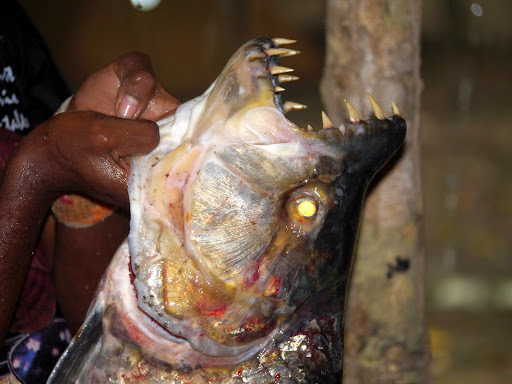
Known for its incredible speed, acrobatic leaps, and formidable dental work, the Giant Tigerfish (Hydrocynus goliath) offers an adrenaline-fueled challenge unlike any other. Pursuing these toothy titans is a test of skill, patience, and sheer nerve. From the moment they strike to the moment you (hopefully!) bring them boatside, every second is pure, unadulterated excitement. If you're ready to trade your everyday catch for a true African monster, then grab your gear – we're heading to the heart of the wild.
When to Go (Best Seasons and Times)
Timing is everything when chasing Giant Tigerfish, and the seasonal patterns of the African rivers dictate success. Generally, the dry season (typically May to October) is considered prime time. As water levels recede, the fish become more concentrated in the main river channels and deeper pools, making them easier to locate. This period also often coincides with baitfish migrations, creating feeding frenzies that an angler dreams of.
- June to August: Cooler temperatures and still-receding waters make for excellent conditions, particularly in Botswana's Okavango Delta and Zambia's Upper Zambezi.
- September to November: As the dry season progresses and temperatures rise, the water warms, increasing the tigerfish's metabolism and making them incredibly aggressive. This can be fantastic for topwater action. However, be prepared for intense heat.
- Rainy Season (December to April): While tigerfish are still present, high water levels, strong currents, and often murky conditions can make fishing challenging. The fish disperse into flooded areas, making them harder to target effectively.
Times of Day: Tigerfish are primarily visual predators and are most active during daylight hours. The early morning (first light) and late afternoon (last light) often provide the best action, as these are peak feeding times when baitfish are most vulnerable. However, they can be caught throughout the day, especially if there's good current or baitfish activity. Overcast days can also extend their feeding windows.
Where to Fish (Top Locations)
Giant Tigerfish are exclusively found in the freshwater systems of Africa. While they inhabit several major river basins, a few stand out as world-class destinations for anglers.
- Zambezi River (Zambia/Zimbabwe): The undisputed king of tigerfishing destinations. The Upper Zambezi, particularly around Livingstone, Zambia, and areas upstream of Victoria Falls, offers incredible opportunities. The river's braided channels, rapids, and deep pools are perfect tigerfish habitat.
- Okavango Delta (Botswana): This unique inland delta transforms seasonally, creating an intricate network of channels and lagoons. The panhandle region of the Okavango is renowned for its large tigerfish, with the advantage of crystal-clear waters in many areas.
- Lake Kariba (Zambia/Zimbabwe): One of the largest man-made lakes in the world, Kariba is home to a thriving tigerfish population. Trolling is a popular and effective method here, targeting the submerged structure and open water.
- Congo River (Democratic Republic of Congo): While less accessible for the average angler, the Congo River system is where the absolute largest Giant Tigerfish are found, often pushing and exceeding 100 pounds. This is a true expedition destination.
- Rufiji River (Tanzania): Flowing through the Selous Game Reserve, the Rufiji offers a wild and remote tigerfishing experience, often combined with a safari.
For beginners, the Upper Zambezi and the Okavango Delta are highly recommended due to the abundance of reputable fishing lodges and experienced guides who can put you on fish and teach you the ropes safely.
How to Fish (Proven Techniques)
Landing a Giant Tigerfish requires specific strategies due to their aggressive nature and formidable teeth.
Step-by-Step Approach for Beginners:
- Casting Accuracy: Tigerfish often ambush prey from structure or current breaks. Practice casting accurately to submerged logs, rocky outcrops, and eddies.
- Fast Retrieve: Unlike many freshwater species, tigerfish respond best to a fast, erratic retrieve. They are built for speed and will chase down fast-moving lures.
- Setting the Hook: When a tigerfish strikes, it's often violent. Resist the urge to yank. Instead, keep reeling fast and sweep the rod sideways with firm pressure. Their mouths are bony, and a solid hook set is crucial.
- Fighting the Fish: Tigerfish are powerful fighters, known for their blistering runs and aerial acrobatics. Keep constant pressure on the fish, and be prepared for sudden changes in direction. Pump the rod to gain line, but be ready to give line if it runs.
- Handling with Care: Due to their teeth, never handle a tigerfish directly by hand. Use a lip-grip or net, and always have pliers or jaw spreaders handy to remove hooks safely. Release them quickly and gently.
Advanced Tips:
- Varying Retrieves: While fast is generally good, experiment with stop-and-go retrieves, sudden twitches, or pauses to trigger strikes from hesitant fish.
- Targeting Structure: Focus on areas with current breaks, submerged trees, weed lines, and drop-offs. These are prime ambush points.
- Live Bait: In some regions, live bait (like small bream or tilapia) can be incredibly effective, especially for larger, more wary tigerfish. Drift live bait through deep holes or current seams.
- Topwater Explosions: During warmer months, especially in the mornings and evenings, topwater lures like poppers and walk-the-dog baits can produce spectacular, heart-stopping strikes.
Who to Go With (Guides, Groups, or Solo)
For Giant Tigerfish, especially for beginners or those new to Africa, going with a reputable guide or outfitter is highly recommended.
- Guided Trips: This is the safest and most effective option. Professional guides know the local waters, understand tigerfish behavior, and provide all necessary equipment (boats, tackle, safety gear). They also handle permits and logistics. Expect costs to range from $300 - $800 USD per person per day for a dedicated fishing day, often bundled into multi-day safari/fishing packages that can run $3,000 - $10,000+ USD for a week, depending on luxury level and inclusions.
- Reputable Outfitter Regions: Look for outfits operating out of Livingstone (Zambia), Kasane (Botswana), and the Okavango Delta. Companies like "African Waters," "Tourette Fishing," and various Zambezi River lodges have excellent reputations.
- Groups: Many outfitters cater to small groups, which can sometimes reduce the per-person cost. This is also a great way to share the experience with friends or family.
- Solo DIY: While possible in some accessible areas for experienced anglers with their own boats, it's generally not advisable for international visitors or those unfamiliar with the region. Navigating African rivers can be challenging, and safety and logistics are significant concerns. Without local knowledge, finding fish can be incredibly difficult.
Essential Gear Recommendations
Tackling Giant Tigerfish requires robust gear that can withstand their power and sharp teeth.
- Rods:
- Main Rod: Medium-heavy to Heavy spinning or casting rod (7-8 feet) with a fast action. Look for something rated for 15-30 lb line. St. Croix Mojo Bass Casting Rod → Shop on Amazon
- Budget Alternative: Ugly Stik GX2 Spinning Rod → Shop on Amazon
- Reels:
- Main Reel: High-quality spinning or baitcasting reel with a smooth, strong drag system. Size 4000-6000 for spinning, or a robust 200-300 size baitcaster. Shimano Saragosa SW A Spinning Reel → Shop on Amazon
- Budget Alternative: Penn Battle III Spinning Reel → Shop on Amazon
- Line:
- Main Line: 30-50 lb braided line. Braid offers superior strength, sensitivity, and casting distance. PowerPro Braided Spectra Fiber Fishing Line → Shop on Amazon
- Leader: Crucial! 40-80 lb single-strand wire leader (titanium or stainless steel) of at least 8-12 inches to prevent bite-offs. Fluorocarbon will not cut it. American Fishing Wire Surflon Micro Supreme Titanium Leader → Shop on Amazon
- Lures:
- Spoons: Heavy, flashy spoons (1-2 oz) in silver, gold, or copper are highly effective. Tony Acetta Pet Spoon → Shop on Amazon
- Crankbaits: Deep-diving, lipped crankbaits with strong hooks (2-4 inches) in natural baitfish patterns. Rapala Shad Rap Deep Runner → Shop on Amazon
- Spinnerbaits: Large, heavy-bladed spinnerbaits can be excellent, especially in stained water.
- Soft Plastics: Paddle-tail swimbaits on heavy jig heads.
- Topwater: Poppers and walk-the-dog lures for surface action. Heddon Super Spook Jr. → Shop on Amazon
- Terminal Tackle:
- Swivels: Heavy-duty barrel swivels (100+ lb test).
- Split Rings: Strong, heavy-duty split rings to replace weak ones on lures.
- Hooks: Replace treble hooks on lures with strong, 3X or 4X strong trebles.
- Essentials:
- Pliers/Jaw Spreaders: Absolutely critical for safe hook removal. Booms Fishing X1 Aluminum Fishing Pliers → Shop on Amazon
- Lip Grips: For safely handling the fish without touching its teeth. BogaGrip Fishing Tool → Shop on Amazon
- Sun Protection: Wide-brimmed hat, polarized sunglasses, long-sleeved UPF shirt, sunscreen.
- First-Aid Kit: Basic kit for cuts, scrapes, and insect bites.
- Camera: To capture those incredible moments!
Expected Costs (Full Setup vs. Budget Version)
The cost of a Giant Tigerfish adventure can vary significantly. Here’s a breakdown:
Full Setup (High-End Guided Trip):
- Flight (International): $1,500 - $3,000+ USD (round trip to Southern Africa, e.g., Johannesburg, Lusaka)
- Guided Fishing Package (7 days, all-inclusive, mid-range luxury): $4,000 - $8,000 USD (Includes accommodation, meals, guide, boat, some tackle, transfers)
- Fishing License/Permits: $50 - $200 USD (Depending on country/region. E.g., Zambia Department of Fisheries, Botswana Department of Wildlife and National Parks. Always check current fees directly with the relevant authority.)
- High-End Gear (Rod, Reel, Line, Lures, Tools): $800 - $1,500 USD
- Travel Insurance: $100 - $300 USD
- Tips for Guides/Staff: $300 - $800 USD
- Miscellaneous (Visa, souvenirs, extra drinks): $200 - $500 USD
- Total Estimated Cost: $7,000 - $15,000+ USD
Budget Version (More Basic Guided Trip / Shorter Duration):
- Flight (International): $1,200 - $2,500 USD (Look for deals, fly off-peak)
- Guided Fishing Package (3-4 days, basic lodge, shared boat): $1,500 - $3,500 USD (Can find options focusing solely on fishing without luxury add-ons)
- Fishing License/Permits: $50 - $200 USD
- Budget-Friendly Gear (Rod, Reel, Line, Basic Lures, Tools): $300 - $600 USD
- Travel Insurance: $80 - $200 USD
- Tips: $150 - $300 USD
- Miscellaneous: $100 - $300 USD
- Total Estimated Cost: $3,330 - $7,400+ USD
Remember, these are estimates. Always get detailed quotes from outfitters and check current license fees directly with the Zambia Department of Fisheries, Botswana Department of Wildlife and National Parks, or other relevant national/regional authorities before planning your trip.
Regulations and Conservation
Giant Tigerfish are a prized sportfish, and responsible angling is crucial for their long-term sustainability. Regulations vary by country and even by specific river sections.
- Catch and Release: This is the golden rule for Giant Tigerfish. While regulations may permit keeping a certain number of smaller fish for consumption, the emphasis on trophy tigerfish fishing is almost exclusively catch and release. Many lodges strictly enforce this policy.
- Bag Limits and Size Restrictions: Many regions will have specific bag limits (e.g., 0-5 fish per day) and minimum/maximum size limits. For instance, some areas may require all fish over a certain size (e.g., 8-10 lbs) to be released.
- Gear Restrictions: Some areas may have restrictions on the type of bait (e.g., no live bait taken from other waters) or the number of rods allowed.
- Permits: A valid fishing permit or license is almost always required. These are typically purchased through your guide/lodge or directly from the relevant government authority (e.g., Zambia Department of Fisheries, Botswana Department of Wildlife and National Parks).
Conservation Status: While not currently listed as endangered, habitat degradation, pollution, and overfishing in some localized areas pose threats. Practicing responsible catch and release, minimizing fish stress, and supporting conservation-minded operators helps ensure these incredible fish thrive for future generations. Always check the current regulations with the appropriate national or regional wildlife authority before going out.
Pro Tips and Common Mistakes to Avoid
Pro Tips:
- Sharpen Your Hooks: Tigerfish have incredibly bony mouths. Super sharp hooks are non-negotiable for a solid hook set.
- Inspect Leaders Often: Their teeth will nick and weaken wire leaders. Check your leader after every fish or snag, and replace it at the first sign of damage.
- Vary Retrieval Speed: While fast is key, don't be afraid to experiment. Sometimes a sudden pause or a burst of speed can trigger a strike.
- Fish the Current: Tigerfish love current breaks and eddies where baitfish are swept past. Focus your efforts there.
- Listen to Your Guide: African guides are incredibly knowledgeable about their local waters and fish behavior. Their advice is invaluable.
- Stay Hydrated: The African sun is intense. Drink plenty of water throughout the day.
- Bring a Good Camera: You'll want to capture the action and your trophy!
Common Mistakes to Avoid:
- Using Mono or Fluorocarbon Leaders: This is a guaranteed bite-off. Always use a strong wire leader.
- Slow Retrieve: A slow retrieve rarely entices a tigerfish. Speed is key.
- Not Re-tying/Checking Knots: The power of a tigerfish can test your knots. Check them frequently.
- Improper Hook Set: A gentle "lift" won't do. A firm, sideways sweep is needed to penetrate their bony jaws.
- Touching the Fish with Bare Hands: Those teeth are no joke. Always use lip grips or a net for handling.
- Forgetting Sun Protection: Sunburn and dehydration can quickly ruin a trip.
- Underestimating Their Power: These fish fight hard. Don't go light on your gear.
Conclusion
The pursuit of the Giant Tigerfish is more than just a fishing trip; it's an immersive adventure into the heart of wild Africa. From the explosive strike to the acrobatic leaps, every moment is etched into your memory. It's a test of skill, a battle of wills, and an experience that will leave you breathless and craving more. There's a reason these magnificent predators have earned their fearsome reputation, and to stand rod-in-hand against one is to truly understand the thrill of the chase.
So, if you're ready to answer the call of the wild, to pit your angling prowess against one of the planet's most formidable freshwater fish, then start planning your African tigerfish expedition today. The Zambezi, the Okavango, and the fight of a lifetime await. Tight lines, and may your next cast be the one that connects you with a true African legend!
Next time, we'll dive into the tactical world of hunting the elusive Cape Buffalo – stay tuned!
As an Amazon Associate I earn from qualifying purchases at no extra cost to you. Links above are affiliate search links — prices may vary. Generated 2026-07-26