
Hunt Axis Deer (India) Like a Pro: Complete Hunting Guide
Introduction
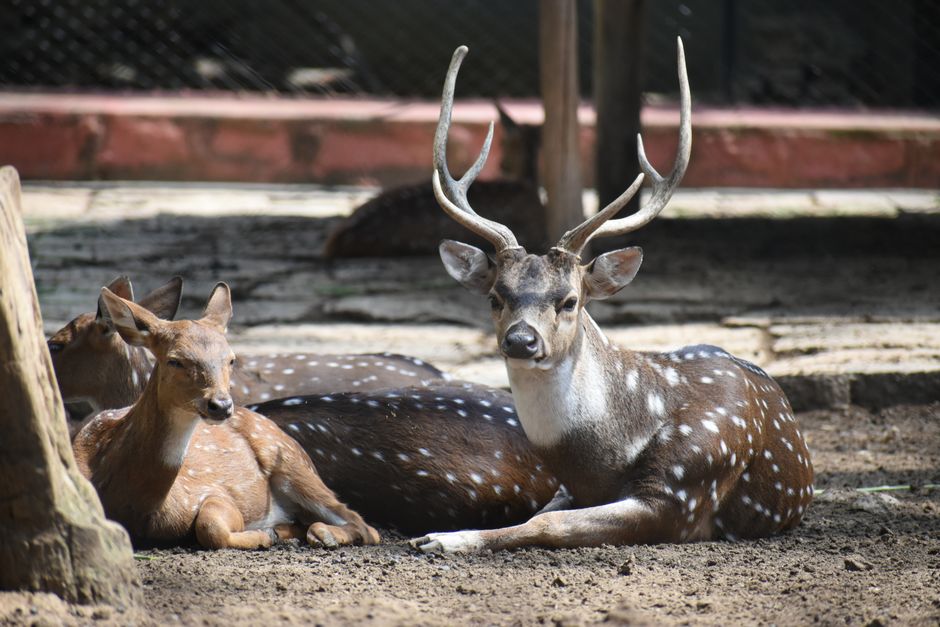
The morning mist hangs heavy over the Indian jungle, a symphony of exotic bird calls echoing through the dense foliage. Suddenly, a flash of chestnut and brilliant white spots breaks the emerald green – a mature Axis deer, or Chital, steps cautiously into a sun-dappled clearing. Its antlers, slender and elegant, reach skyward, a testament to its wild grace. With a nervous flick of its tail, it pauses, eyes wide, ears twitching, before melting back into the shadows. This is the essence of pursuing the Chital in its native land – a captivating dance of senses, patience, and deep respect for one of nature’s most beautiful creatures.
While the traditional sport Hunt of Axis deer (Chital) in their native India is largely a practice of the past, or restricted to highly regulated conservation and management initiatives, the pursuit of this magnificent deer remains a fascinating challenge. This guide will immerse you in the world of the Indian Chital, offering insights into their behavior, habitat, and the skills required to successfully track and observe them, preparing you for potential future, strictly controlled opportunities, or for applying these skills in regions where Axis deer are legally hunted as an introduced species. Understanding the Chital's world is the first step to becoming a true expert in their pursuit.
When to Go (Best Seasons and Times)
Axis deer, being a tropical species, do not exhibit the pronounced rutting season seen in many temperate deer. Instead, they can breed year-round, though peak fawning periods often coincide with the availability of lush forage following monsoon rains. This means opportunities to observe them, or engage in potential management activities, can arise throughout the year, but certain periods offer distinct advantages.
- Post-Monsoon (October to March): This is arguably the best time. The monsoon rains (June to September) rejuvenate the forests, providing abundant food and water. As the weather cools and dries from October onwards, the jungle becomes more accessible, and visibility improves significantly. Chital are often seen in larger herds grazing in open meadows and along forest edges. The cooler temperatures also make extended periods in the field more comfortable.
- Summer (April to June): As temperatures soar, Chital become more dependent on permanent water sources. This can make them more predictable, often congregating near rivers, lakes, and waterholes, especially during the cooler hours of early morning and late evening. However, the extreme heat can be challenging for hunters/observers and the animals themselves.
- Monsoon (June to September): While the jungle is at its most vibrant, heavy rains can make tracking difficult, obscure visibility, and create challenging travel conditions. Chital may also disperse more widely.
- Times of Day: Like most deer, Chital are crepuscular, meaning they are most active during dawn and dusk.
- Early Morning (First light to 9 AM): This is prime time. Chital emerge from their bedding areas to feed.
- Late Afternoon (4 PM to dusk): They resume feeding before bedding down for the night.
- Mid-day: During hot periods, they will often rest in dense cover, making them harder to locate.
Where to Hunt (Top Chital Habitats and Observation Zones)
While direct sport Hunting for Chital in India is generally prohibited under the Wildlife Protection Act, 1972, understanding their prime habitats is crucial for any form of pursuit, be it for photography, research, or in the rare event of government-sanctioned population management culls. Here are some of the best regions in India where Chital thrive, offering unparalleled opportunities for observation and ecological study:
- Kanha National Park, Madhya Pradesh: Renowned for its tiger population, Kanha's vast grasslands and sal forests are also home to thriving Chital herds. The open meadows provide excellent viewing opportunities.
- Bandhavgarh National Park, Madhya Pradesh: Another tiger reserve with a high density of Chital, particularly in the core zones where they form a crucial prey base for predators.
- Ranthambore National Park, Rajasthan: The dry deciduous forests and open grasslands around the ancient fort are excellent for spotting Chital, often seen near water bodies.
- Corbett National Park, Uttarakhand: India's oldest national park offers diverse habitats, from riverine areas to hilly terrain, all supporting healthy populations of Chital.
- Periyar National Park, Kerala: In the lush, tropical forests of South India, Periyar offers a different landscape, where Chital can be observed alongside elephants and other unique wildlife.
- Gir Forest National Park, Gujarat: The last bastion of the Asiatic lion, Gir's dry scrub forests and grasslands also hold a significant population of Chital.
These locations are primarily for wildlife observation and conservation. Any "hunting" activity would be strictly limited to government-managed scientific or population control culls, requiring specific, rare permits from the respective State Forest Departments and the Ministry of Environment, Forest and Climate Change.
How to Hunt (Proven Techniques for Pursuit and Observation)
Pursuing Axis deer, whether for observation or in a hypothetical controlled management scenario, requires stealth, patience, and a deep understanding of their behavior.
-
Still Hunting/Spot-and-Stalk:
- Slow Movement: Move incredibly slowly through known Chital habitat, pausing frequently to scan the surroundings with binoculars.
- Read the Wind: Chital have an exceptional sense of smell. Always keep the wind in your favor, moving into it or across it.
- Use Cover: Utilize natural terrain features, trees, and bushes to break up your silhouette and remain undetected.
- Listen: Chital are vocal. Listen for their alarm calls (a distinctive bark), as well as the alarm calls of other jungle animals (monkeys, peafowl) which can indicate the presence of Chital or predators.
-
Ambush/Stand Hunting:
- Identify Key Areas: Locate natural travel corridors, feeding areas (lush grasslands, areas with fallen fruit), and water sources.
- Concealment: Choose a vantage point (natural blind or elevated position) that offers good visibility while providing excellent concealment.
- Patience is Key: Chital can take hours to appear. Remain absolutely still and quiet.
Advanced Tips: * Herd Dynamics: Chital are highly social animals, often found in large herds. Focus on identifying the lead animals and understanding their movements. If one Chital senses danger, the entire herd will react. * Prey Awareness: Chital are constantly vigilant for predators like tigers, leopards, and wild dogs. Observing their behavior can tell you a lot – if they are agitated, there might be a predator nearby. * Seasonal Food Sources: Learn what Chital are feeding on in different seasons. During the dry season, they might focus on specific fruits or roots. During the monsoon, they'll graze on fresh grasses.
Who to Go With (Guides, Groups, or Solo)
Given the highly restricted nature of Chital pursuit in India, the concept of "who to go with" shifts from sport hunting outfitters to experienced local naturalists, forest guides, and conservation professionals.
- Guided Expeditions (Observation/Conservation): For an ethical and educational experience, engaging a local, certified wildlife guide or naturalist is paramount. These individuals possess invaluable knowledge of Chital behavior, local habitats, and the intricate ecosystem. They can help you navigate forest regulations and maximize your chances of a successful observation.
- Cost Context: Expect to pay for daily guide fees, park entry permits, and vehicle rentals. A reputable guide service for wildlife observation in a national park might range from ₹5,000 - ₹15,000 (approx. $60 - $180 USD) per day, not including accommodation or park fees.
- Forest Department Collaboration: In the extremely rare event of a government-sanctioned population management cull, participation would be by invitation or through official channels, typically involving collaboration with the State Forest Department or wildlife research organizations. This is not a "DIY" or commercial activity.
- Solo Exploration: While possible in accessible public areas outside protected zones, solo pursuit within wildlife sanctuaries requires official permits and is often discouraged for safety and regulatory reasons. It's generally not recommended for beginners due to the complexities of navigating unfamiliar terrain and wildlife encounters.
For any pursuit of Axis deer in India, always prioritize working with individuals or organizations officially recognized and permitted by the Indian authorities.
Essential Gear Recommendations
Pursuing Chital in India demands gear that is versatile, durable, and suited for varied terrain and weather, focusing on stealth and observation.
- Optics (Crucial for Observation):
- Binoculars: High-quality 10x42 or 12x50 binoculars are indispensable for spotting Chital in dense cover or at a distance. Zeiss Conquest HD 10x42 Binoculars → Shop on Amazon
- Spotting Scope: For extended observation from a fixed position, a 20-60x spotting scope can provide incredible detail. Vortex Optics Viper HD Spotting Scope → Shop on Amazon
- Clothing (Quiet and Camouflage):
- Lightweight, Breathable Layers: India's climate can be warm and humid. Choose quiet, quick-drying fabrics in natural, earthy tones or light camouflage patterns. Sitka Gear Ascent Shirt → Shop on Amazon
- Rain Gear: A lightweight, packable rain jacket and pants are essential, especially during or after the monsoon. Marmot PreCip Eco Jacket → Shop on Amazon
- Footwear (Comfort and Grip):
- Sturdy Hiking Boots: Waterproof, comfortable, and offering good ankle support for uneven terrain. Merrell Moab 3 Mid Waterproof Hiking Boots → Shop on Amazon
- Gaiters: To protect against thorns, leeches, and debris in dense undergrowth.
- Navigation & Safety:
- GPS Device/Smartphone with Maps: Crucial for staying oriented in unfamiliar terrain. Garmin inReach Mini 2 → Shop on Amazon
- First-Aid Kit: Comprehensive kit for minor injuries and emergencies.
- Headlamp/Flashlight: For early morning starts or late evening returns. Black Diamond Spot 400 Headlamp → Shop on Amazon
- Photography Gear (Highly Recommended):
- DSLR/Mirrorless Camera with Telephoto Lens: For capturing stunning images of Chital and other wildlife. Sony Alpha a7 IV with 200-600mm Lens → Shop on Amazon
- Budget-Friendly Alternatives:
- Optics: Bushnell Engage or Nikon Monarch series binoculars offer excellent performance without breaking the bank.
- Clothing: Durable outdoor clothing from local Indian brands or Decathlon can be a cost-effective alternative to specialized hunting apparel.
- Footwear: Well-broken-in sturdy trekking shoes can suffice if dedicated hiking boots are out of budget.
Expected Costs (Observation/Conservation Focus)
Since direct sport Hunting for Chital in India is not a readily available commercial activity, costs are primarily associated with travel, accommodation, park entry, and professional guide services for observation and conservation-focused trips. All figures are approximate and subject to change; always verify current fees.
- International Airfare (Round Trip to India): $800 - $1,500+ USD (depending on origin and time of year).
- Domestic Travel within India:
- Flights: $50 - $200 USD per leg.
- Train/Bus: $10 - $50 USD per journey (more budget-friendly).
- Private Car/Jeep with Driver: $40 - $100 USD per day (highly recommended for flexibility).
- Accommodation:
- Budget Guesthouses: $15 - $40 USD per night.
- Mid-Range Hotels/Resorts: $50 - $150 USD per night.
- Luxury Wildlife Lodges (near National Parks): $200 - $500+ USD per night.
- Park Entry Fees (per person, per day):
- For Foreigners: ₹1,500 - ₹2,500 (approx. $18 - $30 USD).
- For Indians: ₹200 - ₹500 (approx. $2.50 - $6 USD).
- Safari/Jeep Charges (per vehicle, per trip, up to 6 people):
- ₹3,000 - ₹6,000 (approx. $36 - $72 USD), plus guide fees.
- Professional Wildlife Guide/Naturalist:
- ₹2,000 - ₹5,000 (approx. $24 - $60 USD) per day.
- Food and Incidentals: $20 - $50 USD per day.
Total Estimated Cost for a 7-10 Day Observation Trip: * Budget Version: $1,500 - $2,500 USD (focus on local transport, budget stays, fewer safaris). * Mid-Range Version: $3,000 - $6,000 USD (comfortable travel, mid-range accommodation, regular safaris). * Full Setup (Luxury/Extensive Safaris): $7,000 - $15,000+ USD.
Licenses/Permits: No "hunting licenses" are issued for Axis deer in India for sport. Any permits for entry into national parks or for specific research/conservation activities must be obtained from the respective State Forest Department or the Ministry of Environment, Forest and Climate Change. Always advise readers to check current fees and requirements with the appropriate authority before planning their trip.
Regulations and Conservation
India has some of the most stringent wildlife protection laws in the world. The Axis deer (Chital) is a protected species under Schedule III of the Wildlife Protection Act, 1972. This means:
- Prohibition on Sport Hunting: Sport hunting of Chital is generally prohibited throughout India.
- Conservation Status: Chital populations are generally healthy and stable across their range in India, often serving as a key prey species for apex predators like tigers and leopards. Their conservation status is currently "Least Concern" by the IUCN, but their protection is vital for maintaining the health of India's ecosystems.
- Government-Managed Culls: In very rare instances, when Chital populations reach unsustainable levels in specific areas, leading to ecological imbalance or conflict with human settlements, the State Forest Department may authorize controlled culling operations. These are strictly managed by government wildlife officials and are not open to commercial sport hunters.
- Regulatory Authority: The primary regulatory authority is the Ministry of Environment, Forest and Climate Change (MoEFCC) at the national level, and the State Forest Departments at the regional level. All activities related to wildlife in India, including observation in protected areas, fall under their purview.
It is paramount for anyone venturing into India's wild spaces to understand and respect these laws. Always check the current regulations with the relevant State Forest Department or the MoEFCC before undertaking any activity that involves wildlife. Ignorance of the law is no excuse, and penalties for wildlife offenses are severe.
Pro Tips and Common Mistakes to Avoid
Pro Tips:
- Master the Art of Stillness: Chital have incredible eyesight and hearing. Practice remaining absolutely motionless for extended periods. Your movements must be slow, deliberate, and minimized.
- Learn Their Vocalizations: Listen for their distinct alarm bark, but also the subtle sounds of a content herd. Knowing the difference can tell you if they're relaxed or on edge.
- Focus on Edges: Chital often feed in open clearings but stay close to the dense cover of the forest edge for quick escape. Focus your attention on these transition zones.
- Track Other Wildlife: The presence and behavior of other animals (monkeys, peafowl, wild boar) can be excellent indicators of Chital activity or the presence of predators. If monkeys are alarm-calling, something is likely afoot.
- Patience with Optics: Spend significant time behind your binoculars, slowly scanning every patch of cover. Chital can blend in remarkably well, and often only a flick of an ear or a white spot will give them away.
- Respect the Environment: Leave no trace. Adhere to all park rules and regulations. Your presence should be as minimal impact as possible.
Common Mistakes to Avoid:
- Ignoring the Wind: Chital will smell you long before you see them if the wind is wrong. Always prioritize wind direction.
- Making Noise: Loud talking, rustling gear, or heavy footsteps will instantly alert Chital to your presence.
- Wearing Bright Colors: Avoid clothing that stands out. Stick to natural, muted tones.
- Underestimating the Terrain: Indian jungles can be dense, uneven, and hot. Be prepared physically and carry enough water.
- Disregarding Local Regulations: Attempting to pursue Chital without proper permits or in prohibited areas can lead to serious legal consequences. Always work with authorized personnel.
- Rushing the Experience: The beauty of pursuing Chital is in the journey and the observation. Don't rush or expect instant gratification. Enjoy the wilderness.
Conclusion
The pursuit of Axis deer in India is a profound experience, a journey into the heart of one of the world's most vibrant ecosystems. While the context here is primarily one of observation, conservation, and deep respect for wildlife, the skills required to successfully locate and understand the magnificent Chital are those of a true woodsman. From mastering the art of stealth to interpreting the subtle cues of the jungle, every moment spent in their domain is a lesson in patience, awareness, and ethical engagement with nature.
Embrace the challenge, immerse yourself in the rich tapestry of the Indian wilderness, and you'll find that the rewards of pursuing the Chital go far beyond any trophy. They lie in the unforgettable moments, the deep connection with the wild, and the invaluable understanding gained. So, pack your bags, hone your senses, and prepare for an adventure unlike any other. Next time, we'll delve into the exciting pursuit of another unique species, perhaps the mighty Sambar in the rugged hills of Southeast Asia.
As an Amazon Associate I earn from qualifying purchases at no extra cost to you. Links above are affiliate search links — prices may vary. Generated 2026-07-25