Catch Bar Jack Like a Pro: Complete Fishing Guide
Introduction
Imagine this: you're wading through crystal-clear, turquoise waters, the sun warming your skin, and the gentle rhythm of the waves lulling you into a state of pure bliss. Suddenly, a flash of iridescent blue and silver streaks past your ankles, a torpedo of pure speed and power. It’s a Bar Jack, and it’s just ignited your fishing senses! These vibrant, acrobatic game fish are a true treasure of the tropical shallows, offering an exhilarating and accessible angling experience that’s perfect for beginners and seasoned anglers alike. Their explosive strikes, incredible fight, and stunning beauty make them a sought-after target for anyone looking to experience the thrill of saltwater fishing in some of the world's most beautiful environments.
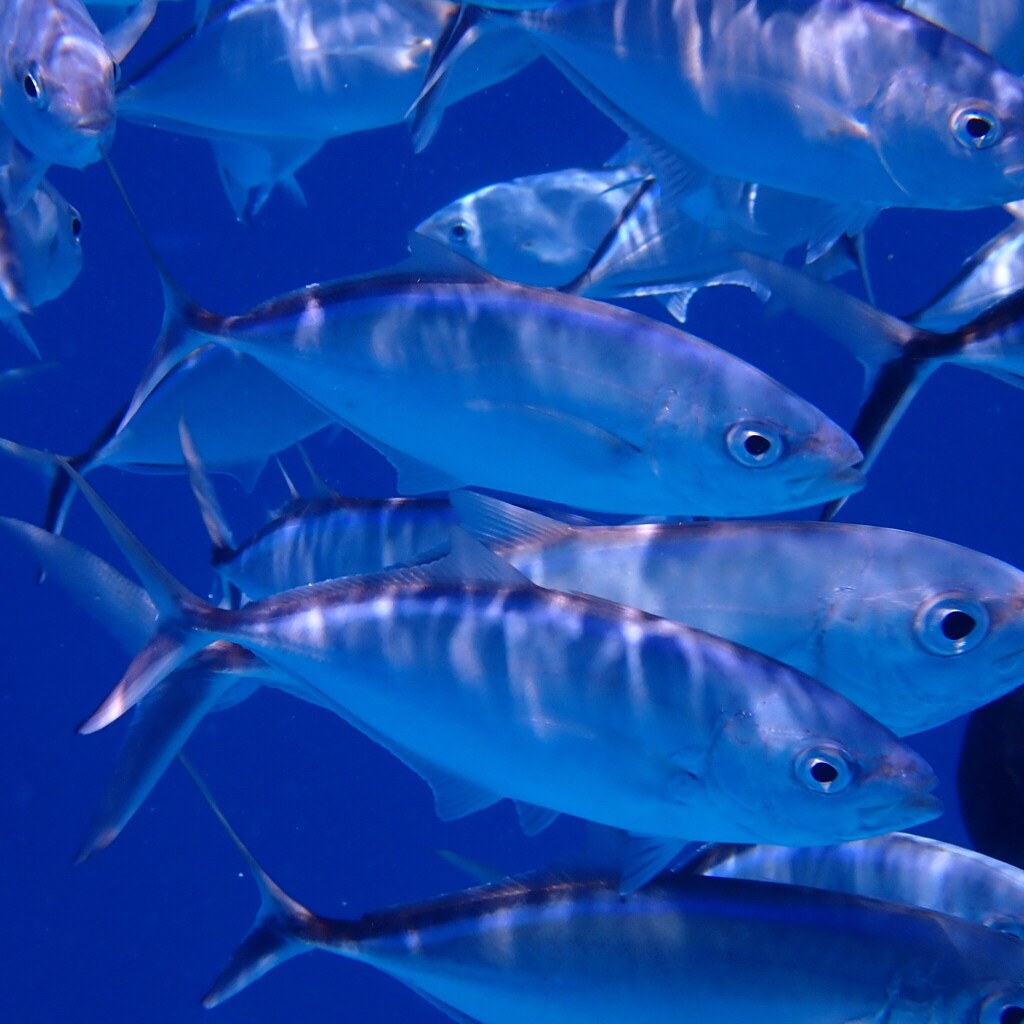
Bar Jack (Caranx ruber) are members of the jack family, renowned for their speed and aggressive nature. They inhabit the shallow coastal waters, reefs, and wrecks of the western Atlantic, from Bermuda and Florida down through the Caribbean and as far south as Brazil. While they can be found year-round in many of their habitats, their activity levels and accessibility can fluctuate with the seasons, making timing your trip crucial for the best experience. This guide will equip you with everything you need to know to successfully target these magnificent fish.
When to Go (Best Seasons and Times)
The beauty of fishing for Bar Jack is that they are present year-round in many of their prime locations. However, certain times offer more consistent action and better conditions.
Seasons: * Spring (March - May): This is often a prime time as waters warm up after winter. Bar Jack become more active, feeding aggressively. This is a fantastic period for clear water and comfortable fishing conditions in the Caribbean and Florida Keys. * Summer (June - August): While it can get hot, summer often brings excellent fishing. Look for calmer seas, especially in the early mornings and late afternoons, when Bar Jack are actively hunting. Hurricane season can bring unpredictable weather, so always monitor forecasts. * Fall (September - November): As temperatures begin to cool slightly, Bar Jack continue to feed well. This can be a great time for reduced crowds and still-warm waters, particularly in the southern parts of their range. * Winter (December - February): In the northern reaches of their range (like Florida), winter can see a decline in Bar Jack activity as waters cool. However, in the warmer Caribbean islands, they remain a viable target, especially in deeper channels and around reefs.
Times of Day: * Early Morning (Sunrise to 10 AM): This is often the golden hour. As the sun rises, baitfish become active, and Bar Jack are at their most aggressive, patrolling the shallows and reefs. * Late Afternoon (4 PM to Sunset): Similar to the morning, the approaching evening can trigger a feeding frenzy. The changing light can also make the water clearer for sight fishing. * Tide Changes: Bar Jack are often more active during moving tides, whether incoming or outgoing. The currents can concentrate baitfish, making them easier targets. Look for the hour before and after the peak tide.
Weather Patterns: * Calm Seas: For wading and shallow-water fishing, calm conditions are ideal. This allows for better visibility and stealth. * Partly Cloudy Days: While sunny days are great for sight fishing, a few clouds can provide some shade and make the fish less spooky. * Avoid Strong Winds: High winds can make casting difficult, stir up the water, and reduce visibility, making it harder to spot fish.
Regional Tips: * Florida Keys: The spring and fall offer the best balance of weather and fishing. Look for them around bridges, channels, and the edges of the reef system. * Caribbean Islands (Bahamas, Turks & Caicos, US Virgin Islands, Puerto Rico): These locations offer excellent year-round opportunities. Focus on the flats, mangrove edges, and nearshore reefs. The warmer waters mean consistent activity.
Where to Fish (Top Locations)
Bar Jack are found throughout the shallow coastal waters of the western Atlantic. Here are some fantastic and accessible locations to wet a line:
-
Florida Keys, USA: The entire chain, from Key Largo to Key West, offers abundant opportunities.
- Beginner-Friendly: Explore the flats and shorelines around Marathon or the Lower Keys. Many shallow areas are accessible from shore or by kayak. Look for areas with sea grass beds and sandy patches.
- Public Access: The Seven Mile Bridge area provides opportunities from shore. Many state parks offer access to flats.
- Regulations: Check with the Florida Fish and Wildlife Conservation Commission (FWC).
-
Bahamas: Renowned for its incredible flats fishing, the Bahamas are a mecca for shallow-water species.
- Beginner-Friendly: The shallow flats of Andros Island and the Exumas are incredibly productive and offer vast areas for wading.
- Well-Known Regions: The Berry Islands and Bimini are also excellent.
- Regulations: Check with the Bahamas Ministry of Agriculture and Marine Resources.
-
Turks and Caicos Islands: Famous for its stunning turquoise waters and healthy marine life.
- Beginner-Friendly: The extensive shallow flats surrounding Providenciales and North Caicos are teeming with Bar Jack.
- Regulations: Consult the Turks and Caicos Islands Department of Fisheries and Marine Conservation.
-
Puerto Rico: Offers a diverse range of fishing environments, from flats to reefs.
- Beginner-Friendly: The southern coast near Cabo Rojo and the eastern coast near Fajardo have accessible flats and mangrove areas.
- Regulations: Check with the Puerto Rico Department of Natural and Environmental Resources.
-
Belize: A fantastic destination with a vibrant coral reef system and extensive flats.
- Beginner-Friendly: The flats around Ambergris Caye and Caye Caulker are accessible and productive.
- Regulations: Consult the Belize Fisheries Department.
-
Bermuda: Known for its clear waters and rich fishing grounds.
- Beginner-Friendly: The shallow bays and nearshore areas around the island can hold Bar Jack, especially during warmer months.
- Regulations: Check with the Bermuda Department of Environment and Natural Resources.
How to Fish (Proven Techniques)
Bar Jack are opportunistic feeders, and their aggressive nature makes them susceptible to a variety of techniques. Here’s a breakdown for success:
1. For Beginners: Light Tackle Lure Fishing
This is arguably the most accessible and exciting way to catch your first Bar Jack.
- Step 1: Choose Your Lure: Small, flashy lures are key.
- Spoons: 1/4 to 1/2 ounce silver or gold spoons are classic and effective.
- Jigs: Small bucktail jigs (1/8 to 1/4 ounce) in white, chartreuse, or pink.
- Soft Plastics: Small shrimp or baitfish imitations on a jig head.
- Step 2: Find the Fish: Look for them in shallow flats, along the edges of drop-offs, around mangroves, or near any structure (rocks, coral heads, piers). They often travel in small schools.
- Step 3: The Cast and Retrieve:
- Sight Fishing: If you see a school or individual fish, cast slightly ahead of its path.
- Blind Casting: If you don't see them, cast to likely areas.
- Retrieve: Start with a steady, moderate retrieve. Vary your speed and add a few twitches to make the lure dart and flash, mimicking a fleeing baitfish.
- Step 4: The Strike and Fight: Bar Jack hit hard and fast. When you feel a tug, set the hook with a firm but not violent sweep of your rod. They are incredibly strong for their size, making rapid runs and acrobatic jumps. Keep your drag set correctly to absorb their powerful surges.
2. Advanced Tip: Fly Fishing
For the ultimate shallow-water challenge, fly fishing for Bar Jack is unparalleled.
- Flies: Small, sparse baitfish imitations are best.
- Clouser Minnows: In white/blue, white/chartreuse, or olive.
- Gotcha Flies: A classic for flats fishing.
- Shrimp Patterns: In natural colors.
- Technique:
- Accurate Casting: You’ll need to make precise casts to moving fish.
- Stripping: A fast, erratic strip is often needed to trigger a strike.
- Stealth: Approach slowly and avoid spooking the fish.
3. Advanced Tip: Live Bait
When lures aren't working, live bait can be irresistible.
- Bait: Small, lively baitfish like pilchards, sardines, or small mullet are ideal. Small shrimp also work well.
- Rigging:
- Carolina Rig: A simple setup with a weight, bead, swivel, and leader with a circle hook. This allows the bait to swim naturally.
- Free-Lining: For very shallow water, simply hook the bait and cast it out with minimal or no weight, letting it swim naturally.
- Presentation: Cast the bait into likely areas or to visible fish. Let the bait do the work.
Who to Go With (Guides, Groups, or Solo)
The choice of who to fish with depends on your experience, budget, and desired adventure.
-
Guided Trips:
- Pros: This is highly recommended for beginners, especially in international locations. Guides provide local knowledge, specialized equipment, and invaluable instruction. They know the best spots and the most effective techniques. They also handle licensing and ensure you're fishing legally.
- Cost Context: In the US (e.g., Florida Keys), a full day charter can range from $400 - $800 USD. In international destinations (e.g., Bahamas, Belize), prices can be similar or slightly higher, often including boat, guide, and sometimes lunch.
- Reputable Outfitter Regions: For international Bar Jack fishing, look for reputable outfitters in the Bahamas (especially Andros and Exumas), Turks & Caicos, Belize, and the US Virgin Islands.
-
Fishing with Friends/Family (DIY):
- Pros: More affordable, relaxed pace, and the joy of sharing the experience.
- Cons: Requires more planning, research, and potentially the purchase of your own gear. You'll need to be confident in your navigation and fishing skills.
- Cost Context: Significantly cheaper than guided trips, mainly covering gear, transportation, and licenses.
-
Solo Fishing:
- Pros: Ultimate freedom and control over your fishing. Great for focused practice and self-reliance.
- Cons: Can be challenging in unfamiliar waters or if you encounter issues. Safety is paramount, especially when wading or in remote areas.
- Cost Context: Similar to DIY with friends, but you bear the full cost of gear and licenses.
Essential Gear Recommendations
Having the right gear will significantly increase your chances of success and enjoyment.
-
Rod and Reel:
- Spinning Setup: A 6'6" to 7' medium-light to medium power spinning rod paired with a 2500 to 3000 size spinning reel is ideal. This offers good casting distance and the backbone to handle a Bar Jack's fight.
- Budget-Friendly Alternative: A reliable rod and reel combo from brands like Ugly Stik or Daiwa that fits the description above will suffice for starters.
- *Medium-Light Spinning Rod* → Shop on Amazon
- *3000 Size Spinning Reel* → Shop on Amazon
-
Line:
- Monofilament: 8-10 lb test monofilament is a good choice for its abrasion resistance and stretch, which helps absorb shock.
- Braided Line: 10-15 lb test braided line offers superior sensitivity and casting distance, but you’ll need a monofilament leader.
- *8lb Monofilament Fishing Line* → Shop on Amazon
-
Leader:
- Fluorocarbon Leader: 15-20 lb test fluorocarbon leader is highly recommended. It's nearly invisible in the water and offers excellent abrasion resistance.
- *20lb Fluorocarbon Leader* → Shop on Amazon
-
Lures and Terminal Tackle:
- Assorted Spoons: Silver, gold, and chartreuse.
- Small Bucktail Jigs: White, pink, yellow, chartreuse.
- Soft Plastic Baits: Shrimp and baitfish imitations.
- Assorted Hooks: Size 1/0 to 3/0 for jigs and live bait.
- *Assorted Fishing Spoons* → Shop on Amazon
- *Fishing Jigs* → Shop on Amazon
- *Fishing Hooks* → Shop on Amazon
-
Wading Gear (if applicable):
- Wading Shoes/Boots: Non-slip soles are crucial for safety on reef or rocky bottoms.
- Sun Protection: Wide-brimmed hat, polarized sunglasses (essential for sight fishing), and sun-protective clothing.
- *Wading Boots* → Shop on Amazon
- *Polarized Fishing Sunglasses* → Shop on Amazon
-
Other Essentials:
- Pliers: For hook removal.
- Line Cutters: For trimming line.
- Small Bag or Vest: To carry tackle.
- *Fishing Pliers* → Shop on Amazon
Expected Costs (Full Setup vs. Budget Version)
Here’s a breakdown of potential costs for a Bar Jack fishing trip:
Full Setup (DIY, assuming you need to buy all gear):
- Rod & Reel Combo: $150 - $300 USD
- Line, Leader, Hooks: $30 - $50 USD
- Lures & Jigs: $50 - $100 USD
- Wading Gear (Shoes, Hat, Sunglasses): $100 - $250 USD
- Fishing License (Varies by location): $17 (Florida annual non-resident) - $50+ USD
- Transportation & Accommodation: Highly variable, but budget at least $500 - $2000+ USD for a trip.
Total DIY Full Setup: $800 - $2900+ USD (excluding travel and accommodation)
Budget Version (DIY, using existing gear or lower-cost options):
- Rod & Reel Combo (Budget): $75 - $150 USD
- Line, Leader, Hooks: $20 - $40 USD
- Lures & Jigs (Basic Selection): $30 - $60 USD
- Wading Gear (Basic Shoes, Sunglasses): $50 - $100 USD
- Fishing License: $17 - $50+ USD
- Transportation & Accommodation: Highly variable.
Total DIY Budget Version: $192 - $400+ USD (excluding travel and accommodation)
Guided Trip (Per Day):
- US Locations (Florida Keys): $400 - $800 USD
- International Locations (Bahamas, Belize): $500 - $900+ USD (often includes lunch and sometimes bait)
Note: Always check current license fees and charter rates for your specific destination.
Regulations and Conservation
Understanding and adhering to local fishing regulations is crucial for a sustainable and enjoyable experience. Bar Jack populations are generally healthy, but responsible angling ensures their continued abundance.
-
Regulations:
- Size Limits: Some jurisdictions may have minimum or maximum size limits for Bar Jack.
- Bag Limits: There are often limits on the number of fish you can keep per person per day.
- Gear Restrictions: In some sensitive areas, certain types of fishing gear or methods might be restricted.
- Protected Areas: Be aware of marine protected areas or no-fishing zones.
-
Conservation:
- Catch and Release: For many anglers, practicing catch and release is the norm, especially if you're not planning to eat the fish. This helps maintain healthy populations.
- Handle with Care: If you are keeping a fish, handle it minimally and quickly. If releasing, revive it properly by holding it gently in the water until it can swim away strongly.
- Avoid Overharvesting: Be mindful of bag limits and only keep what you intend to eat.
Always check the most current regulations with the relevant authority before your trip: * For US waters: Consult the state's Fish and Wildlife Agency (e.g., Florida FWC). * For International waters: Consult the national or regional fisheries department or ministry (e.g., Bahamas Ministry of Agriculture and Marine Resources, Belize Fisheries Department).
Pro Tips and Common Mistakes to Avoid
Here are some insider tips to help you land more Bar Jack and avoid common pitfalls:
Pro Tips:
- Stealth is Key: Bar Jack in shallow water can be very spooky. Approach them slowly and deliberately, especially when wading or fishing from a kayak.
- Watch for Bait Schools: Bar Jack are often found where baitfish are present. Look for diving birds or disturbances on the surface that indicate bait activity.
- Vary Your Retrieve: Don't be afraid to experiment with different retrieve speeds and actions. A sudden stop or erratic twitch can trigger a strike.
- Fish the Structure: Bar Jack love to hang around reefs, wrecks, mangroves, and bridge pilings. These are prime ambush points.
- Keep Your Drag Light: Bar Jack are powerful fighters. Setting your drag correctly will prevent them from breaking your line during their initial runs.
- Polarized Sunglasses are Non-Negotiable: They are essential for spotting fish in the glare of the water.
- Learn the "Jack Crevalle" Approach: While this guide is for Bar Jack, many techniques for their larger cousins, Jack Crevalle, can also be effective.
Common Mistakes to Avoid:
- Spooking the Fish: Moving too quickly or making too much noise in shallow water.
- Drag Set Too Tight: Leading to broken lines when the fish makes a powerful run.
- Over-Retrievinng: Casting and reeling as fast as possible without varying the speed or action.
- Ignoring the Tides: Fishing during slack tide when fish are less active.
- Not Using a Leader: Bar Jack have abrasive mouths, and a leader protects your main line from cuts.
- Poor Hookset: Not setting the hook firmly enough, or setting it too hard and ripping the lure out of the fish's mouth.
Conclusion
Bar Jack fishing offers an incredible combination of stunning scenery, exhilarating action, and accessible angling. Whether you're a complete beginner looking for your first saltwater adventure or an experienced angler seeking a new challenge, these vibrant fish deliver an unforgettable experience. Their willingness to strike lures, their explosive fights, and their presence in some of the most beautiful aquatic environments on earth make them a truly rewarding target.
So, grab your gear, head to the coast, and get ready to feel the thrill of a Bar Jack on the end of your line. The clear, warm waters are calling!
What's next? In our next post, we'll dive into the world of Bonefishing, another flats favorite that will test your stealth and casting skills!
As an Amazon Associate I earn from qualifying purchases at no extra cost to you. Links above are affiliate search links — prices may vary. Generated 2026-07-22