
Hunt Desert Bighorn Sheep Like a Pro: Complete Hunting Guide
Introduction
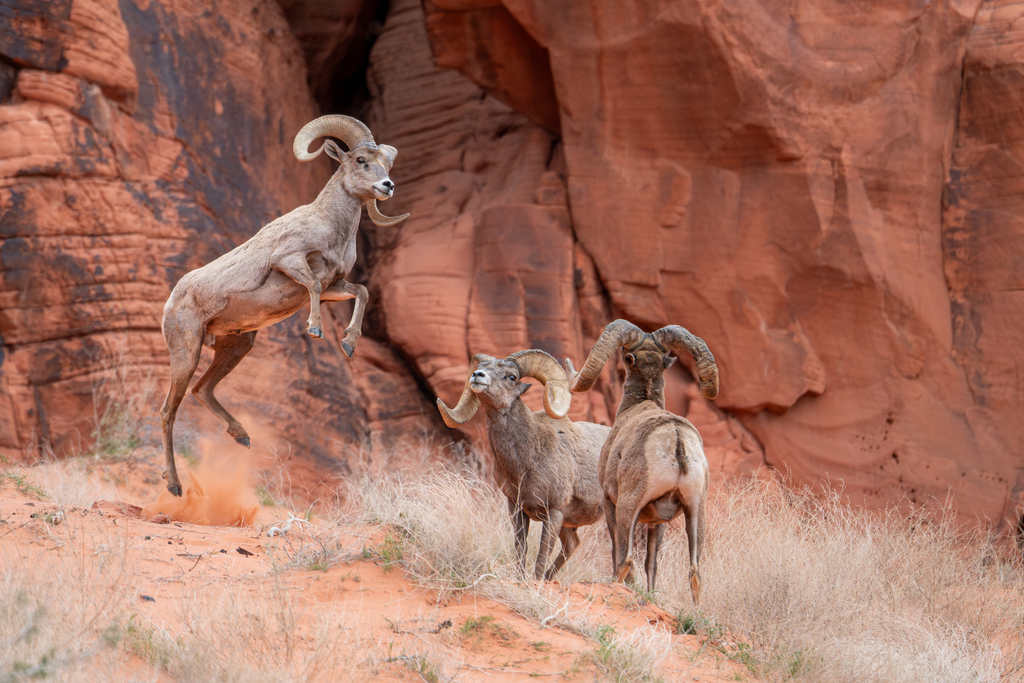
The midday sun beat down on the rugged, sun-baked slopes of the Sonoran Desert, the air shimmering with heat. Then, a flicker of movement. High on a rocky outcrop, silhouetted against the impossibly blue sky, a magnificent ram stood, his massive, curled horns catching the light. He surveyed his domain with an ancient, almost regal air. This is the essence of hunting Desert Bighorn Sheep – a primal dance with one of North America's most iconic and elusive wild ungulates. Pursuing these desert dwellers is not just about the hunt; it's about immersing yourself in some of the planet's most breathtaking, and often unforgiving, landscapes. It’s a test of patience, skill, and endurance, rewarding those who embrace the challenge with an unforgettable experience. The desert's stark beauty and the sheep's incredible adaptability make them a dream quarry for any serious hunter.
When to Go (Best Seasons and Times)
The pursuit of Desert Bighorn Sheep is largely dictated by their breeding season, known as the rut, and the subsequent hunting seasons established by wildlife agencies.
- Rut Season (Late Summer to Winter): This is generally the prime time for hunting, typically running from August through January, depending on the specific state or management unit. During the rut, rams are more active, often moving to lower elevations in search of ewes, making them more visible. Their territorial behavior can also lead to more predictable patterns.
- Mornings and Evenings: Like most game animals, Desert Bighorn Sheep are most active during the cooler parts of the day. Early mornings, just after dawn, and late evenings, leading up to dusk, are your best bets for spotting them on the move. Midday heat can cause them to seek shade and become less active, especially in the hotter months.
- Weather Patterns: While the desert can be brutally hot, occasional monsoon rains in the summer can bring temporary relief and encourage vegetation growth, potentially drawing sheep to new feeding areas. Cooler, crisp fall and winter weather can make for more comfortable hunting conditions and increase ram activity.
Regional Tips: * Arizona & Nevada: Seasons often open in late summer/early fall, with some units extending into winter. Be prepared for extreme heat if hunting early in the season. * California: Similar to Arizona and Nevada, with seasons typically opening in the fall. * Texas (Trans-Pecos): Hunting opportunities here are often through limited permits and can occur in the fall and winter months.
Crucially, always consult the current regulations for the specific state and unit you plan to hunt, as seasons and bag limits vary significantly.
Where to Hunt (Top Locations)
Desert Bighorn Sheep inhabit some of the most rugged and remote terrain in the American Southwest. Public land opportunities, though often requiring significant effort to access, are the most accessible for most hunters.
- Arizona - Kofa National Wildlife Refuge: This iconic refuge offers some of the most sought-after tags for Desert Bighorn Sheep. While tags are highly limited and often awarded through drawings, the sheer number of sheep and the challenging, yet rewarding, terrain make it a premier destination. Access requires planning and often a high-clearance 4x4 vehicle.
- Nevada - Desert National Wildlife Refuge: Spanning over a million acres, this refuge is home to a substantial Desert Bighorn Sheep population. Like Arizona, tags are limited, but it represents a significant public land hunting opportunity. The vastness of the refuge means extensive scouting and hiking are often necessary.
- California - Anza-Borrego Desert State Park (Limited Hunts): While much of the park is protected, limited hunting opportunities for Desert Bighorn Sheep exist in specific areas under strict regulations. These are typically highly sought-after tags.
- Utah - Southern Utah Units: Several units in southern Utah, particularly those in the more arid, mountainous regions, support healthy Desert Bighorn Sheep populations. These areas can offer challenging hunts on public lands.
- Texas - Trans-Pecos Region (Public and Private Lands): While many hunts in Texas are on private ranches, there are limited public land opportunities in the vast Trans-Pecos region, which includes areas like the Black Gap Wildlife Management Area. This region is known for its rugged mountains and canyons.
- New Mexico - Gila National Forest: This expansive forest offers opportunities to hunt Desert Bighorn Sheep in its more remote, mountainous sections. Access can be challenging, but the rewards are significant.
Beginner-Friendly Tip: While "beginner-friendly" is relative when hunting Desert Bighorn Sheep, focusing on units with more accessible terrain (though still rugged) and potentially less pressure can be a starting point. However, thorough research and physical preparation are paramount regardless of the location.
How to Hunt (Proven Techniques)
Hunting Desert Bighorn Sheep is a game of patience, observation, and strategic movement.
Step-by-Step Approach for Beginners:
- Scout Extensively: Before the season, spend as much time as possible in your chosen hunting area. Use binoculars and spotting scopes to glass potential sheep habitats – south-facing slopes, rocky outcrops, and areas with available water sources. Look for tracks, droppings, and rubs.
- Understand Sheep Behavior: Learn their daily routines. They often bed down on high, inaccessible ledges during the heat of the day and feed in the mornings and evenings. They are incredibly aware of their surroundings due to their keen eyesight and hearing.
- Master Glassing: This is your most important tool. Spend hours scanning the landscape. Look for subtle movements or shapes that don't belong. Learn to differentiate sheep from rocks, especially at a distance.
- Plan Your Approach: Once you spot a ram, carefully plan your stalk. Consider the wind direction (always hunt with the wind in your face or quartering), the terrain, and the sheep's line of sight. Avoid silhouetting yourself on ridgelines.
- Patience is Key: Sheep are wary. Rushing a stalk is a recipe for disaster. Be prepared to wait for the right moment, for the ram to present a clean shot, or for him to move into a more advantageous position.
- The Shot: Desert Bighorn Sheep are typically hunted at longer ranges due to the open terrain. Ensure you are proficient with your rifle at these distances. A steady rest is crucial.
Advanced Tips:
- Water Source Surveillance: During drier periods, sheep will congregate around reliable water sources. Scouting these areas and observing from a distance can reveal prime opportunities.
- Utilize Natural Cover: When stalking, move from rock to rock, using the terrain to break up your silhouette and hide your movement.
- Learn to Read the Wind: The desert wind can be unpredictable. Use a wind-checker (like a small pouch of powder) to constantly monitor its direction.
Who to Go With (Guides, Groups, or Solo)
The decision to hunt Desert Bighorn Sheep guided, with a group, or solo depends heavily on your experience, budget, and risk tolerance.
- Guided Hunts: For most hunters, especially those unfamiliar with the desert environment or the intricacies of sheep hunting, hiring a reputable guide is highly recommended. Guides possess invaluable local knowledge, have established scouting networks, and can navigate the challenging terrain safely.
- Cost Context: Guided hunts for Desert Bighorn Sheep are among the most expensive in North America, often ranging from $7,000 to $15,000+ USD, depending on the state, duration, and success rate of the outfitter. This typically includes accommodation, meals, transportation in the field, and guiding services. License and tag fees are usually separate.
- Reputable Outfitter Regions: Arizona, Nevada, and Utah have numerous experienced outfitters. Texas also has guides specializing in the Trans-Pecos region.
- Hunting with a Group: If you have experienced friends who are also passionate about sheep hunting, pooling resources and knowledge can be beneficial. This can help with scouting, sharing the workload of packing out an animal, and providing a safety net in remote areas. However, ensure everyone is on the same page regarding hunting ethics and strategy.
- Solo Hunting: This is the most challenging but potentially the most rewarding option. It requires exceptional physical fitness, navigation skills, extensive scouting, and a deep understanding of sheep behavior. Solo hunters must be self-sufficient and prepared for any eventuality. This is generally not recommended for beginners.
Essential Gear Recommendations
Investing in the right gear is crucial for success and safety when hunting Desert Bighorn Sheep.
Must-Have Gear:
- High-Quality Binoculars: Essential for spotting sheep at long distances.
- Vortex Optics Diamondback HD 10x42 Binoculars → Shop on Amazon
- Spotting Scope and Tripod: For detailed examination of distant rams and confirming horn curl.
- Leupold SX-1 Ventana 2 20-60x80mm Spotting Scope → Shop on Amazon
- Vanguard VEO 2 AM-265T Tripod → Shop on Amazon
- Durable, Breathable Hiking Boots: Broken-in and comfortable for long days on rocky terrain.
- Crispi Summit II GTX Boots → Shop on Amazon
- Lightweight, Breathable Hunting Clothing: Layering is key for fluctuating desert temperatures. Opt for earth-toned camouflage.
- Sitka Gear Ascent Pant and Shirt → Shop on Amazon
- Backpack (60-80 Liter): Capable of carrying essentials for a full day, plus meat if successful.
- Mystery Ranch Metcalf Backpack → Shop on Amazon
- Water Filtration System or Purification Tablets: Staying hydrated is paramount.
- Sawyer Squeeze Water Filter → Shop on Amazon
- Sun Protection: Wide-brimmed hat, sunglasses, and high SPF sunscreen.
- Navigation Tools: GPS device or reliable navigation app, and a physical map and compass.
- Garmin GPSMAP 66i → Shop on Amazon
- First-Aid Kit: Comprehensive kit for minor injuries.
- Rifle and Ammunition: A reliable rifle chambered in a suitable caliber (e.g., .270 Win, .300 Win Mag) for long-range shooting.
- Browning X-Bolt Hell's Canyon Speed → Shop on Amazon
- Hunting Knife and Sharpener: For field dressing.
- Havalon Piranta Edge Folding Knife → Shop on Amazon
Budget-Friendly Alternatives:
- Binoculars: Look for brands like Nikon or Celestron for good value optics.
- Spotting Scope: Entry-level scopes from Bushnell or Simmons can be adequate for initial scouting.
- Hiking Boots: Brands like Merrell or Keen offer durable options at a lower price point.
- Clothing: Consider brands like Columbia or Cabela's for affordable, functional hunting apparel.
- Backpack: Look for offerings from brands like Osprey or Kelty.
- Water Filter: Basic pump filters from brands like MSR are effective and affordable.
Expected Costs (Full Setup vs. Budget Version)
The cost of hunting Desert Bighorn Sheep can vary dramatically.
Full Setup (Guided Hunt):
- License/Tag: This is often the most variable cost and can range from $300 - $2,000+ USD depending on the state and whether it's a draw tag or a landowner voucher. Many states have limited draw systems where tags are very difficult to obtain.
- Guided Hunt Fee: $7,000 - $15,000+ USD.
- Rifle & Optics: $1,500 - $4,000+ USD.
- Clothing & Footwear: $500 - $1,500+ USD.
- Other Gear (Backpack, Navigation, etc.): $500 - $1,000+ USD.
Total Estimated Cost (Guided): $9,800 - $23,500+ USD
Budget Version (DIY, assuming you already own a rifle and some basic gear):
- License/Tag: $300 - $2,000+ USD.
- Travel & Fuel: Highly variable, but budget $300 - $800+ USD.
- Accommodations (Camping/Basic Motels): $100 - $300+ USD.
- Food: $100 - $200+ USD.
- Essential New Gear (Binoculars, Boots, Water Filter, etc.): $700 - $1,500+ USD.
Total Estimated Cost (DIY): $1,500 - $4,800+ USD (This assumes you have a suitable rifle and some base clothing. This is a very rough estimate and can be significantly higher if you need to purchase all new gear).
Crucially, always check the current license and tag fees with the relevant state wildlife agency well in advance of applying for or purchasing any permits.
Regulations and Conservation
Hunting Desert Bighorn Sheep is a privilege, and strict regulations are in place to ensure the long-term health of these populations.
- Limited Entry Permits: Most states manage Desert Bighorn Sheep hunting through highly limited draw systems. This means you apply for a chance to purchase a tag, and the odds can be very low. Some states offer bonus point systems to increase your odds over time.
- Specific Units and Seasons: Tags are typically unit-specific, and seasons are carefully timed to minimize impact on the sheep population, especially during critical breeding and lambing periods.
- Ram Only: Regulations almost universally restrict hunters to taking only mature rams. This is crucial for population management and ensuring breeding success. The definition of a "mature ram" can vary by state (e.g., full curl or better).
- Tagging and Reporting: Successful hunters must immediately tag their animal and report their harvest to the relevant wildlife agency within a specified timeframe.
- Conservation Status: Desert Bighorn Sheep populations have faced significant challenges due to habitat loss, disease, and competition with domestic livestock. Conservation efforts, including habitat restoration and disease management, are ongoing. Hunting, when managed responsibly with limited permits, plays a role in funding these conservation initiatives.
Always, always, always consult the most current regulations published by the state wildlife agency (e.g., Arizona Game and Fish Department, Nevada Department of Wildlife, Texas Parks and Wildlife Department) for the specific unit you intend to hunt. Failure to comply can result in severe penalties.
Pro Tips and Common Mistakes to Avoid
Pro Tips:
- Master Your Optics: Spend more time behind your binoculars and spotting scope than you think you need to. Sheep are masters of camouflage.
- Understand Sheep Physiology: Know what to look for in a mature ram. Learn to judge horn curl and body condition from a distance.
- Embrace the Hike: Sheep live in rugged terrain. Be prepared for strenuous climbs and descents. Physical fitness is non-negotiable.
- Scout Water Sources: Especially during warmer months, water is a magnet for sheep.
- Listen Carefully: Sheep are not silent. Listen for the distinct sound of their hooves on rock, or the jingle of their bells if they are carrying them.
- Practice Long-Range Shooting: You will likely be shooting at distances beyond 300 yards. Practice shooting from various improvised rests in realistic conditions.
- Leave No Trace: Pack out everything you pack in. Respect the fragile desert environment.
Common Beginner Mistakes:
- Underestimating the Terrain: Thinking you can simply walk to sheep habitat. It's often steep, loose, and unforgiving.
- Rushing the Stalk: A hurried approach will almost always result in the sheep spotting you and fleeing.
- Shooting Too Quickly: Taking a shot at a distant or partially obscured ram without confirming it's a legal, ethical shot.
- Ignoring the Wind: A single gust of wind in the wrong direction can spoil your entire stalk.
- Not Carrying Enough Water: Dehydration is a serious threat in the desert.
- Lack of Physical Preparation: Expecting to be able to hike for days in sheep country without proper conditioning.
- Failing to Check Regulations: Assuming you know the rules without verifying the latest updates.
Conclusion
Hunting Desert Bighorn Sheep is an endeavor that transcends the typical hunting experience. It’s a journey into some of the most elemental landscapes on Earth, a test of your resolve, and a chance to connect with a truly magnificent wild animal. The challenges are immense, from the demanding terrain and extreme weather to the elusive nature of the sheep themselves. But the rewards – the breathtaking vistas, the profound sense of accomplishment, and the memory of standing in the presence of a wild desert king – are immeasurable. It’s a pursuit that builds character and instills a deep respect for nature.
If you're ready for an adventure that will push your limits and reward you with unparalleled experiences, start planning your Desert Bighorn Sheep hunt. The desert calls.
Next time, we'll be venturing into the dense forests to explore the thrilling pursuit of the Roosevelt Elk. Stay tuned!
As an Amazon Associate I earn from qualifying purchases at no extra cost to you. Links above are affiliate search links — prices may vary. Generated 2026-07-21