Catch Yellowstone Cutthroat Trout Like a Pro: Complete Fishing Guide
Introduction
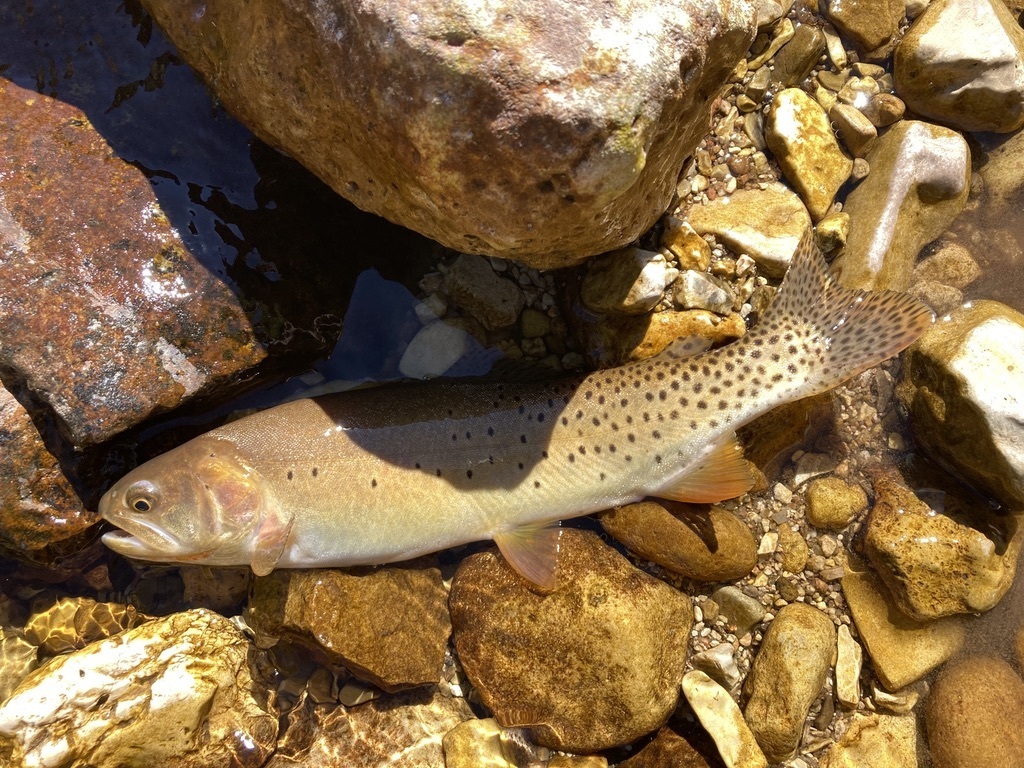
The crisp morning air bites at your cheeks as you wade into the crystal-clear waters of a high-country stream, sun just beginning to kiss the peaks above. A blanket of mist clings to the water's surface, slowly dissipating to reveal the riverbed's intricate mosaic of rocks and gravel. You cast a tiny dry fly, a perfect imitation of the morning's hatch, upstream with a gentle flick of your wrist. It lands softly, drifts naturally for a few feet, and then – wham! – a flash of gold and crimson erupts from beneath the surface. Your rod bends, the line sings, and a vibrant Yellowstone Cutthroat Trout, adorned with its distinctive red "cut" marks under the jaw, dances across the current. This isn't just fishing; it's an immersive experience in one of North America's most iconic wildernesses, a quest for a truly wild and beautiful fish.
Yellowstone Cutthroat Trout (Oncorhynchus clarkii bouvieri) are more than just a species; they're a symbol of the pristine waters of the Greater Yellowstone Ecosystem. Their pursuit offers not only thrilling angling but also a deep connection to the history and ecology of the American West. From the freestone rivers of Yellowstone National Park to the vast Snake River drainage, these native trout challenge anglers with their cunning and reward them with their stunning beauty. Whether you're a seasoned fly fisher or just starting your journey, the Yellowstone Cutthroat promises an unforgettable adventure, typically best experienced from late spring through early fall when their mountain homes are most accessible and active.
When to Go (Best Seasons and Times)
Timing is everything when pursuing Yellowstone Cutthroat Trout. Their activity levels and locations shift dramatically with the seasons and even the time of day.
- Late Spring (May-June): This is often referred to as "runoff season." While many major rivers will be high and muddy, smaller tributaries and high-elevation lakes can be prime. As the snowmelt subsides, the water clears, and hungry cutthroats emerge from winter dormancy. This period often sees excellent nymphing opportunities and early dry fly hatches.
- Summer (July-August): The undisputed prime time for Yellowstone Cutthroat. Waters are typically clear and at ideal temperatures. This is when the legendary dry fly fishing truly shines, with prolific hatches of caddis, stoneflies, and various mayflies. Terrestrial patterns (hoppers, ants, beetles) become incredibly effective as the season progresses. Mornings and evenings are generally best, especially on warmer days, but cloudy or rainy afternoons can also trigger strong feeding frenzies.
- Fall (September-October): A truly special time, offering cooler temperatures, fewer crowds, and often aggressive fish preparing for winter. While hatches become sparser, streamer fishing can be incredibly productive as larger cutthroats become predatory. This is also when many fish begin their spawning runs, so be mindful of closed areas and protect spawning fish. Midday can be excellent as water temperatures rise slightly, making fish more active.
- Times of Day:
- Early Morning (Dawn-Mid-morning): Often the most productive, especially during summer, as fish are actively feeding on emerging insects.
- Late Afternoon/Evening (Late Afternoon-Dusk): Another peak feeding period, particularly for dry fly action as evening hatches commence.
- Midday: Can be slow, especially on bright, sunny days, but can pick up during cloudy periods or after a rain shower. In high-country lakes, midday can be excellent for sight fishing.
- Weather Patterns: Overcast days often lead to more consistent feeding throughout the day. Post-storm periods, once the water clears, can be incredibly productive as fish gorge on dislodged insects. Strong winds can make casting difficult but can also blow terrestrials onto the water, exciting fish.
Where to Fish (Top Locations)
The heart of Yellowstone Cutthroat Trout country lies within the Greater Yellowstone Ecosystem, spanning parts of Wyoming, Montana, and Idaho. Public access is abundant, offering diverse fishing experiences.
- Yellowstone National Park (Wyoming/Montana/Idaho): The quintessential destination.
- Lamar River: Famous for its large, wild cutthroats and prolific hatches. It’s a classic dry fly river. Access is generally good along the Northeast Entrance Road.
- Slough Creek: A series of meandering meadows and deep pools, home to some of the park's largest cutthroats. Requires a hike to reach the best sections, offering solitude.
- Soda Butte Creek: A smaller, more intimate stream flowing into the Lamar, offering excellent dry fly opportunities for eager fish.
- Note: Fishing in Yellowstone National Park requires a specific YNP fishing permit in addition to any state licenses. Regulations are highly specific and often vary by section.
- Snake River (Wyoming): Below Jackson Lake Dam through Grand Teton National Park and south into the Snake River Canyon, this river is a stronghold for the Snake River Fine-Spotted Cutthroat, a subspecies closely related to the Yellowstone Cutthroat. It offers superb float and wade fishing. Public access points are numerous, especially south of Jackson.
- Yellowstone River (Montana): As it flows out of Yellowstone National Park, the Yellowstone River offers incredible fishing for migratory cutthroats, especially in the Paradise Valley section. Numerous public access sites are available.
- South Fork of the Snake River (Idaho): A world-renowned tailwater fishery offering large cutthroats alongside rainbows and browns. It's known for its consistent hatches and excellent float trips, but also has wade access.
- Gallatin River (Montana): While known for its rainbows and browns, the upper reaches and tributaries of the Gallatin, particularly in the national forest lands, hold good populations of Yellowstone Cutthroat. Excellent public access through US Forest Service lands.
- High-Country Lakes (Wyoming, Montana, Idaho): Countless alpine lakes throughout the national forests and wilderness areas surrounding Yellowstone hold thriving populations of Yellowstone Cutthroat. These often require a hike but offer incredible solitude and sight-fishing opportunities.
How to Fish (Proven Techniques)
Fly fishing is the most effective and traditional method for Yellowstone Cutthroat Trout, offering a nuanced and rewarding experience.
Step-by-Step for Beginners: Dry Fly Fishing
- Approach with Stealth: Cutthroats are wary. Approach the water slowly, keeping a low profile. Avoid heavy footsteps or casting a shadow over the water.
- Observe the Water: Before casting, watch for rising fish or insects on the surface. This "reading the water" will inform your fly choice and where to cast.
- Choose Your Fly: Start with a general attractor pattern that mimics common insects, like a Parachute Adams, Elk Hair Caddis, or a small Stimulator (sizes 14-18). If you see specific bugs hatching, try to "match the hatch."
- Cast Upstream and Across: Position yourself downstream or across from where you expect fish to be. Cast your fly gently upstream and slightly across the current, allowing it to drift naturally towards the fish.
- Achieve a Drag-Free Drift: This is crucial. Your fly must float at the same speed as the natural current, without any drag from your line. Mend your line (flick your rod tip upstream) to remove slack and ensure a natural presentation.
- Watch for the Take: Keep your eyes peeled on your fly. A subtle sip, a splash, or even just the fly disappearing can indicate a take.
- Set the Hook: When a fish strikes, gently but firmly lift your rod tip upward and backward. Don't yank hard, as you can break the light tippet.
- Fight and Land the Fish: Keep your rod tip high to maintain tension. Use your reel's drag and your rod's flexibility to tire the fish. Land it quickly and gently with a net, keeping it in the water as much as possible for release.
Advanced Tips:
- Nymphing Rigs: When fish aren't rising, go subsurface. Use a strike indicator and two weighted nymphs (e.g., Copper John, Pheasant Tail, Prince Nymph) to drift along the bottom. Adjust depth until you find where the fish are holding.
- Streamer Fishing: For larger, more aggressive cutthroats, especially in fall or during high water, strip streamers (e.g., Woolly Bugger, Sculpzilla) across or downstream to imitate baitfish. This can provoke powerful strikes.
- Presentation Over Pattern: Often, a perfectly presented, drag-free average fly will catch more fish than a perfect imitation with a poor drift. Focus on your casting and mending skills.
- Long Leaders & Fine Tippets: Yellowstone Cutthroats in clear water can be leader shy. Use a long leader (9-12 feet) tapered to a fine tippet (5X or 6X, sometimes even 7X for tiny dries) to ensure a delicate presentation.
Who to Go With (Guides, Groups, or Solo)
Deciding whether to hire a guide, join a group, or go solo depends on your experience level, budget, and desired adventure.
- Guided Trips: Highly recommended for beginners or those new to the region. A professional guide (typically $500-$800+ per day, not including tip) will provide all necessary gear, local knowledge, and invaluable instruction on techniques, fly selection, and reading the water. They can put you on fish quickly and safely, maximizing your limited time. This is especially beneficial for floating larger rivers like the Yellowstone or Snake. Look for licensed outfitters in gateway towns like West Yellowstone, Gardiner, Jackson, or Island Park.
- Fishing Groups/Clinics: Some fly shops or organizations offer multi-day clinics or group trips. These can be a more budget-friendly way to get instruction and meet fellow anglers. Costs vary widely but are often less than a private guide.
- Solo or DIY: For experienced anglers, a solo or DIY trip offers the ultimate freedom and challenge. With careful planning, research, and self-sufficiency, you can explore countless public access points. This is significantly more budget-friendly, primarily covering license, gear, and travel costs. However, it requires a good understanding of the area, regulations, and self-rescue skills, especially in remote wilderness areas.
Essential Gear Recommendations
Having the right gear makes all the difference when pursuing Yellowstone Cutthroat Trout.
- Rods:
- Fly Rod: 8.5 to 9-foot, 4- or 5-weight Orvis Recon Fly Rod → Shop on Amazon is ideal for versatility on most rivers and streams.
- Budget Alternative: Redington Classic Trout Fly Rod → Shop on Amazon or a complete starter kit like the Orvis Encounter Fly Rod Outfit → Shop on Amazon.
- Reels:
- Fly Reel: A reliable, lightweight reel with a smooth drag system to match your rod weight. Lamson Liquid Fly Reel → Shop on Amazon
- Budget Alternative: Any reputable large arbor fly reel that balances your rod.
- Fly Line:
- Weight-Forward Floating Line: Essential for dry fly and nymph fishing. Rio Gold Fly Line → Shop on Amazon
- Leaders & Tippet:
- Tapered Leaders: 9-12 foot, 4X-6X.
- Tippet Spools: 4X, 5X, 6X fluorocarbon or monofilament. Rio Powerflex Plus Tippet → Shop on Amazon
- Flies:
- Dry Flies: Parachute Adams (14-18), Elk Hair Caddis (14-18), Stimulator (12-16), Hopper patterns (8-12), Ant patterns (16-20).
- Nymphs: Copper John (14-18), Pheasant Tail (14-18), Prince Nymph (14-18), Hare's Ear (14-18).
- Streamers: Woolly Bugger (Olive, Black, Brown, 6-10), Sculpzilla (8-12).
- Waders & Boots:
- Breathable Chest Waders: Essential for comfort and staying dry. Simms Freestone Waders → Shop on Amazon
- Wading Boots: Felt or rubber soles with good ankle support. Simms Freestone Wading Boots → Shop on Amazon
- Budget Alternative: Frogg Toggs Canyon II Waders → Shop on Amazon with basic wading boots.
- Accessories:
- Landing Net: Rubber mesh net for safe catch-and-release. Fishpond Nomad Hand Net → Shop on Amazon
- Nippers, Hemostats, Forceps: For cutting line and removing hooks.
- Strike Indicators: For nymphing.
- Floatant: For dry flies.
- Polarized Sunglasses: Crucial for spotting fish and protecting your eyes. Costa Del Mar Fantail Sunglasses → Shop on Amazon
- Backpack/Vest: To carry your gear.
- Sun Protection: Hat, sunscreen, UPF clothing.
- Bear Spray: Absolutely essential in the Greater Yellowstone Ecosystem. UDAP Bear Spray → Shop on Amazon
Expected Costs (Full Setup vs. Budget Version)
Fishing for Yellowstone Cutthroat Trout can range from an affordable DIY adventure to a premium guided experience. All prices are approximate and in USD.
Full Setup (High-End Gear & Guided Trip): * Fishing Licenses/Permits: * Wyoming/Montana/Idaho Non-Resident Annual: $100-$150 * Yellowstone National Park Permit (7-day/annual): $40-$55 * Total: ~$140-$205 (always check current fees with relevant state agencies and YNP) * Guided Trip (1 Day): $600-$800 (includes guide, boat, lunch, flies, sometimes gear) + $100-$150 (tip) = $700-$950 * High-End Gear: * Rod & Reel Combo: $600-$1000+ * Waders & Boots: $500-$800 * Flies & Accessories: $200-$400 * Bear Spray: $50-$60 * Gear Total: ~$1350-$2260 * Travel & Lodging (3-4 days): Flights, rental car, hotel/cabin: $1000-$2500+ * GRAND TOTAL (Full Setup, 1 Guided Day, 3-4 Day Trip): $3190 - $5915+
Budget Version (Entry-Level Gear & DIY Trip): * Fishing Licenses/Permits: * Wyoming/Montana/Idaho Non-Resident 5-day: $50-$70 * Yellowstone National Park Permit (7-day): $40 * Total: ~$90-$110 (always check current fees with relevant state agencies and YNP) * DIY Trip: Free (aside from personal costs) * Budget Gear: * Rod & Reel Combo: $150-$250 (e.g., Orvis Encounter) * Waders & Boots: $150-$300 (e.g., Frogg Toggs) * Basic Flies & Accessories: $50-$100 * Bear Spray: $50-$60 * Gear Total: ~$400-$710 * Travel & Lodging (3-4 days): Driving, camping/budget motel: $500-$1500+ * GRAND TOTAL (Budget Setup, DIY, 3-4 Day Trip): $990 - $2320+
Regulations and Conservation
Yellowstone Cutthroat Trout are a native species facing various challenges, including hybridization with rainbow trout, whirling disease, and habitat degradation. Therefore, strict regulations are in place to protect them.
- Regulatory Authorities:
- Wyoming: Wyoming Game & Fish Department
- Montana: Montana Fish, Wildlife & Parks
- Idaho: Idaho Department of Fish and Game
- Yellowstone National Park: National Park Service (specifically for fishing within YNP boundaries)
- Key Regulatory Considerations:
- Fishing License/Permit: Always purchase the correct state fishing license for the area you're fishing, and a separate Yellowstone National Park permit if applicable.
- Catch-and-Release: Many areas within the Yellowstone ecosystem, especially within the park and on blue-ribbon streams, are strictly catch-and-release for Yellowstone Cutthroat Trout. This is crucial for their conservation.
- Barbless Hooks: Most catch-and-release waters require the use of barbless hooks to minimize harm to the fish. Pinch down the barbs on all your flies.
- Gear Restrictions: Some areas may have specific gear restrictions (e.g., fly fishing only, no bait).
- Invasive Species Prevention: Always "Clean, Drain, Dry" your boats, waders, and gear to prevent the spread of aquatic invasive species and diseases like whirling disease.
- Seasonal Closures: Certain streams or sections may be closed seasonally, especially during spawning periods or to protect critical habitat.
- Conservation Status: Yellowstone Cutthroat Trout are designated as a "Species of Greatest Conservation Need" in several states. Efforts are ongoing to restore native populations, control non-native species, and protect their habitat. Your adherence to regulations directly contributes to these vital conservation efforts.
Crucially, always check the current fishing regulations, emergency closures, and permit requirements with the relevant state fish and wildlife agencies and Yellowstone National Park before you go. Regulations can change frequently.
Pro Tips and Common Mistakes to Avoid
Maximize your chances and enjoy the experience by incorporating these pro tips and sidestepping common beginner errors.
Pro Tips:
- Stealth is Paramount: Yellowstone Cutthroats are incredibly wary. Move slowly, keep a low profile, and avoid casting shadows over the water.
- Observe Before You Cast: Take time to watch the water. Look for rising fish, insect activity, and potential holding lies. This intelligence will guide your approach.
- Match the Hatch (When Possible): While general attractors work, if you see specific insects hatching, try to match their size, color, and profile with your fly.
- Perfect Your Drift: A drag-free drift is more important than the specific fly pattern. Practice mending your line to ensure your fly floats naturally.
- Go Long and Light: Use longer leaders (9-12 feet) and fine tippets (5X-6X, sometimes 7X) in clear water to avoid spooking fish.
- Fish the Edges and Seams: Cutthroats often hold in slower water along the banks, behind obstacles, or in the seams where fast and slow currents meet.
- Carry Bear Spray: You are in prime grizzly bear country. Always have bear spray accessible and know how to use it.
Common Mistakes to Avoid:
- Wading Carelessly: Crashing through the water sends alarm signals to fish. Wade slowly and deliberately, only when necessary.
- Over-Casting: Trying to cast too far often results in poor presentation and drag. Focus on accurate, shorter casts with good drifts.
- Ignoring the Subsurface: If fish aren't rising, they're likely feeding on nymphs. Don't be afraid to switch to a nymphing rig.
- Using Barbed Hooks: Many YCT waters are barbless-only. Always pinch down your barbs to protect these delicate fish.
- Not Checking Regulations: Regulations change. Failing to check current rules can lead to fines and harm fish populations.
- Forgetting Sun Protection: High-country sun can be intense. Protect yourself with hats, sunscreen, and UPF clothing.
- Leaving Litter: Pack out everything you pack in. Preserve the pristine environment for future generations.
Conclusion
Chasing Yellowstone Cutthroat Trout is more than just a fishing trip; it's an immersion into one of the wildest and most beautiful landscapes on Earth. The vivid flash of a cutthroat in a pristine mountain stream, the challenge of a drag-free drift, and the quiet solitude of the wilderness combine to create an experience that truly nourishes the soul. Whether you're a beginner learning the ropes or an experienced angler seeking the thrill of a native trout, the Yellowstone Cutthroat offers an adventure unlike any other. So, gear up, plan your trip, and prepare to create memories that will last a lifetime. Just remember to respect the fish, the regulations, and the incredible ecosystem they call home.
Next time, we'll explore the thrilling world of high-country angling for another elusive species: the Golden Trout!
As an Amazon Associate I earn from qualifying purchases at no extra cost to you. Links above are affiliate search links — prices may vary. Generated 2026-07-20