
Hunt Lynx (Eurasian) Like a Pro: Complete Hunting Guide
Introduction
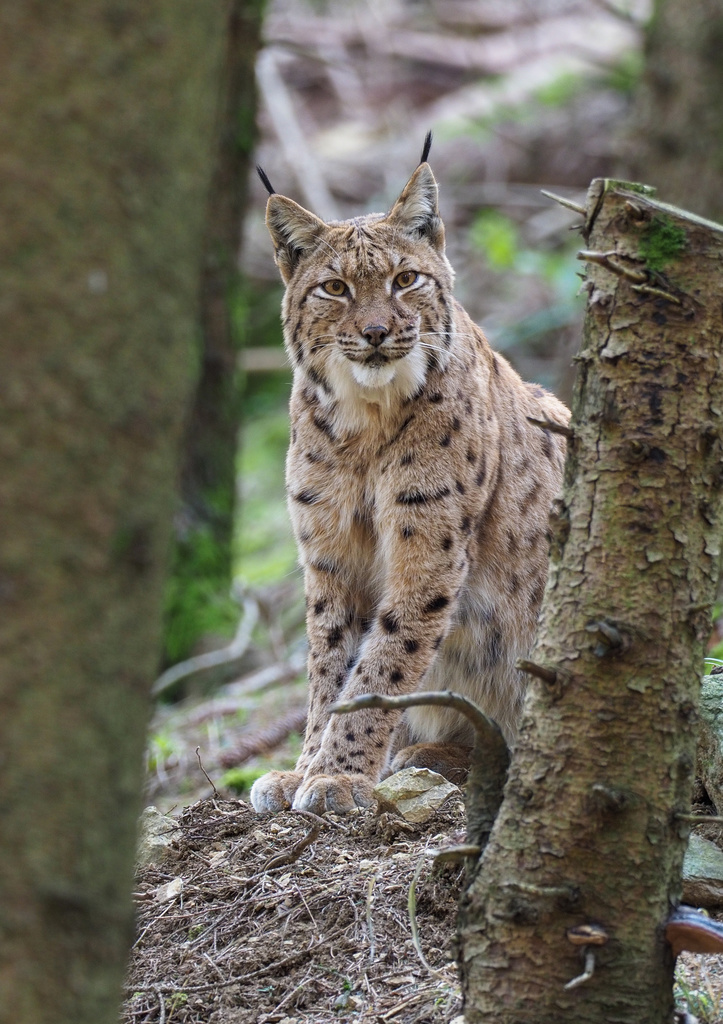
The crisp, biting air bites at your cheeks, carrying the scent of pine and fresh snow. The forest is a tapestry of white, silent save for the crunch of your boots. You scan the pristine landscape, every sense alive, searching for the ghost of the taiga. Suddenly, a flicker of movement – a shadow detaching itself from the snow-laden underbrush. Golden eyes meet yours for a fleeting moment before the creature melts back into the shadows, a specter of raw wilderness. This, my friends, is the Eurasian Lynx.
Hunting the Eurasian Lynx is not just a pursuit; it's an immersion into the ancient heart of Europe and Asia. It's a journey that demands patience, respect, and an intimate understanding of one of the most enigmatic predators on the planet. With its tufted ears, short bobbed tail, and powerful build, the Eurasian Lynx is the largest of the lynx species, a true trophy for the dedicated hunter. Its cunning, stealth, and preference for dense, remote habitats make it an ultimate challenge, a true test of your skills and endurance. This isn't just a hunt; it's an adventure into the wild, where every track, every whisper of the wind, brings you closer to an encounter with a magnificent creature. If you're ready to embrace the cold, the quiet, and the thrill of the chase, then join me as we prepare to hunt the elusive Eurasian Lynx.
When to Hunt (Best Seasons and Times)
Hunting Eurasian Lynx is a seasonal affair, primarily dictated by the animal's behavior, pelt quality, and regulatory frameworks across its vast range. The optimal time to hunt Eurasian Lynx is almost universally during the winter months, typically from November through March.
Why Winter? 1. Tracking: Fresh snow is your greatest ally. Lynx tracks are distinctive, and a fresh snowfall can reveal their nocturnal movements, feeding patterns, and preferred travel corridors. Without snow, tracking these elusive cats becomes incredibly difficult, if not impossible. 2. Pelt Quality: The winter coat of a Eurasian Lynx is at its thickest and most beautiful, offering a prime trophy. The dense, soft fur with its distinctive spotting provides excellent insulation against the cold and makes for a stunning mount. 3. Visibility: Deciduous trees have shed their leaves, and the stark white landscape can make spotting a lynx slightly easier, especially if they are moving through more open areas or crossing frozen waterways.
Times of Day: Eurasian Lynx are primarily crepuscular and nocturnal, meaning they are most active during dawn, dusk, and throughout the night. While a lynx can be encountered at any time, especially if disturbed or on a long hunt for food, focusing your efforts during these low-light periods will increase your chances. Early morning, just as the sun begins to lighten the eastern sky, and late afternoon, leading into twilight, are prime times for stand hunting or tracking.
Weather Patterns: Cold, clear winter days following a fresh snowfall are ideal. The cold ensures the lynx are active and seeking prey, and the clear conditions make for better visibility and tracking. Avoid heavy blizzards, which can obscure tracks and make travel dangerous, but a light, continuous snowfall can sometimes be beneficial as it forces lynx to move more to find food.
Regional Tips: * Scandinavia (Sweden, Norway): Hunting seasons are tightly regulated and often quota-based. Dates can vary annually, but generally fall within the mid-winter period. Expect deep snow and very cold temperatures. * Eastern Europe (Romania, Poland, Slovakia): Seasons are also typically in winter, often with specific limited periods. Terrain can be mountainous and rugged, requiring good physical condition. * Russia: Given its immense size, seasons vary by region, but the winter months remain paramount. Expect extreme cold in many areas.
Always confirm specific season dates and regulations with the relevant national wildlife authority for your chosen hunting destination.
Where to Hunt (Top Locations)
The Eurasian Lynx boasts a vast distribution across Europe and Asia, but legal hunting opportunities are concentrated in specific regions where populations are stable and managed. These hunts are almost exclusively conducted through reputable outfitters due to the complexity of permits, access, and the species' elusive nature.
- Sweden: A prime destination, particularly in the northern and central regions. Sweden has a well-managed lynx population, and hunting is highly regulated with strict quotas. Hunts are often conducted on vast private land concessions or through specific permits on state land, typically involving tracking over snow with hounds. The Swedish Environmental Protection Agency oversees wildlife management.
- Norway: Similar to Sweden, Norway offers excellent lynx hunting opportunities, especially in its forested regions. Hunts are quota-based and require permits from the Norwegian Environment Agency. Expect challenging conditions in deep snow.
- Russia (Siberia/Far East): Russia's vast wilderness, particularly in its Siberian and Far Eastern regions, holds significant Eurasian Lynx populations. Hunting here often involves remote expeditions, sometimes using snowmobiles for access, followed by tracking. Regulations are managed by the Ministry of Natural Resources and Environment of the Russian Federation, with regional variations.
- Romania (Carpathian Mountains): The dense forests of the Carpathian Mountains offer a classic European big cat experience. Romania has a healthy lynx population, and hunts are typically organized by professional outfitters on private hunting concessions. The Romanian Ministry of Environment, Waters and Forests sets the hunting regulations.
- Poland: In the eastern regions, particularly in the Białowieża Forest and Carpathian foothills, Poland offers limited lynx hunting. These hunts are highly specialized and often managed by state forestry organizations or private concessions under strict quotas. The General Directorate for Environmental Protection in Poland governs wildlife management.
- Slovakia: The Tatra Mountains and surrounding forested areas in Slovakia provide opportunities for lynx hunting. Like its neighbors, hunting is carefully managed with strict quotas and requires working with licensed outfitters. The Ministry of Environment of the Slovak Republic is the primary regulatory body.
For beginners, engaging a reputable outfitter in any of these countries is not just recommended but almost essential. They will handle permits, provide experienced guides, and have access to prime hunting areas, significantly increasing your chances of success.
How to Hunt (Proven Techniques)
Hunting the elusive Eurasian Lynx demands patience, stealth, and an understanding of its behavior. Given their preference for dense cover and nocturnal habits, most successful hunts involve tracking or baiting (where legal).
Step-by-Step Approach for Beginners (Tracking): 1. Hire a Reputable Outfitter: This is the most crucial first step. An experienced outfitter in a lynx-rich area will have the permits, knowledge, and resources (like tracking dogs, where permitted) to guide you. 2. Scouting and Locating Tracks: Your guide will often start by searching for fresh lynx tracks in the snow, usually near known prey concentrations (deer, hares) or along ridge lines and forest edges. 3. The Track: Once fresh tracks are found, the slow, methodical pursuit begins. Lynx are incredibly stealthy, so silence and keen observation are paramount. Your guide will interpret the tracks to determine the lynx's direction, speed, and recent activity. 4. Closing the Distance: This can take hours, sometimes days. Lynx will often bed down in dense cover, making them extremely difficult to spot. The goal is to track the animal to its day bed or to where it is actively hunting. 5. The Stalk and Shot: When the lynx is located, a careful stalk is initiated. This requires absolute silence, using terrain and vegetation for cover. Lynx can be surprisingly hard to see even at close range. Once a clear, ethical shot opportunity presents itself, take it.
Advanced Tips:
- Scent Control: While not as critical as for some other species, minimizing human scent can be beneficial, especially when stalking a bedded animal.
- Understanding Territory: Lynx are territorial. Experienced guides know their typical travel routes, preferred bedding areas, and hunting grounds, which helps predict their movements.
- Patience and Persistence: Lynx hunts are often long, cold, and physically demanding. Success often comes down to sheer persistence and the ability to endure the elements. Don't get discouraged by long periods without action.
- Calling (Limited Use): In some regions, specific predator calls mimicking rabbit distress or lynx vocalizations may be used, though this is less common for Eurasian Lynx than for their North American counterparts and often requires specialized knowledge.
Who to Go With (Guides, Groups, or Solo)
For Eurasian Lynx, the answer is almost unequivocally guided. DIY (Do-It-Yourself) hunting for this species is exceptionally rare and largely impractical for international hunters due to a multitude of factors:
- Permits and Quotas: Lynx hunting is highly regulated with strict quotas in all countries where it's legal. Obtaining the necessary permits as an individual foreign hunter is a complex, often impossible, process without local sponsorship or an outfitter.
- Access: Prime lynx habitat is often on vast private concessions or remote public lands where local knowledge and access agreements are essential.
- Expertise: Eurasian Lynx are incredibly elusive. Their habitat is dense, and tracking them, especially in deep snow, requires highly specialized skills, equipment (like tracking dogs in some regions), and years of local experience.
- Logistics: From navigating foreign regulations to arranging accommodation, transport, and communication in remote areas, the logistical challenges are immense.
Guided Options: Partnering with a reputable outfitter is the standard and most realistic approach. These outfits specialize in lynx hunts and provide: * Experienced Guides: Local experts who know the terrain, the animals' habits, and how to track them effectively. * Permits and Licenses: They will handle the complex paperwork required for your hunt. * Accommodations and Meals: Often in comfortable hunting lodges or remote cabins. * Transportation: To and from the hunting areas. * Equipment: Some outfitters may provide specialized tracking equipment or snowmobiles.
Cost Context: Guided Eurasian Lynx hunts are considered premium big game expeditions and reflect the challenge and rarity of the animal. Expect costs to be significant, typically ranging from €8,000 to €20,000+ (approximately $8,500 to $21,500+ USD), depending on the country, the outfitter's reputation, the duration of the hunt, and whether a trophy fee is included or separate. These costs usually cover the guide fees, lodging, meals, and basic in-field transport, but often exclude international airfare, trophy preparation/shipping, and gratuities.
Reputable Outfitter Regions: Look for outfitters with a proven track record in: * Scandinavia (Sweden, Norway): Known for professional operations and well-managed quotas. * Eastern Europe (Romania, Poland, Slovakia): Offer a unique experience in often mountainous, dense forests. * Russia: For those seeking a truly wild, remote adventure, but ensure the outfitter has strong references and legal operations.
Always thoroughly research any outfitter, check references, and ensure they operate legally and ethically within the local regulations.
Essential Gear Recommendations
Preparing for a Eurasian Lynx hunt means preparing for cold, demanding winter conditions. Your gear needs to be robust, warm, and reliable.
- Clothing (Layering System):
- Base Layers: Moisture-wicking synthetic or merino wool.
- Merino Wool Base Layer Set → Shop on Amazon
- Mid-Layers: Fleece or down insulation for warmth.
- Insulated Mid-Layer Jacket → Shop on Amazon
- Outer Shell: Waterproof, windproof, and breathable jacket and pants. Opt for quiet fabrics.
- Gore-Tex Hunting Parka → Shop on Amazon
- Insulated Hunting Bibs or Pants → Shop on Amazon
- Headwear: Warm beanie or balaclava, ideally windproof.
- Windproof Beanie → Shop on Amazon
- Gloves: Layered system: thin liner gloves for dexterity, warm insulated outer gloves/mittens.
- Insulated Hunting Gloves → Shop on Amazon
- Socks: Multiple pairs of heavy wool or synthetic socks.
- Heavy Wool Hunting Socks → Shop on Amazon
- Base Layers: Moisture-wicking synthetic or merino wool.
- Footwear:
- Insulated Winter Boots: Waterproof, rated for extreme cold (e.g., -40°C/-40°F).
- Extreme Cold Weather Hunting Boots → Shop on Amazon
- Insulated Winter Boots: Waterproof, rated for extreme cold (e.g., -40°C/-40°F).
- Optics:
- Binoculars (8x42 or 10x42): High-quality, fog-proof, and waterproof for spotting tracks and animals.
- Premium Hunting Binoculars → Shop on Amazon
- Spotting Scope (optional but useful): For long-range identification or glassing vast areas.
- Compact Spotting Scope → Shop on Amazon
- Binoculars (8x42 or 10x42): High-quality, fog-proof, and waterproof for spotting tracks and animals.
- Firearm:
- Rifle: A flat-shooting, accurate rifle in a medium caliber suitable for medium-sized game. Common choices include .270 Win, .30-06 Springfield, .308 Win, 6.5 Creedmoor. Ensure it's sighted in for cold conditions.
- Bolt-Action Hunting Rifle → Shop on Amazon
- Ammunition: High-quality, reliable expanding bullets.
- Premium Hunting Ammunition → Shop on Amazon
- Rifle: A flat-shooting, accurate rifle in a medium caliber suitable for medium-sized game. Common choices include .270 Win, .30-06 Springfield, .308 Win, 6.5 Creedmoor. Ensure it's sighted in for cold conditions.
- Navigation & Safety:
- GPS Device/Satellite Communicator: Essential for remote areas, even with a guide.
- Satellite Messenger/GPS → Shop on Amazon
- Headlamp: With red light option and spare batteries.
- Durable Headlamp → Shop on Amazon
- First-Aid Kit: Comprehensive, suitable for wilderness conditions.
- Wilderness First-Aid Kit → Shop on Amazon
- GPS Device/Satellite Communicator: Essential for remote areas, even with a guide.
- Other Essentials:
- Backpack: Comfortable, waterproof, 30-50 liter capacity for day trips.
- Waterproof Hunting Backpack → Shop on Amazon
- Thermos: For hot drinks.
- Knife: Sharp, durable hunting knife.
- Scent Control Spray (optional): To minimize human odor.
- Camera: To capture memories of your adventure.
- Backpack: Comfortable, waterproof, 30-50 liter capacity for day trips.
Budget-Friendly Alternatives: * Clothing: Look for reputable brands offering slightly older models on sale, or second-hand outdoor gear in good condition. Focus on the layering principle. * Optics: Mid-range binoculars from established brands can be excellent value. * Firearm: Many reliable used rifles are available. Ensure it's thoroughly inspected by a gunsmith. * Navigation: A robust smartphone with downloaded offline maps can serve as a backup to a dedicated GPS.
Prioritize warmth, waterproofing, and reliability. Investing in good quality gear for extreme cold is crucial for safety and comfort.
Expected Costs (Full Setup vs. Budget Version)
Hunting a Eurasian Lynx is a significant investment, largely due to the guided nature of the hunt and the remote, specialized logistics involved. Costs can vary widely depending on the country, outfitter reputation, hunt duration, and trophy fees.
Full Setup (Premium Guided Hunt):
- Outfitter Package (Hunt, Guide, Lodging, Meals):
- €8,000 - €20,000+ (approx. $8,500 - $21,500+ USD)
- This typically covers a 5-7 day hunt, professional guide, accommodations, meals, and in-field transportation. Some packages include a trophy fee, others charge it separately upon success.
- License/Permit/Tag Fees:
- €200 - €1,000+ (approx. $215 - $1,075+ USD)
- These fees vary significantly by country and sometimes depend on residency status.
- International Airfare:
- €800 - €2,000+ (approx. $850 - $2,150+ USD) (Round trip from major US city to Europe/Russia)
- Firearm Import/Rental Fees:
- €100 - €300 (approx. $100 - $325 USD) (If bringing your own rifle, or renting from outfitter)
- Trophy Fee (if not included in package):
- €3,000 - €8,000+ (approx. $3,200 - $8,500+ USD) (Often paid only upon successful harvest)
- Trophy Preparation & Shipping:
- €1,000 - €3,000+ (approx. $1,075 - $3,200+ USD) (Taxidermy, crating, customs, freight)
- Gratuities for Guides/Staff:
- €500 - €1,500+ (approx. $535 - $1,600+ USD) (Customary for good service)
- Travel Insurance/Medical Evacuation:
- €200 - €500 (approx. $215 - $535 USD) (Highly recommended for international travel)
- Personal Gear:
- €1,500 - €4,000+ (approx. $1,600 - $4,300+ USD) (For quality, durable winter hunting gear)
Total Full Setup Estimate: €15,300 - €40,300+ (approx. $16,400 - $43,300+ USD)
Budget Version (Still Guided):
It's challenging to have a "budget" Eurasian Lynx hunt in the traditional sense, as the core costs of a guided expedition remain high. The main savings would come from:
- Outfitter Package: Some less luxurious outfitters or those in regions with slightly lower operating costs might offer packages at the lower end of the spectrum, perhaps €7,000 - €10,000 (approx. $7,500 - $10,750 USD). Be wary of deals that seem too good to be true.
- Personal Gear: Utilizing sales, second-hand gear, or borrowing items can significantly reduce this cost to €500 - €1,500 (approx. $535 - $1,600 USD).
- Trophy Shipping/Preparation: Opting for a basic skull/hide preparation rather than a full mount can save on taxidermy and shipping.
- Travel: Booking flights well in advance and being flexible with dates.
Total Budget Estimate: €10,000 - €20,000+ (approx. $10,750 - $21,500+ USD)
Important Note: Always verify current license, permit, and tag fees directly with your chosen outfitter and the relevant national wildlife authority before booking your hunt. These figures are estimates and subject to change.
Regulations and Conservation
Hunting Eurasian Lynx is a highly regulated activity due to their protected status in many parts of their range and their inclusion in CITES Appendix II. This listing means that international trade in Eurasian Lynx (including trophies) is controlled to prevent overexploitation.
Key Regulatory Considerations:
- CITES Permits: If you are successful in harvesting a Eurasian Lynx and wish to import the trophy into your home country, you will need both an export permit from the hunting country and an import permit from your country of residence (e.g., US Fish and Wildlife Service for US citizens). These permits can be complex to obtain and require careful adherence to international regulations. Your outfitter will typically assist with the export permit process.
- National and Regional Laws: Each country and sometimes individual regions within those countries have specific laws governing lynx hunting. These include:
- Quotas: Most countries operate on strict annual quotas to ensure sustainable populations. Once the quota is met, the season closes.
- Season Dates: Specific hunting seasons, usually in winter, are set annually.
- Permit Requirements: Hunters must possess valid hunting licenses and specific lynx tags/permits.
- Hunting Methods: Regulations dictate permissible hunting methods (e.g., use of hounds, baiting, specific firearm types).
- Reporting: Successful harvests must be reported to the authorities promptly.
Relevant Regulatory Authorities: * Sweden: Swedish Environmental Protection Agency (Naturvårdsverket) * Norway: Norwegian Environment Agency (Miljødirektoratet) * Russia: Ministry of Natural Resources and Environment of the Russian Federation (Министерство природных ресурсов и экологии Российской Федерации) * Romania: Ministry of Environment, Waters and Forests (Ministerul Mediului, Apelor și Pădurilor) * Poland: General Directorate for Environmental Protection (Generalna Dyrekcja Ochrony Środowiska) * Slovakia: Ministry of Environment of the Slovak Republic (Ministerstvo životného prostredia Slovenskej republiky)
Conservation Status: While the Eurasian Lynx is listed as "Least Concern" globally by the IUCN Red List, its populations vary significantly across its vast range. In some areas, they are robust and well-managed for sustainable hunting, while in others, they are critically endangered or protected. Legal, regulated hunting, when properly managed with scientifically determined quotas, can contribute positively to conservation efforts by providing funding for habitat protection, anti-poaching initiatives, and population monitoring. Ethical hunters play a vital role in this process.
Always advise readers to check current regulations with the appropriate authority and their chosen outfitter before going out. Regulations can change annually, and non-compliance can lead to severe penalties.
Pro Tips and Common Mistakes to Avoid
Pro Tips for Hunting Eurasian Lynx:
- Master the Cold: These hunts are in extreme winter conditions. Invest in the best layering system you can afford, and practice staying warm and comfortable in frigid temperatures. Your focus will be compromised if you're shivering.
- Learn to Read Snow: While your guide will be the expert, understanding basic snow conditions, track freshness, and what lynx tracks look like will enhance your experience and appreciation for the hunt.
- Be Prepared for Long Days: Lynx hunts are often physically demanding, involving hours of tracking, often through deep snow. Build your endurance before the hunt.
- Practice Silent Movement: Lynx have incredible hearing. Every step, every movement, needs to be as quiet as possible, especially during the final stalk.
- Patience is Your Greatest Virtue: Lynx are masters of stealth. You might track an animal for days without seeing it. Don't get discouraged; persistence often pays off.
- Trust Your Guide Implicitly: Your guide's local knowledge and experience are invaluable. Follow their instructions without question, especially regarding safety and shot placement.
- Ethical Shot Placement: Lynx are powerful animals. Aim for a clean, ethical shot to ensure a quick harvest. Practice shooting from various positions that mimic real-world hunting scenarios.
Common Mistakes to Avoid:
- Underestimating the Cold: This is the most common mistake. Inadequate clothing can lead to discomfort, hypothermia, and a miserable, potentially dangerous, hunt.
- Lack of Physical Preparation: These hunts are not for the faint of heart. Showing up out of shape will limit your ability to keep up with the guide and track for extended periods.
- Rushing the Shot: Lynx are a rare and challenging trophy. When an opportunity arises, take a deep breath, ensure a clear background, and make a precise, ethical shot. Rushing often leads to a missed shot or, worse, a wounded animal.
- Ignoring Scent Discipline: While not as critical as for some prey, lynx have a keen sense of smell. Avoid strong perfumes, colognes, or highly scented detergents on your hunting clothes.
- Not Clarifying Costs Upfront: Ensure your outfitter contract clearly outlines all inclusions and exclusions, especially regarding trophy fees, CITES permits, and taxidermy/shipping. Surprises after a successful hunt are not fun.
- Bringing Unfamiliar Gear: Test all your gear, especially your rifle, boots, and clothing, in similar cold conditions before your trip. You don't want to discover a malfunction or discomfort in the field.
Conclusion
The Eurasian Lynx hunt is more than just bagging a trophy; it's an unforgettable journey into the heart of the wild, a testament to patience, skill, and respect for one of nature's most enigmatic predators. From the vast, snow-laden forests of Scandinavia to the rugged peaks of the Carpathians, pursuing this tufted-eared phantom offers an unparalleled adventure. It's a challenging endeavor, demanding meticulous preparation, unwavering endurance, and a deep appreciation for the pristine wilderness it inhabits.
When you finally stand over a magnificent Eurasian Lynx, its golden eyes now still, you'll feel an immense sense of accomplishment, earned through hard work, cold days, and the guidance of seasoned professionals. This is a hunt that connects you to ancient traditions and the raw power of the natural world. So, embrace the challenge, prepare thoroughly, and embark on an adventure that will stay with you for a lifetime.
Ready for your next big game adventure? Stay tuned for our next post, where we'll delve into the thrilling pursuit of the formidable European Brown Bear!
As an Amazon Associate I earn from qualifying purchases at no extra cost to you. Links above are affiliate search links — prices may vary. Generated 2026-07-19