Hunt Chamois Like a Pro: Complete Hunting Guide
Introduction
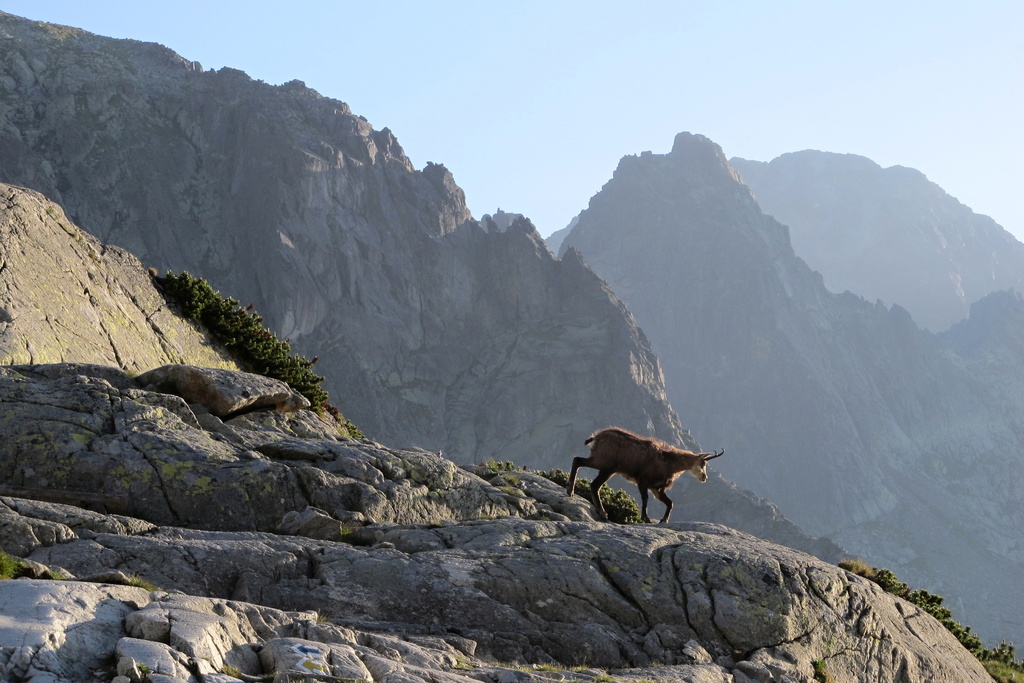
The crisp mountain air bites at your cheeks, carrying the faint scent of pine and damp earth. You scan the rugged, unforgiving slopes, your heart pounding a rhythmic drum against your ribs. Then, a flash of dark fur against the scree – a chamois. These agile, goat-like antelope, masters of their alpine domain, are an emblem of wild, untamed beauty. To pursue them is to engage with a primal dance, a test of skill, endurance, and respect for nature's most challenging landscapes. For the seasoned hunter, the allure of the chamois lies not just in the trophy, but in the sheer exhilaration of navigating their steep, often treacherous, home. It's an adventure that calls to the soul, promising breathtaking vistas and the profound satisfaction of a well-earned harvest.
Chamois are primarily found in the mountainous regions of Europe, with populations extending into parts of Asia. Their hunting season generally aligns with the autumn months, when the rut begins and the animals are more active and visible, often descending to lower elevations.
When to Go (Best Seasons and Times)
The prime time to pursue chamois is during the autumn rut, typically from late September through to December. This period offers several advantages:
- Increased Activity: During the rut, males become more vocal and territorial, often engaging in dramatic displays and fights. This makes them more likely to be on the move and potentially easier to locate.
- Visible Pelage: Their coats thicken and darken for winter, providing excellent camouflage against the autumn foliage and rocky terrain. This can also make them more striking trophies.
- Favorable Weather: While mountain weather is always unpredictable, autumn often brings clearer days with cooler temperatures, making for more comfortable hunting. However, be prepared for sudden shifts, including early snowfalls.
Times of Day: Chamois are most active during the early morning and late afternoon hours. These are the times when they are typically feeding and moving between grazing areas and their bedding grounds. Midday can see them resting in more sheltered, often inaccessible, locations, especially during warmer periods.
Regional Tips: * Alps (Austria, Switzerland, France, Italy): Early autumn (October) can be excellent as the leaves change, offering good camouflage for hunters and visibility for spotting. Later in the season, snow can push them to lower elevations. * Balkans (Slovenia, Croatia, Bosnia and Herzegovina): Similar to the Alps, the rut in late autumn is a key period. Be prepared for rugged terrain and potentially dense forests at lower altitudes.
Always check the specific hunting regulations for the region you plan to visit, as opening and closing dates can vary.
Where to Hunt (Top Locations)
Chamois are a European species, and their hunting is primarily concentrated in the mountainous countries of the continent. Here are some renowned regions and countries offering excellent chamois hunting opportunities:
- Austrian Alps (Austria): Austria is arguably the most classic chamois hunting destination. Regions like Tyrol, Salzburg, and Styria offer vast alpine hunting grounds. Many areas are managed by private hunting estates (Jagdgebiete) and hunting clubs, but public hunting opportunities also exist. Look for outfitters operating in the Dachstein Mountains or the Ötztal Alps.
- French Alps (France): The French Alps, particularly the Chamonix-Mont-Blanc region and the Vanoise National Park (though hunting is restricted within national parks, surrounding areas are often managed), provide challenging and rewarding hunts. Outfitters in the Hautes-Alpes department are a good starting point.
- Slovenian Alps (Slovenia): Slovenia boasts a healthy chamois population in the Julian Alps and the Kamnik-Savinja Alps. This country offers a more rugged and less crowded experience compared to some of its Western European neighbors. Outfitters in areas like Bohinj are well-regarded.
- Italian Alps (Italy): Similar to Austria and France, Italy's Alps, especially in the South Tyrol (Alto Adige) region and Piedmont, are home to chamois. The terrain is spectacular and the hunting can be demanding.
- Carpathian Mountains (Romania, Slovakia): These mountain ranges offer a different feel and can be more budget-friendly. Romania's Carpathian Mountains are known for their wild beauty and good chamois populations. Slovakia's High Tatras also present excellent opportunities.
Beginner-Friendly Options: While all chamois hunting is inherently challenging due to the terrain, some areas might offer more accessible trails or guided hunts with experienced local guides who are adept at navigating the mountains. Look for outfitters who specifically cater to less experienced mountain hunters. Countries like Slovenia or certain regions in Romania might offer a slightly less demanding logistical challenge compared to the very highest peaks of the Western Alps.
How to Hunt (Proven Techniques)
Hunting chamois is a test of patience, fitness, and keen observation. Here's a breakdown of effective techniques:
Step-by-Step Approach for Beginners:
- Scout and Plan: Before your hunt, study maps of the area. Identify potential feeding grounds (alpine meadows, clearings), bedding areas (steep, sheltered slopes), and travel routes. Understand the prevailing wind direction.
- Early Morning Start: Be in your chosen hunting area well before dawn. The first few hours of daylight are prime feeding and movement times for chamois.
- Slow and Steady Stalking: Move deliberately and quietly through the terrain. Use natural cover (rocks, bushes) to your advantage. Constantly scan the slopes ahead and to the sides.
- Utilize Optics: Good binoculars and a spotting scope are crucial. Spend time glassing likely areas from vantage points. Look for the tell-tale dark shapes against the rocks or vegetation.
- Wind Awareness: Chamois have an exceptional sense of smell. Always be aware of the wind direction and ensure it's blowing from the animal towards you. If the wind shifts, retreat and reposition.
- Identify Your Target: Once you've spotted a chamois, take your time to identify it. Ensure it's a mature animal (if you have specific trophy goals) and that you have a clear, safe shot.
- The Shot: When you have a clear opportunity, rest your rifle on a stable surface (bipod, shooting sticks, rocks). Aim for the vitals (behind the shoulder). Be prepared for the animal to potentially bolt after the shot.
- Recovery: If you make a good shot, track the animal carefully. Blood trailing in steep, rocky terrain can be challenging. Be prepared for a difficult pack-out.
Advanced Tips:
- Sound Mimicry: Experienced hunters sometimes use subtle sounds to attract attention or gauge a chamois's reaction. This could include a soft whistle or a clicking sound, but it requires a deep understanding of chamois behavior and is best learned from local guides.
- Reading the Terrain: Learn to predict chamois movements based on weather patterns, time of day, and season. For example, they might descend to lower, more sheltered valleys during heavy snowfall or periods of strong winds.
- Utilizing High Ground: If possible, gain a higher vantage point to glass slopes below. This allows you to cover more ground and potentially spot animals that are less visible from below.
Who to Go With (Guides, Groups, or Solo)
The decision of whether to hunt solo, with friends, or hire a guide depends on your experience, budget, and desired level of challenge.
-
Guided Hunts: For your first chamois hunt, especially in unfamiliar European mountains, hiring a reputable guide or outfitter is highly recommended.
- Benefits: Local knowledge of terrain, animal behavior, and regulations; access to prime hunting areas; assistance with logistics and game recovery; often includes accommodation and meals.
- Cost Context: Guided hunts can range from €2,500 to €6,000+ (approximately $2,700 to $6,500+ USD) per person, depending on the country, duration, and services included.
- Reputable Outfitter Regions: Look for outfitters in Austria, Slovenia, and Romania, as these countries often have well-established guiding services with experienced professionals.
-
Hunting with Friends: If you have friends with mountain hunting experience, this can be a fantastic option.
- Benefits: Shared expenses, camaraderie, combined expertise, and mutual support in challenging terrain.
- Considerations: Ensure everyone in the group is physically fit and has the necessary skills.
-
Solo Hunting (DIY): This is the most challenging but potentially the most rewarding option for experienced, self-sufficient hunters.
- Benefits: Complete freedom and self-reliance, potentially lower costs if you manage logistics well.
- Considerations: Requires extensive planning, excellent physical condition, advanced navigation skills, and a thorough understanding of local regulations and terrain. This is generally not recommended for beginners.
Essential Gear Recommendations
Equipping yourself correctly is vital for a successful and safe chamois hunt.
-
Rifle and Ammunition:
- A reliable bolt-action rifle chambered in a suitable caliber like .270 Winchester, 7mm Remington Magnum, or .30-06 Springfield. These offer good ballistic performance for mountain ranges.
- High-quality, well-constructed bullets designed for controlled expansion.
- Rifle Brand Model Caliber → Shop on Amazon
- Ammunition Brand Type → Shop on Amazon
-
Optics:
- Binoculars (8x42 or 10x42): Essential for spotting game at long distances.
- Spotting Scope (20-60x magnification): Crucial for identifying animals and assessing trophy quality from afar.
- Rangefinder: For accurate distance estimation, especially in open mountain terrain.
- Binoculars Brand Model Magnification → Shop on Amazon
- Spotting Scope Brand Model Magnification → Shop on Amazon
- Rangefinder Brand Model → Shop on Amazon
-
Clothing (Layering System is Key):
- Base Layers: Moisture-wicking (merino wool or synthetic).
- Mid Layers: Insulating fleece or down jacket.
- Outer Layer: Waterproof and breathable jacket and pants. Durable and quiet fabrics are a must.
- Insulated Vest: For added core warmth during stationary periods.
- Base Layer Top Brand Model → Shop on Amazon
- Fleece Jacket Brand Model → Shop on Amazon
- Waterproof Jacket Brand Model → Shop on Amazon
- Waterproof Pants Brand Model → Shop on Amazon
-
Footwear:
- Sturdy, Waterproof Hiking Boots: Broken-in, offering excellent ankle support for rough terrain.
- Gaiters: To keep snow, rocks, and debris out of your boots.
- Hiking Boots Brand Model → Shop on Amazon
- Gaiters Brand Model → Shop on Amazon
-
Backpack:
- A comfortable, durable backpack (50-70 liters) capable of carrying your gear, extra layers, food, water, and potentially game meat.
- Backpack Brand Model Capacity → Shop on Amazon
-
Navigation and Safety:
- Map and Compass: Always carry them, even if you have GPS.
- GPS Device or Smartphone with GPS App: With downloaded offline maps.
- Headlamp: With extra batteries.
- First-Aid Kit: Comprehensive and tailored to mountain environments.
- Emergency Whistle and Mirror: For signaling.
- GPS Device Brand Model → Shop on Amazon
- First-Aid Kit Brand → Shop on Amazon
-
Other Essentials:
- Hunting Knife: For field dressing.
- Game Bags: For packing out meat.
- Water Bottle or Hydration Reservoir.
- Snacks and High-Energy Food.
- Camera: To capture the memories!
Budget-Friendly Alternatives: While quality gear is an investment, you can find good alternatives. Look for sales on reputable brands, consider slightly older models, or explore brands known for good value. Second-hand gear can also be an option for items like backpacks or clothing layers. For optics, a good pair of mid-range binoculars can be a start, and you can upgrade the spotting scope later.
Expected Costs (Full Setup vs. Budget Version)
The cost of a chamois hunt can vary significantly. Here's a general breakdown:
Full Setup (Guided Hunt):
- Guided Hunt Package: €2,500 - €6,000+ (approx. $2,700 - $6,500+ USD)
- Includes: License, guide fees, accommodation, meals, often trophy fees for a specific size of chamois.
- Flights: €300 - €1,000+ (approx. $325 - $1,000+ USD), depending on origin and destination.
- Rifle & Ammunition: €800 - €2,500+ (approx. $870 - $2,700+ USD) for a good quality setup.
- Optics: €500 - €2,000+ (approx. $540 - $2,170+ USD) for quality binoculars and a spotting scope.
- Clothing & Footwear: €400 - €1,000+ (approx. $430 - $1,080+ USD) for a full set of quality gear.
- Miscellaneous (Travel Insurance, Tips, etc.): €200 - €500+ (approx. $215 - $540+ USD)
Total Estimated Cost (Full Setup): €4,700 - €12,000+ (approx. $5,100 - $13,000+ USD)
Budget Version (DIY or Group Hunt with Basic Guide):
- Licenses & Tags: €200 - €600 (approx. $215 - $650 USD) - varies greatly by country and region.
- Basic Guiding (if applicable): €500 - €1,500 (approx. $540 - $1,620 USD) for a few days of local assistance.
- Flights: €300 - €1,000+ (approx. $325 - $1,000+ USD).
- Rifle & Ammunition (used or entry-level): €500 - €1,200 (approx. $540 - $1,300 USD).
- Optics (decent mid-range): €300 - €800 (approx. $325 - $870 USD).
- Clothing & Footwear (good value brands, some second-hand): €300 - €600 (approx. $325 - $650 USD).
- Miscellaneous: €150 - €300 (approx. $160 - $325 USD).
Total Estimated Cost (Budget Version): €2,250 - €6,000+ (approx. $2,430 - $6,500+ USD)
Important Note: These are estimates. Always check current license and tag fees with the relevant hunting authorities. Trophy fees can significantly impact guided hunt costs.
Regulations and Conservation
Chamois hunting is subject to strict regulations designed to ensure the sustainability of populations.
- Hunting Seasons: Always adhere to the defined hunting seasons for the specific region and species of chamois. These are set by national and regional wildlife authorities.
- Licenses and Permits: You will need the appropriate hunting licenses and tags for the area you intend to hunt. These often require proof of hunting proficiency or a valid hunting license from your home country.
- Trophy Quality: Some regions have regulations regarding the minimum size or quality of trophies that can be harvested. This is often managed through trophy fees or specific tag requirements.
- Conservation Status: Chamois populations are generally healthy in many parts of Europe, but they are sensitive to habitat loss and poaching. Responsible hunting practices are crucial. Some subspecies or specific populations might have different conservation statuses.
- Check Current Regulations: It is imperative to consult the official wildlife and hunting authorities of the specific country or region you plan to hunt in well in advance of your trip. Regulations can change annually. For example, in Austria, you would consult the Federal Ministry of Agriculture, Forestry, Regions and Water Management and the relevant provincial hunting authorities. In Slovenia, it would be the Ministry of Agriculture, Forestry and Food and the Slovenian Forest Service.
Pro Tips and Common Mistakes to Avoid
Pro Tips:
- Master Your Binoculars: Spend more time glassing than walking. Many chamois are spotted at distances where they appear as small dark specks.
- Understand the Wind: This cannot be stressed enough. Chamois have incredible noses. Always hunt with the wind in your face.
- Practice Mountain Hiking: Chamois country is steep and rugged. Build your stamina and leg strength well before your trip.
- Learn to Shoot Steep Angles: Mountain hunting often presents shots at steep uphill or downhill angles. Practice shooting from elevated positions and learn how to adjust your aim.
- Be Patient: Chamois can be elusive. Don't rush shots, and be prepared to wait for the right opportunity.
- Pack Light, Pack Smart: Every ounce counts when hiking in the mountains. Prioritize essential gear.
- Respect the Terrain and Wildlife: Leave no trace, and always practice ethical hunting.
Common Mistakes to Avoid:
- Ignoring Wind Direction: The most common mistake leading to spooked game.
- Insufficient Physical Conditioning: Leading to fatigue, poor decision-making, and missed opportunities.
- Rushing Shots: Taking a hasty shot can result in a wounded animal and a difficult, or impossible, recovery.
- Underestimating the Weather: Mountain weather can change in an instant. Be prepared for cold, rain, and even snow.
- Not Practicing with Your Rifle: Especially crucial for steep angle shots.
- Over-reliance on Technology: GPS is great, but a map and compass are your reliable backups.
- Failing to Check Regulations: This can lead to serious legal trouble and ethical breaches.
Conclusion
Hunting chamois is more than just pursuing a trophy; it's an immersion into the wild heart of Europe's most spectacular mountain ranges. It’s a journey that demands respect, resilience, and a deep appreciation for the natural world. The challenge of navigating their alpine homes, the thrill of spotting a well-camouflaged animal, and the satisfaction of a successful hunt are experiences that will stay with you long after you've descended from the peaks.
If you're ready to embrace an unforgettable mountain adventure, the chamois awaits. Start planning your European alpine expedition today!
Next, we'll explore the world of hunting the magnificent Red Stag in the Highlands of Scotland. Stay tuned!
As an Amazon Associate I earn from qualifying purchases at no extra cost to you. Links above are affiliate search links — prices may vary. Generated 2026-07-17