Catch Tarpon (Cuba) Like a Pro: Complete Fishing Guide
Introduction
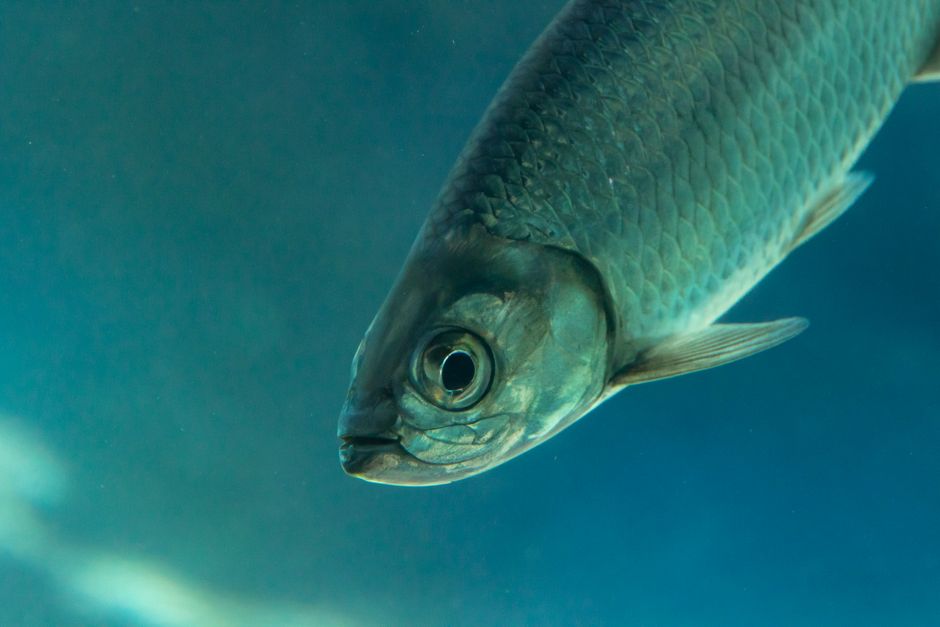
The silver flash, the explosive leap, the sheer power – there are few sights in the angling world as awe-inspiring as a Tarpon (Cuba) in full flight. Imagine this: you’re drifting along a sun-drenched Cuban coastline, the turquoise water shimmering, when suddenly, the surface explodes. A behemoth, draped in scales like polished silver dollars, rockets from the depths, its jaw agape, shaking its massive head in a desperate attempt to dislodge the hook. This is the legendary "Silver King," and in Cuba, its kingdom is vast and teeming with opportunity. For anglers seeking an unforgettable battle, a true test of skill and nerve, Tarpon fishing in Cuba offers an unparalleled experience. The sheer size and acrobatic prowess of these fish, combined with the vibrant culture and breathtaking scenery of Cuba, make it a bucket-list destination for any serious angler.
When to Go (Best Seasons and Times)
Cuba’s tropical climate offers a year-round opportunity to pursue Tarpon, but certain periods shine brighter. The peak season generally runs from October through June. During these months, the weather is typically drier and less humid, with calmer seas, making for more comfortable fishing days.
- Dry Season (November to April): This is often considered the prime time. Expect sunny days with consistent temperatures. The Tarpon are actively feeding and often found in shallower, clearer waters, making sight-fishing a thrilling possibility.
- Shoulder Seasons (October and May-June): These months can also be excellent, often with fewer crowds and potentially more aggressive fish as they prepare for or recover from spawning. You might encounter more rain, but it rarely lasts all day.
- Wet Season (July to September): While fishing is still possible, this period brings higher humidity, more frequent (though often short-lived) rain showers, and the possibility of hurricanes. However, larger Tarpon can still be found, and you might have waters to yourself.
Time of Day: Tarpon are opportunistic feeders. While they can be caught at any time, early mornings and late afternoons are often the most productive. The changing light conditions can trigger feeding frenzies, and the cooler parts of the day are more comfortable for both angler and fish. During the hottest parts of the day, they may move to deeper, cooler waters.
Regional Tips: * Western Cuba (e.g., Viñales, Havana): These areas can offer excellent shallow-water and mangrove fishing during the dry season. * Central and Eastern Cuba (e.g., Ciego de Ávila, Camagüey): Known for vast flats and channels, these regions are particularly good for sight-fishing larger Tarpon, especially from November to May.
Always check the local weather forecasts before heading out, as conditions can change rapidly in a tropical environment.
Where to Fish (Top Locations)
Cuba boasts an incredible network of pristine flats, mangrove channels, and coastal waters that are a sanctuary for Tarpon. While many prime locations are accessed through guided operations, there are areas where independent anglers can find success.
- Cayo Largo del Sur: Located south of the main island, Cayo Largo is renowned for its extensive shallow flats and clear waters. It’s a fantastic destination for sight-fishing Tarpon, with many guided operations based here. The sheer expanse of fishable water makes it accessible for various skill levels.
- Gardens of the Queen (Jardines de la Reina): This protected marine park is an angler's paradise, offering some of the most pristine Tarpon fishing on the planet. Access is strictly controlled and primarily through live-aboard fishing lodges. It’s a world-class destination for those seeking an immersive experience, though it leans towards the higher end of the budget.
- Isla de la Juventud (Isle of Youth): This large island south of Havana offers a mix of shallow flats, mangrove systems, and deeper channels. It’s less developed than some other hotspots, offering a more authentic Cuban experience alongside excellent Tarpon fishing. You can find local guides here who know the waters intimately.
- The Northern Coastline (Various Provinces): Stretching from Pinar del Río in the west to Camagüey in the east, Cuba’s northern coast is dotted with numerous cays and mangrove-lined estuaries. Areas around Caibarién and Sagua la Grande are particularly known for their Tarpon populations. These can be more accessible for independent anglers willing to explore and connect with local fishermen.
- Havana’s Coastal Waters: While not as renowned as the remote cays, the waters just outside Havana can surprise anglers with Tarpon, especially during certain tides. This offers a unique opportunity to combine fishing with exploring the iconic city.
Beginner-Friendly Options: Destinations like Cayo Largo and some accessible sections of the northern coastline, particularly when fishing with a local guide, offer a more forgiving introduction to Tarpon fishing. The relatively shallow and clear waters allow for better visibility and easier casting.
How to Fish (Proven Techniques)
Tarpon fishing is an art form, requiring patience, precision, and understanding of the fish’s behavior. Here’s a breakdown of proven techniques for beginners and some advanced tips.
For Beginners: The Basics
- Presentation is Key: Tarpon are notorious for being finicky. Your bait or lure needs to be presented naturally and enticingly.
- Casting Accuracy: You’ll often have one shot at a Tarpon. Practice your casting to be able to place your offering accurately within a few feet of the fish.
- The Strike: Tarpon often "roll" or "bump" a lure before committing. Wait for a solid take before setting the hook.
- The Hookset: When you feel a solid pull, give a firm, upward sweep of the rod to set the hook. Tarpon have tough mouths.
- The Fight: Once hooked, Tarpon are known for their spectacular aerial displays. Let the fish run, manage your drag carefully, and try to keep the line tight without pulling too hard.
Proven Techniques:
-
Bait Fishing (Live or Dead):
- Live Bait: Pilchards, mullet, and crabs are excellent live baits. Rig them on a strong, circle hook with enough weight to get them down to the desired depth. Cast the bait near Tarpon activity or structure.
- Dead Bait: Cut mullet or bonita can also work, especially in areas with less active fish. Chumming can help attract them.
-
Lure Fishing:
- Soft Plastic Swimbaits: These are incredibly effective. Rig them on a weighted weedless hook or a jig head. Retrieve them with a steady, erratic retrieve, mimicking a fleeing baitfish. Popular colors include white, chartreuse, and silver.
- Topwater Lures: Poppers and Spooks can elicit explosive surface strikes. Work them with a twitch-twitch-pause retrieve, allowing the lure to create commotion and attract attention. This is incredibly exciting!
- Bucktail Jigs: These are a classic for a reason. Cast them near structure or Tarpon schools and retrieve with a hopping or steady retrieve.
Advanced Tips:
- Sight-Fishing: This is the pinnacle of Tarpon fishing. Spotting the fish first, then making a precise cast to its head or body, is incredibly rewarding. This requires good eyesight, a skilled guide, and practice.
- Understanding Tides and Water Conditions: Tarpon behavior is heavily influenced by tides. They often move into shallower areas to feed on the outgoing tide and may seek deeper refuge on the incoming. Observe the water clarity and current.
- Varying Your Retrieve: Don't be afraid to experiment with your retrieve speed and action. Sometimes a slow, deliberate retrieve is best, while other times a frantic pace will trigger a strike. Watch how the fish reacts.
Who to Go With (Guides, Groups, or Solo)
For Tarpon fishing in Cuba, especially for beginners and even intermediate anglers, going with a reputable guide is highly recommended.
-
Guided Trips: This is the most common and often the most effective way to experience Tarpon fishing in Cuba.
- Benefits: Guides possess intimate knowledge of the local waters, Tarpon behavior, the best fishing spots, and the most effective techniques. They handle logistics, boat operation, and often provide gear. They are invaluable for spotting fish and ensuring safe practices.
- Cost Context: Guided trips in Cuba can range from $400 to $800+ USD per day, depending on the location, type of fishing, and the outfitter. This often includes the boat, guide, and sometimes lunch. Live-aboard lodge packages in prime locations like the Gardens of the Queen can be significantly more expensive.
- Reputable Outfitter Regions: Look for outfitters specializing in Cayo Largo, Jardines de la Reina, and Isla de la Juventud. Many international fishing travel agencies can connect you with trusted operators.
-
Groups: Fishing with friends or family can enhance the experience and help spread costs. Many outfitters offer group rates.
-
Solo Trips: While possible, fishing solo for Tarpon in Cuba presents significant challenges, especially for those unfamiliar with the waters. Navigation, communication, and safety can be concerns. If you opt for solo, thoroughly research accessible shore fishing spots or hire a local boatman for day trips. This requires extensive planning and a good understanding of Cuban travel.
For your first Tarpon trip to Cuba, investing in a guided experience will undoubtedly lead to a more successful and enjoyable adventure.
Essential Gear Recommendations
Equipping yourself properly is crucial for a successful Tarpon fishing trip in Cuba.
-
Rods:
- Spinning: 7-9 foot, medium-heavy to heavy power, fast action rod. Look for something with backbone to handle powerful runs and jumps.
- Recommendation: St. Croix Mojo Salt Spinning Rod → Shop on Amazon
- Fly: 10-12 weight fly rod. This is essential for fly-fishing for Tarpon. It needs to be strong enough to cast large flies and handle the fight.
- Recommendation: Orvis Helios 3F 10-Weight Fly Rod → Shop on Amazon
- Spinning: 7-9 foot, medium-heavy to heavy power, fast action rod. Look for something with backbone to handle powerful runs and jumps.
-
Reels:
- Spinning: A strong, saltwater-grade spinning reel with a smooth, powerful drag system. Capacity for at least 200 yards of 30-50 lb test line.
- Recommendation: Shimano Stradic FL Spinning Reel → Shop on Amazon
- Fly: A sturdy 10-12 weight fly reel with a reliable drag system.
- Recommendation: Lamson Guru S 10/11 Reel → Shop on Amazon
- Spinning: A strong, saltwater-grade spinning reel with a smooth, powerful drag system. Capacity for at least 200 yards of 30-50 lb test line.
-
Line:
- Spinning: 30-50 lb test braided line. This offers strength and sensitivity.
- Recommendation: PowerPro Spectra Braided Fishing Line → Shop on Amazon
- Fly: Weight forward 10-12 weight fly line. A tropical intermediate or floating line depending on conditions.
- Recommendation: Scientific Anglers Amplitude Big Game Taper Fly Line → Shop on Amazon
- Spinning: 30-50 lb test braided line. This offers strength and sensitivity.
-
Leaders & Tippets:
- Spinning: 60-100 lb fluorocarbon leader, 3-6 feet long.
- Fly: 80-120 lb fluorocarbon or monofilament leader, 7-9 feet long. Tapered leaders are ideal.
- Recommendation: Seaguar Gold Label Big Game Fluorocarbon Leader → Shop on Amazon
-
Terminal Tackle:
- Hooks: Strong, sharp circle hooks (4/0 to 8/0) for bait fishing. Weedless worm hooks for soft plastics.
- Swivels: Heavy-duty ball-bearing swivels.
- Weights: Split shot or egg sinkers for bait fishing.
-
Lures & Flies:
- Lures: Soft plastic swimbaits (e.g., Z-Man Jerk Shad, Keitech Swing Impact), topwater plugs (e.g., Yo-Zuri Mag Popper), bucktail jigs.
- Flies: Large, flashy flies that imitate baitfish. Deceivers, Clousers, and poppers in white, chartreuse, pink, and olive are popular.
- Recommendation: Enrico Puglisi Tarpon Flies → Shop on Amazon
-
Apparel & Protection:
- Sun Protection: Wide-brimmed hat, polarized sunglasses (essential for sight-fishing), long-sleeved UPF-rated shirts, sunscreen.
- Footwear: Water shoes or comfortable boat shoes with good grip.
- Rain Gear: Lightweight, waterproof jacket and pants.
Budget-Friendly Alternatives: * Rods/Reels: Look for reputable brands like Penn, Daiwa, or Okuma for more affordable saltwater options. * Lures/Flies: Many generic but effective soft plastics and jigs can be found at lower price points. Hand-tied flies can also be a good option if you're a fly tyer.
Expected Costs (Full Setup vs. Budget Version)
The cost of a Tarpon fishing trip to Cuba can vary significantly based on your choices.
Full Setup (Premium Experience): * Flights to Cuba: Varies greatly depending on origin, typically $500 - $1000+ USD. * Guided Fishing Trip (per day): $400 - $800+ USD. For a 5-day trip, this is $2000 - $4000 USD. * Accommodation: If not included in the package, expect $100 - $300+ USD per night. * Gear Purchase (if needed): $500 - $1500+ USD for a quality rod, reel, and assorted tackle. * Miscellaneous (food, tips, souvenirs): $200 - $500+ USD.
Total for a 5-day premium trip: $3200 - $6800+ USD per person.
Budget Version: * Flights to Cuba: Same as above. * Guided Fishing (local boatman/lesser-known area): $250 - $400 USD per day. For a 5-day trip: $1250 - $2000 USD. * Accommodation (casa particular, less touristy areas): $30 - $70 USD per night. * Gear Purchase (basic but functional): $200 - $500 USD. * Miscellaneous: $150 - $300 USD.
Total for a 5-day budget trip: $1850 - $3600+ USD per person.
License/Tag Costs: For Tarpon fishing in Cuba, there isn't typically a specific "tag" system like in some US states for big game. However, fishing licenses are often incorporated into guided tour packages or handled by the Cuban authorities for international visitors. Always confirm what is included in your package and if any additional fees are required. It is crucial to check the latest regulations with your tour operator or the Cuban Ministry of Tourism.
Regulations and Conservation
Cuba takes its marine conservation seriously, and this is reflected in its fishing regulations, particularly within protected areas.
- Protected Marine Areas: Destinations like the Gardens of the Queen are strictly managed to ensure sustainable fishing practices. Access is limited, and fishing is often catch-and-release.
- Catch and Release: For Tarpon, especially larger specimens, a strong emphasis is placed on catch-and-release to help maintain healthy populations. This involves careful handling of the fish to minimize stress and maximize survival rates.
- Permits and Licenses: While not always a separate fee for anglers, fishing operations in Cuba are licensed and regulated by the Cuban government. Ensure your chosen outfitter is legitimate and compliant.
- Gear Restrictions: While not as stringent as some countries, there can be regulations regarding specific types of bait or tackle in certain sensitive areas. Your guide will be aware of these.
Conservation Considerations: Tarpon are a prized game fish, and their populations are vital to the Cuban ecosystem. Sustainable fishing practices, including careful handling during catch-and-release, are paramount to ensuring future generations can enjoy this incredible fishery. Always practice responsible angling: unhook fish quickly and carefully, avoid bringing them fully out of the water unless absolutely necessary for a quick photo (with wet hands!), and respect the environment.
Always check with your tour operator or the relevant Cuban wildlife authority for the most up-to-date regulations before your trip.
Pro Tips and Common Mistakes to Avoid
- Pro Tip 1: Learn to Cast Accurately: You will have limited opportunities. Practice casting to specific targets before your trip.
- Pro Tip 2: Master the Hookset: A firm, upward sweep is essential. Don't yank, but don't be timid either.
- Pro Tip 3: Listen to Your Guide: They know the fish, the water, and the conditions. Their advice is invaluable.
- Pro Tip 4: Be Patient: Tarpon fishing can have slow periods. Don't get discouraged; the next bite could be a monster.
- Pro Tip 5: Observe the Water: Look for signs of Tarpon activity – rolling fish, bait schools, birds diving.
-
Pro Tip 6: Handle Fish with Care: If practicing catch-and-release, minimize air exposure and handling time. Use a dehooker.
-
Common Mistake 1: Not Using Strong Enough Tackle: Tarpon are incredibly powerful. Under-gunned gear will lead to broken lines and lost fish.
- Common Mistake 2: Setting the Hook Too Early: Tarpon often "bless" or "bump" a lure before eating. Wait for a solid pull.
- Common Mistake 3: Reeling Too Fast on a Jump: When a Tarpon jumps, let it jump! Slack line during a jump often results in a lost fish. Keep tension, but don't reel.
- Common Mistake 4: Forgetting Sun Protection: The Cuban sun is intense. Dehydration and sunburn can ruin your trip.
- Common Mistake 5: Not Practicing Casting: Inaccurate casts mean missed opportunities.
Conclusion
The pursuit of Tarpon in Cuba is more than just a fishing trip; it's an adventure into a world of raw power, breathtaking beauty, and vibrant culture. The thrill of that first explosive strike, the acrobatic battle, and the sheer majesty of the Silver King make this an experience that will stay with you long after you've returned home. Whether you're a seasoned angler or a beginner eager to test your mettle, Cuba offers an unparalleled opportunity to connect with one of the ocean's most iconic predators. So, pack your bags, prepare for an unforgettable journey, and get ready to Catch Tarpon (Cuba) like never before!
Next time, we’ll be heading to the rugged Alaskan wilderness to Hunt a different kind of trophy – stay tuned!
As an Amazon Associate I earn from qualifying purchases at no extra cost to you. Links above are affiliate search links — prices may vary. Generated 2026-07-16