Hunt Common Eland Like a Pro: Complete Hunting Guide
Introduction
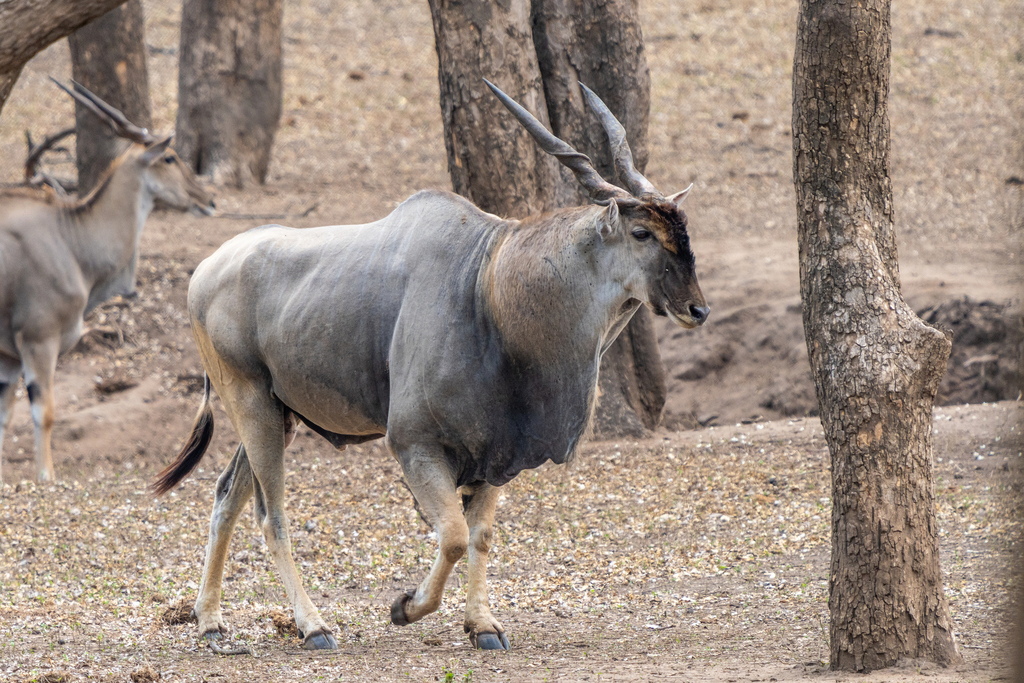
The first rays of the African sun pierced the dense mopane thicket, painting the dusty landscape in hues of gold and amber. The air, crisp from the pre-dawn chill, was already beginning to warm, carrying the faint scent of acacia and dry grass. Ahead, our tracker, a man whose eyes seemed to read the earth like an open book, paused, pointing to a set of massive, cloven hoofprints pressed deep into the sandy soil. "Big bull," he whispered, a smile creasing his weathered face. "Fresh." My heart hammered against my ribs, a primal rhythm echoing the excitement of the hunt. This was it: the spoor of a Common Eland, Africa's largest antelope, a creature of immense power and surprising shyness.
To pursue the Common Eland is to immerse yourself in the raw beauty and challenging reality of the African bush. It's a hunt that demands patience, physical fitness, and a deep respect for an animal that combines the stature of a small ox with the wariness of a kudu. Their incredible size, spiraled horns, and the unique "click" their joints make as they walk, all contribute to an unforgettable experience. Whether you're drawn by the majestic trophy, the exceptional table fare, or simply the profound connection to the wild, hunting eland is a quintessential African adventure, typically pursued during the dry season across the vast plains and woodlands of Southern and Eastern Africa. It’s a pursuit that will test your skills and reward you with memories that last a lifetime.
When to Go (Best Seasons and Times)
Timing is everything when pursuing the elusive Common Eland. For most of their range across Southern and Eastern Africa, the dry season offers the most favorable hunting conditions. This typically runs from May through October.
-
Dry Season Advantages (May-October):
- Visibility: With less foliage on the trees and bushes, visibility improves significantly, making it easier to spot eland at a distance and navigate the terrain.
- Tracking: The dry, dusty ground holds spoor (tracks) much better, allowing trackers to follow herds more effectively. Water sources become scarcer and more concentrated, often drawing eland to predictable locations.
- Animal Behavior: Eland tend to congregate in larger herds during the dry season, making them potentially easier to locate, though their wariness remains. They also spend more time foraging, which can present opportunities.
- Comfort: While days can be hot, the lack of rain means fewer mosquitoes and generally more comfortable conditions for extended periods in the bush.
-
Times of Day:
- Early Morning: Eland are most active during the cooler hours of dawn, moving from their nocturnal feeding grounds to daytime resting areas. This is often when you'll find fresh tracks and catch them out in the open.
- Late Afternoon: As the heat of the day subsides, eland become active again, feeding before settling down for the night. The golden hour light also makes for excellent visibility and photography.
- Mid-day: During the hottest part of the day, eland often seek shade in dense cover, making them harder to find and stalk. This is typically a good time for trackers to follow spoor and prepare for the afternoon hunt.
-
Weather Patterns: Expect hot, dry days, especially from August to October. Temperatures can soar, so proper hydration is crucial. Mornings and evenings will be cooler, sometimes requiring a light jacket. Dust is a constant companion, so protect your optics and gear.
Where to Hunt (Top Locations)
Common Eland are widely distributed across Southern and Eastern Africa. When planning an international hunting trip, you'll typically be looking at private concessions or government-managed hunting blocks. Here are some of the top regions:
- Namibia: Renowned for its vast, well-managed conservancies and private game farms. Namibia offers excellent eland populations and a highly professional hunting industry. The central and northern regions are particularly productive. It's often considered a great option for first-time African hunters due to its stability and infrastructure.
- South Africa: Especially in the Limpopo Province and the Eastern Cape, South Africa boasts numerous high-quality private game ranches. These often offer a more accessible "plains game" experience, including robust eland populations. Many operations are family-run and provide exceptional service.
- Zimbabwe: Areas like the Save Valley Conservancy and other large hunting blocks in the southern and western parts of the country are famous for their healthy eland herds, often producing impressive trophies. Zimbabwe offers a more traditional, wilder hunting experience.
- Tanzania: While often associated with dangerous game, Tanzania's expansive game reserves like the Selous and Ruaha also hold significant eland populations. This is typically a more expedition-style hunt, often combined with other plains game or big five species.
- Botswana: While photographic safaris are more common, limited hunting opportunities exist in certain concessions, particularly in the northern and eastern regions, where eland can be found.
For beginners, well-established private game farms and concessions in Namibia and South Africa are highly recommended. They offer comfortable accommodations, experienced professional hunters (PHs), and a higher success rate due to intensive game management.
How to Hunt (Proven Techniques)
Hunting Common Eland is primarily a foot-based, tracking, and stalking affair. Here’s a step-by-step approach:
For Beginners:
- Spotting and Spoor Identification:
- Your professional hunter (PH) and tracker will be key here. They'll drive slowly along roads or tracks, constantly scanning for fresh spoor (tracks, droppings, browse signs) or spotting eland at a distance.
- Eland tracks are large and distinctive. Learning to differentiate fresh spoor from old is crucial for a successful hunt.
- The Track:
- Once fresh spoor is found, the hunt transitions to foot. The tracker will lead, following the subtle signs left by the eland. This can be slow, painstaking work, often covering many kilometers.
- Pay close attention to wind direction. Eland have an excellent sense of smell.
- The Stalk:
- When eland are spotted, the PH will formulate a plan to get within shooting range. This involves using natural cover (bushes, tall grass, terrain features), moving slowly and quietly, and always keeping the wind in your favor.
- Eland are incredibly wary despite their size. Any sudden movement, sound, or scent can send them crashing through the bush.
- The Shot:
- Aim for a broadside shot, targeting the heart-lung area. Eland are tough animals, and a well-placed shot is essential for a clean kill and ethical hunting.
- Wait for the animal to present a clear, unobstructed shot. Do not rush.
- Use shooting sticks for stability, which your PH will carry and set up quickly.
- Follow-Up:
- If the eland doesn't drop immediately, give it a few minutes before following up. Eland can travel a surprising distance, even with a fatal wound.
- Your PH and tracker will lead the follow-up, looking for blood trails and other signs.
Advanced Tips:
- Understand Eland Behavior: Eland are herd animals, but old bulls often become solitary or form small bachelor groups. They are constantly on the move, covering vast distances daily. Learning their feeding patterns and preferred bedding areas can give you an edge.
- Use Terrain to Your Advantage: Utilize ridges, valleys, and thick cover to mask your approach. Higher ground can offer better glassing opportunities, while dry riverbeds provide silent avenues of approach.
- Practice Long-Range Shooting: While many shots are taken within 150-200 yards, the open African plains can sometimes necessitate longer shots. Practice shooting from various field positions, especially off shooting sticks, out to 300 yards.
Who to Go With (Guides, Groups, or Solo)
For international hunting, especially in Africa, going with a reputable, licensed professional hunter (PH) and outfitter is not just recommended, it's virtually mandatory.
-
Guided Hunts (Recommended):
- Expertise: A PH brings invaluable knowledge of the local terrain, animal behavior, and regulations. They are responsible for your safety and the success of the hunt.
- Logistics: Outfitters handle all the complex logistics, including permits, transportation, accommodation, food, and trophy preparation.
- Legal Compliance: Navigating international hunting laws, import/export regulations for firearms, and trophy paperwork is incredibly complex. A good outfitter ensures everything is done legally.
- Cost Context: Guided hunts are an investment. Daily rates typically range from $350-$800 USD per day for plains game, with additional trophy fees for each animal harvested. This covers the PH, trackers, camp staff, accommodation, food, and daily services.
-
Groups: Many hunters choose to go in small groups (2-4 hunters) to share the experience and sometimes reduce overall costs (though daily rates per hunter usually remain the same, some shared costs like flights might be spread).
-
Solo: While you will be the only hunter with your PH and tracker, you will never truly be "solo" in the African bush due to safety and legal requirements.
When selecting an outfitter, look for: * Strong References: Ask for contact information for past clients. * Clear Communication: Ensure they answer all your questions thoroughly. * Transparency in Pricing: All costs should be clearly laid out. * Ethical Practices: Choose an outfitter committed to fair chase and conservation.
Reputable outfitter regions include Namibia, South Africa, and Zimbabwe, which have well-established hunting industries with many experienced PHs.
Essential Gear Recommendations
Having the right gear is crucial for a successful and comfortable Eland hunt in Africa.
- Rifle & Ammunition:
- Rifle: A minimum of .30-06 Springfield is acceptable, but calibers like .300 Win Mag, .338 Win Mag, 9.3x62mm, or .375 H&H Magnum are better choices for the tough hide and large bone structure of an Eland. Bolt-Action Hunting Rifle → Shop on Amazon
- Ammunition: High-quality, stoutly constructed bullets designed for deep penetration are paramount. Examples include Barnes TSX, Nosler Partition, Swift A-Frame, or Hornady GMX. Bring at least 60-80 rounds.
- Optics:
- Rifle Scope: A variable power scope (e.g., 3-9x, 4-12x, or 2.5-10x) with good light-gathering capabilities and a clear reticle. Variable Power Rifle Scope → Shop on Amazon
- Binoculars: 8x42 or 10x42 are ideal for spotting game and evaluating trophies. 10x42 Binoculars → Shop on Amazon
- Clothing:
- Hunting Clothes: Lightweight, breathable, quick-drying fabrics in drab greens, browns, or camouflage patterns. Long sleeves and pants are essential for sun protection and thorn bush. Lightweight Hunting Shirt → Shop on Amazon, Durable Hunting Pants → Shop on Amazon
- Hat: Wide-brimmed hat for sun protection. Wide-Brimmed Bush Hat → Shop on Amazon
- Layering: A light jacket or fleece for cool mornings/evenings.
- Footwear:
- Hunting Boots: Well-broken-in, comfortable, sturdy, ankle-supporting boots are non-negotiable. You'll be doing a lot of walking. High-Quality Hiking Boots → Shop on Amazon
- Gaiters: Recommended to keep thorns, seeds, and dust out of your boots.
- Backpack: A small daypack (20-30 liters) to carry water, snacks, camera, and extra layers. Day Hunting Pack → Shop on Amazon
- Other Essentials:
- First-Aid Kit: Basic personal first-aid supplies. Your PH will have a comprehensive kit.
- Sunscreen & Insect Repellent: High SPF sunscreen and repellent with DEET or Picaridin.
- Water Bottle/Hydration Pack: Crucial for staying hydrated in the African heat.
- Headlamp/Flashlight: For camp and early morning/late evening activities.
- Camera: To capture your memories.
- Knife: A good quality folding or fixed-blade knife.
- Passport, Visa, Permits: All necessary travel and hunting documentation.
Budget-Friendly Alternatives:
- Used Rifle: A quality used rifle in a suitable caliber can save significant money.
- Basic Optics: Entry-level binoculars and rifle scopes from reputable brands can perform well without breaking the bank.
- Generic Outdoor Clothing: Non-hunting specific outdoor clothing in neutral colors can substitute for specialized hunting apparel. Just prioritize comfort and durability.
Expected Costs (Full Setup vs. Budget Version)
Hunting Common Eland in Africa is an investment. Costs can vary widely based on the country, outfitter, duration of the hunt, and trophy quality. Here’s a general breakdown in USD, as most international outfitters quote in this currency:
-
Outfitter Daily Rates:
- Budget (7-10 days): $350 - $500 per day x 7-10 days = $2,450 - $5,000 USD
- Mid-Range (7-10 days): $500 - $800 per day x 7-10 days = $3,500 - $8,000 USD
- These rates typically include accommodation, food, PH services, trackers, and basic camp staff.
-
Trophy Fee (Common Eland):
- Average: $2,000 - $4,000 USD (This is paid only if you harvest an Eland.)
-
Flights:
- International Airfare: $1,500 - $3,000+ USD (Round trip to Johannesburg, South Africa, or Windhoek, Namibia, then potentially a domestic flight.)
-
Permits & Licenses:
- Hunting License/Permit: $100 - $300 USD (Varies by country/province.)
- Firearm Import Permit: $50 - $200 USD (Required to bring your rifle into the country.)
-
Miscellaneous:
- Trophy Preparation (Dip & Pack): $300 - $600 USD (For basic cleaning and preparation for export.)
- Shipping & Taxidermy: Highly variable, can range from $2,000 - $5,000+ USD depending on destination and type of mount.
- Tips: Customary for PH, trackers, and camp staff. Budget 10-20% of the daily rate for the PH, and smaller amounts for staff.
- Travel Insurance: Highly recommended.
- Vaccinations/Medications: Consult your doctor.
Total Estimated Costs (Excluding personal gear purchases):
- Budget Hunt (Minimal trophy fees, basic services): $7,000 - $12,000 USD
- Mid-Range Hunt (Good outfitter, one Eland trophy): $12,000 - $20,000+ USD
Important Note: These are estimates. Always request a detailed, all-inclusive quote from your chosen outfitter. Always advise readers to check current fees with the appropriate national or regional wildlife authorities and your chosen outfitter before committing.
Regulations and Conservation
Hunting Common Eland in Africa is a highly regulated activity, designed to ensure sustainable populations and ethical practices. The specific regulations vary by country and even by province or conservancy within a country.
-
Key Regulatory Considerations:
- National Wildlife Acts: Each country (e.g., Namibia, South Africa, Zimbabwe, Tanzania) has its own overarching wildlife and conservation legislation.
- Provincial/Regional Ordinances: Within countries, specific regions may have additional rules. For example, in South Africa, hunting is regulated by provincial conservation authorities.
- Permits and Licenses: Hunters must obtain valid hunting licenses and permits from the relevant national or regional wildlife authority (e.g., Ministry of Environment, Forestry and Tourism in Namibia; Provincial Conservation Authorities in South Africa). Your chosen outfitter will typically facilitate this process.
- Firearm Import Permits: Bringing your own rifle into an African country requires a temporary import permit, which must be secured in advance.
- CITES: While Common Eland are not listed on CITES Appendix I, some sub-species or specific regions might have CITES requirements, especially for trophy export. Your outfitter will guide you on this.
- Quota System: Hunting is often managed through a quota system, where a limited number of animals are allocated for harvest each year to ensure population health.
- Minimum Caliber: Most countries have minimum caliber requirements for different species. For Eland, this is typically .30-06 or larger.
-
Conservation Status:
- The Common Eland (Taurotragus oryx) is generally classified as "Least Concern" by the IUCN Red List, indicating stable and widespread populations across much of its range.
- Regulated hunting plays a vital role in Eland conservation. Trophy fees and daily rates paid by hunters provide significant revenue streams for anti-poaching efforts, habitat protection, and community development programs. This creates an economic incentive for local communities and landowners to protect wildlife and their habitats.
- Habitat loss and fragmentation are ongoing threats in some areas, but well-managed hunting concessions often maintain pristine habitat for eland and other wildlife.
Crucial Advice: Never fabricate specific regulation details — always advise readers to check current regulations with the appropriate national or regional wildlife authority and their chosen outfitter before planning or embarking on any hunt. Your outfitter is your primary resource for navigating the complex legal landscape of international hunting.
Pro Tips and Common Mistakes to Avoid
Hunting Common Eland is a rewarding challenge. Here are some pro tips and common pitfalls to steer clear of:
Pro Tips:
- Get Fit: Eland hunting often involves extensive walking (many kilometers a day) in hot, uneven terrain. Start a fitness regimen well in advance – cardio and leg strength are key.
- Practice Your Shot Placement: Eland are large and tough. Practice shooting from various field positions, especially off shooting sticks, and focus on precise shot placement for the heart/lung area.
- Patience on the Track: Don't rush the tracking process. Eland can cover ground quickly. Trust your tracker and PH; their experience is invaluable.
- Wind Awareness is Paramount: Eland have an incredible sense of smell. Always be mindful of wind direction and use it to your advantage during the stalk.
- Respect the Animal: Eland are magnificent creatures. Approach the hunt with respect, aiming for a clean, ethical harvest.
- Hydrate, Hydrate, Hydrate: The African sun is relentless. Drink plenty of water throughout the day, even if you don't feel thirsty.
- Listen to Your PH: Your professional hunter has years of experience. Follow their instructions implicitly for safety and success.
Common Mistakes to Avoid:
- Inadequate Physical Preparation: Underestimating the physical demands of the hunt leads to fatigue, missed opportunities, and a less enjoyable experience.
- Rushing the Shot: Eland are notoriously skittish. A rushed shot often results in a poor hit and a long, difficult follow-up, or a lost animal. Wait for a clear, confident shot.
- Wearing Unsuitable Clothing/Footwear: Ill-fitting boots cause blisters, and inappropriate clothing can lead to discomfort, sunburn, or overheating. Invest in quality gear.
- Ignoring Wind Direction: Approaching downwind will almost guarantee the eland scent you and disappear before you get within range.
- Not Practicing with Your Rifle: Familiarity with your firearm and ammunition is critical. Know your rifle's capabilities and your own limitations.
- Under-Calibering Your Rifle: While a .30-06 can work, using a more powerful caliber like a .375 H&H provides a greater margin for error and better terminal performance on such a large animal.
Conclusion
Hunting the Common Eland is an adventure that transcends the mere act of taking an animal. It’s an immersion into the wild heart of Africa, a test of patience, skill, and physical endurance, and a profound connection to one of the continent's most majestic antelopes. From the thrill of tracking massive spoor through the sun-drenched bush to the careful stalk and the challenging shot, every moment is etched into your memory. The reward is not just a magnificent trophy and exceptional wild game meat, but the invaluable experience of an authentic African safari, guided by experts and steeped in ethical tradition.
So, if you're ready to answer the call of the wild, to pit your skills against the formidable Common Eland, start planning your African adventure today. It promises to be a journey you'll never forget. Next time, we'll dive into the thrilling pursuit of another African icon – perhaps the elusive Leopard!
As an Amazon Associate I earn from qualifying purchases at no extra cost to you. Links above are affiliate search links — prices may vary. Generated 2026-07-15