
Hunt California Bighorn Sheep Like a Pro: Complete Hunting Guide
Introduction
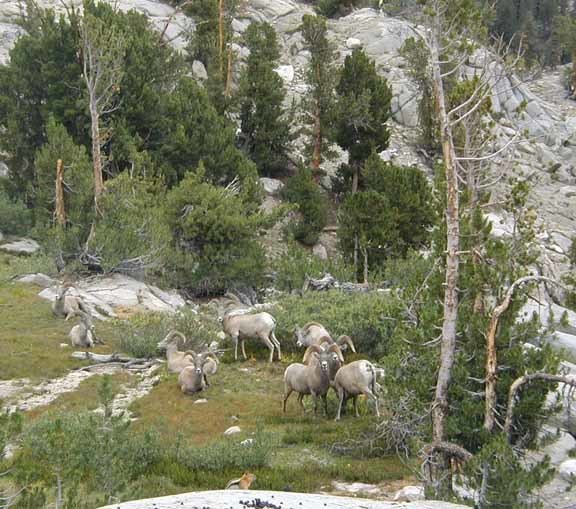
The sun crests over jagged, snow-dusted peaks, painting the granite a fiery orange. You've been glassing for hours, your eyes straining against the vastness of the high country, when suddenly, a flicker of movement. A band of bighorn sheep, perfectly camouflaged against the talus slope, emerges from the shadows. Among them, a ram, his massive, curling horns a testament to years of survival in this unforgiving landscape. Your heart pounds a rhythm against your ribs – this is it. This is the moment you've dreamed of, the culmination of years of preparation, applications, and a healthy dose of mountain grit.
Hunting California Bighorn Sheep isn't just a pursuit; it's an odyssey into some of North America's most breathtaking and challenging wilderness. It’s a test of physical endurance, mental fortitude, and keen hunting skill. These majestic animals inhabit rugged, high-elevation terrain, demanding respect and reverence from those who seek them. A successful bighorn hunt is often considered the pinnacle of North American big game hunting, offering an unparalleled experience in stunning landscapes, primarily across the Western United States and parts of British Columbia. If you're ready to embrace the challenge and chase one of the continent's most iconic trophies, let's dive into what it takes to hunt California Bighorn Sheep like a pro.
When to Go (Best Seasons and Times)
California Bighorn Sheep hunting seasons are typically short, specific, and highly regulated, often running from late summer through late fall, sometimes extending into early winter depending on the state and specific hunt unit. The exact timing is crucial for success and varies significantly by location.
- Late Summer (August - September): Often the earliest seasons open, this time can present warmer weather, longer daylight hours, and rams still in their summer patterns, often in higher elevations. However, sudden thunderstorms can quickly turn dangerous, and heat can be a significant factor in lower ranges.
- Fall (October - November): This is a prime time for many bighorn hunts. Temperatures are generally cooler, making physical exertion more manageable. Rams are often more active as the rut approaches, and their coats are in prime condition. Snow can begin to fall, adding another layer of challenge and beauty to the hunt.
- Early Winter (December): Some late-season hunts can extend into December. While the weather can be brutal with deep snow and extreme cold, rams may be more concentrated in wintering grounds, potentially making them easier to locate, albeit harder to access.
Time of Day: Like most big game, bighorns are most active during the cooler parts of the day. * Early Mornings: Be in your glassing position before first light. Rams will often be feeding or moving from bedding areas. * Late Evenings: As temperatures drop, sheep will again become active, feeding before bedding down for the night. * Mid-day: Don't dismiss the mid-day hours. While sheep may be bedded, careful glassing can often reveal them chewing their cud or simply resting, providing an opportunity for a slow, deliberate stalk.
Always consult the specific state or provincial wildlife agency for the precise season dates for your tag.
Where to hunt (Top Locations)
Hunting California Bighorn Sheep is a rare opportunity, as tags are extremely limited and often allocated through lottery systems. The best hunting areas are typically found on public lands in the Western United States and British Columbia.
- California (Sierra Nevada, Peninsular Ranges): California is home to its namesake bighorn, primarily in the rugged Sierra Nevada mountains and the desert Peninsular Ranges (though these are often Nelson Bighorn, a subspecies). Tags are incredibly scarce, making a California hunt a truly once-in-a-lifetime draw. Focus on specific hunt units designated by the California Department of Fish and Wildlife (CDFW).
- Oregon (Central and Eastern High Desert): Oregon offers limited opportunities in its vast and beautiful high desert ranges, such as the John Day River country and the Steens Mountains. The Oregon Department of Fish and Wildlife (ODFW) manages these highly coveted tags.
- Washington (Cascade Mountains, Blue Mountains): Washington's bighorn populations are found in the rugged terrain of the Cascade Mountains and the smaller Blue Mountains in the southeast. These hunts are physically demanding but offer stunning scenery. The Washington Department of Fish and Wildlife (WDFW) oversees these hunts.
- Nevada (Northern Ranges): While Nevada is famous for its desert bighorn, California bighorns are found in some of its northern mountain ranges. Nevada offers some of the best overall sheep hunting opportunities in the US, albeit with incredibly tough draws. The Nevada Department of Wildlife (NDOW) is your resource here.
- Idaho (Owyhee Mountains, Snake River Breaks): Idaho also holds healthy populations of California bighorns in rugged, remote areas. Tags are highly sought after. The Idaho Department of Fish and Game (IDFG) manages these draws.
- British Columbia, Canada: For hunters seeking international opportunities, British Columbia is a premier destination for California Bighorn Sheep. Vast wilderness areas in the province's interior, particularly the Chilcotin and Cariboo regions, offer excellent hunting. Guided hunts are common and often necessary for non-residents. Consult BC's Ministry of Forests, Lands, Natural Resource Operations and Rural Development for regulations.
For beginners, "accessible" in sheep hunting terms often means a long hike into rugged country. Public land options are the standard for DIY hunts, but guided hunts are available in all these regions, offering a significant advantage in navigating the terrain and locating sheep.
How to hunt (Proven Techniques)
Hunting California Bighorn Sheep is predominantly a spot-and-stalk affair, requiring immense patience and physical conditioning.
Step-by-Step Approach for Beginners:
- Physical Conditioning is Paramount: Start training months in advance. You'll be hiking steep, rocky terrain at high altitudes, often carrying a heavy pack. Focus on cardio, leg strength, and endurance.
- Master Your Optics: This is 90% of sheep hunting. Find a high vantage point overlooking potential sheep habitat at dawn or dusk. Systematically glass every rock, crevice, and ridge line.
- Use a high-quality spotting scope on a sturdy tripod.
- Scan slowly, grid by grid, paying attention to areas with feed, water, and escape routes.
- Locate and Evaluate: Once you spot sheep, don't immediately rush in. Observe their behavior, assess the ram's size, and identify his travel patterns. Use your optics to judge if it's a legal ram according to regulations (e.g., full curl, age).
- Plan Your Stalk: This is critical. Identify a route that keeps you out of sight and downwind. Sheep have incredible eyesight and a keen sense of smell.
- Consider terrain features for cover (ridges, drainages, boulders).
- Factor in wind direction – never let it blow your scent towards the sheep.
- Estimate distances and potential shooting lanes.
- The Approach: Move slowly and deliberately. Take your time. One wrong move can spook the entire band.
- Stop frequently to re-glass and confirm the sheep's location.
- Use natural cover. Crawl if necessary.
- Be prepared to wait for hours for the right opportunity.
- The Shot: Once in position, get steady. Use a bipod, backpack, or natural rest. Take your time, control your breathing, and make a clean, ethical shot. Be prepared for a follow-up shot.
Advanced Tips:
- Backpack Hunting: For remote, wilderness units, plan multi-day backpack hunts. This allows you to get deep into sheep country, away from any potential pressure, and spend more time observing. Pack light but be prepared for anything.
- Understanding Thermals: In mountainous terrain, wind patterns change throughout the day. In the morning, cold air flows downhill (down-canyon). In the afternoon, warm air rises (up-canyon). Use this to your advantage to stay downwind during your stalk.
- Pre-Season Scouting: If possible, scout your unit extensively before the season. Learn the terrain, identify water sources, and locate historical sheep ranges. This can significantly increase your chances of success.
- Patience and Persistence: Sheep hunting is often characterized by long days of glassing and grueling stalks that may not pan out. Be prepared for setbacks and maintain a positive attitude. The reward is worth the effort.
Who to Go With (Guides, Groups, or Solo)
The decision of whether to hunt California Bighorn Sheep with a guide, a group, or solo largely depends on your experience, physical condition, and budget.
- Guided Hunts: For most hunters, especially those new to sheep hunting or those from out-of-state/country, a guided hunt is the most realistic path to success.
- Pros: Guides have intimate knowledge of the terrain, sheep behavior, and where to find legal rams. They handle logistics like camp setup, packing, and game retrieval. This is invaluable in remote, rugged country.
- Cons: Cost. Guided sheep hunts are among the most expensive big game hunts available, often ranging from $20,000 to $50,000+ USD, depending on the outfitter, location (e.g., US vs. BC), and duration.
- Recommendations: For US hunts, research reputable outfitters licensed in the specific state you draw a tag. For British Columbia, look for outfitters with a proven track record in the Chilcotin or Cariboo regions. Book well in advance.
- Group Hunts (DIY with Friends): If you and your hunting partners are experienced in backcountry hunting, physically fit, and one of you draws a tag, a group DIY hunt is a viable option.
- Pros: Shared workload, shared experience, significantly lower cost than a guided hunt. More eyes for glassing.
- Cons: Requires extensive planning, navigation skills, wilderness first aid knowledge, and the ability to self-rescue. All members must be in peak physical condition.
- Solo Hunts (DIY): Solo sheep hunting is for the most experienced, self-reliant, and physically capable individuals. It's an extreme challenge.
- Pros: Ultimate self-reliance, complete control over the hunt.
- Cons: Extremely dangerous if something goes wrong, no one to help with packing out an animal, immense physical and mental strain. Not recommended for beginners.
Given the rarity and difficulty of drawing a tag, many hunters view a sheep tag as a "once-in-a-lifetime" opportunity and opt for a guided hunt to maximize their chances of success and safety.
Essential Gear Recommendations
Hunting California Bighorn Sheep demands top-tier, reliable gear that can withstand extreme mountain conditions. Investing in quality pays dividends.
- Optics (The Most Important):
- Spotting Scope: 20-60x or 25-75x with a large objective lens (65-85mm) for clear viewing at long distances. Kowa Prominar TSN-883 → Shop on Amazon
- Binoculars: 10x42 or 12x50 for general glassing. Swarovski EL Range 10x42 → Shop on Amazon
- Tripod: Sturdy, lightweight carbon fiber tripod for both spotting scope and binos. Really Right Stuff Ascent Series Tripod → Shop on Amazon
- Rangefinder: Essential for accurate shot placement in mountain terrain. Leica Geovid Pro 10x32 → Shop on Amazon
- Firearm:
- Rifle: Lightweight, accurate bolt-action rifle chambered in a flat-shooting cartridge (e.g., .270 Win, 6.5 PRC, 7mm Rem Mag, .300 Win Mag). Christensen Arms Ridgeline FFT → Shop on Amazon
- Scope: High-quality variable power scope (e.g., 3-15x, 4-20x) with a ballistic reticle or turrets. Leupold Mark 5HD 3.6-18x44 → Shop on Amazon
- Ammunition: Premium hunting bullets designed for terminal performance at various ranges. Practice extensively with your chosen load.
- Bipod: Lightweight, sturdy bipod for stable shooting. Javelin Lite Bipod → Shop on Amazon
- Footwear & Clothing:
- Mountain Boots: Stiff-soled, waterproof, high-ankle support boots, well broken in. Kenetrek Mountain Extreme 400 → Shop on Amazon
- Gaiters: To keep debris and snow out of your boots.
- Layering System:
- Base Layers: Merino wool or synthetic for moisture wicking.
- Mid Layers: Fleece or puffy jacket for insulation.
- Outer Shell: Waterproof, windproof, breathable jacket and pants. Sitka Cloudburst Jacket → Shop on Amazon
- Puffy Vest/Jacket: For glassing periods.
- Gloves, Hat, Neck Gaiter: Essential for warmth and sun protection.
- Backpack:
- Internal Frame Pack: 60-80 liter capacity for multi-day hunts, capable of hauling meat. Kifaru FMR → Shop on Amazon
- Day Pack: Smaller pack for stalks if using a base camp.
- Navigation & Safety:
- GPS Device/App: With pre-loaded maps and waypoints. Garmin inReach Mini 2 → Shop on Amazon
- Map & Compass: Backup navigation.
- Satellite Communicator: For emergencies in areas without cell service. Garmin inReach Mini 2 → Shop on Amazon
- First-Aid Kit: Comprehensive kit for wilderness emergencies.
- Headlamp: With extra batteries.
- Water Filter/Purifier: Sawyer Squeeze Water Filter → Shop on Amazon and backup tablets.
- Shelter: Lightweight tent or tarp if backpacking.
- Sleeping System: Warm sleeping bag and pad appropriate for expected temperatures.
- Miscellaneous:
- Knife: Sharp, durable blade for field dressing.
- Game Bags: Breathable, lightweight bags for meat.
- Trekking Poles: Invaluable for steep ascents and descents.
- Sunscreen & Lip Balm: High altitude sun is intense.
- High-Energy Food: Light but calorie-dense meals and snacks.
Budget-Friendly Alternatives: While top-tier gear is ideal, you can still hunt sheep on a budget by prioritizing. Focus on quality optics and footwear first. Look for previous year's models, sales, or reputable used gear. Brands like Vortex Optics, Maven Optics, and Stone Glacier offer excellent performance at a slightly lower price point than top-tier European brands. For rifles, Savage, Ruger, and Tikka offer excellent accuracy for the money.
Expected Costs (Full Setup vs. Budget Version)
Hunting California Bighorn Sheep is an investment, often one of the most significant in a hunter's career. Costs can vary wildly.
License & Tag Costs (USD): * Application Fees: ~$10 - $20 per state. * Non-Resident License: ~$150 - $200 (annual fee). * California Bighorn Tag: If you draw, this is the big one. Non-resident tags can range from ~$1,500 to $2,500+ depending on the state. For example, a non-resident sheep tag in Oregon might be around $1,600-$2,000, while in some other states it could be more. Always check current fees with the respective state fish and wildlife agency. These fees are non-refundable if you don't hunt or fill your tag.
Full Setup (Guided Hunt & Top-Tier Gear): * Guided Hunt: $25,000 - $50,000+ (includes guide fees, food, lodging, transportation during the hunt). * High-End Gear: $10,000 - $20,000+ (optics, rifle, clothing, backpack, etc.). * Travel (Flights, Vehicle Rental, Hotels): $1,000 - $3,000+ * Meat Processing/Taxidermy: $1,000 - $5,000+ * Total: $37,000 - $78,000+ USD
Budget Version (DIY Hunt & Mid-Range Gear): * DIY Hunt (No Guide): $1,000 - $3,000 (includes gas, food, camp supplies for a 7-10 day hunt). * Mid-Range Gear: $3,000 - $8,000 (carefully selected optics, used rifle, solid boots, layering system). * Travel: $500 - $2,000 * Meat Processing/Taxidermy: $500 - $3,000 * Total: $6,500 - $16,000+ USD (plus the cost of the tag if drawn)
Remember, these are estimates. The biggest variable is the guided hunt cost. Many hunters spend years applying for tags, accruing preference points, before ever having the opportunity to hunt. Factor in the long-term cost of applying annually.
Regulations and Conservation
Regulations for California Bighorn Sheep are among the most stringent in North America, reflecting the species' conservation status and the immense value placed on these hunts.
- Limited Draw System: In the United States, tags are almost exclusively allocated through complex lottery systems. Hunters typically apply annually, often accumulating "preference points" or "bonus points" that increase their odds in subsequent years. Drawing a tag can take decades for non-residents, and still many years for residents.
- Specific Unit Regulations: Each tag is typically for a specific hunt unit, with defined boundaries and season dates. It is absolutely critical to understand the regulations for your specific unit.
- Ram Requirements: Regulations often specify the legal size of a ram, typically based on horn length, curl, or age. For example, a "full curl" ram, or a ram that is "8 years old or older," is common. Learning to accurately judge a ram in the field is a vital skill.
- Mandatory Reporting: Successful hunters are usually required to report their harvest within a specific timeframe and often present the skull and horns for mandatory inspection and plugging by the wildlife agency. This data is crucial for population management.
- Conservation Status: California Bighorn Sheep populations, while recovered from historical lows, are still carefully managed. Habitat loss, disease transmission from domestic sheep, and limited suitable range remain ongoing challenges. The revenue generated from tag sales often directly funds bighorn sheep research, habitat improvement, and transplant programs, making every hunt a contribution to their conservation.
- Check Current Regulations: It is imperative that you always check the most current regulations directly with the relevant state fish and wildlife agency (e.g., California Department of Fish and Wildlife, Oregon Department of Fish and Wildlife, Washington Department of Fish and Wildlife, Nevada Department of Wildlife, Idaho Department of Fish and Game) or, for British Columbia, the provincial wildlife authority, before planning or embarking on any hunt. Regulations can change annually.
Pro Tips and Common Mistakes to Avoid
Hunting California Bighorn Sheep is a challenging endeavor. Here are some pro tips and common mistakes to help you succeed:
Pro Tips:
- Glass, Glass, Glass: You can't shoot a ram you can't see. Dedicate 90% of your hunting time to glassing from high vantage points. Use a systematic grid pattern.
- Learn to Judge Rams: Practice judging horn size and age using photos and videos before your hunt. A legal ram can look different in varying light and terrain.
- Physical Fitness is Your Weapon: Be in the best shape of your life. This isn't just about hiking; it's about being able to perform under pressure after a grueling climb.
- Practice Long-Range Shooting: While you always aim for the closest ethical shot, be proficient out to 400-500 yards. Practice from field positions, not just a bench.
- Master Wind and Thermals: Understand how mountain winds behave throughout the day. Always approach from downwind.
- Pack Light, But Be Prepared: Every ounce matters on a sheep hunt. However, don't skimp on essential safety gear or warm clothing.
- Patience is Your Best Friend: Sheep hunting is a game of patience. Be prepared for long waits, multiple stalks, and days without seeing a legal ram.
Common Mistakes to Avoid:
- Not Being Physically Prepared: This is the number one reason hunters fail or have a miserable experience. Don't underestimate the mountains.
- Rushing the Stalk: A hasty approach will almost always spook the sheep. Take your time, use cover, and be deliberate.
- Forgetting Water/Hydration: Dehydration at high altitude can quickly lead to serious problems. Always carry and filter plenty of water.
- Poor Optics: Trying to save money on optics for a sheep hunt is a critical error. You can't identify a ram from a ewe, let alone judge legality, with subpar glass.
- Underestimating the Weather: Mountain weather is unpredictable. Sudden storms, drastic temperature drops, and high winds are common. Not having proper layering or rain gear can be dangerous.
- Not Practicing Your Shooting: A long stalk can be ruined by a missed shot. Be confident in your rifle and your ability to shoot accurately under stress.
- Ignoring Regulations: Not knowing the specific legal requirements for your unit (e.g., horn size, age) can lead to an illegal harvest, penalties, and the loss of a valuable trophy.
Conclusion
Hunting California Bighorn Sheep is more than just a hunt; it's an unforgettable pilgrimage into some of the most wild and majestic corners of our continent. It's a journey that will test your limits, sharpen your senses, and reward you with a profound connection to the wilderness and an unparalleled sense of accomplishment. The challenge is immense, the tags are rare, and the effort required is significant, but the experience of pursuing these magnificent animals in their natural habitat is truly priceless.
Start your physical training, immerse yourself in learning about bighorn behavior, and begin applying for those coveted tags. The mountains are calling, and a California Bighorn Sheep hunt awaits those with the dedication to answer.
Next time, we'll explore strategies for hunting elusive Rocky Mountain Elk in the vast backcountry. Stay tuned!
As an Amazon Associate I earn from qualifying purchases at no extra cost to you. Links above are affiliate search links — prices may vary. Generated 2026-07-09