Catch Longear Sunfish Like a Pro: Complete Fishing Guide
Introduction
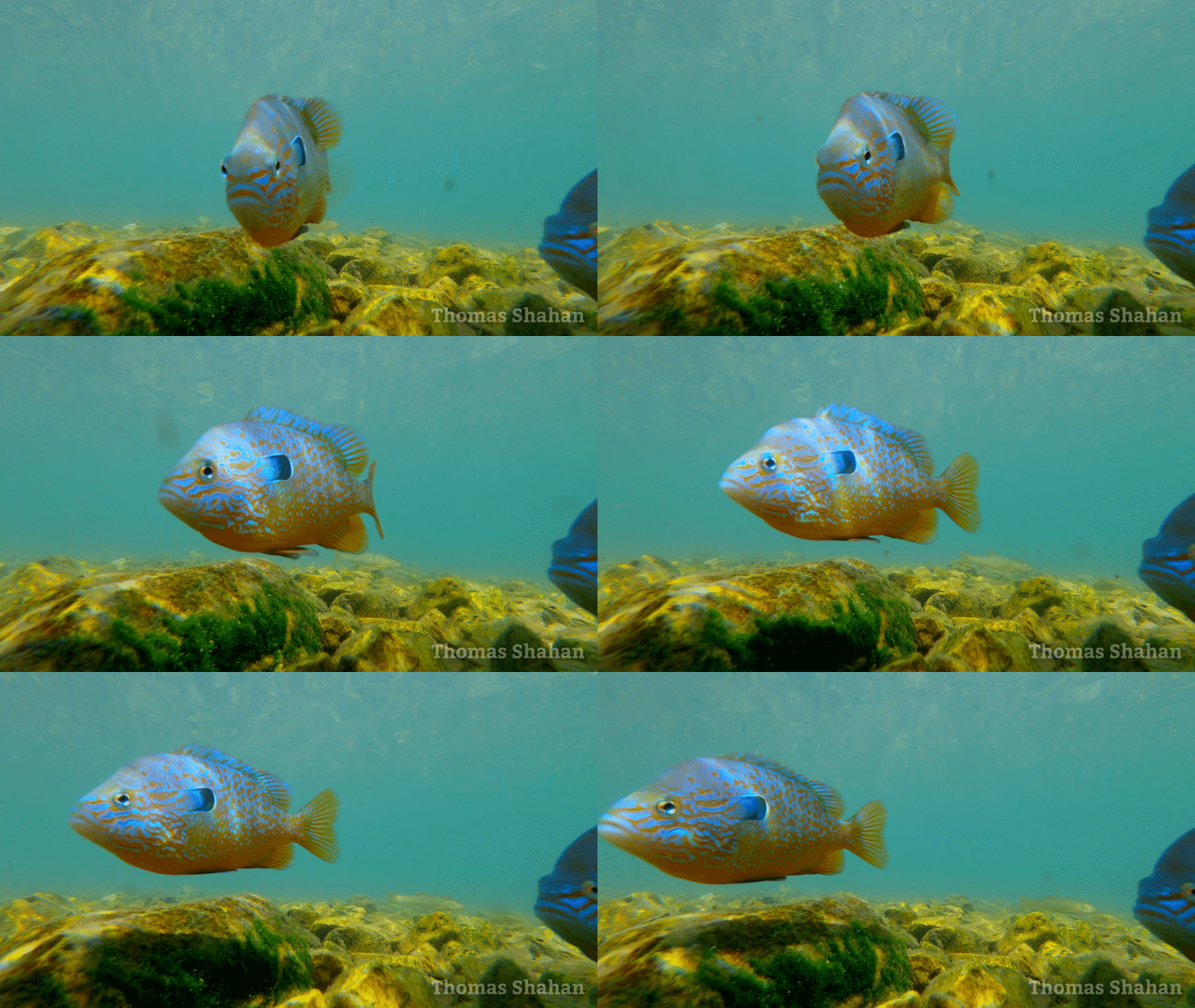
The water is gin-clear, flowing over a bed of smooth, multi-colored stones in a classic Ozark stream. Sunlight filters through the sycamore leaves, making the creek dance with light. I make a short, delicate cast, dropping a tiny 1/64th ounce jig just upstream of a submerged log. As the current sweeps it past the dark shadow, a flash of impossible color erupts from the depths. It’s not big, but the brilliant turquoise, fiery orange, and electric blue of the male Longear Sunfish is breathtaking. He hits the jig with a ferocity that belies his palm-sized frame, and my ultralight rod bends into a deep arc. This isn't just "panfishing"; this is pursuing living jewels in some of the most beautiful places on earth. Longear Sunfish (Lepomis megalotis) are arguably the most vibrant freshwater fish in North America, and their aggressive nature makes them an absolute thrill to pursue, especially on light tackle.
When to Go (Best Seasons and Times)
Timing is everything when you want to see Longears in their full, spectacular glory. While you can catch them from spring through fall, the peak season is undeniably the spawn.
-
Peak Season (Late Spring to Mid-Summer): From May through early August, depending on your latitude, Longear Sunfish move into shallow, gravelly areas of streams and lakes to spawn. The males, adorned in their most intense breeding colors, become fiercely territorial. They hollow out nests in the gravel and will aggressively attack anything that comes near. This is the absolute best time to catch the most colorful and aggressive fish.
-
Best Time of Day: The classic "golden hours" of early morning and late evening are always productive. The lower light makes the fish feel more secure and they often feed more actively. However, one of the great things about stream fishing for Longears is that it can be an all-day affair. Look for shaded pools and undercut banks during the bright midday sun; the fish will be holding there, ready to ambush a meal.
-
Weather Patterns: Stable, sunny weather is often best for sight-fishing in clear streams. A few days of consistent warmth will push fish into their spawning patterns. Don’t discount an overcast day, though. The reduced glare can make fish less spooky. A light summer rain can also trigger a fantastic bite by washing terrestrial insects like ants and beetles into the water, kicking off a feeding frenzy.
Where to Fish (Top Locations)
Longear Sunfish are native to the Mississippi River and Great Lakes basins of North America. They thrive in clear, slow-moving streams and the shallow, weedy coves of lakes and reservoirs. They prefer rocky or gravelly bottoms over mud. Here are a few fantastic and accessible public water systems to find them:
- Ozark National Scenic Riverways, Missouri: The Current and Jacks Fork Rivers are the quintessential Longear habitat. Gin-clear water, gravel bars, and endless public access make this a top-tier destination for wading or floating.
- Caddo River, Arkansas: Another Ozark gem, the Caddo offers miles of wadeable water with healthy populations of beautifully colored sunfish. Public access points are plentiful.
- Elk River, Tennessee/Alabama: This river system is known for its incredible biodiversity, and the Longear Sunfish are a standout species. It's perfect for a kayak or canoe float trip.
- Big Darby Creek, Ohio: As a designated National Scenic River, the Big Darby boasts exceptional water quality and a thriving Longear population. Numerous metro parks provide excellent bank and wading access.
- Guadalupe River, Texas: While famous for its trout, the warmer sections and tributaries of the Guadalupe River are fantastic Longear fisheries, particularly in the clear, rocky Hill Country stretches.
- Illinois River, Oklahoma: Flowing out of Arkansas, this river offers classic Ozark scenery and fantastic fishing opportunities for feisty sunfish in its clear, cool pools.
How to Fish (Proven Techniques)
Simplicity is key. You don't need a complicated strategy to fool these aggressive fish.
Beginner's Step-by-Step Approach:
- Gear Down: The single most important rule is to use ultra-light tackle. A 4'6" to 6' ultra-light spinning rod with a matching reel spooled with 2 to 4-pound test monofilament line is perfect. Heavy gear will prevent you from casting tiny lures and rob you of the fun fight.
- Find Their Home: Walk the bank or wade slowly. Look for classic fish-holding structure: submerged logs, undercut banks, large rocks, and the edges of weed beds. In the summer, look for their circular nests in shallow gravel areas.
- The Classic Rig: The easiest way to start is with a simple bobber rig. Place a small float (no bigger than a quarter) on your line, add a tiny split-shot sinker about 6-8 inches above your hook, and tie on a small hook (size 10, 12, or 14).
- Bait Up: You can't go wrong with live bait. A small piece of a nightcrawler, a red worm, a cricket, or a wax worm is irresistible. Just enough to cover the hook is all you need.
- The Perfect Drift: Cast your rig upstream of your target and let the current carry it down naturally. Keep the slack out of your line and watch your bobber like a hawk. When it dips, pops, or moves sideways, set the hook with a firm, but gentle, flick of the wrist.
Advanced Fishing Tips:
- Go Artificial with Micro-Jigs: A 1/32 or 1/64 oz jig is a Longear magnet. Hair jigs, small tube jigs, or soft plastics like the Trout Magnet → Shop on Amazon on a tiny jig head are incredibly effective. Cast and retrieve with a slow, steady pace or a series of light twitches.
- Fly Fishing Fun: Targeting Longears with a 2 or 3-weight fly rod is the pinnacle of the sport. They will readily attack small dry flies (size 14-18 Elk Hair Caddis), wet flies, and small nymphs (Pheasant Tail Nymph → Shop on Amazon). Watching a colorful male rise to sip your dry fly from the surface is a pure joy.
- Sight-Fishing the Spawn: During the spawn, wear a good pair of polarized sunglasses and walk the shallows looking for their bright, circular nests. Once you spot a guarding male, you can cast your bait or lure just past his nest and drag it through his territory. This triggers a defensive strike that is both explosive and predictable.
Who to Go With (Guides, Groups, or Solo)
Longear Sunfish are the perfect species for a do-it-yourself adventure.
- DIY / Solo / Small Group: This is the most common and rewarding way to pursue them. Wading a small creek is a peaceful, low-cost experience that's perfect for a solo angler or a couple of friends. It’s also a fantastic way to introduce kids to fishing due to the high action and visual appeal.
- Guided Trips: You'll rarely find a guide who exclusively targets Longear Sunfish. However, many smallmouth bass or trout float-trip guides in regions like the Ozarks or Appalachians are experts on their local ecosystems. Let them know you're interested in catching colorful sunfish, and a good guide will be happy to pull over and hit the perfect spots. This is a great way to access less-pressured water via drift boat or raft.
Essential Gear Recommendations
Ultra-light is the name of the game. Leave the bass gear at home.
-
Must-Have Gear
- Rod and Reel: An ultra-light spinning combo is ideal.
- Ugly Stik GX2 Ultralight Spinning Combo → Shop on Amazon
- Line: Light monofilament or fluorocarbon.
- Stren Original Monofilament, 4lb Test → Shop on Amazon
- Lures & Bait
- Jigs: Trout Magnet 85-Piece Kit → Shop on Amazon
- Hard Baits: Rebel Teeny Wee-Crawfish → Shop on Amazon
- Hooks: Eagle Claw Baitholder Hooks, Size 10-14 → Shop on Amazon
- Apparel & Accessories
- Waders/Boots: Simms Freestone Wading Boots → Shop on Amazon for wading rocky streams.
- Polarized Sunglasses: Absolutely essential for spotting fish. Costa Del Mar Fantail PRO → Shop on Amazon
- Rod and Reel: An ultra-light spinning combo is ideal.
-
Budget-Friendly Alternatives
- Rod and Reel: A Shakespeare Micro Series Spinning Combo → Shop on Amazon offers incredible value.
- Footwear: A pair of old sneakers and shorts works fine in the summer heat.
- Lures: Simple 1/64 oz jig heads and a bag of 1-inch curly tail grubs in white or chartreuse.
- Sunglasses: Any pair of polarized glasses from a big-box store will get the job done.
Expected Costs (Full Setup vs. Budget Version)
This is one of the most accessible and affordable types of fishing you can do.
- Fishing License: This is your first and most important purchase. Costs vary by state, but a resident annual license typically runs from $20 - $50 USD. Always check your state's fish and wildlife agency website for current pricing.
- Full Setup: For an angler wanting quality gear that will last, expect to spend around $300-$400 USD. This includes a quality rod/reel combo (~$75), line ($10), a good selection of lures ($50), waders (~$120), and quality sunglasses (~$150).
- Budget Version: You can get started for under $75 USD. A budget-friendly spinning combo (~$40), line ($5), a few packs of hooks, bobbers, and split shot ($15), and a container of worms ($5) is all you truly need to be successful.
Regulations and Conservation
While Longear Sunfish are abundant, it's our responsibility to be good stewards.
- Check Local Regulations: Longear are almost always managed under the general "sunfish," "bream," or "panfish" category. Daily bag limits are usually generous (often 20-50 fish per person), but they can vary significantly by state and even by the specific body of water. NEVER assume. Always consult the current fishing regulations published by your state's wildlife agency (e.g., the Missouri Department of Conservation, Texas Parks and Wildlife Department) before you go.
- Conservation: Longear Sunfish are an indicator species—their presence signals good water quality. The biggest threat they face is habitat degradation and pollution. Support organizations that protect our waterways. While they are excellent to eat, consider practicing catch-and-release, especially with the large, brilliantly colored spawning males. They are the future of the fishery.
Pro Tips and Common Mistakes to Avoid
After decades of chasing these fish, I've learned a few things that make a big difference.
Pro Tips: 1. Go Stealth: These fish live in clear, shallow water and can be incredibly spooky. Move slowly, avoid making loud noises, and use the shoreline vegetation to hide your silhouette. 2. Downsize Everything: If you're not getting bites, go smaller. Smaller hook, lighter line, a tinier piece of bait. 3. Think Like a Predator: Focus on ambush points. The downstream side of a rock, the shade of an overhanging tree, or the edge of a current seam are all prime spots. 4. The "Dapple" Technique: In tight quarters, don't cast. Instead, use a long rod to simply lower your bait or jig straight down into the water next to a log or under a branch. 5. Wear Drab Clothing: Brightly colored shirts and hats are like a beacon to wary fish. Wear olive, tan, or grey to blend in with your surroundings. 6. Follow the Leader (Rock): The biggest Longear in a pool often claims the best territory, usually next to the largest piece of structure (the biggest rock or log). Target that spot first.
Common Mistakes to Avoid: * Using Heavy Tackle: Trying to use your bass fishing rod will lead to frustration. * Clomping Around: Stomping on the bank or wading carelessly sends vibrations through the water and spooks every fish in the pool. * Ignoring the Edges: Don't just cast to the middle of the creek. Many fish hold tight to the bank right at your feet. * Staying in One Spot: If you don't get a bite in a few casts, move on. Cover water to find active fish.
Conclusion
Fishing for Longear Sunfish is about more than just a tug on the line. It's an excuse to explore beautiful, intimate waters that are often overlooked. It’s about the thrill of sight-fishing for what is arguably the most stunning fish in our country's rivers and streams. They are proof that a fish doesn't have to be a monster to provide a world-class angling experience. So grab an ultra-light rod, find a clear-flowing creek, and go discover the hidden jewels of our American waterways.
Next up, we're trading our waders for boots as we head into the high country to Hunt for Dusky Grouse. Stay tuned
As an Amazon Associate I earn from qualifying purchases at no extra cost to you. Links above are affiliate search links — prices may vary. Generated 2026-07-08