Catch Hybrid Striped Bass Like a Pro: Complete Fishing Guide
Introduction
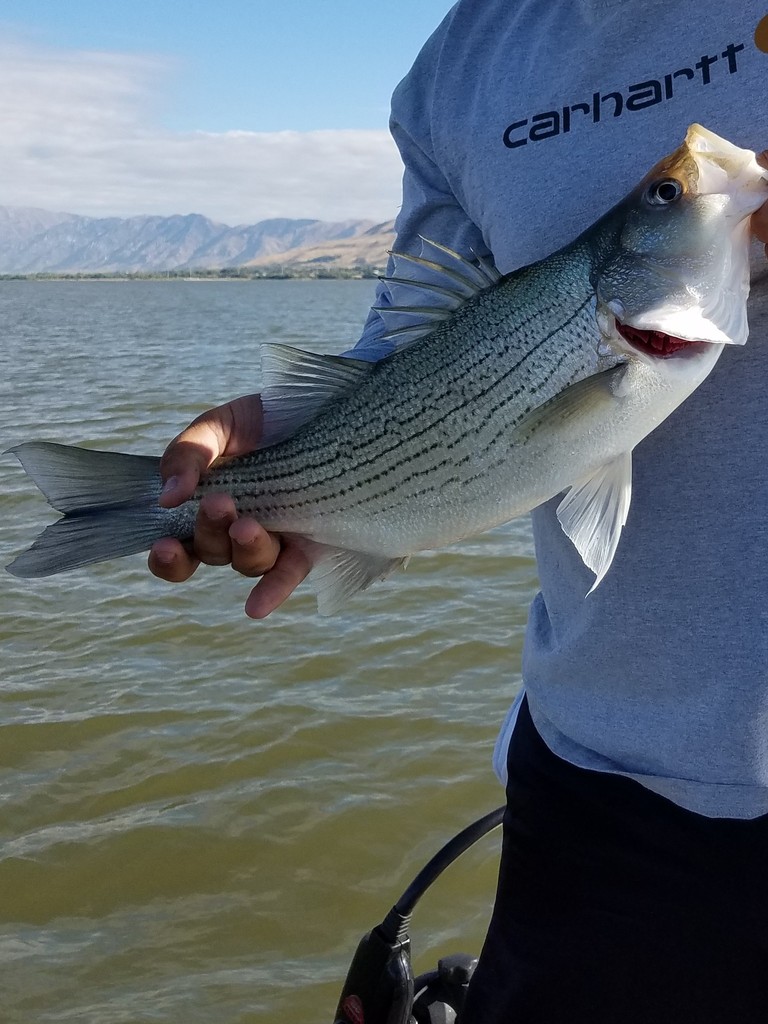
The morning sun was just kissing the water, painting the eastern sky with hues of orange and purple. The air was cool, carrying the scent of damp earth and freshwater. I cast my topwater plug towards a subtle ripple near a submerged hump, letting it sit for a breath before giving it a twitch. WHAM! The surface exploded as a powerful fish absolutely inhaled the lure, ripping line from my reel with an urgency that sent adrenaline coursing through my veins. This wasn't just any fish; this was a Hybrid Striped Bass, a torpedo of muscle and pure fight, often called a "Wiper" for its incredible power and tenacity.
Fishing for Hybrid Striped Bass is an experience every angler, from beginner to seasoned veteran, should have. These hard-fighting crossbreeds of Striped Bass and White Bass are built for speed and aggression, offering some of the most exhilarating freshwater battles you can find. They chase down baitfish with relentless fury, school in impressive numbers, and hit lures and live bait with a force that can shock even the most prepared angler. Found predominantly in large reservoirs and lakes across the United States, Hybrid Striped Bass provide fantastic action throughout much of the year, making them a prime target for anyone looking for a serious bent rod.
When to Go (Best Seasons and Times)
Hybrid Striped Bass are aggressive feeders, making them accessible for much of the year, but certain seasons and times offer peak opportunities.
- Spring (March - May): This is prime time! As water temperatures rise into the 50s and 60s Fahrenheit (10-20°C), Hybrids become incredibly active. They'll move into shallower areas, especially around creek channels, points, and humps, following baitfish that are also becoming more active. Early morning and late afternoon are typically best, but overcast days can extend the bite throughout the day.
- Summer (June - August): Hybrids will move deeper as surface waters warm, often suspending over thermoclines or congregating around main lake humps, ledges, and deep points where cooler, oxygenated water is available. Early morning and late evening, or even night fishing under dock lights, can be incredibly productive. Look for schooling fish chasing bait on the surface during low light hours.
- Fall (September - November): Another fantastic season! As water temperatures cool, Hybrids become highly active again, often schooling up and aggressively chasing baitfish in open water. This is when you'll frequently see "boils" or "jumps" where Hybrids push bait to the surface. Mid-morning to late afternoon can be excellent, especially on sunny days that warm the surface water a bit.
- Winter (December - February): Don't count them out! While less active, Hybrids can still be caught. They'll typically hold in deeper water, often near dam walls, power plants (where warmer water discharge occurs), or deep channels. A slower presentation with jigging spoons or live bait is often key. Mid-day, when water temperatures are at their warmest, can be the best window.
Weather Patterns: Overcast days with stable barometric pressure often lead to more consistent bites. A light chop on the water can also be beneficial, as it breaks up the surface and makes your boat less visible to the fish.
Where to Fish (Top Locations)
Hybrid Striped Bass thrive in large, open-water reservoirs and lakes with abundant forage, primarily gizzard and threadfin shad. Here are some top public destinations across the US:
- Lake Texoma, Oklahoma/Texas: A legendary lake famous for its Hybrid and Striper fishing. Look for them around the main lake points, humps, and the Red River arm. Managed by the Oklahoma Department of Wildlife Conservation and Texas Parks and Wildlife Department.
- Lake Hartwell, Georgia/South Carolina: This massive reservoir offers fantastic Hybrid action, especially in the major creek arms and around submerged structure. Check regulations with the Georgia Department of Natural Resources and South Carolina Department of Natural Resources.
- Lake Lanier, Georgia: Another excellent Georgia lake known for its strong Hybrid population. Focus on the main lake channels, humps, and points.
- Santee Cooper Lakes (Marion & Moultrie), South Carolina: These interconnected lakes are renowned for their incredible populations of Hybrids and Stripers. Look for schooling fish in open water.
- Beaver Lake, Arkansas: A beautiful Ozark lake offering great Hybrid fishing. Target main lake points, islands, and river channels. The Arkansas Game and Fish Commission manages this fishery.
- Lake Murray, South Carolina: Known for its clear waters and strong Hybrid population, especially in the lower lake near the dam and major creek mouths.
These locations offer ample public access, boat ramps, and often have guide services available. Always verify access points and regulations with the relevant state agencies.
How to Fish (Proven Techniques)
Hybrid Striped Bass are aggressive and can be caught using a variety of methods. Here's a step-by-step guide for beginners, plus a few advanced tips.
For Beginners: Casting Lures
- Identify Active Areas: Look for baitfish activity on your fish finder, diving birds, or surface boils where Hybrids are actively feeding. Main lake points, humps, and creek channels are good starting points.
- Choose Your Lure: Start with easy-to-use lures like lipless crankbaits, spoons, or swimbaits.
- Lipless Crankbaits (e.g., Rat-L-Trap style): Cast out, let it sink to your desired depth, and retrieve with a steady, moderate retrieve, occasionally adding a pause or twitch.
- Spoons (e.g., Johnson Silver Minnow, Kastmaster): Cast out, let it sink, then retrieve with a lift-and-drop motion, or a steady retrieve with occasional jerks.
- Paddle-tail Swimbaits (on a jig head): Cast out, let it sink to depth, and retrieve steadily. Vary the retrieve speed until you get a strike.
- Vary Your Retrieve: If fish aren't biting, change your retrieve speed, depth, or lure color until you find what triggers them.
- Set the Hook Hard: When a Hybrid hits, it's usually aggressive. Set the hook with a strong, upward sweep of your rod.
- Enjoy the Fight: Hybrids pull hard! Keep steady pressure, pump the rod, and reel down to gain line. Don't horse them, but don't let them run into structure.
Advanced Tips:
- Trolling: For covering large areas and finding schooling fish, trolling crankbaits, swimbaits, or umbrella rigs (where legal) can be incredibly effective, especially in deeper water during summer. Vary your speed (2-4 mph) and depth until you find the strike zone.
- Live Bait (Shad): This is often the most consistent method, especially when fish are deep or lethargic. Hook live shad (gizzard or threadfin) through the nose or back and drift them under balloons, or use a downline rig with a heavy weight to present them at specific depths.
- Topwater Action: During low-light conditions or when Hybrids are busting bait on the surface, topwater plugs, poppers, or walking baits can lead to explosive, heart-stopping strikes. Cast near the activity and work your lure with erratic movements.
- Jigging: When Hybrids are holding deep, vertical jigging with heavy spoons or blade baits can be deadly. Drop the lure to the fish's depth (as shown on your fish finder) and aggressively snap it up and let it fall on a semi-slack line.
Who to Go With (Guides, Groups, or Solo)
The decision to go solo, with a group, or with a guide depends on your experience level, budget, and desired learning curve.
- Going Solo/DIY: If you have your own boat and some experience with freshwater fishing, tackling Hybrid Striped Bass on your own is absolutely doable. It offers the most freedom and is the most budget-friendly option. Start by studying lake maps, checking fishing reports, and investing in a good fish finder.
- Fishing with Friends/Groups: Sharing the experience and splitting costs (fuel, bait) makes a trip more enjoyable and affordable. It's a great way to learn from each other and build camaraderie.
- Hiring a Guide: For beginners or those unfamiliar with a specific lake, hiring a reputable local fishing guide is invaluable. A good guide will:
- Know the lake intimately, including where the fish are holding and what they're biting on.
- Provide all the necessary gear, bait, and safety equipment.
- Teach you proven techniques specific to Hybrid Striped Bass.
- Maximize your chances of a successful day on the water.
- Costs for a guided trip typically range from $400-$800 for a half or full day, often covering 1-3 anglers. It's an investment that pays dividends in knowledge and fish caught.
Essential Gear Recommendations
Having the right gear makes all the difference when battling a powerful Hybrid Striped Bass.
- Rods:
- Medium-Heavy Spinning Rod (7' - 7'6"): Versatile for casting lures and live bait. Look for a fast action for good hook sets.
- Budget: Ugly Stik GX2 Spinning Rod → Shop on Amazon
- Premium: St. Croix Mojo Bass Spinning Rod → Shop on Amazon
- Medium-Heavy Baitcasting Rod (7' - 7'6"): Ideal for heavier lures, trolling, or more precise casting.
- Budget: Bass Pro Shops Pro Qualifier 2 Casting Rod → Shop on Amazon
- Premium: Shimano Curado Casting Rod → Shop on Amazon
- Medium-Heavy Spinning Rod (7' - 7'6"): Versatile for casting lures and live bait. Look for a fast action for good hook sets.
- Reels:
- Spinning Reel (Size 3000-4000): A smooth drag system is crucial.
- Budget: Pflueger President Spinning Reel → Shop on Amazon
- Premium: Shimano Stradic FL Spinning Reel → Shop on Amazon
- Baitcasting Reel (150-200 size): Durable with a strong retrieve.
- Budget: Abu Garcia Black Max Baitcasting Reel → Shop on Amazon
- Premium: Daiwa Tatula CT Baitcasting Reel → Shop on Amazon
- Spinning Reel (Size 3000-4000): A smooth drag system is crucial.
- Line:
- Main Line: 15-20 lb monofilament or fluorocarbon, or 30-50 lb braided line. Braid offers sensitivity and strength but requires a fluorocarbon leader in clear water.
- Budget Mono: Berkley Trilene XL Smooth Casting Line → Shop on Amazon
- Premium Braid: PowerPro Braided Spectra Fiber Fishing Line → Shop on Amazon
- Leader (if using braid): 15-25 lb fluorocarbon leader (2-4 feet long).
- Seaguar InvizX Fluorocarbon Leader Material → Shop on Amazon
- Main Line: 15-20 lb monofilament or fluorocarbon, or 30-50 lb braided line. Braid offers sensitivity and strength but requires a fluorocarbon leader in clear water.
- Lures:
- Lipless Crankbaits: 1/2 oz to 3/4 oz in chrome, shad patterns, or chartreuse.
- Bill Lewis Rat-L-Trap → Shop on Amazon
- Spoons: 1/2 oz to 1 oz jigging spoons in silver or gold.
- Kastmaster Spoon → Shop on Amazon
- Paddle-tail Swimbaits: 4-6 inch swimbaits on 1/2 oz to 1 oz jig heads in white, chartreuse, or shad colors.
- Keitech Swing Impact FAT Swimbait → Shop on Amazon
- Topwater Plugs: Spooks, poppers, or prop baits for surface action.
- Heddon Super Spook Jr. → Shop on Amazon
- Bucktail Jigs: 1/2 oz to 1 oz in white or chartreuse.
- SPRO Bucktail Jig → Shop on Amazon
- Lipless Crankbaits: 1/2 oz to 3/4 oz in chrome, shad patterns, or chartreuse.
- Terminal Tackle:
- Swivels and Snaps: Quality ball bearing swivels and strong snaps for quick lure changes.
- Hooks: If using live bait, 2/0 to 4/0 circle hooks or J-hooks.
- Accessories:
- Fishing Pliers: For hook removal and cutting line.
- Boomerang Tool Snip → Shop on Amazon
- Landing Net: A large, rubberized net is essential for safely landing powerful Hybrids.
- Frabill Conservation Series Net → Shop on Amazon
- Fish Finder/GPS: Invaluable for locating fish, bait, and structure.
- Cooler: For keeping your catch fresh or drinks cold.
- Sun Protection: Hat, sunglasses, sunscreen.
- First Aid Kit: Always be prepared for minor emergencies.
- Fishing Pliers: For hook removal and cutting line.
Expected Costs (Full Setup vs. Budget Version)
Getting into Hybrid Striped Bass fishing can range from an affordable entry to a significant investment, depending on your gear choices and whether you opt for a guide.
Budget Version (DIY, Entry-Level Gear): * Fishing License: $20-$50 (annual state resident license, e.g., Georgia or Texas). Always check current fees with your state's fish and wildlife agency. * Rod & Reel Combo: $70-$120 (e.g., Ugly Stik combo). * Line: $10-$20 (spool of quality monofilament). * Basic Lures (3-5): $20-$40 (mix of lipless cranks, spoons, swimbaits). * Terminal Tackle: $10-$20 (swivels, hooks). * Basic Pliers/Net: $30-$50. * Total Budget Setup: $160 - $300 USD (excluding boat/kayak/gas).
Full Setup (DIY, Quality Gear): * Fishing License: $20-$50. * Quality Rod (Spinning or Casting): $150-$300. * Quality Reel (Spinning or Casting): $150-$350. * Braided Line & Fluorocarbon Leader: $40-$80. * Variety of Lures (10-15): $80-$150. * Terminal Tackle: $30-$60. * Quality Pliers/Net: $60-$120. * Fish Finder (portable/entry-level): $150-$400. * Total Full Setup: $680 - $1510 USD (excluding boat/kayak/gas).
Guided Trip Option (for 1-2 anglers): * Fishing License: $20-$50 (often required even with a guide). * Half-Day Guided Trip: $400-$600. * Full-Day Guided Trip: $600-$900. * Tips for Guide (15-20%): $60-$180. * Total Guided Trip: $480 - $1130 USD (all gear provided).
Remember, these are estimates. Always check current license fees and guide rates for your specific location.
Regulations and Conservation
Hybrid Striped Bass fisheries are managed by individual state fish and wildlife agencies across the United States. Because they are a hybrid, they generally do not reproduce naturally and rely on stocking programs, making responsible harvest crucial.
- Key Regulatory Considerations:
- Size Limits: Most states impose minimum or slot size limits to protect larger fish or ensure harvest of smaller, stocked fish.
- Daily Bag Limits: There will be a limit on the number of Hybrid Striped Bass you can keep per day.
- Possession Limits: Often twice the daily bag limit.
- Gear Restrictions: Certain methods (e.g., snagging, specific live bait restrictions, number of rods) may be prohibited or regulated.
- Seasonal Closures: While less common for Hybrids, always check for any seasonal closures in specific bodies of water.
Always, always, always check the current fishing regulations for the specific lake and state you plan to fish before heading out. You can find this information on the official website of the relevant state fish and wildlife agency (e.g., Texas Parks and Wildlife Department, Georgia Department of Natural Resources, South Carolina Department of Natural Resources). Failure to comply can result in fines and loss of fishing privileges.
Conservation: Hybrid Striped Bass are typically stocked by state agencies to provide sport fishing opportunities. Their conservation primarily revolves around sustainable harvest practices and supporting the stocking programs that maintain their populations. Practicing catch-and-release, especially for larger fish, helps ensure a healthy fishery for the future. Always handle fish carefully and release them quickly if you're not keeping them.
Pro Tips and Common Mistakes to Avoid
Pro Tips:
- Follow the Bait: Hybrid Striped Bass are constantly chasing baitfish, primarily shad. If you find the bait, you'll find the Hybrids. Use your fish finder religiously.
- Watch for Birds: Diving seagulls or pelicans are often a dead giveaway that Hybrids are pushing bait to the surface, creating a feeding frenzy. Head towards the action!
- Vary Your Depth: If you're not getting bites, try presenting your lure or bait at different depths. Hybrids can suspend anywhere in the water column.
- Stay Mobile: Hybrids are schooling fish and can move quickly. If an area goes cold, don't be afraid to move and search for active fish.
- Sharpen Your Hooks: A sharp hook is paramount for penetrating the tough mouths of these powerful fish. Check and sharpen your hooks frequently.
- Use Quality Swivels: Hybrids are notorious for twisting line during their powerful fights. Quality ball-bearing swivels can prevent line twist.
- Keep it Quiet: Approach active areas stealthily. Minimize noise on the boat, as Hybrids can be sensitive to vibrations.
Common Mistakes to Avoid:
- Under-Gearing: Don't bring light tackle meant for panfish. Hybrids will spool you or break your line in an instant. Use medium-heavy gear.
- Ignoring Your Electronics: Your fish finder is your best friend for Hybrids. Learn to interpret it to find bait schools, fish arches, and structure.
- Fishing One Spot Too Long: If you're not getting bites, the fish have likely moved. Don't be stubborn; relocate.
- Not Checking Regulations: This is a critical mistake. Always know the size and bag limits for your specific body of water.
- Forgetting Sun Protection: Hours on open water can lead to severe sunburn. Hat, sunglasses, and sunscreen are non-negotiable.
- Being Unprepared for the Fight: Hybrids hit hard and fight dirty. Be ready for a strong, sustained battle. Don't set your drag too tight, or you risk breaking off.
Conclusion
Fishing for Hybrid Striped Bass is an exhilarating pursuit that promises adrenaline-pumping strikes and unforgettable battles. From the explosive topwater action to the deep-water tugs, these powerful fish offer a challenge and a reward that keeps anglers coming back for more. With the right knowledge of when and where to find them, coupled with proven techniques and essential gear, you're well on your way to catching Hybrids like a seasoned pro.
So, gear up, check your local regulations, and get out on the water. The next heart-stopping strike could be just a cast away! What's your favorite Hybrid Striped Bass memory? Share it in the comments below, and stay tuned for our next post, where we'll dive into the art of targeting trophy catfish!
As an Amazon Associate I earn from qualifying purchases at no extra cost to you. Links above are affiliate search links — prices may vary. Generated 2026-07-06