Catch Cob Like a Pro: Complete Fishing Guide
Introduction
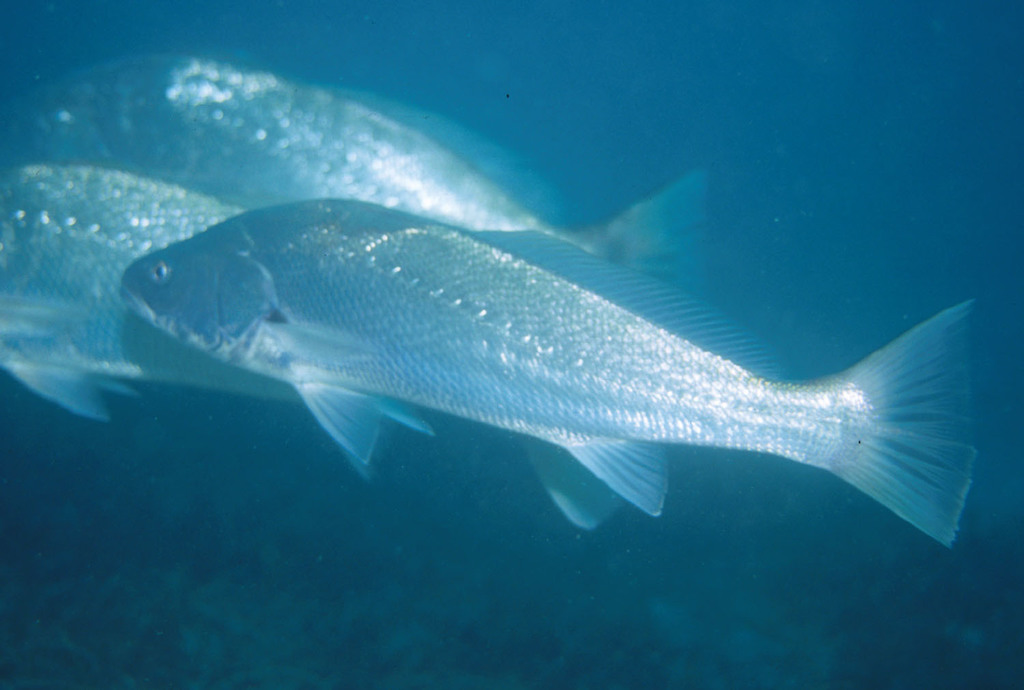
The pre-dawn light is just a rumour on the horizon, painting the Eastern Cape sky in shades of bruised purple and soft orange. Your bait, a fresh mullet head, is cast out beyond the third wave, settling into a deep, sandy gully you scouted at low tide. For an hour, the only sounds are the rhythmic crash of the surf and the cry of a lone gull. Then, it happens. Not a nibble, not a gentle tap, but a violent, rod-buckling slam that tries to rip the rod from your hands. The reel screams as line peels off against the drag. This isn't a small surf fish; this is a freight train. This is a proper South African Cob, the silver ghost of the surf, and the fight of your life has just begun.
Pursuing Cob, or Kabeljou as they are affectionately known, is a cornerstone of South African angling culture. These powerful, predatory fish are renowned for their aggressive takes and dogged, head-shaking fights that test both angler and tackle. From the wild, rugged coastlines to the tranquil mouths of massive estuaries, the hunt for a trophy Cob is an adventure that embeds itself deep in your soul.
When to Go (Best Seasons and Times)
Timing is everything when you want to Catch a trophy Cob. While they can be caught year-round in certain areas, your chances increase dramatically when you align your trip with their seasonal patterns.
- Summer (November - March): This is prime time along the Western and Eastern Cape coasts. Warmer water temperatures bring an abundance of baitfish, and large Cob move into the surf zone and estuaries to feed aggressively. This is the season for targeting big fish from the shore.
- Winter (May - August): The action heats up along the KwaZulu-Natal coast as Cob follow the annual sardine run northward. While the Cape can still produce, the KZN coast offers incredible opportunities during these cooler months. Estuary fishing in the Cape also remains excellent, as Cob often seek the calmer, warmer waters.
- Time of Day: Cob are primarily crepuscular and nocturnal feeders. The most productive times are almost always first light (the "dawn bite") and from sunset into the first few hours of darkness. Fishing a pushing tide that coincides with these low-light periods is the recipe for success.
- Weather and Tides: An onshore wind that churns up the water and disorients baitfish can trigger a hot bite, though it makes casting difficult. Overcast days are often better than bright, sunny ones. Always pay attention to the tides; the period just before and after high tide is often a peak feeding window.
Where to fish (Top Locations)
South Africa’s coastline is a Cob angler's paradise. From easily accessible beaches to remote, untamed shores, there’s a spot for every level of adventurer.
- The Wild Coast (Eastern Cape): Stretching from the Mtamvuna River to the Great Kei River, this is arguably the most famous Cob fishery on the planet. Rugged, remote, and breathtakingly beautiful, spots like Coffee Bay, Hole in the Wall, and Mazeppa Bay are legendary for producing monster fish. This is best tackled with a 4x4 and an adventurous spirit.
- The Breede River (Western Cape): This massive estuary is a nursery for juvenile Cob and a hunting ground for giants. It offers a unique opportunity to Catch Cob from a boat or the bank in a calmer environment than the open surf. The mouth of the river is a famous big-fish hotspot.
- Langebaan Lagoon (Western Cape): A protected marine park, this West Coast gem is a fantastic, beginner-friendly spot. While you won't find the giants of the Wild Coast here, it's an incredibly reliable fishery for smaller (but still powerful) Cob, especially from a kayak or small boat.
- Jeffreys Bay to Port Elizabeth (Eastern Cape): This stretch of coastline offers countless beaches, rocky points, and river mouths that are easily accessible from major towns. Spots like the Gamtoos River mouth and the Sundays River mouth are famous for their consistent Cob action.
- St Lucia Estuary (KwaZulu-Natal): As part of the iSimangaliso Wetland Park, a UNESCO World Heritage Site, St Lucia offers a unique subtropical fishing experience. The estuary and adjacent beaches are prime locations, especially during the winter months.
How to fish (Proven Techniques)
Catching Cob from the surf is a game of patience, power, and presentation. Here’s how to get started.
Beginner's Step-by-Step Surf fishing Approach:
- Read the Beach: Before you even rig up, study the water. Look for deep channels (gullies) running parallel to the beach, rips, and "holes" behind the sandbanks. This is where Cob ambush their prey. The best time to do this is at low tide.
- Choose the Right Bait: Cob are not picky, but they love fresh bait. Top choices include:
- Mullet (a whole "flattie" or a head section)
- Chokka (squid), either whole or as a "worm" bait on a long-shank hook
- Pilchard or Sardine
- Live bait like Karanteen or Elf (Shad) if permitted
- Rig It Up: The most common and effective rig is a sliding sinker rig (fish-finder rig). Slide an appropriate-sized pyramid or grapnel sinker onto your main line, followed by a bead. Tie this to a strong swivel. On the other end of the swivel, attach a 60-80cm leader of 0.70-0.90mm monofilament tied to a 7/0 to 10/0 hook.
- Cast and Wait: Cast your bait into the target gully or hole. Don’t try to cast to the horizon; the fish are often closer than you think. Place your rod in a sturdy rod holder, tighten the line just enough to feel a bite, and set your reel’s drag.
- The Bite and the Fight: A Cob bite is unmistakable. The rod will dip once, then buckle over as the fish takes the bait and runs. Do not strike immediately. Let the rod bend over, pick it up, and simply start reeling firmly to set the circle hook. Keep the pressure on, and use the waves to your advantage to guide the fish onto the sand.
Advanced Tips:
- Throwing Lures: In estuaries or calmer surf conditions, casting large soft plastic paddletails, bucktail jigs, or plugs can be deadly. A slow, steady retrieve near the bottom is often irresistible to a hungry Cob.
- The Drop-Shot: A drop-shot rig with a large, life-like soft plastic is a fantastic technique for targeting Cob in deep estuary channels from a boat or kayak.
Who to Go With (Guides, Groups, or Solo)
- DIY/Solo: For the experienced angler, a solo mission to a well-known spot is a rewarding challenge. The beauty of South African surf fishing is that many prime locations are publicly accessible. Just be sure you have the right vehicle (a 4x4 is essential for places like the Wild Coast) and are aware of safety considerations.
- Fishing with Mates: This is the most common approach. It’s safer, more fun, and allows you to share knowledge and cover more water.
- Guided Trips: For a first-timer, hiring a local guide is the best investment you can make. They will provide the gear, put you on the fish, and teach you the local techniques. Reputable guides can be found in hotspots like the Breede River, the Garden Route, and the Wild Coast. Expect to pay a premium, but the knowledge gained is priceless.
Essential Gear Recommendations
You don't need the most expensive gear, but you do need gear that is strong enough to handle a big fish in a powerful surf.
- Rod:
- Must-Have: A 12-14 foot medium-heavy action surfcasting rod.
- Budget-Friendly: Okuma Magnitude 13' Surf Rod → Shop on Amazon
- Pro-Level: Assassin Blade HMC Surf Rod → Shop on Amazon
- Reel:
- Must-Have: A large capacity 8000-14000 size spinning reel or a robust multiplier/casting reel.
- Budget-Friendly: Penn Wrath 8000 Spinning Reel → Shop on Amazon
- Pro-Level: Shimano Saragosa SW 14000 → Shop on Amazon
- Line:
- Main Line: 50lb braided line. Braid offers better bite detection and casting distance.
- Leader: 100-150lb monofilament or fluorocarbon leader to handle abrasion from rocks and the fish's teeth.
- Terminal Tackle:
- Hooks: 7/0 to 10/0 circle or J-hooks.
- Sinkers: A variety of pyramid and grapnel sinkers from 4oz to 8oz to match surf conditions.
- Swivels: Heavy-duty barrel swivels.
- Other Essentials:
- A sturdy sand spike/rod holder.
- A headlamp (for night fishing).
- Pliers and a sharp knife.
- A gaff or large landing net if you plan to keep a fish.
- A valid recreational fishing permit.
Expected Costs (Full Setup vs. Budget Version)
Costs are in South African Rand (ZAR) with approximate USD conversion. (Exchange rate varies, ~R18 = $1 USD).
- Budget Setup:
- Rod & Reel Combo: R2,000 - R3,500 ($110 - $195)
- Line & Terminal Tackle: R800 ($45)
- Total: Approx. R2,800 - R4,300 ($155 - $240)
- Full Pro Setup:
- High-End Rod: R4,000 - R7,000 ($220 - $390)
- High-End Reel: R5,000 - R9,000 ($275 - $500)
- Premium Line & Tackle: R1,500 ($85)
- Total: Approx. R10,500 - R17,500+ ($580 - $975+)
- License Cost: A recreational fishing permit from the South African Post Office is required. The annual fee is very affordable, but always check the Department of Forestry, Fisheries and the Environment (DFFE) for the current year's fees and regulations.
Regulations and Conservation
Cob are a precious resource and are under significant pressure from both recreational and commercial fishing. It is every angler's duty to fish responsibly.
- Permit: You MUST have a valid South African Recreational Fishing Permit, available at any Post Office.
- Bag and Size Limits: The DFFE sets strict minimum size limits and daily bag limits for Cob. These can change based on region and stock assessments. For example, the Dusky Cob often has a different limit than the Silver Cob.
- It is your responsibility to know the current rules. Before you fish, visit the official DFFE website or a local tackle shop for the latest, up-to-date regulations. Fines for non-compliance are severe.
- Catch and Release: Consider practicing catch and release, especially with large breeding-size fish. If you do keep one, only take what you need.
Pro Tips and Common Mistakes to Avoid
- Fresh is Best: Use the freshest bait possible. Old, smelly bait will catch scavengers, not trophy Cob.
- Match the Hatch: If you see small fish in the surf, try to use bait or lures that mimic them.
- Don't Strike: With circle hooks, resist the urge to violently strike. Let the fish hook itself as you start reeling.
- Stay Mobile: If a spot isn't producing within an hour or two, especially over a tide change, move.
- Fish the "White Water": The turbulent, aerated water right where the waves are breaking is a prime hunting ground for Cob. Don't be afraid to fish in it.
- Mistake to Avoid: Casting as far as you can. The best gullies are often the first or second ones, well within an easy cast.
- Mistake to Avoid: Using a leader that is too light. A big Cob will chafe through a light leader on the sand in seconds. Go heavy.
Conclusion
The thrill of battling a big Cob from a wild African beach is an experience that defines saltwater angling. It's a pursuit that demands respect for the ocean, an understanding of its rhythms, and the fortitude to withstand long waits for that one, explosive bite. It's a test of skill, patience, and tackle. Whether you're standing on the shores of the Transkei or casting into the Breede River, the ghost of the surf is waiting. Get your gear, check the regulations, and go make a memory that will last a lifetime.
Next up, we’re heading into the bush to break down the essential guide to hunting Kudu! Stay tuned.
As an Amazon Associate I earn from qualifying purchases at no extra cost to you. Links above are affiliate search links — prices may vary. Generated 2026-07-04