Hunt Springbok Like a Pro: Complete Hunting Guide
Introduction
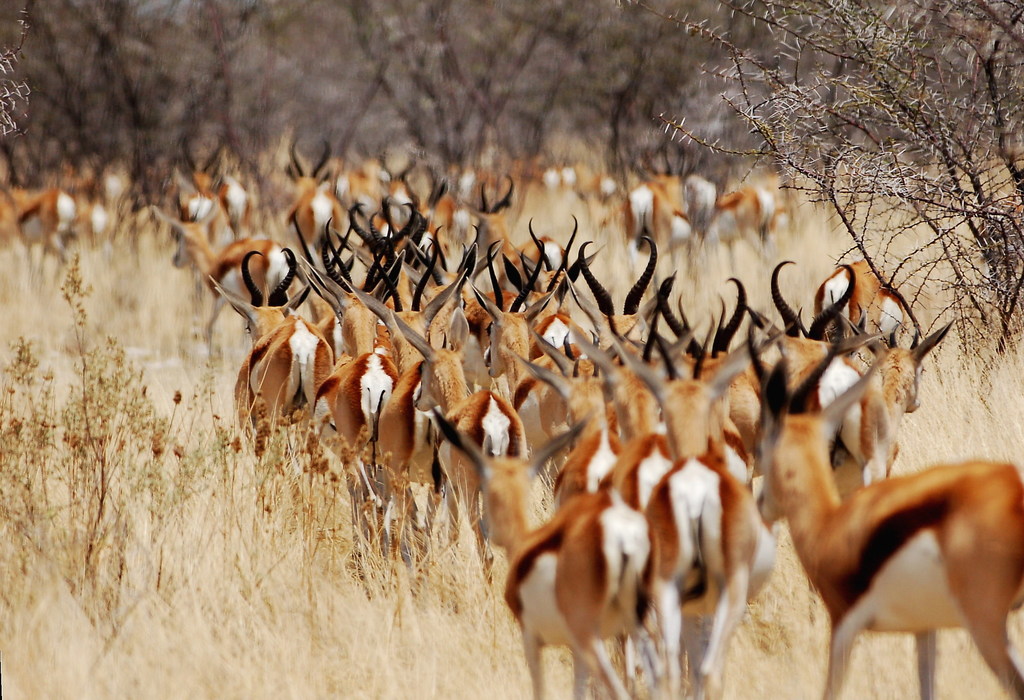
The vast plains shimmer under the African sun, a mirage dancing on the horizon. Suddenly, a flash of white, then a blur of tawny gold and chocolate brown. A herd of Springbok, Africa's most iconic gazelle, erupts into a spectacular "pronk"—a series of high, stiff-legged leaps that defy gravity, a sheer display of vitality and alarm. This isn't just a scene from a wildlife documentary; it’s the heart-pounding reality you’ll experience when pursuing Springbok, an exhilarating chase that embodies the spirit of African plains hunting.
Springbok hunting offers a unique blend of challenge and reward, making it an ideal pursuit for both novice and seasoned hunters looking to experience the magic of the African bushveld. These beautiful, alert creatures demand patience, sharp eyes, and accurate shooting, providing an authentic and deeply satisfying hunting experience. From their distinctive markings to their incredible speed and keen senses, Springbok are a true testament to the wild beauty of Southern Africa. Get ready to embark on an adventure where every stalk is a lesson and every successful shot is a memory etched forever in the vast, ancient landscapes of this incredible continent.
When to Go (Best Seasons and Times)
Timing your Springbok hunt is crucial for both comfort and success. While Springbok can be hunted year-round in many parts of Southern Africa, the prime hunting season generally aligns with the cooler, drier winter months, which typically run from May through August.
During these months, temperatures are much more moderate, making long stalks across open terrain significantly more pleasant. The vegetation is also sparser, improving visibility and making it easier to spot these camouflaged gazelles from a distance. The dry conditions also mean fewer insects and generally more comfortable camp experiences.
Conversely, the summer months (November to March) can be extremely hot, with daytime temperatures often soaring into the upper 30s or even 40s Celsius (90s to 100s Fahrenheit). While Springbok are still present, hunting in such heat can be physically demanding and less enjoyable. The summer also brings the rainy season to some regions, which can make tracking difficult and roads impassable.
Regardless of the season, Springbok are most active during the cooler parts of the day: early mornings just after sunrise and late afternoons leading up to sunset. During the midday heat, they often seek what little shade is available, resting and conserving energy. Focusing your hunting efforts during these peak activity times will significantly increase your chances of success. Always consult with your chosen outfitter for the most precise seasonal recommendations for their specific region.
Where to hunt (Top Locations)
Springbok are widely distributed across Southern Africa, thriving in the arid and semi-arid grasslands, savannas, and shrublands. For international hunters, the primary destinations for Springbok hunting are South Africa and Namibia, both renowned for their exceptional plains game opportunities and well-regulated hunting industries.
- South Africa (Karoo & Free State): South Africa is arguably the most popular destination for Springbok. The vast, open plains of the Karoo region, particularly in the Eastern and Northern Cape provinces, are home to massive Springbok populations. The Free State province also offers excellent hunting, with numerous private game farms and concessions dedicated to sustainable wildlife management. These areas provide diverse terrains, from rolling hills to flat plains, offering varied hunting challenges.
- Namibia (Kalahari & Central Highlands): Namibia is another top-tier destination, especially in its central and southern regions, including the fringes of the Kalahari Desert. Namibia’s landscapes are truly breathtaking, and its Springbok populations are robust. Many well-established private conservancies and ranches offer exceptional hunting experiences, often combined with other plains game species.
- Botswana (Limited): While Springbok are native to Botswana, hunting opportunities for them are more limited for international hunters compared to South Africa and Namibia, often restricted to specific concessions.
- Private Game Farms/Concessions: For international hunters, the vast majority of Springbok hunting takes place on private game farms and concessions. These operations are often meticulously managed, ensuring healthy animal populations and high-quality hunting experiences. They are well-equipped to host international clients, providing accommodation, professional hunting guides (PHs), and all necessary logistics.
For beginners, selecting a reputable outfitter in South Africa or Namibia is paramount. They will guide you to areas with healthy Springbok numbers and provide the expertise needed to navigate the terrain and successfully pursue these magnificent animals.
How to hunt (Proven Techniques)
Hunting Springbok is primarily an exercise in patience, keen observation, and precise marksmanship. The vast majority of successful hunts employ the classic "spot and stalk" method.
Step-by-Step Approach for Beginners:
- Glassing: Begin your hunt by glassing large areas with high-quality binoculars or a spotting scope from an elevated position. Springbok are herd animals, so look for groups grazing or resting. Pay close attention to any movement, unusual shapes, or contrasting colors against the landscape. Their distinctive white rump patch is often the first thing to catch your eye.
- Assessment: Once you’ve spotted a herd, your Professional Hunter (PH) will help you assess the group for a suitable trophy animal. Look for mature rams with good horn length and mass.
- Planning the Stalk: This is where the art of hunting truly begins. Your PH will meticulously plan the approach, considering:
- Wind Direction: Springbok have an incredible sense of smell. Always approach from downwind to prevent them from catching your scent. The wind is your most critical factor.
- Terrain: Utilize every fold, bush, and rock for cover. Springbok's eyesight is legendary; they can spot movement from an astonishing distance. Stay low, move slowly, and avoid silhouetting yourself.
- Sun Position: Try to keep the sun at your back, making it harder for the Springbok to see you and easier for you to spot them.
- The Stalk: Execute the stalk with extreme stealth. Move deliberately, one step at a time, pausing frequently to re-glass and confirm the herd's position. Be prepared for long crawls on hands and knees, or even on your belly, especially in open country.
- The Shot: Once within ethical shooting range (typically 150-250 yards for a Springbok), set up for the shot. Most shots will be taken from shooting sticks, which your PH will help you deploy quickly and quietly. Take a steady rest, control your breathing, and place your shot accurately in the shoulder/lung area.
Advanced Tips:
- Master the Wind: Springbok are incredibly sensitive to scent. Always carry a wind checker (talcum powder or a commercial indicator) and check the wind constantly, even during the stalk. A slight shift can ruin your approach.
- Patience is a Virtue: Springbok often graze, then lie down, then graze again. Don't rush your stalk. If they are in an open area, you might need to wait for them to move behind a rise or into thicker cover before continuing your approach. Long waits are common and part of the challenge.
- Practice from Shooting Sticks: Many shots in Africa are taken from shooting sticks. Practice extensively with your rifle and sticks at various ranges and heights to ensure you are comfortable and accurate when the moment of truth arrives.
- Rangefinding: In the vast, open African landscape, distances can be deceiving. A quality rangefinder is an indispensable tool for confirming the exact distance to your target, ensuring precise bullet drop compensation.
Who to Go With (Guides, Groups, or Solo)
For international hunters pursuing Springbok in Southern Africa, going with a reputable professional outfitter and a qualified Professional Hunter (PH) is not just recommended, it's often a legal requirement and absolutely essential for a successful and safe experience.
Guided Hunt (Highly Recommended): * Why Guided? Professional Hunters are intimately familiar with the local terrain, animal behavior, and regulations. They handle all the logistics, from permits and licenses to tracking, field dressing, and trophy care. Their expertise in spotting game, planning stalks, and ensuring ethical shots is invaluable, especially for first-time African hunters. * Cost Context: A guided Springbok hunt is typically part of a larger plains game package. Daily rates for an all-inclusive plains game safari in South Africa or Namibia can range from $300 to $500+ USD per hunter, per day, not including trophy fees. This usually covers accommodation, meals, PH services, trackers, field transportation, and basic trophy preparation. Springbok trophy fees typically range from $300 to $600 USD per animal. * Reputable Outfitter Regions: Look for outfitters based in the Eastern Cape, Free State, or Northern Cape of South Africa, or in the central and southern regions of Namibia. Research their references, check their memberships with professional hunting associations, and read reviews.
Groups: * Hunting with a small group of friends can be a fantastic experience, sharing the adventure and splitting some costs (like vehicle rentals if applicable, though typically included in outfitter packages). Most outfitters can accommodate groups of 2-4 hunters, often providing one PH per hunter or one PH for two hunters, depending on the package.
Solo (Not Recommended for International Hunters): * "Solo" or "DIY" hunting for Springbok, in the sense of an unguided hunt by an international visitor, is generally not feasible or legal in South Africa or Namibia. Firearm import regulations, local hunting laws, and the requirement for a licensed Professional Hunter on most concessions make this an impractical option. Even if it were possible, the logistical challenges, safety considerations, and lack of local expertise would severely diminish the experience and success rate.
For an unforgettable and ethical Springbok hunt, invest in a quality outfitter and a skilled PH. Their knowledge and guidance will transform your hunt into a truly memorable African adventure.
Essential Gear Recommendations
Having the right gear is crucial for a successful and comfortable Springbok hunt on the plains of Africa. Focus on reliable, durable, and appropriate equipment.
Must-Have Gear:
- Rifle:
- Caliber: Springbok are relatively small, so a flat-shooting, moderate-recoil caliber is ideal. Popular choices include:
- .243 Winchester .243 Hunting Rifle → Shop on Amazon
- 6.5 Creedmoor 6.5 Creedmoor Hunting Rifle → Shop on Amazon
- .270 Winchester .270 Winchester Hunting Rifle → Shop on Amazon
- 7x57 Mauser 7x57 Mauser Hunting Rifle → Shop on Amazon
- .308 Winchester .308 Hunting Rifle → Shop on Amazon
- .30-06 Springfield .30-06 Hunting Rifle → Shop on Amazon
- Scope: A high-quality variable power scope (e.g., 3-9x40 or 4-12x40) with clear glass and good light gathering capabilities. Rifle Scope → Shop on Amazon
- Ammunition: Bring premium, well-constructed hunting bullets designed for accuracy and good terminal performance (e.g., Barnes TTSX, Nosler AccuBond, Hornady Interbond). Practice with the exact load you'll hunt with.
- Caliber: Springbok are relatively small, so a flat-shooting, moderate-recoil caliber is ideal. Popular choices include:
- Optics:
- Binoculars: Essential for spotting game. 10x42 or 10x50 are excellent all-around choices. 10x42 Binoculars → Shop on Amazon
- Spotting Scope: Highly recommended for long-range glassing and trophy assessment before committing to a stalk. Spotting Scope → Shop on Amazon
- Rangefinder: Critical for accurately determining distances in open terrain, ensuring precise shot placement. Laser Rangefinder → Shop on Amazon
- Shooting Support:
- Shooting Sticks: Absolutely indispensable for stable shots in the field. A sturdy bipod or tripod shooting stick system is preferred. Your outfitter may provide these, but it's good to have your own. Tripod Shooting Sticks → Shop on Amazon
- Clothing:
- Layered System: Lightweight, breathable, and quick-drying clothing in muted earth tones (khaki, olive green, brown, tan). Avoid bright colors.
- Outer Layer: A quiet, wind-resistant jacket or vest for cooler mornings/evenings.
- Hat: Wide-brimmed hat for sun protection. Wide Brim Hunting Hat → Shop on Amazon
- Gloves: Lightweight gloves for sun protection and to reduce glare.
- Footwear:
- Comfortable Hunting Boots: Broken-in, ankle-supporting boots with good traction are vital for long walks and stalks. Waterproof Hunting Boots → Shop on Amazon
- Socks: Multiple pairs of moisture-wicking socks to prevent blisters.
- Miscellaneous:
- Backpack: Small daypack for water, snacks, extra layers, and personal items. Hunting Daypack → Shop on Amazon
- Water Bottle/Hydration Pack: Staying hydrated is key in the African climate. Hydration Pack → Shop on Amazon
- Sunscreen & Insect Repellent: Essential.
- Headlamp/Flashlight: For early mornings and evenings. Headlamp → Shop on Amazon
- Knife: Quality hunting knife for various tasks. Hunting Knife → Shop on Amazon
- Camera: To capture the memories!
Budget-Friendly Alternatives:
- Rifle: Consider a reliable used rifle from a reputable brand. Many excellent options can be found for a fraction of the cost of new.
- Optics: Mid-range binoculars and scopes from brands like Vortex, Leupold (lower tiers), or Bushnell often provide excellent performance for the price. You might skip the spotting scope if on a tight budget, relying on your PH's gear.
- Clothing: Look for durable workwear or hiking clothing in appropriate colors instead of specialized hunting apparel.
- Rentals: Some outfitters offer rifle rentals, which can save you the hassle and cost of firearm import/export fees. Inquire about this option.
Prioritize quality for your rifle, scope, and boots. These items directly impact your accuracy and comfort in the field.
Expected Costs (Full Setup vs. Budget Version)
Hunting Springbok, especially for international hunters, involves several cost components. It's important to budget thoroughly for a smooth experience. All costs are estimates and can vary significantly based on the outfitter, region, and inclusions.
Full Setup (Typical All-Inclusive Safari):
- Daily Rates (Outfitter Package):
- Typically ranges from $350 - $550 USD per hunter, per day.
- This usually includes: Accommodation, all meals, soft drinks/local alcoholic beverages, services of a Professional Hunter, trackers, field transportation, basic field preparation of trophies, and sometimes laundry service.
- For a 5-7 day hunt focusing on Springbok and perhaps 1-2 other plains game species, this could be $1,750 - $3,850 USD.
- Trophy Fees (Per Animal):
- Springbok: $300 - $600 USD per animal.
- If you plan to hunt other plains game, budget for their respective trophy fees (e.g., Kudu, Oryx, Warthog).
- Airfare:
- Round-trip international flights to South Africa (Johannesburg or Cape Town) or Namibia (Windhoek): $1,500 - $3,000+ USD, depending on origin and booking time.
- Firearm Import/Export Permits:
- South Africa: Approximately $100 - $200 USD for temporary import permit (DIY or through a service).
- Namibia: Similar costs.
- This is often covered by a meet-and-greet service at the airport, which can add $150 - $250 USD.
- Dip & Pack / Taxidermy:
- Initial dip & pack services (cleaning, treating, crating for export): $300 - $600 USD for a few plains game trophies.
- International shipping to your home country: $500 - $1,500+ USD, depending on size and quantity of trophies.
- Taxidermy services in your home country (if not done in Africa): Highly variable, from $300 - $800+ USD for a Springbok shoulder mount.
- Gratuities:
- PH, trackers, camp staff: Budget 10-15% of your daily rate for the PH, and appropriate amounts for other staff. This can easily be $500 - $1,000+ USD for a typical safari.
- Travel Insurance:
- Highly recommended. $100 - $300 USD.
- Miscellaneous:
- Pre-trip gear purchases, personal expenses, souvenirs, pre/post-safari accommodation/tours.
Total for a Full Setup Springbok Hunt (1 Springbok, 5-7 days): Realistically, expect a range of $5,000 - $10,000+ USD once all costs (flights, daily rates, trophy fees, permits, dip & pack, shipping, tips) are factored in.
Budget Version:
- Shorter Hunt: Opt for a shorter 3-5 day hunt.
- Rifle Rental: Rent a rifle from your outfitter to avoid firearm import fees and shipping costs. (Cost: $50 - $100 USD per day, plus ammunition).
- Single Species Focus: Focus solely on Springbok, minimizing trophy fees.
- Economy Flights: Book well in advance and be flexible with dates.
- Basic Taxidermy: Choose a simple skull mount or European mount for your trophy, or just the hide.
- Fewer Extras: Skip additional tours, extensive souvenir shopping.
Total for a Budget Springbok Hunt (1 Springbok, 3-5 days): A bare-bones, focused Springbok hunt might be achievable for $3,500 - $6,000 USD, depending heavily on airfare and how many "extras" you cut.
License/Tag Costs: Hunting licenses and permits are typically handled by your outfitter and are often included in the daily rate or charged as a small separate fee. Always advise readers to check current fees and requirements with their chosen outfitter and the relevant national wildlife authority before going out.
Regulations and Conservation
Hunting Springbok in Southern Africa is a highly regulated activity, ensuring sustainable populations and ethical practices. As an international hunter, understanding the regulatory framework is crucial.
Key Regulatory Authorities:
- South Africa: The Department of Environment, Forestry and Fisheries (DEFF) sets national guidelines, but provincial conservation authorities (e.g., Eastern Cape Department of Economic Development, Environmental Affairs and Tourism) issue hunting licenses and permits, and regulate hunting activities within their respective provinces.
- Namibia: The Ministry of Environment, Forestry and Tourism (MEFT) oversees wildlife management and hunting regulations nationally.
Key Regulatory Considerations:
- Hunting Licenses and Permits: Every hunter must possess a valid hunting license issued by the relevant provincial or national authority. For international hunters, this is typically facilitated by your outfitter. Special permits may be required for specific areas or species, though Springbok is generally a common plains game species.
- Professional Hunter (PH) Requirement: In both South Africa and Namibia, it is legally required for international hunters to be accompanied by a licensed Professional Hunter (PH) while hunting. The PH ensures compliance with all regulations and ethical hunting practices.
- Firearm Importation: If you plan to bring your own rifle, you will need to obtain a temporary import permit upon arrival at the airport (e.g., OR Tambo International Airport in South Africa, Hosea Kutako International Airport in Namibia). This process involves specific forms, copies of your passport, flight itinerary, proof of firearm ownership, and a letter of invitation from your outfitter. Many hunters opt to use a meet-and-greet service to navigate this process efficiently.
- Trophy Export Permits: For any trophies you wish to take home, export permits from the relevant African country are required, along with import permits from your home country. Your outfitter and their taxidermy/dip & pack agent will handle these details.
- CITES (Convention on International Trade in Endangered Species): Springbok are not listed on CITES appendices, meaning their international trade (including trophies) is not subject to CITES permits. However, if you hunt other species on your trip, be aware of their CITES status.
Conservation: Springbok populations in Southern Africa are robust and well-managed, largely due to sustainable hunting practices on private land. Hunting generates significant revenue that directly contributes to conservation efforts, anti-poaching initiatives, habitat preservation, and community development. Landowners have a strong economic incentive to maintain healthy wildlife populations, making hunting a vital tool for conservation in the region. Springbok are not considered endangered or threatened, and their populations are thriving across their natural range.
Always advise readers to check current regulations with the appropriate provincial or national wildlife authority and their chosen outfitter before going out. Regulations can change, and your outfitter will have the most up-to-date information specific to your hunting area.
Pro Tips and Common Mistakes to Avoid
Hunting Springbok is a rewarding challenge, but a few insider tips can significantly improve your success, while avoiding common pitfalls will save you frustration.
Pro Tips:
- Practice from Sticks Extensively: Most shots on Springbok will be taken from shooting sticks. Don't just practice off a bench; get comfortable shooting from standing, kneeling, and sitting positions using your sticks at various distances.
- Master Your Wind Reading: Springbok have an incredible sense of smell. Always be aware of the wind direction and use a wind checker frequently. Even a slight shift can give away your position.
- Hydration is Key: The African sun is intense. Drink plenty of water throughout the day, even if you don't feel thirsty, to prevent dehydration and maintain focus.
- Listen to Your PH: Your Professional Hunter has spent years, if not decades, in the bush. Trust their judgment on stalk routes, shot placement, and animal behavior. They are your greatest asset.
- Patience Pays Off: Springbok are often in open country. Be prepared for long periods of glassing and slow, deliberate stalks. Rushing will almost certainly spook them.
- Perfect Your Glassing Technique: Don't just scan; grid-search the landscape with your binoculars. Look for ears, horns, or the tell-tale white patch of their rump. Let your eyes relax and pick apart the details.
- Go for the Shoulder: Springbok are tough for their size. Aim for the shoulder to anchor them quickly and humanely. A lung shot can result in a long track.
Common Mistakes to Avoid:
- Underestimating Their Senses: Springbok have phenomenal eyesight, hearing, and smell. Don't assume you're hidden or unheard. Move slowly, stay low, and constantly check the wind.
- Rushing the Shot: Buck fever is real, but a hurried shot often leads to a miss or a wounded animal. Take a breath, settle your crosshairs, and squeeze the trigger smoothly.
- Ignoring the Terrain: Failing to use natural cover (bushes, undulations, dry riverbeds) during a stalk is a rookie mistake. The more exposed you are, the higher the chance of being spotted.
- Wearing Bright or Contrasting Clothing: While full camo isn't always necessary, bright colors like white, red, or even light blue will stand out dramatically in the African bush. Stick to muted earth tones.
- Lack of Physical Preparation: Springbok hunting can involve significant walking and crawling under the sun. Ensure you're in reasonable physical condition to enjoy the hunt and keep up with your PH.
- Not Confirming the Range: In open country, distances are deceptive. Always use your rangefinder to confirm the exact distance before taking a shot.
- Forgetting Sun Protection: Sunburn can ruin a hunt. Wear a wide-brimmed hat, sunglasses, and use high SPF sunscreen religiously.
Conclusion
Hunting Springbok is more than just pursuing an animal; it's an immersive dive into the heart of the African wilderness. From the thrill of spotting a pronking herd across the vast plains to the calculated precision of a well-executed stalk, every moment is a testament to the wild beauty and challenge that defines this iconic continent. Springbok demand your best, honing your skills as a hunter and rewarding you with an experience that is both exhilarating and deeply satisfying.
Whether you're a seasoned international hunter or embarking on your first African safari, the Springbok offers an accessible yet profound introduction to plains game hunting. The memories forged under the African sky, the lessons learned in patience and precision, and the camaraderie shared with your Professional Hunter will stay with you long after you've returned home. So, start planning your adventure, pack your bags, and prepare to be captivated by the spirit of the Springbok.
Next time, we'll journey to the rugged mountains of North America to chase an elusive high-country icon. Stay tuned!
As an Amazon Associate I earn from qualifying purchases at no extra cost to you. Links above are affiliate search links — prices may vary. Generated 2026-07-03