
Catch Gulf Kingfish Like a Pro: Complete Fishing Guide
Introduction
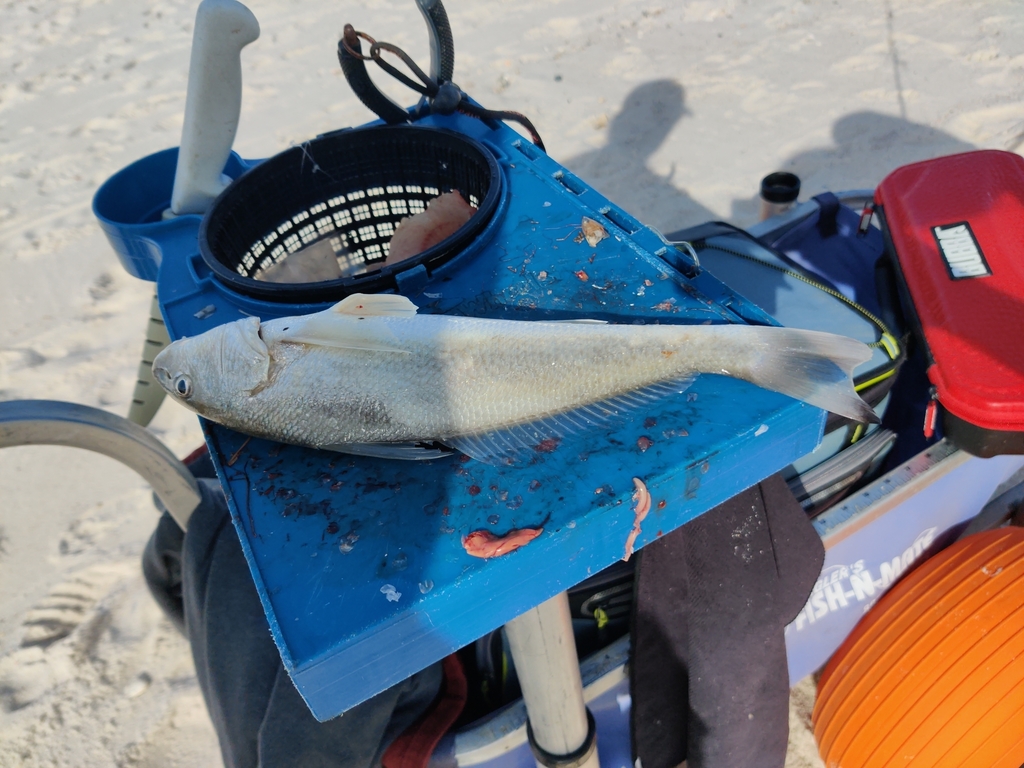
The midday sun glints off the emerald Gulf waters as your rod, resting peacefully in its sand spike, suddenly doubles over. There’s no slow build-up, just an electric, staccato thump-thump-thump that jolts you to attention. You grab the rod, feel the weight of a determined fish, and begin to reel. A flash of silver in the churning surf reveals your prize—a beautiful Gulf Kingfish, often called a "whiting" by locals. Pound for pound, these surf-dwelling scrappers put up a fight that will leave a smile on any angler's face.
Pursuing Gulf Kingfish is the essence of accessible, rewarding saltwater fishing. You don’t need a boat, expensive electronics, or years of experience. All you need is a stretch of sandy beach along the Atlantic or Gulf Coast, a simple setup, and the desire for a fresh seafood dinner. They are a year-round target in the warmer waters of Florida and the Gulf states, with fantastic runs happening in the spring and fall further north, making them a reliable and exciting species for beginners and seasoned pros alike.
When to Fish (Best Seasons and Times)
Timing is everything in surf fishing. While Gulf Kingfish can be caught throughout the year in the southern part of their range, targeting them during peak periods will dramatically increase your success.
-
Peak Seasons: Spring and fall are prime time. During these months, large schools of kingfish migrate along the coastline, feeding aggressively in the surf troughs just off the beach. The cooler, comfortable weather is just a bonus. Summer can also be very productive, but the action is often concentrated in the cooler parts of the day.
-
Best Time of Day: The golden hours of early morning and late evening are your best bet, especially from May through September. The lower light and cooler water temperatures encourage fish to feed actively and closer to shore.
-
Tides and Weather: Moving water is feeding water. The two hours surrounding high tide and low tide are often the most productive. The current pulls food items off the sandbars and into the troughs where kingfish are waiting. Don't be discouraged by a little wind; a light to moderate onshore breeze creates chop on the water's surface, which disorients baitfish and gives predators like kingfish an advantage. An overcast day is often better than a bright, sunny one.
Where to Fish (Top Locations)
The beauty of fishing for Gulf Kingfish is that they live right where you want to be—on the beach! Look for public-access beaches with sandy bottoms. Reading the waves can help you identify underwater structure. Look for "cuts" (deeper channels running out from the beach) and "troughs" (deeper water running parallel to the beach between the shore and a sandbar). These are the fish highways.
- Padre Island National Seashore, Texas: This legendary stretch of coastline offers over 60 miles of undeveloped beach. It’s a surf-fishing paradise where finding a productive spot to yourself is easy. Check regulations with the Texas Parks and Wildlife Department (TPWD).
- Gulf Shores, Alabama: The white-sand beaches here are not just for tourists. They offer fantastic and consistent kingfish action, especially around Gulf State Park Pier and the surrounding public beaches.
- Fort De Soto Park, Florida: Located near St. Petersburg, this park provides a perfect mix of accessible beaches, rock jetties, and piers, all of which can hold schools of hungry kingfish. The Florida Fish and Wildlife Conservation Commission (FWC) manages the regulations here.
- Cape Hatteras National Seashore, North Carolina: The Outer Banks are a surf-casting institution. The dynamic waters here are incredibly fertile, and kingfish (called "sea mullet" here) are a staple catch for anglers lining the beaches.
- Myrtle Beach State Park, South Carolina: A great family-friendly option, this park offers easy access to productive surf away from the most crowded resort areas. It’s a fantastic place to introduce a new angler to the sport.
- Chandeleur Islands, Louisiana: While less accessible (requiring a boat trip), these barrier islands offer a wild, remote experience and some of the best kingfish action in the Gulf for the adventurous angler.
How to Fish (Proven Techniques)
Simplicity reigns supreme when it comes to catching Gulf Kingfish. A basic bottom rig presented in the right zone is all it takes.
Beginner's Step-by-Step Guide
- The Rig: Use a pre-tied double-dropper rig, often sold as a "Pompano Rig." These feature two dropper loops with small floats and beads to attract fish, with a snap at the bottom for your sinker. They are inexpensive and incredibly effective.
- Terminal Tackle: Attach a #2 or #4 long-shank or circle hook to each dropper loop. At the bottom, clip on a 2-to-4-ounce pyramid sinker. The pyramid shape is designed to dig into the sand and hold your bait in place against the current.
- The Bait: Freshness is non-negotiable. The best baits are small pieces of peeled fresh shrimp, live or freshly-dug sand fleas (mole crabs), or scented artificial baits like Fishbites. Cut your shrimp into thumbnail-sized pieces and thread them onto the hook, making sure to leave the point exposed.
- The Cast and Wait: You don't need to be a distance-casting champion. The majority of kingfish feed in the first or second trough, often just 20-40 yards from the shore. Make a simple overhead cast, let the sinker hit bottom, and reel in the slack until the line is tight. Place the rod in a sand spike (rod holder) and watch the tip.
- The Bite: A kingfish bite is unmistakable. It’s a rapid, machine-gun-like tapping on the rod tip. If you're using circle hooks, resist the urge to jerk the rod. Simply start reeling steadily, and the hook will set itself in the corner of the fish's mouth.
Advanced Tips
- Double Up: Tip your fresh shrimp with a small piece of Fishbites in shrimp or sand flea flavor. This adds a powerful scent trail and ensures you still have bait on the hook if smaller fish steal your shrimp.
- Read the Beach: At low tide, walk the beach and look for shell beds, small drop-offs, or darker patches of water. These are subtle forms of structure that will attract and hold fish when the tide comes back in.
Who to Go With (Guides, Groups, or Solo)
Gulf Kingfish are the perfect quarry whether you're alone or with a crowd.
- Solo or DIY: This is arguably the ultimate DIY saltwater fishing experience. The low cost of entry and minimal gear requirements make it perfect for a solo trip to clear your head and fill a cooler.
- Family and Groups: Because the action can be fast and the techniques are simple, this is one of the best ways to introduce kids and beginners to fishing. Set up a few rods, enjoy the beach, and wait for the bites to begin.
- Guided Trips: While most offshore guides don't target kingfish, specialized surf fishing guides are an incredible resource. For around $300-$500 for a half-day trip, a good guide will provide all the gear and, more importantly, teach you how to read the water, find fish, and tie rigs—skills that will last a lifetime.
Essential Gear Recommendations
You don't need to break the bank to get started. Here's a look at the essentials.
-
Must-Have Gear
- Rod: 7- to 9-foot medium-power spinning rod.
- Reel: 3000- or 4000-series saltwater-rated spinning reel.
- Line: 15-lb monofilament or 20-lb braided mainline.
- Leader: 20-lb fluorocarbon leader material (if using braid).
- Terminal Tackle:
- Pre-tied Pompano/Double-Dropper Rigs.
-
2 and #4 circle hooks.
- An assortment of 2, 3, and 4 oz pyramid sinkers.
- Essential Accessories:
- Sand spike (rod holder). This is crucial.
- Pliers for de-hooking fish.
- A cooler with ice for your bait and your catch.
- A valid state saltwater fishing license.
-
Budget-Friendly Alternatives
- Rod & Reel Combo: An all-in-one setup like the Penn Fierce IV Spinning Combo → Shop on Amazon offers incredible value and durability.
- Line: Standard monofilament is less expensive than braid and works perfectly well for this type of fishing.
- Rigs: Learn to tie your own dropper loops with leader material. It’s a simple knot that will save you money in the long run.
- Bait: Instead of buying bait, invest in a sand flea rake and catch your own at the water's edge. It's free and it's the freshest bait you can get.
Expected Costs (Full Setup vs. Budget Version)
-
Budget DIY Setup:
- Rod/Reel Combo: ~$80 USD
- Basic Tackle (line, hooks, rigs, sinkers): ~$40 USD
- Cooler, Pliers, Sand Spike: ~$50 USD
- State Saltwater License: ~$20-50 USD (annual, varies by state)
- Initial Total: ~$190 - $220 USD
-
Mid-Range Full Setup:
- Quality Rod & Reel (separate): ~$250 USD
- Braided Line & Fluorocarbon Leader: ~$40 USD
- Fully Stocked Tackle Bag & Quality Accessories: ~$120 USD
- State Saltwater License: ~$20-50 USD
- Initial Total: ~$430 - $460 USD
Regulations and Conservation
The Gulf Kingfish, along with its close relatives the Southern Kingfish and Northern Kingfish (all often grouped as "whiting" or "sea mullet"), are prolific and their populations are considered healthy. This makes them a fantastic, sustainable choice for harvest.
However, regulations on bag limits and occasionally size limits can vary from state to state and can change annually. For example, the Florida Fish and Wildlife Conservation Commission (FWC) and the Texas Parks and Wildlife Department (TPWD) set their own specific rules.
It is your responsibility as an angler to know the law. Before you ever make a cast, visit the website of the state's wildlife or marine fisheries agency where you plan to fish to get the most up-to-date regulations.
Pro Tips and Common Mistakes to Avoid
- Tip 1: Go Small. Use the smallest piece of bait you can get away with. A tiny piece of shrimp on a #4 hook will out-fish a giant hook loaded with bait every time.
- Tip 2: Stay Close. Your first cast should be into the first trough, which might only be 15-20 yards out. Many beginners make the mistake of launching their bait as far as they can, casting right over the feeding zone.
- Tip 3: Keep It Fresh. Re-bait your hooks every 15-20 minutes. The scent is what draws fish in, and it washes out over time.
- Tip 4: Use Your Spikes. A sand spike keeps your rod tip high, making bites easier to see and keeping your line above the crashing waves, which reduces slack.
- Tip 5: Follow the Birds. Diving shorebirds are a dead giveaway for schools of baitfish. Where there's bait, predators like kingfish are never far behind.
Common Mistakes: * Using hooks and bait that are far too large for the fish's small mouth. * Fishing with a slack line, which makes it impossible to detect the subtle bite. * Setting up on a "dead" stretch of beach with no troughs, cuts, or structure.
Conclusion
Fishing for Gulf Kingfish is a gateway to the saltwater lifestyle. It’s a pursuit of pure fun, stripped of complexity and pretense. It’s the thrill of a bite, the satisfaction of a good fight, and the reward of a meal you caught yourself, all set against the beautiful backdrop of the coast. It reminds us that a world-class fishing experience doesn't require a six-figure boat—sometimes, all it takes is sand between your toes.
So grab a rod, find a beach, and get in on the action. The satisfying tug of a Gulf Kingfish is an experience every angler should have.
Stay tuned for our next guide, where we’ll tackle the hard-fighting Pompano, a frequent and prized neighbor of the Gulf Kingfish
As an Amazon Associate I earn from qualifying purchases at no extra cost to you. Links above are affiliate search links — prices may vary. Generated 2026-07-02