
Hunt Black Bear Like a Pro: Complete Hunting Guide
Introduction
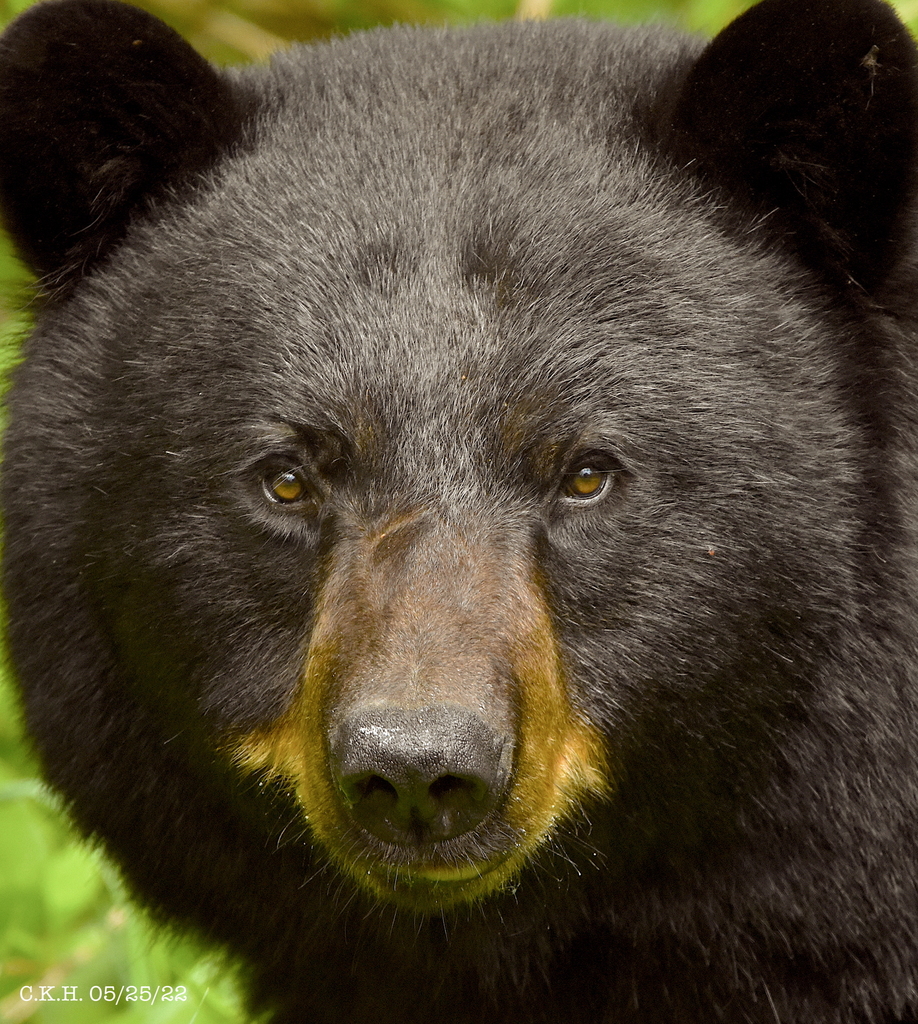
The crisp morning air bites at your cheeks, carrying the faint scent of pine and damp earth. You’ve been hunkered down, silent and still, for what feels like an eternity, your senses on high alert. Suddenly, a rustle in the dense undergrowth, a sound distinct from the wind. Your heart thumps a primal rhythm against your ribs. A dark, shaggy form emerges from the shadows, cautiously sniffing the air, its powerful shoulders rippling with each silent step. It’s a Black Bear, moving with an ancient grace that commands respect and ignites an exhilarating rush unlike any other.
Hunting Black Bear is more than just a pursuit; it's an immersive experience that tests your woodsmanship, patience, and resolve. It connects you deeply with the raw wilderness of North America and beyond. These intelligent, adaptable creatures offer a challenging and incredibly rewarding hunt, whether you're stalking them through the vast forests of Maine in the spring or still-hunting the oak ridges of Idaho in the fall. If you're ready to step into the world of bear hunting, you’re in for an adventure of a lifetime.
When to Go (Best Seasons and Times)
Black Bear hunting seasons are typically split into spring and fall, each offering unique opportunities and challenges. Understanding their behavior during these periods is key to success.
- Spring Season (April - June): This is often considered a prime time for bear hunting. After months of hibernation, bears emerge hungry and actively seek food sources.
- Behavior: They're often found in lower elevations, south-facing slopes, and clearings where new green vegetation is emerging – their first food source after winter. They'll also be searching for winter-killed animals.
- Techniques: Spot-and-stalk is highly effective as bears are visible in open areas, feeding. Baiting (where legal) is also very popular, as hungry bears are eager to find easy calories.
- Weather: Look for warmer, sunny days following cold snaps. Bears will often be out basking and foraging. Overcast days with light rain can also be productive, as it dampens sound.
- Fall Season (September - November): Bears are focused on fattening up for the upcoming winter hibernation, making food sources their primary focus.
- Behavior: They'll be concentrated around mast crops like acorns, beechnuts, and various berries. Hunting near apple orchards or agricultural fields can also be productive.
- Techniques: Still-hunting and spot-and-stalk are effective as bears move between feeding areas. Hunting with hounds (where legal) is also a traditional and effective method in the fall.
- Weather: Cooler temperatures are generally better, as bears are more active. High winds can make hunting difficult due to scent dispersion and noise, but a light, steady breeze can be your friend if you hunt into it.
- Times of Day: Bears are typically most active during dawn and dusk. However, during the spring, especially on cooler days, they may be active throughout the day. In the fall, they often feed heavily during daylight hours to pack on weight.
Where to Hunt (Top Locations)
Black Bears are abundant across North America, offering fantastic hunting opportunities. While international hunts exist (e.g., Mexico), we'll focus on accessible US public lands and briefly mention Canada.
- Maine, USA: A top destination for Black Bear, especially known for its high success rates and large bears. Vast tracts of public land, including state forests and paper company lands with public access, provide ample habitat. Baiting and hounding are popular and effective methods here.
- Idaho, USA: Offers incredible spot-and-stalk opportunities in vast, rugged wilderness areas like the Frank Church-River of No Return Wilderness and numerous National Forests. Expect challenging terrain and a true wilderness experience, particularly good for spring hunts.
- Pennsylvania, USA: Boasts a thriving Black Bear population, particularly in the northern tier and Pocono Mountains. The state's extensive public game lands offer excellent opportunities for still-hunting and driving bears, especially during the fall.
- North Carolina, USA: Provides diverse bear hunting experiences, from the coastal plain swamps to the Appalachian Mountains. The state has healthy populations, and its game lands offer varied terrain for different hunting styles.
- Alaska, USA: While often associated with grizzlies, Alaska also offers exceptional Black Bear hunting, often with larger-than-average bears. It's a more remote and challenging hunt, best suited for experienced hunters or those with a guide, but offers unparalleled wilderness.
- British Columbia, Canada (briefly): For those looking internationally, BC is renowned for its vast wilderness and robust Black Bear populations, offering world-class hunting experiences, often focused on spot-and-stalk.
Always research specific hunting units and regulations for your chosen location with the relevant state or provincial wildlife agency.
How to Hunt (Proven Techniques)
Hunting Black Bear requires patience, stealth, and a good understanding of their habits. Here are proven techniques, from beginner-friendly to more advanced.
Beginner-Friendly Approaches:
- Spot-and-Stalk:
- Locate: Find high vantage points overlooking clear-cuts, power lines, open slopes, or natural clearings (especially in spring where green-ups occur). Use good binoculars or a spotting scope to scan for bears.
- Observe: Once you spot a bear, carefully observe its behavior, direction of travel, and feeding patterns. Plan your approach.
- Approach: Use terrain and vegetation for cover. Always approach into the wind to keep your scent from reaching the bear. Move slowly and deliberately, stopping frequently to glass and listen.
- Shot Opportunity: Get within your effective shooting range, ensure a clear shot, and be prepared for the bear to move.
- Still-Hunting:
- Slow Movement: This involves moving very slowly through prime bear habitat (e.g., dense timber, oak ridges, berry patches). Take a few steps, then stop for 5-10 minutes, scanning your surroundings carefully.
- Look and Listen: Bears are masters of camouflage. Look for subtle movements, dark shapes, or the flick of an ear. Listen for rustling, grunting, or the sound of a bear feeding.
- Wind is Key: Always hunt into or across the wind. Your scent is your biggest enemy.
- Stand Hunting (over bait, where legal):
- Pre-Season Setup: Where baiting is permitted, this involves establishing a bait site well before the season, regularly replenishing it to habituate bears to the location.
- Stand Placement: Position your treestand or ground blind downwind from the bait, ensuring a clear shooting lane and good visibility.
- Patience: This is a waiting game. Arrive quietly, well before bears typically show up, and be prepared for long hours of stillness. Scent control is paramount.
Advanced Tips:
- Scent Control Mastery: Bears have an incredibly keen sense of smell. Go beyond basic scent sprays. Shower with scent-free soap, wash hunting clothes in scent-free detergent, and store them in airtight containers. Always play the wind.
- Understanding Bear Sign: Learn to identify fresh bear tracks, scat (droppings), claw marks on trees (rub trees), and overturned rocks/logs where they've been foraging. This helps you pinpoint active areas.
- Calling (Use with Caution): Some experienced hunters use predator calls mimicking a distressed fawn or rabbit. This can attract curious bears, but it also means a bear might come in fast and close. It requires confidence and quick decision-making. Always have bear spray ready.
Who to Go With (Guides, Groups, or Solo)
Deciding whether to go guided, with a group, or solo depends on your experience level, budget, and desired challenge.
- Guided Hunts:
- Recommendation: Highly recommended for first-time bear hunters or those seeking a higher probability of success, especially in challenging or remote terrain.
- Benefits: Guides possess intimate knowledge of the area, bear behavior, and regulations. They often have established bait sites, trained hounds, or access to private lands. They handle logistics, field dressing, and sometimes even meat processing.
- Cost Context: Guided hunts are the most expensive option, typically ranging from $2,000 to $6,000+ USD for a multi-day hunt, excluding license, travel, and tips. Reputable outfitters can be found in Maine, Idaho, and British Columbia.
- Hunting with a Group:
- Benefits: Sharing expenses, safety in numbers, and the ability to organize drives (where legal) or cover more ground for spot-and-stalk. Great for camaraderie.
- Considerations: Requires coordination and agreement on hunting styles and locations. Ideal for intermediate hunters with some experience.
- Solo DIY Hunts:
- Recommendation: Best for experienced hunters who are confident in their woodsmanship, navigation skills, and self-reliance in the wilderness.
- Benefits: Ultimate freedom, lower cost (just license, gear, travel), and a profound sense of accomplishment.
- Considerations: Higher risk, especially in remote areas. Requires extensive pre-season scouting, physical fitness, and a thorough understanding of bear behavior and safety protocols. Always let someone know your detailed hunt plan.
Essential Gear Recommendations
Having the right gear is crucial for a safe, successful, and comfortable Black Bear hunt.
- Firearm/Bow:
- Rifle: A reliable bolt-action rifle in a common big-game caliber like .30-06, .308, .270, or .300 Win Mag. Ensure it’s sighted in and you're proficient with it.
- Bolt-Action Hunting Rifle → Shop on Amazon
- Bow: A compound bow with adequate draw weight (typically 60-70 lbs) and sharp, reliable broadheads.
- Compound Hunting Bow → Shop on Amazon
- Rifle: A reliable bolt-action rifle in a common big-game caliber like .30-06, .308, .270, or .300 Win Mag. Ensure it’s sighted in and you're proficient with it.
- Optics:
- Binoculars: High-quality 10x42 binoculars are essential for spotting bears and game sign.
- High-Quality Binoculars → Shop on Amazon
- Spotting Scope: Useful for long-range glassing in open terrain during spot-and-stalk hunts.
- Angled Spotting Scope → Shop on Amazon
- Binoculars: High-quality 10x42 binoculars are essential for spotting bears and game sign.
- Clothing System:
- Layers: Dress in layers suitable for varying temperatures. A good base layer, insulating mid-layers, and a waterproof/windproof outer shell.
- Scent Control: Specialized scent-control apparel can help minimize human odor.
- Scent-Control Hunting Apparel → Shop on Amazon
- Footwear:
- Hiking Boots: Sturdy, waterproof, and comfortable hiking boots with good ankle support are a must for rugged terrain.
- Waterproof Hiking Boots → Shop on Amazon
- Hiking Boots: Sturdy, waterproof, and comfortable hiking boots with good ankle support are a must for rugged terrain.
- Navigation & Safety:
- GPS/Map & Compass: Never rely solely on a phone. A dedicated GPS unit and a physical map and compass are crucial.
- Handheld GPS Unit → Shop on Amazon
- Bear Spray: Absolutely essential, especially in bear country. Carry it in an easily accessible holster.
- Bear Spray → Shop on Amazon
- First-Aid Kit: A comprehensive kit for minor injuries and emergencies.
- Wilderness First Aid Kit → Shop on Amazon
- GPS/Map & Compass: Never rely solely on a phone. A dedicated GPS unit and a physical map and compass are crucial.
- Field Dressing & Recovery:
- Knife: A sharp, durable hunting knife for field dressing.
- Fixed-Blade Hunting Knife → Shop on Amazon
- Game Bags: Protect the meat from dirt and insects during transport.
- Ventilated Game Bags → Shop on Amazon
- Headlamp: For early morning setup and late evening recovery.
- LED Headlamp → Shop on Amazon
- Knife: A sharp, durable hunting knife for field dressing.
Budget-Friendly Alternatives: Look for quality used gear, sales, and consider less expensive but still reliable brands. Focus on essential items first. A good pair of boots and a reliable weapon should be your priority.
Expected Costs (Full Setup vs. Budget Version)
Black Bear hunting costs can vary significantly. Here’s a realistic breakdown:
-
Hunting License & Tags: These are mandatory and vary greatly by state/province and residency status.
- US Resident: Typically $50 - $300 USD (e.g., Maine resident bear permit: ~$30, Pennsylvania resident bear license: ~$27).
- US Non-Resident: Can range from $200 - $1,000+ USD (e.g., Maine non-resident bear permit: ~$72, Idaho non-resident bear tag: ~$185, plus general hunting license: ~$185).
- Canada (Non-Resident): Often involves an outfitter, with license and tag fees built into the package or purchased separately, typically $200-$500 CAD (~$150-$375 USD).
- Always check current fees with the relevant state fish and wildlife agency or provincial authority before planning your trip, as they change annually.
-
Gear Costs:
- Full Setup (New, Quality Gear): $1,500 - $5,000+ USD
- Rifle/Bow: $500 - $2,000+
- Optics: $300 - $1,000+
- Clothing/Footwear: $300 - $1,000+
- Miscellaneous (pack, knife, safety, etc.): $200 - $500+
- Budget Version (Used/Essential Gear): $500 - $1,500 USD
- Used Rifle/Basic Bow: $300 - $800
- Basic Binoculars: $100 - $200
- Basic Layers/Boots: $100 - $300
- Essential Miscellaneous: $100 - $200
- Full Setup (New, Quality Gear): $1,500 - $5,000+ USD
-
Travel & Accommodation: Highly variable depending on distance and lodging choice (camping vs. hotel/cabin).
- Guided Hunt Costs: As mentioned, $2,000 - $6,000+ USD (excluding license, travel, and tips). This is often the largest single cost.
Regulations and Conservation
Responsible hunting is built on understanding and adhering to regulations, which are designed to ensure healthy wildlife populations.
- Key Regulatory Considerations:
- Season Dates & Bag Limits: These are specific to each state, region, or hunting unit and can change annually.
- Legal Methods of Take: Regulations dictate whether baiting, hunting with hounds, or specific firearms/bows are permitted.
- Tagging Requirements: Bears typically require a specific tag that must be validated immediately after harvest.
- Reporting Requirements: Many states require hunters to check in harvested bears at designated stations or online, often for biological data collection.
- Units/Zones: Some areas may have specific restrictions or quotas.
- Regulatory Authority:
- United States: State fish and wildlife agencies such as the Maine Department of Inland Fisheries and Wildlife, Pennsylvania Game Commission, Idaho Fish and Game, North Carolina Wildlife Resources Commission, and Alaska Department of Fish and Game.
- Canada: Provincial ministries (e.g., Ministry of Forests, Lands, Natural Resource Operations and Rural Development in British Columbia) or similar authorities.
- Conservation Status: Black Bear populations across North America are generally healthy and robust, a testament to effective wildlife management and conservation efforts. Hunting plays a vital role in these efforts, as license and tag fees directly fund habitat protection, research, and population monitoring. In most areas, Black Bears are not considered endangered or threatened. Hunting quotas and regulations are carefully set to maintain sustainable populations.
- Always Advise: Regulations are dynamic and subject to change. It is imperative that you check the most current and specific regulations with the appropriate state or provincial fish and wildlife authority before planning or embarking on your hunt. Ignorance of the law is not an excuse.
Pro Tips and Common Mistakes to Avoid
Maximize your chances of success and ensure a safe, ethical hunt with these insights.
Pro Tips:
- Scout, Scout, Scout: Before the season opens, spend time in your chosen area. Look for fresh tracks, scat, rub trees, and potential food sources. Identify travel corridors and bedding areas.
- Master Your Senses (Especially Smell): Bears have an incredible nose. Always hunt with the wind in your favor, use scent-eliminating products, and keep your clothes clean and scent-free.
- Practice Your Shot Placement: Black Bears are tough animals. Practice shooting from various positions and ensure you know the precise anatomy for an ethical, quick kill. A broadside shot to the vitals is ideal.
- Be Patient and Persistent: Bear hunting often involves long hours of waiting or slow, deliberate movement. Don't get discouraged if you don't see one immediately.
- Carry Bear Spray – Always: Even if you're carrying a firearm, bear spray is an essential last line of defense in a close encounter. It can be deployed quicker than a rifle in some situations.
- Bring a Buddy (for DIY hunts): Especially in remote areas, hunting with a partner enhances safety and makes game recovery much easier.
- Know Your Bear Biology: Understanding what bears eat, how they travel, and their preferred habitats during different seasons will drastically improve your success.
Common Mistakes to Avoid:
- Underestimating a Bear's Senses: Many beginners fail to properly manage their scent or make too much noise, spooking bears long before they are seen.
- Not Practicing Shot Placement: A poorly placed shot can lead to a wounded animal and a difficult, potentially dangerous, recovery.
- Ignoring Wind Direction: Hunting with the wind at your back is a surefire way to alert every bear downwind of your presence.
- Lack of Physical Preparation: Bear country can be rugged and physically demanding. Don't underestimate the effort required for hiking, stalking, and game recovery.
- Improper Field Dressing: Bears have a thick fat layer. Failing to quickly and properly field dress and cool the meat can lead to spoilage.
- Failing to Check Current Regulations: Hunting out of season, using illegal methods, or not having the correct tags can result in severe penalties.
Conclusion
Hunting Black Bear is a truly unforgettable endeavor, offering a profound connection to the wild and testing your skills as a hunter. The thrill of encountering these magnificent animals in their natural habitat, whether through a strategic spot-and-stalk or a patient wait over bait, is an experience that resonates long after the hunt is over. It’s a pursuit that demands respect for the animal, an understanding of the environment, and a commitment to ethical practices.
If you’ve been dreaming of the challenge and reward that Black Bear hunting offers, there’s no better time to start planning your adventure. Do your research, prepare diligently, and embrace the wild. The forests are calling, and your next great hunting story awaits!
Next time, we'll dive deep into the art of tracking and interpreting bear sign – an invaluable skill for any aspiring bear hunter!
As an Amazon Associate I earn from qualifying purchases at no extra cost to you. Links above are affiliate search links — prices may vary. Generated 2026-10-15