
Catch Sauger Like a Pro: Complete Fishing Guide
Introduction
The cold, crisp air bites at your cheeks, carrying the scent of damp earth and river water. Your breath plumes in front of you as you stare intently at the tip of your rod, a delicate dance against the backdrop of a sprawling, turbid river. Suddenly, that subtle tap, a mere whisper of a bite, sends an electric jolt through your hands. You set the hook, and the rod bows, a feisty, determined fight on the other end. This isn't just any fish; it's a Sauger, the often-overlooked cousin of the Walleye, a hard-hitting, delicious adversary that thrives in the very currents many anglers overlook.
Sauger fishing is an exhilarating pursuit, offering consistent action and a fantastic reward for those willing to brave the chill and master their subtle habits. They're a species of exceptional table fare, known for their firm, flaky white meat, making every successful outing a culinary victory. Found predominantly in the expansive river systems and large impoundments across North America, Sauger offer fantastic fishing opportunities from late fall through early spring, providing a thrilling challenge when many other species have slowed down. Get ready to dive into the world of these incredible fish and discover why chasing Sauger is an adventure you won't want to miss!
When to Go (Best Seasons and Times)
Sauger are cold-water specialists, truly coming alive when the temperatures drop. This makes them a prime target during the late fall, winter, and early spring months.
- Late Fall (October-November): As water temperatures begin to cool, Sauger become incredibly active, migrating from deeper summer haunts into shallower, current-heavy areas to feed aggressively before winter truly sets in. This is often considered one of the best times for consistent action.
- Winter (December-February): Don't let the cold deter you! Sauger are highly catchable through the ice in suitable impoundments or from open water in larger river systems that don't completely freeze. They'll often concentrate in deep holes and current seams. Ice fishing for Sauger can be incredibly productive.
- Early Spring (March-April): Pre-spawn Sauger fishing can be phenomenal. As ice breaks up and rivers swell with runoff, these fish move upstream to their spawning grounds, often congregating in predictable areas with strong current. They're hungry and ready to bite.
Times of Day: While Sauger can be caught throughout the day, they often exhibit peak activity during low-light conditions. Dawn and dusk are prime times, especially on clear days. Overcast days, however, can provide excellent action throughout the day, as the reduced light penetration makes them more comfortable moving and feeding.
Weather Patterns: Stable weather conditions, particularly during colder months, generally lead to better fishing. A warming trend after a cold snap can trigger a bite, as can light snow or drizzle, which often signals consistent barometric pressure. Avoid fishing immediately after a major cold front, as the fish can become lethargic.
Regional Tips: In the mighty Mississippi or Ohio River systems, focus on periods of stable river levels. Rapid rises or drops can push fish out of predictable patterns. In reservoirs, look for them along old river channels or deep structure.
Where to Fish (Top Locations)
Sauger are predominantly riverine fish, thriving in large, turbid systems across the central and eastern United States, with some populations extending into Canada. Here are some of the most accessible and productive public fishing grounds:
- Mississippi River (Pools 4-26, especially Pool 4 near Red Wing, MN): The "Big Muddy" is a Sauger powerhouse. The navigation pools, with their wing dams, deep scour holes, and current breaks, create ideal habitat. Pool 4 is legendary for its winter Sauger bite, offering ample public access from state parks and boat launches.
- Ohio River (Louisville, KY to Paducah, KY): The locks and dams along the Ohio River create fantastic Sauger habitat. Areas below the dams, with their turbulent water and deep current seams, are magnets for these fish. Public ramps and shoreline access are common.
- Missouri River (Gavins Point Dam to St. Louis, MO): Similar to the Mississippi, the Missouri River offers excellent Sauger opportunities, particularly below dams and in areas with consistent current and structure. Look for public access points in state parks and along riverfront communities.
- Tennessee River (Pickwick Lake, TN/MS/AL): While known for its Walleye, the Tennessee River system, especially impoundments like Pickwick, holds robust Sauger populations. Focus on the old river channel, deep humps, and current breaks near the dam. Numerous public boat ramps and campgrounds are available.
- Cumberland River (Lake Barkley, KY/TN): Another excellent southern impoundment with a strong Sauger presence. Like Pickwick, concentrate on the main river channel and structure that provides current breaks. State parks and local marinas offer good access.
- Illinois River (Starved Rock State Park, IL): Below the Starved Rock Dam is a well-known Sauger hotspot, especially in late fall and early spring. The park provides excellent public access for shore anglers and boaters alike.
These locations offer diverse options for both boat and shore anglers, with many providing beginner-friendly access points and facilities. Always check with the relevant state fish and wildlife agency for specific access points and local regulations.
How to Fish (Proven Techniques)
Sauger fishing often requires a subtle touch and a keen understanding of current. Here's a step-by-step guide for beginners, plus some advanced tips:
Beginner's Approach: Jigging the Current
- Locate Structure: Sauger love current breaks. Look for the downstream side of wing dams, bridge pilings, deep holes, submerged rock piles, or current seams where fast water meets slow water.
- Position Your Boat/Self: If boating, position yourself upstream of your target structure. If shore fishing, cast upstream and allow your bait to drift naturally into the holding zone.
- Choose Your Jig: Start with a 1/4 to 1/2 oz lead head jig, tipped with a live minnow (the most effective bait!) or a soft plastic grub (e.g., 3-inch paddle tail or twister tail in chartreuse, white, or dark colors). Adjust weight based on current – you want to feel the bottom occasionally but not snag constantly.
- The "Lift and Drop" Retrieve: Cast upstream or slightly quartering upstream. As your jig sinks, allow it to drift downstream with the current. Maintain a semi-slack line, just enough to feel the bottom. Lift your rod tip a foot or two, then immediately drop it, letting the jig fall back to the bottom. This mimics a wounded baitfish.
- Feel for the Bite: Sauger bites are often incredibly subtle – a slight "tick," a spongy feeling, or simply the weight of your jig feeling "heavy." Don't hesitate; set the hook with a swift, upward sweep of your rod.
- Repeat and Adjust: If you don't get a bite, move slightly. Adjust your jig weight, retrieve speed, or bait. Sometimes a slight change makes all the difference.
Advanced Tips:
- Blade Baits for Aggressive Fish: In strong currents or when fish are active, vertically jigging or casting a 1/4 to 1/2 oz blade bait (Johnson Thinfisher → Shop on Amazon or B-Fish-N Tackle B3 Blade Bait → Shop on Amazon) can be incredibly effective. The vibration attracts fish, and the flash triggers strikes.
- Three-Way Rig for Deeper Water: When Sauger are holding in deep holes with heavy current, a three-way rig is a go-to. Tie your main line to one eye of a three-way swivel, a short leader (12-18 inches) with a bell sinker to the second eye, and a longer leader (2-3 feet) with a hook and live minnow to the third. This keeps your bait near the bottom without constantly snagging.
- Trolling in Reservoirs: In larger impoundments, trolling crankbaits (Rapala Shad Rap → Shop on Amazon or Berkley Flicker Shad → Shop on Amazon) along old river channels or deep contours can be productive. Use planer boards to cover more water and get baits away from the boat.
Who to Go With (Guides, Groups, or Solo)
Deciding whether to go with a guide, a group, or solo depends on your experience level, budget, and desired learning curve.
- Guided Trips: For beginners or those new to a specific river system, a guided trip is invaluable. A local Sauger guide will have intimate knowledge of the best spots, current conditions, and proven techniques. They provide all the necessary gear and can dramatically shorten your learning curve. Expect to pay anywhere from $400-$800 USD for a full-day trip, split amongst 1-3 anglers. This is an excellent investment for learning the ropes.
- Fishing with Experienced Friends/Groups: If you have friends who are seasoned Sauger anglers, joining them is a fantastic way to learn. You can share costs, learn from their experience, and enjoy the camaraderie. This is often a more budget-friendly option than a guide while still providing valuable insights.
- Solo/DIY Trips: For the adventurous and self-sufficient angler, solo trips offer the ultimate freedom. Once you've gained some experience, either through guided trips or with friends, going solo allows you to experiment, learn at your own pace, and truly connect with the environment. This is the most cost-effective option for the fishing itself, though initial gear investment is higher.
For those considering international Sauger fishing, primarily in Canada (e.g., Lake of the Woods, Rainy River), reputable outfitters in these regions offer similar guided experiences, often as part of larger lodge packages. Always research and choose guides with specific Sauger expertise.
Essential Gear Recommendations
Having the right tackle makes a huge difference when targeting the subtle bite of a Sauger in current.
Must-Have Gear:
- Rod: Medium-light to medium power, fast action spinning rod (6'6" to 7'6"). This provides the sensitivity needed for subtle bites and the backbone to fight fish in current.
- St. Croix Premier Spinning Rod → Shop on Amazon (Higher-End)
- Ugly Stik Elite Spinning Rod → Shop on Amazon (Budget-Friendly Alternative)
- Reel: 2500-3000 series spinning reel, smooth drag is crucial.
- Shimano Stradic FL Spinning Reel → Shop on Amazon (Higher-End)
- Pflueger President Spinning Reel → Shop on Amazon (Budget-Friendly Alternative)
- Line:
- Main Line: 6-10 lb braid (PowerPro Braided Fishing Line → Shop on Amazon) for sensitivity and strength in current.
- Leader: 8-12 lb fluorocarbon leader (Seaguar InvizX Fluorocarbon Line → Shop on Amazon) for invisibility and abrasion resistance.
- Lures/Baits:
- Jigs: 1/4 oz to 1 oz lead head jigs (various colors like chartreuse, white, black, brown).
- Soft Plastics: 3-4 inch paddle tail grubs or twister tails (chartreuse, white, motor oil, pumpkinseed).
- Live Bait: Minnows (shiners, fatheads, chubs) are often king for Sauger.
- Blade Baits: 1/4 oz to 1/2 oz (Johnson Thinfisher → Shop on Amazon or B-Fish-N Tackle B3 Blade Bait → Shop on Amazon).
- Crankbaits (for trolling): Shallow to medium diving crankbaits (Rapala Shad Rap → Shop on Amazon or Berkley Flicker Shad → Shop on Amazon) in natural or bright colors.
- Terminal Tackle:
- Three-way swivels
- Bell sinkers (1/2 oz to 2 oz, depending on current)
- Hooks (sizes 4 to 1/0, often Octopus or Kahle style for minnows)
- Snap swivels (for quick lure changes)
- Other Essentials:
- Pliers/Forceps: For hook removal.
- Net: A rubberized net is gentle on fish and prevents hooks from tangling.
- Gloves: Especially when fishing in cold weather.
- Layered Clothing: Essential for comfort in varying conditions.
- Life Vest: Always wear one when boating.
- Cooler with Ice: To keep your catch fresh.
Expected Costs (Full Setup vs. Budget Version)
The cost of getting into Sauger fishing can vary significantly based on your gear choices and whether you opt for guided trips. Here’s a realistic breakdown in USD:
Fishing License: * Annual Resident Fishing License: $20 - $50 (varies by state). * Non-Resident Annual Fishing License: $50 - $150 (varies by state). * Short-Term (1-3 day) License: $10 - $30 (good for quick trips). * Always check current fees with the relevant state fish and wildlife agency before purchasing.
Full Setup (High-Quality, Durable Gear): * Rod: $150 - $300 * Reel: $150 - $350 * Line (Braid + Fluoro): $30 - $50 * Lures/Baits/Terminal Tackle: $100 - $200 (initial stock) * Net, Pliers, etc.: $50 - $100 * Total for Full Setup: $480 - $1000+ USD (excluding boat, electronics, or guided trips)
Budget Version (Functional, Reliable Gear): * Rod: $50 - $100 * Reel: $50 - $100 * Line (Mono or Budget Braid + Fluoro): $20 - $30 * Lures/Baits/Terminal Tackle: $50 - $100 (basic selection) * Net, Pliers, etc.: $20 - $50 * Total for Budget Setup: $190 - $380 USD (excluding license, boat, or guided trips)
Additional Potential Costs: * Guided Trip: $400 - $800 per day (for 1-3 people). * Boat Rental: $100 - $300 per day (if not owning a boat). * Fuel/Travel: Varies greatly based on distance. * Live Bait: $5 - $15 per trip.
Remember, you don't need the most expensive gear to catch Sauger. A reliable budget setup will get you on the water and catching fish. Upgrading can come later as your passion grows.
Regulations and Conservation
Regulations for Sauger fishing are established by individual state fish and wildlife agencies throughout their range in the United States. These regulations are crucial for managing fish populations and ensuring sustainable fishing opportunities for future generations.
Key Regulatory Considerations:
- Size Limits: Sauger often have minimum size limits, meaning any fish caught below a certain length must be immediately released. These limits can vary significantly from state to state and even between different bodies of water within a state.
- Daily Bag Limits: There are typically restrictions on the number of Sauger you can keep per day. These limits are designed to prevent overharvesting.
- Seasonal Closures: While Sauger are generally open year-round in many areas, some states or specific waters might have seasonal closures, particularly during spawning periods, to protect the breeding stock.
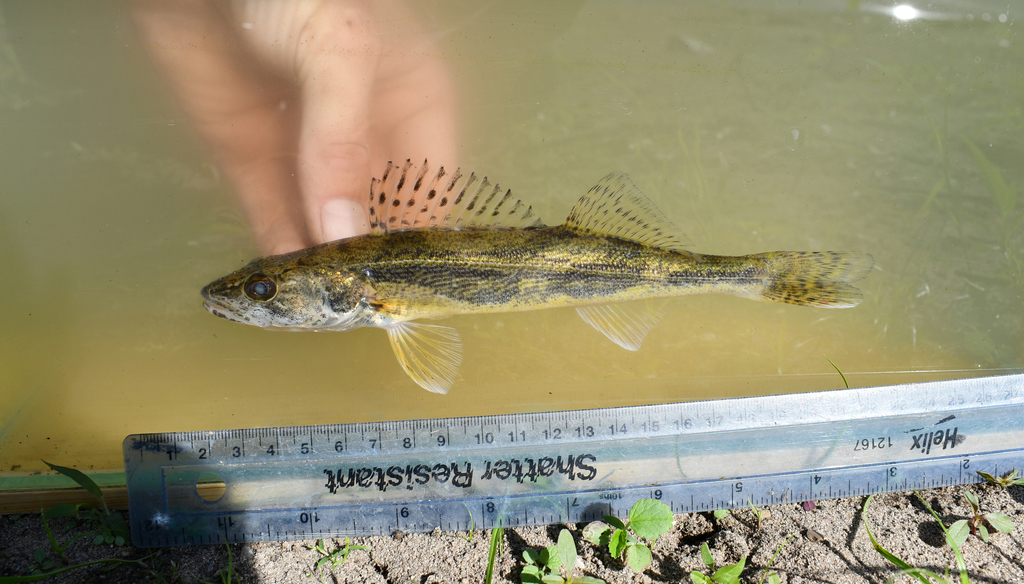
- Species Identification: Sauger are often confused with Walleye. It's critical to know the difference, as regulations (and thus bag/size limits) for Walleye can be very different. Sauger have distinct rows of dark spots on their dorsal fin and lack the white tip on the lower caudal (tail) fin that Walleye possess. Sauger also typically have a more torpedo-shaped body.
Importance of Checking Current Regulations: It is absolutely imperative that you check the current fishing regulations with the appropriate state fish and wildlife agency (e.g., Iowa DNR, Kentucky Department of Fish and Wildlife Resources, Illinois DNR, Missouri Department of Conservation) before every fishing trip. Regulations can change annually, and ignorance of the law is not an excuse. These agencies publish their regulations online and in print, often available where fishing licenses are sold.
Conservation: Sauger populations are generally stable across much of their range. However, like all species, they face challenges from habitat degradation, pollution, and overfishing in localized areas. Adhering to regulations, practicing catch and release for larger or non-target fish, and properly disposing of trash are all vital components of responsible angling that contribute to the conservation of this fantastic game fish. Support your local fish and wildlife agencies, as they are at the forefront of managing and protecting these valuable resources.
Pro Tips and Common Mistakes to Avoid
Mastering Sauger fishing takes time, but these tips will put you on the fast track, and avoiding common pitfalls will save you frustration.
Pro Tips:
- Go Live Bait First: If the bite is tough, always start with a live minnow on a jig or a three-way rig. It's often the most consistent producer for Sauger.
- Downsize and Lighten Up: Sauger have a subtle bite and often prefer smaller presentations. Don't be afraid to drop to a lighter jig (1/4 oz) and a smaller minnow or plastic, especially in slower currents.
- Feel the Bottom, Don't Drag It: You need to maintain contact with the bottom, but you shouldn't be constantly snagging. Adjust your jig weight to "tick" the bottom every few seconds, allowing it to tumble naturally with the current.
- Fish the "Wash": The turbulent water immediately below a dam or wing dam can be intimidating, but the seam where this turbulent water meets calmer water is often a Sauger highway.
- Look for Mud Lines: In larger rivers, after a rain, look for mud lines where clearer water meets turbid water. Sauger often patrol these edges, using the cover of the turbid water to ambush baitfish in the clearer water.
- Stay Warm, Stay Focused: Sauger fishing is often a cold pursuit. Dress in layers, wear good insulated boots and gloves. Comfort allows you to stay out longer and maintain the focus needed to detect those subtle bites.
- Identify Your Catch: Always know the difference between a Sauger and a Walleye. Check for the distinct spots on the dorsal fin and the absence of a white tip on the tail.
Common Mistakes to Avoid:
- Too Heavy a Hand: Many beginners use too heavy a jig or too stiff a rod, making it impossible to feel the subtle Sauger bite. Lighten up!
- Not Fishing the Current: Sauger are current-loving fish. If you're fishing slack water, you're likely in the wrong spot. Look for seams, eddies, and breaks.
- Setting the Hook Too Hard: A Sauger's mouth is not as bony as some other species. A firm, upward sweep is all that's needed. Overly aggressive hooksets can tear the hook out.
- Ignoring Electronics: If you have a fish finder, use it! Sauger often stack up in deep holes or along distinct breaks. Electronics can pinpoint these concentrations.
- Giving Up Too Soon: Sauger bites can come in waves. If you've found a good spot, stick with it for a while, even if the action is slow initially. Patience often pays off.
- Forgetting the Net: Sauger, especially larger ones, can be surprisingly feisty at the boat. A good net prevents lost fish and keeps you from getting hooked.
Conclusion
Chasing Sauger is more than just fishing; it's an immersive experience that connects you with the heart of North America's great river systems. From the subtle tap of the bite in a cold current to the satisfying fight and the promise of a delicious meal, every aspect of Sauger fishing is rewarding. They demand patience, precision, and an appreciation for their unique riverine world, but the payoff is immeasurable.
So, bundle up, grab your sensitive rod, and head to your nearest Sauger hotspot. Discover the thrill of outsmarting these tenacious fish and bring home a cooler full of one of the finest freshwater delicacies. The Sauger are waiting, and your next great fishing adventure is just a cast away!
Stay tuned for our next post, where we'll dive into the art of ice fishing for panfish – perfect for those truly frigid days!
As an Amazon Associate I earn from qualifying purchases at no extra cost to you. Links above are affiliate search links — prices may vary. Generated 2026-10-14