
Catch Warmouth Like a Pro: Complete Fishing Guide
Introduction
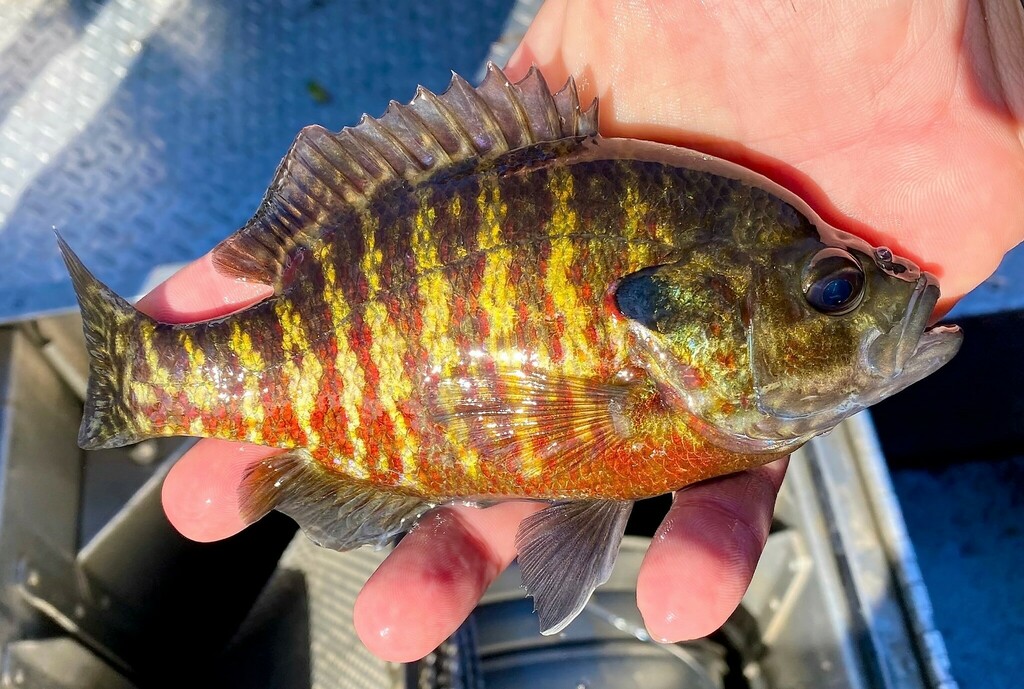
The sun was just easing over the cypress knees, painting the still, dark water of the bayou in hues of gold and amber. The air hung thick with the scent of damp earth and blooming water lilies. My ultralight rod was barely extended, a tiny cricket dangling beneath a pencil-thin bobber, dancing on the surface tension. Suddenly, the bobber didn't just dip; it vanished with an aggressive splash, pulling line off my reel with surprising authority. A quick, firm set of the hook, and the water erupted. It wasn't a bass, nor a crappie, but a feisty, jewel-toned Warmouth, its dark eyes gleaming, gills flared in defiance. It pulled and thrashed with the spirit of a fish twice its size before I gently brought it to hand, admiring its intricate patterns before its release.
This, my friends, is the magic of the Warmouth. Often overlooked in favor of their larger panfish cousins, the Warmouth ( Lepomis gulosus ) is a true freshwater gem. Known for their aggressive strikes, tenacious fights, and striking coloration, these sunfish are an absolute blast to pursue, whether you're a seasoned angler or introducing a youngster to the joys of fishing. They’re accessible, abundant across the warmer waters of the eastern and southern United States, and provide non-stop action. Join me as we dive into the world of this often-underestimated, yet incredibly rewarding, panfish.
When to Go (Best Seasons and Times)
Warmouth are true sunfish, thriving in warm water, so the best time to pursue them is from late spring through early fall. Their activity peaks during the hottest months of summer.
- Spring (April-May): As water temperatures climb into the 60s Fahrenheit, Warmouth become increasingly active. This is a fantastic time to find them moving into shallower waters, often around submerged vegetation or woody debris, as they prepare for spawning.
- Summer (June-August): This is prime time! Warmouth are highly active in water temperatures ranging from the high 70s to low 90s Fahrenheit. They'll be found in their preferred heavy cover, aggressively feeding.
- Fall (September-October): As temperatures begin to cool, Warmouth remain active, feeding heavily to build reserves for winter. They might move slightly deeper but will still be accessible in cover.
Best Times of Day: While Warmouth can bite all day, especially on overcast days, your best odds are usually:
- Early Morning (Dawn to 10 AM): As the sun warms the water, Warmouth emerge from their nighttime resting spots, actively feeding.
- Late Afternoon/Evening (4 PM to Dusk): Similar to mornings, this period sees increased activity as the sun's intensity wanes.
- Overcast Days: Don't let a cloudy sky deter you! Overcast conditions often encourage Warmouth to be more active throughout the day, as they feel less exposed.
Regional Tips: In the deep South, where winters are mild, you can often find Warmouth biting even in the winter months, albeit with less intensity, in deeper, sheltered areas. Always pay attention to local weather patterns; stable, warm conditions usually mean active fish.
Where to Fish (Top Locations)
Warmouth are masters of camouflage and cover, preferring shallow, slow-moving, or stagnant waters with abundant vegetation, submerged timber, or rocky bottoms. Think "junky" water, and you're probably in the right place!
- State Park Lakes and Ponds: Many state parks across the southeastern and midwestern U.S. have small to medium-sized lakes and ponds that are perfect Warmouth habitat. Look for areas with lily pads, cattails, fallen trees, or brush piles. Check with the park office for fishing access and regulations.
- Wildlife Management Areas (WMAs): State wildlife agencies often manage numerous public ponds and small impoundments within WMAs. These areas are typically less pressured and can offer excellent Warmouth fishing. Look for designated fishing access points.
- Slow-Moving Rivers and Bayous: The backwaters, oxbows, and slow stretches of rivers, particularly in states like Louisiana, Mississippi, Alabama, and Florida, are Warmouth havens. Focus on areas with dense aquatic vegetation or cypress knees.
- Canals and Drainage Ditches: In regions like the Florida Everglades or agricultural areas with extensive canal systems, Warmouth thrive. These often overlooked spots can hold surprisingly large numbers of fish, especially in sections with structure.
- Farm Ponds (with permission): While not public, many private farm ponds, especially those that aren't heavily managed for bass, can hold fantastic populations of Warmouth. Always secure permission from the landowner before fishing.
- Backwater Sloughs and Swamps: True to their "goggle-eye" nickname, Warmouth love the murky, vegetated depths of swamps and sloughs. These can be challenging to access but often hold undisturbed populations.
Always prioritize public access points. Consult your state's fish and wildlife agency website (e.g., Florida Fish and Wildlife Conservation Commission, Georgia Department of Natural Resources, Texas Parks and Wildlife Department) for maps of public fishing spots and access information.
How to Fish (Proven Techniques)
Warmouth are aggressive and not particularly picky, making them an excellent target for beginners, but there are nuances to increase your success.
Beginner-Friendly Approach: Live Bait Under a Bobber
- Rig Your Rod: Tie a small hook (size 8 or 10 is ideal) to your main line. About 6-12 inches above the hook, pinch on a small split shot weight. Then, about 1-2 feet above the split shot, attach a small, sensitive bobber (pencil or slip bobber works best).
- Bait Up: Thread a live cricket, small redworm, or piece of nightcrawler onto the hook. Make sure the hook point is exposed.
- Cast to Cover: Gently cast your bait near heavy cover – lily pads, submerged logs, brush piles, or overhanging branches. Warmouth love to ambush prey from structure.
- Watch the Bobber: Keep a close eye on your bobber. Warmouth strikes are often aggressive. The bobber might wiggle, twitch, or simply disappear beneath the surface.
- Set the Hook: When the bobber goes down, give a quick, firm snap of the wrist to set the hook.
- Reel 'Em In: Enjoy the fight! Warmouth are feisty. Keep your rod tip up and steadily reel them in.
Advanced Tips:
- Small Lures: Warmouth will readily strike small artificial lures.
- Micro Jigs: Tiny 1/32 to 1/16 oz jigs tipped with a small plastic grub, tube, or hair jig are incredibly effective. Cast them near cover and retrieve slowly with subtle twitches.
- Inline Spinners: Small inline spinners (e.g., Mepps Aglia #0 or #1, Panther Martin) in silver, gold, or chartreuse can entice aggressive strikes. Cast and retrieve at a steady, slow pace.
- Fly Fishing: For the fly angler, Warmouth are a blast on light tackle.
- Poppers and Spiders: Small topwater poppers or foam spiders in size 8 or 10 are excellent. Cast them tight to cover and let them sit for a moment before giving a subtle twitch. The surface commotion often triggers explosive strikes.
- Wet Flies and Nymphs: Woolly Buggers (black or olive), small nymphs, or even tiny streamers fished slowly near the bottom can also produce.
- Targeting Structure: Don't just cast near cover; try to get your bait or lure into it. Warmouth are ambush predators and will often be tucked deep within the thickest vegetation or brush. A weedless hook or jig can be beneficial here.
Who to Go With (Guides, Groups, or Solo)
Warmouth fishing is incredibly versatile, lending itself well to various approaches.
- Solo Angler (DIY): This is perhaps the most common and rewarding way to fish for Warmouth. Their widespread availability and willingness to bite make them perfect for a quiet day on the water by yourself. You can explore new waters at your own pace and refine your techniques.
- Friends and Family (DIY): Warmouth fishing is fantastic for groups, especially when introducing children or new anglers to the sport. The consistent action keeps everyone engaged, and the simple techniques are easy to learn. Pack a cooler, some snacks, and enjoy the camaraderie.
- Guided Trips: While you won't typically find guides specializing exclusively in Warmouth, many panfish or bass guides in the southeastern U.S. will happily put you on a variety of sunfish, including Warmouth, as part of a multi-species trip. This is an excellent option if you're new to a region, want to learn specific techniques for panfish, or wish to explore hard-to-reach backwaters. Expect to pay anywhere from $300 to $600+ USD for a half-day or full-day guided trip, depending on the guide's experience and location. It's an investment in learning and access, but for Warmouth, it's often more about the experience than the necessity.
Essential Gear Recommendations
You don't need a lot of fancy gear to catch Warmouth, which is part of their charm!
-
Must-Have Gear:
- Rod and Reel Combo:
- Ultralight Spinning Rod: 5'0" to 6'6" light or ultralight action. This allows for sensitive bites and makes even small Warmouth feel like a trophy. Ugly Stik GX2 Ultralight Spinning Rod → Shop on Amazon
- Small Spinning Reel: Size 500 or 1000. Smooth drag is key for light lines. Shimano Sienna FG Spinning Reel → Shop on Amazon
- Fishing Line: 4-6 lb monofilament or fluorocarbon line. Monofilament is more forgiving for beginners. Stren Original Monofilament Line → Shop on Amazon
- Hooks: Small Aberdeen or Octopus hooks, sizes #8 or #10. Gamakatsu Octopus Hooks → Shop on Amazon
- Bobbers: Small, sensitive bobbers (pencil bobbers, slip bobbers, or small clip-on round bobbers). Thill America's Favorite Floats → Shop on Amazon
- Split Shot Weights: Assorted small sizes. Water Gremlin Removable Split Shot → Shop on Amazon
- Bait: Live crickets, redworms, or pieces of nightcrawler.
- Pliers/Forceps: For hook removal. Boomerang Tool Snip → Shop on Amazon
- Small Tackle Box: To keep your essentials organized. Plano 3500 Tackle Box → Shop on Amazon
- Rod and Reel Combo:
-
Budget-Friendly Alternatives:
- Rod and Reel Combo: Look for entry-level combos at big box stores (Walmart, Academy Sports + Outdoors) for under $40. Many brands offer decent ultralight setups.
- Line: Store-brand monofilament is perfectly adequate.
- Hooks/Weights/Bobbers: Buy multi-packs or assortments from discount retailers.
- Bait: Digging your own worms or catching crickets can save a few bucks.
- Pliers: Any small household pliers will work in a pinch.
Expected Costs (Full Setup vs. Budget Version)
Warmouth fishing is remarkably affordable, making it a great entry point into the sport. All costs are in USD.
-
Fishing License:
- Annual Resident License: $15 - $40 (varies by state).
- Annual Non-Resident License: $40 - $100+ (varies by state).
- Short-Term (3-5 day) License: $10 - $30.
- Always check your specific state's fish and wildlife agency website for current fees and requirements before heading out.
-
Budget-Friendly Setup (Under $75):
- Rod & Reel Combo: $30 - $45
- Line: $5
- Hooks, Bobbers, Weights: $10 - $15 (assorted pack)
- Bait (first outing): $5
- Total (excluding license): $50 - $70
-
Full Setup (Quality Starter Gear - $150 - $250):
- Quality Ultralight Rod (e.g., Ugly Stik, St. Croix Triumph): $50 - $80
- Quality Small Spinning Reel (e.g., Shimano Sienna, Daiwa Regal): $60 - $90
- Braided Line with Fluorocarbon Leader (optional, for sensitivity): $20 - $30
- Hooks, Bobbers, Weights (quality brands): $15 - $25
- Artificial Lures (jigs, spinners): $15 - $30
- Bait (first outing): $5
- Small Tackle Box, Pliers: $15 - $25
- Total (excluding license): $180 - $285
Remember, many items are one-time purchases, and bait is often the only recurring cost.
Regulations and Conservation
Warmouth are widely distributed and generally considered a common and stable species across their native range in the eastern and southern United States. They are not typically subject to strict regulations like some game fish.
- State-Specific Regulations: Fishing regulations for Warmouth, like all freshwater species, are set by individual state fish and wildlife agencies. These regulations can include:
- Bag Limits: The maximum number of fish you can keep in a single day.
- Size Limits: Minimum or maximum lengths for harvested fish (less common for Warmouth but possible).
- Gear Restrictions: Allowable methods of take.
- Check Before You Go: It is absolutely critical that you consult the current fishing regulations for the specific state and body of water you plan to fish. You can usually find this information on the official website of the state's fish and wildlife agency (e.g., Florida Fish and Wildlife Conservation Commission, North Carolina Wildlife Resources Commission, Missouri Department of Conservation). Regulations can change annually, so always verify the most up-to-date information.
- Conservation: While Warmouth are abundant, practicing responsible angling is always important.
- Catch and Release: If you're not planning to eat your catch, handle fish gently with wet hands and release them quickly to ensure their survival.
- Respect Limits: Adhere strictly to all bag and size limits to help maintain healthy fish populations.
- Leave No Trace: Pack out everything you pack in, including discarded fishing line and bait containers.
Pro Tips and Common Mistakes to Avoid
Pro Tips:
- Stealth is Key: Warmouth are often in very shallow water. Approach your fishing spots quietly to avoid spooking them. Stay low, move slowly, and avoid casting shadows over the water.
- Target the Thickest Cover: Don't be afraid to cast into dense lily pads, submerged brush, or under overhanging trees. That's where the biggest Warmouth often lurk.
- Vary Your Retrieve: If using lures, experiment with different retrieve speeds and pauses. Sometimes a slow, steady retrieve works, other times a stop-and-go twitch is more effective.
- Small Baits, Small Hooks: Warmouth have relatively small mouths. Using hooks larger than a #8 can lead to missed bites. Keep your bait offerings modest in size.
- Look for Deeper Pockets in Shallow Water: Even in shallow areas, Warmouth will gravitate towards slightly deeper holes or channels within the vegetation.
- Fish the "Edges": The transition zones where heavy cover meets open water are prime ambush points for Warmouth.
- Scent Matters: Adding a dab of fish attractant to your lures or live bait can sometimes make a difference, especially on tougher days.
Common Mistakes to Avoid:
- Using Overly Heavy Gear: A heavy rod and line will diminish the fighting fun of a Warmouth and can make subtle bites harder to detect. Stick to ultralight setups.
- Fishing Open Water: While you might catch a stray, Warmouth are cover-oriented fish. Casting repeatedly into open water away from structure is often unproductive.
- Too Much Noise/Movement: Slamming tackle box lids, stomping on the bank, or loud conversations can easily send shallow-water Warmouth scattering.
- Impatient Fishing: Warmouth, especially larger ones, can sometimes take a moment to commit to a bait or lure. Let your bait sit for a bit, or make multiple casts to the same piece of cover.
- Ignoring the Weather: Fishing when a cold front is moving through or immediately after can make Warmouth less active. Aim for stable weather patterns.
Conclusion
The Warmouth truly embodies the spirit of accessible, action-packed angling. From the aggressive tug on your line to their vibrant, mottled patterns, these feisty panfish offer an incredibly rewarding experience for anglers of all skill levels. They teach patience, the thrill of the hunt for structure, and the simple joy of a bending rod. So, next time you're looking for a fun day on the water, consider leaving the big bass rigs at home and chasing these goggle-eyed gladiators of the shallows. You might just find a new favorite species.
Ready to explore another overlooked gem? Stay tuned for our next adventure, where we'll delve into the fascinating world of fishing for Bowfin!
As an Amazon Associate I earn from qualifying purchases at no extra cost to you. Links above are affiliate search links — prices may vary. Generated 2026-08-31