Hunt Coues Deer (Mexico) Like a Pro: Complete Hunting Guide
Introduction
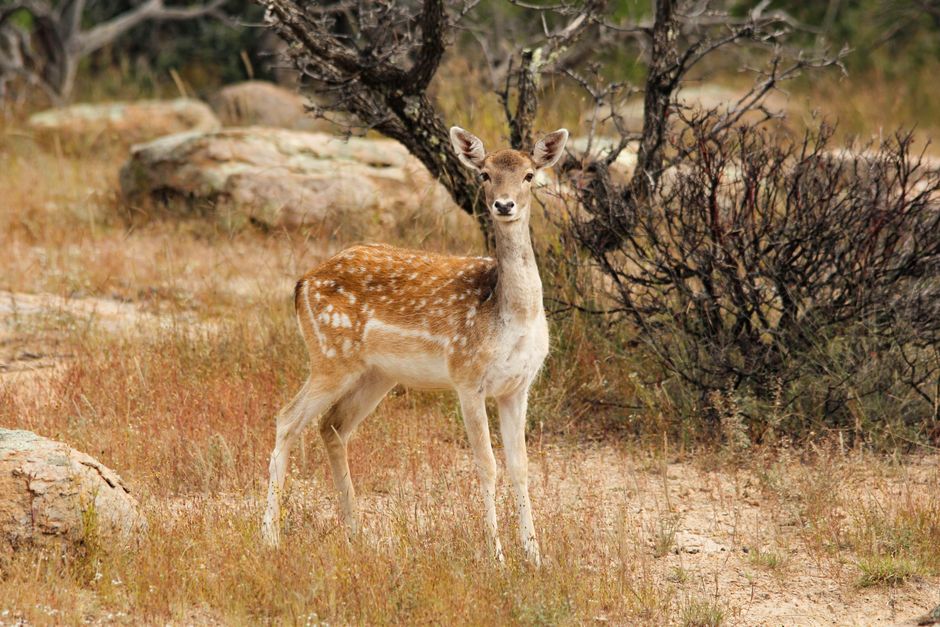
The sun was just kissing the peaks of the Sierra Madre foothills, painting the sky in fiery oranges and deep purples. I had been glued to my binoculars for an hour, meticulously dissecting every crevice and shadow on the opposite slope, my eyes burning from the intense focus. Then, a flicker. A ghost of movement against the mottled cholla and ocotillo. It wasn't the wind. It was the flick of an ear, then the unmistakable outline of a small-bodied deer, its antlers like miniature candelabras, disappearing almost as quickly as it appeared. That, my friends, is the Coues deer—the "grey ghost" of the desert, and one of the most challenging and rewarding hunts you can experience.
Hunting Coues deer in Mexico, particularly in the rugged, sun-baked landscapes of Sonora and Chihuahua, is an adventure unlike any other. It’s a pursuit that demands patience, keen eyesight, and a deep respect for the unforgiving desert environment. Often overshadowed by their larger cousins, the Coues deer offers an intimate and exhilarating spot-and-stalk challenge that will test your skills and reward you with breathtaking scenery and an unforgettable experience. If you’re ready to trade dense forests for wide-open spaces and the thrill of spotting a true desert phantom, then Mexico is calling your name.
When to Hunt (Best Seasons and Times)
The prime season for hunting Coues deer in Mexico typically runs from late November through January. This timing is critical for several reasons:
- Rut Activity: The rut for Coues deer usually kicks into high gear from mid-December through January. During this period, bucks are more active, less cautious, and more focused on breeding, making them more visible and vulnerable.
- Weather: While the desert can be warm, these months offer cooler, more comfortable temperatures for hunting. Mornings can be crisp, often requiring layers, while midday temperatures are generally pleasant, perfect for long hours of glassing. Avoid the scorching heat of late spring and summer, which makes hunting incredibly difficult and less productive.
- Vegetation: The desert foliage tends to be less dense in winter, improving visibility for spotting these camouflaged creatures.
Times of Day: Coues deer are most active during the low-light hours of dawn and dusk. This is when they move between feeding and bedding areas. Be in your glassing position well before first light and stay until after the sun has set. Midday can also be productive, especially during the rut, as bucks may be moving to check does or responding to calls. However, glassing during the harsh midday sun can be challenging, so take breaks and stay hydrated.
Regional Tips (Sonora & Chihuahua): While the general season applies, late December and early January are often considered the peak in Sonora and Chihuahua due to the rut. Pay attention to weather forecasts; a cold snap can sometimes kick-start deer movement, while unusually warm weather can slow it down.
Where to Hunt (Top Locations)
For international hunters, the best opportunities for Coues deer in Mexico are found on private ranches in the states of Sonora and Chihuahua. Unlike the US, public land hunting as we know it is not a common practice for foreign hunters in Mexico. Instead, reputable outfitters lease vast tracts of private land, often thousands of acres, that are managed specifically for trophy Coues deer.
- Sonora: Widely considered the premier destination for Coues deer. The rugged mountains, desert plains, and diverse vegetation provide ideal habitat. Areas around Hermosillo, Magdalena de Kino, and the foothills of the Sierra Madre Occidental are particularly renowned. Many outfitters operate here, offering well-managed properties with excellent deer populations.
- Chihuahua: To the east of Sonora, Chihuahua also offers fantastic Coues deer hunting, often with slightly different terrain, including more expansive grasslands mixed with brush. The hunting pressure can sometimes be lower than in Sonora, leading to excellent opportunities for mature bucks.
- Northern Baja California: While less common than Sonora or Chihuahua, some outfitters offer Coues deer hunts in the mountains of Northern Baja. This region presents a unique desert-mountain environment and can be a good option for those looking for a different experience.
- Coahuila: Similar to Chihuahua, Coahuila offers good Coues deer populations in its mountainous regions, often alongside other species like Desert Mule Deer.
When choosing a location, the key is to select a reputable outfitter who has access to large, well-managed ranches with a history of successful Coues deer hunts. These outfitters will know the specific "hot spots" on their properties.
How to Hunt (Proven Techniques)
Hunting Coues deer is primarily a spot-and-stalk game. These deer are masters of camouflage and can disappear in plain sight.
Step-by-Step for Beginners:
- Glassing is King: This is the most crucial skill. Find a high vantage point overlooking a vast area of prime Coues habitat (slopes, canyons, saddles). Set up your tripod-mounted spotting scope and binoculars.
- Divide and Conquer: Mentally divide the landscape into grids or sections. Systematically scan each section, moving slowly and deliberately. Look for anything that seems out of place: a horizontal line in a vertical world, a flicker of white, the dark tines of an antler, or the flick of an ear.
- Patience, Patience, Patience: Don't rush your glassing. Spend 15-30 minutes, or even longer, thoroughly examining an area before moving on. Coues deer often bed down during the day and can appear as if from nowhere.
- Confirm the Target: Once you spot what you believe is a deer, use your spotting scope to confirm it's a buck, assess its size, and determine if it's a shooter. Pay attention to its behavior – is it feeding, bedding, or moving?
- Plan the Stalk: This is where the real challenge begins. Study the terrain between you and the deer. Identify cover, wind direction, and potential obstacles. Plan your route to stay out of sight and downwind.
- Execute the Stalk: Move slowly and quietly. Use all available cover – washes, ridges, thick brush. Take your time, checking your wind often. Make sure you know exactly where the deer is at all times, if possible.
- Take the Shot: Once you've closed the distance to a comfortable shooting range, get into a stable shooting position. Use shooting sticks or a backpack for support. Take a deep breath, control your trigger, and make a clean shot.
Advanced Tips:
- Thermals and Movement: Understand how thermals work in the desert. In the morning, air flows downhill; in the afternoon, it flows uphill. Plan your stalks to use these thermal currents to your advantage, keeping your scent away from the deer.
- Calling: During the rut, a soft doe bleat or fawn distress call can sometimes entice a curious buck to investigate, especially if he's actively searching for does. Use sparingly and realistically.
- Patterning Deer: If you have multiple days, try to observe and pattern deer movement. Where do they feed? Where do they bed? What routes do they use? This can help you predict their location and improve your chances.
- Shooting Practice: Coues deer hunts often involve long shots in windy conditions. Practice shooting from various field positions, especially with shooting sticks, at ranges up to 400 yards.
Who to Go With (Guides, Groups, or Solo)
For an international hunter pursuing Coues deer in Mexico, going with a reputable outfitter and guide is overwhelmingly the recommended, and often only, viable option.
-
Guided Hunt (Highly Recommended):
- Expertise: Mexican outfitters and their guides possess unparalleled local knowledge of the terrain, deer habits, and specific ranches. They know where to find the deer and how to navigate the challenging landscape.
- Logistics: They handle all the complex logistics, including permits, gun importation, transportation from the airport, accommodation, food, and field care of your trophy. This alone is worth the cost for peace of mind.
- Safety: Hunting in remote parts of Mexico can present unique challenges; a good outfitter prioritizes your safety and has protocols in place.
- Cost Context: Expect a fully guided Coues deer hunt package in Sonora or Chihuahua to range from $4,000 to $7,000+ USD for a 5-7 day hunt, depending on the outfitter, ranch quality, and inclusions. This typically covers guide fees, meals, lodging, transportation within Mexico, and often the hunting license/tag.
-
Groups: Many hunters prefer to go in small groups (2-4 hunters) to share the experience. Outfitters are well-equipped to handle groups and can often offer slightly better rates per person.
-
Solo/DIY (Not Recommended for International Hunters):
- Attempting a solo or DIY Coues deer hunt in Mexico as a foreign hunter is highly discouraged and practically impossible due to the complexities of permits, land access, firearm importation laws, and language barriers. You will need a licensed outfitter to facilitate your hunt legally and safely.
When selecting an outfitter, do your research. Look for those with positive references, clear communication, and a strong track record specifically with Coues deer. Ask about their success rates, trophy quality, and what's included (and excluded) in their package price.
Essential Gear Recommendations
Hunting Coues deer in the Mexican desert demands specific gear to cope with the terrain, climate, and the nature of the hunt.
-
Optics (Critical!):
- Binoculars: 10x42 or 12x50 are standard for general glassing. Swarovski EL Range 10x42 → Shop on Amazon (Premium) or Vortex Viper HD 10x42 → Shop on Amazon (Budget-Friendly).
- Spotting Scope: Absolutely essential for identifying deer at long range and judging antlers. A 15-45x60 or 20-60x80 is ideal. Kowa TSN-553 PROMINAR → Shop on Amazon (Premium) or Athlon Ares G2 15-45x65 → Shop on Amazon (Budget-Friendly).
- Tripod: A sturdy, lightweight tripod for your spotting scope and binoculars is non-negotiable for stable glassing. Gitzo Mountaineer Series 2 → Shop on Amazon (Premium) or Vortex Summit Carbon Tripod → Shop on Amazon (Budget-Friendly).
- Rangefinder: Critical for accurate shot placement in open terrain. Leica Geovid Pro 10x32 → Shop on Amazon (Premium) or Sig Sauer KILO1600BDX → Shop on Amazon (Budget-Friendly).
-
Rifle & Ammunition:
- Caliber: Flat-shooting cartridges are preferred for the potential long shots. .270 Win, 6.5 Creedmoor, .308 Win, 7mm-08, or .30-06 are excellent choices.
- Rifle: A lightweight, accurate bolt-action rifle with a quality scope (3-9x40 or 4-16x44) is ideal. Christensen Arms Ridgeline → Shop on Amazon (Premium) or Savage Axis II → Shop on Amazon (Budget-Friendly).
- Ammunition: Bring 40-60 rounds of premium hunting ammunition. Ensure your rifle is zeroed and you've practiced extensively with this specific load.
- Shooting Sticks: Essential for stable shots in the field. BOG-POD DeathGrip Tripod → Shop on Amazon (Premium) or Primos Trigger Stick Gen 3 → Shop on Amazon (Budget-Friendly).
-
Clothing & Footwear:
- Boots: Comfortable, broken-in, ankle-supporting hiking boots are paramount. You'll be covering miles over rough terrain. Kenetrek Mountain Extreme → Shop on Amazon (Premium) or Salomon Quest 4D 3 GTX → Shop on Amazon (Budget-Friendly).
- Layers: Expect cool mornings and evenings, warm afternoons. Pack moisture-wicking base layers, a mid-layer fleece, and a quiet, breathable outer layer in desert camouflage or earth tones.
- Hat: Wide-brimmed hat for sun protection.
- Gloves: Lightweight gloves for sun protection and grip.
-
Backpack:
- A comfortable day pack (20-30 liters) to carry water, snacks, extra layers, first-aid, and optics. Mystery Ranch Pop-Up 28 → Shop on Amazon (Premium) or Osprey Talon 22 → Shop on Amazon (Budget-Friendly).
-
Other Essentials:
- Water Bottles/Hydration Bladder: Critical in the desert.
- Sunscreen & Lip Balm: High SPF.
- Headlamp: For early mornings and late evenings.
- First-Aid Kit: Basic field kit.
- Knife: For field dressing.
- Camera: To capture the memories!
Expected Costs (Full Setup vs. Budget Version)
Hunting Coues deer in Mexico is an investment, but the experience is truly priceless. Here's a realistic breakdown:
Full Setup (Premium Gear & Guided Hunt):
- Guided Hunt Package (5-7 days): $6,000 - $8,000 USD (Includes guide, lodging, meals, local transport, trophy prep, often license/tag).
- Round-trip Airfare to Mexico (e.g., Hermosillo, Sonora): $500 - $1,000 USD.
- Permits/Gun Importation Fees: Often handled by outfitter, but factor in $300 - $500 USD if not explicitly included.
- Trophy Export/Taxidermy (if desired): $500 - $1,500+ USD (depending on mount type and shipping).
- Gratuities for Guides/Staff: $700 - $1,500 USD (typical 10-20% of hunt cost).
- Premium Optics (Binoculars, Spotting Scope, Rangefinder, Tripod): $3,000 - $7,000 USD.
- Premium Rifle & Scope: $2,000 - $4,000 USD.
- High-Quality Boots & Clothing: $500 - $1,000 USD.
- Ammunition & Misc. Gear: $200 - $400 USD.
- Total Premium Estimated Cost: $13,700 - $23,400+ USD
Budget Version (Mid-Range Gear & Guided Hunt):
- Guided Hunt Package (5-7 days): $4,000 - $5,500 USD (Look for established but perhaps less luxurious outfitters).
- Round-trip Airfare to Mexico: $500 - $1,000 USD.
- Permits/Gun Importation Fees: $300 - $500 USD.
- Trophy Export/Taxidermy: $500 - $1,000 USD.
- Gratuities: $500 - $1,000 USD.
- Mid-Range Optics (Binoculars, Spotting Scope, Rangefinder, Tripod): $1,500 - $3,000 USD.
- Mid-Range Rifle & Scope: $800 - $1,500 USD.
- Reliable Boots & Clothing: $300 - $600 USD.
- Ammunition & Misc. Gear: $150 - $300 USD.
- Total Budget Estimated Cost: $8,550 - $14,400+ USD
Note on Mexican Pesos (MXN): While outfitters typically quote in USD for international hunters, local purchases for souvenirs or small incidentals would be in MXN. Currently, 1 USD is approximately 17-18 MXN (fluctuates, check current rates). All prices listed above are in USD for clarity.
License/Tag Costs: These are almost always bundled into the outfitter's package price for international hunters. Always confirm what is included in your package before booking.
Important: These are estimates. Prices can vary significantly based on the outfitter, specific ranch, duration of the hunt, and market demand. Always advise readers to check current fees with their chosen outfitter and the appropriate Mexican authorities before making any commitments.
Regulations and Conservation
Hunting Coues deer in Mexico involves a specific set of regulations designed to manage wildlife populations and ensure ethical hunting practices. For international hunters, navigating these regulations typically falls to your chosen outfitter.
- Primary Regulatory Authority: The main federal agency responsible for wildlife management and hunting regulations in Mexico is the Secretaría de Medio Ambiente y Recursos Naturales (SEMARNAT).
- Permits and Licenses:
- Hunting Permit (Cintillo): This is the equivalent of a tag for a specific species and is issued by SEMARNAT. Your outfitter will secure this for you.
- Firearms Importation Permit: Bringing your own rifle into Mexico requires a temporary firearms import permit issued by the Mexican military (SEDENA). Your outfitter will be instrumental in assisting with this often complex process, which requires significant lead time and documentation. Many hunters opt to rent a rifle from their outfitter to avoid this hassle.
- Trophy Export Permits: To legally export your Coues deer trophy back to your home country, you will need a CITES (Convention on International Trade in Endangered Species of Wild Fauna and Flora) permit and other export documentation from SEMARNAT. Again, your outfitter will guide you through this process.
- Season Dates: SEMARNAT sets the official hunting seasons, which generally align with the prime times mentioned earlier.
- Bag Limits: Typically, the bag limit for Coues deer in Mexico is one buck per hunter per season, though this can vary by specific management unit and permit.
- Conservation Status: Coues deer populations in Mexico are generally healthy and well-managed on private ranches, thanks to the economic incentive of hunting tourism. Reputable outfitters often invest in habitat improvement and sustainable harvesting practices, contributing to the species' long-term viability.
- Ethical Hunting: Adherence to fair chase principles is expected. This includes not shooting from vehicles, respecting private property boundaries, and making ethical shots.
Crucial Advice: Never attempt to navigate Mexican hunting regulations independently as an international hunter. Always work with a licensed, reputable Mexican outfitter. They are experts in the local laws and will ensure all necessary permits and documentation are in order for a legal and worry-free hunt. Always advise readers to check current regulations with their chosen outfitter and SEMARNAT well in advance of their trip. Regulations can change, and being prepared is key.
Pro Tips and Common Mistakes to Avoid
Pro Tips for Coues Deer (Mexico):
- Invest in Elite Optics: I cannot stress this enough. Your success hinges on your ability to find these deer. Spend as much as you can afford on high-quality binoculars, a spotting scope, and a sturdy tripod.
- Practice Shooting from a Tripod/Sticks: Most shots will be taken from a supported standing, kneeling, or sitting position. Master shooting with your rifle resting on shooting sticks or a tripod.
- Learn the Language of the Desert: Understand the different types of vegetation, how deer use the terrain for cover and feeding, and where they bed. Your guide will be invaluable here, but keen observation helps.
- Stay Hydrated: The desert environment is unforgiving. Drink more water than you think you need, even if you don't feel thirsty. Dehydration can severely impact your focus and stamina.
- Be Prepared for Long Shots: While you always strive for a closer shot, Coues deer hunting often presents opportunities at 300-500+ yards. Know your rifle's capabilities and your own limits.
- Patience is Your Greatest Virtue: You will spend hours, perhaps days, glassing without seeing a legal buck. Don't get discouraged. The "grey ghost" often appears when you least expect it.
- Respect Your Guide: Your guide is your most valuable asset. Listen to their advice, trust their experience, and communicate clearly.
Common Mistakes to Avoid:
- Underestimating the Terrain: The Mexican desert, especially the mountains, is rough, steep, and often covered in thorny vegetation. Don't underestimate the physical demands; be in good shape.
- Poor Glassing Technique: Rushing your glassing, not using a tripod, or failing to systematically grid the landscape will result in missed opportunities. Slow down and be thorough.
- Ignoring the Wind: Coues deer have an incredible sense of smell. Always be mindful of the wind direction during your stalk. A single gust can blow your entire hunt.
- Wearing the Wrong Footwear: New, untried boots or inadequate footwear will lead to blisters and misery, ending your hunt prematurely. Break in your boots!
- Not Practicing Long Shots: Assuming you can make a 400-yard shot without practicing it under various conditions is a recipe for a missed deer or a wounded animal.
- Forgetting Sun Protection: Sunburn and sunstroke are real dangers. Always wear a hat, sunglasses, and high-SPF sunscreen.
- Trying to DIY Firearm Importation: This is a bureaucratic nightmare for foreigners. Let your outfitter handle it, or rent a rifle.
Conclusion
Hunting Coues deer in Mexico is more than just a hunt; it's an immersive experience in one of North America's most unique and challenging landscapes. It's about testing your physical and mental limits, honing your glassing skills to an art form, and the sheer thrill of outsmarting a truly elusive creature. The friendships forged with your guide, the breathtaking sunrises over the Sonoran desert, and the satisfaction of earning that hard-won trophy make it an adventure you'll recount for years.
So, pack your best optics, sharpen your shooting skills, and prepare to be captivated by the "grey ghost." Mexico's desert mountains await, ready to offer you a hunting challenge that will elevate your outdoor experience.
Ready to explore another incredible international hunting destination? Next time, we'll journey to the vast plains of Africa to discuss the ultimate plains game safari!
As an Amazon Associate I earn from qualifying purchases at no extra cost to you. Links above are affiliate search links — prices may vary. Generated 2026-08-30