
Catch Pacific Sailfish Like a Pro: Complete Fishing Guide
Introduction
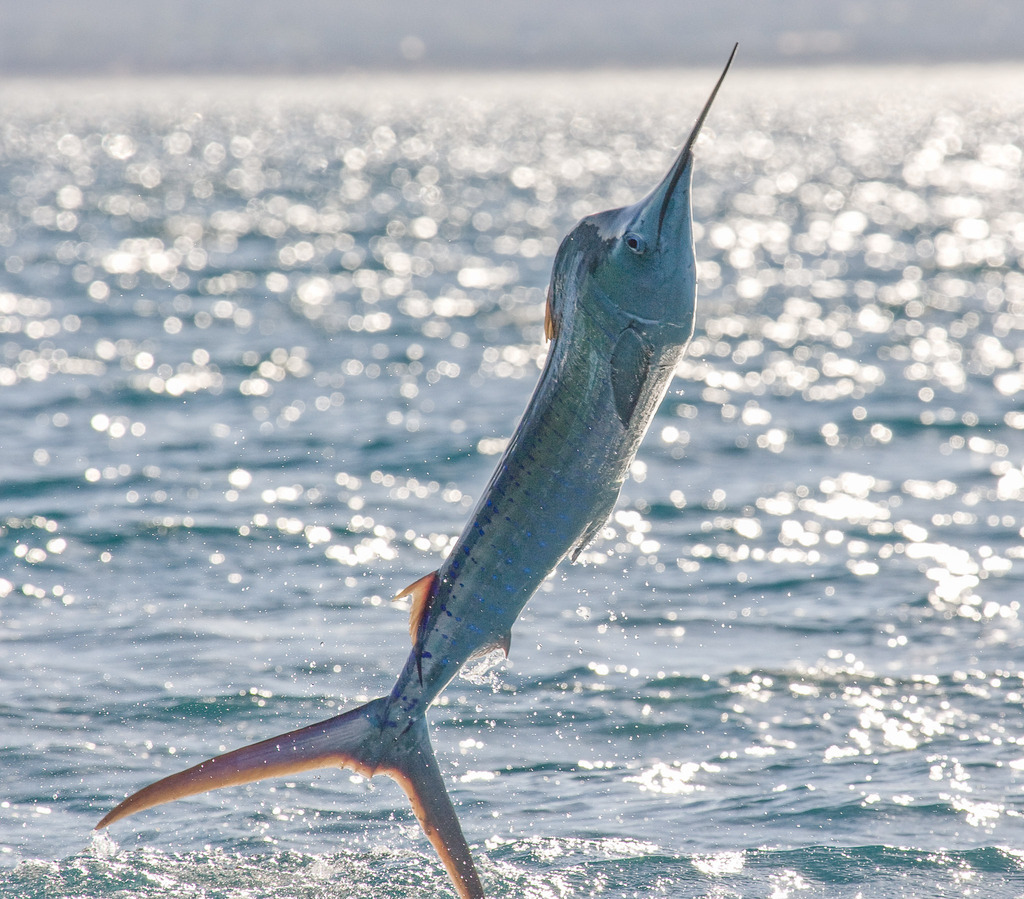
The ocean's surface explodes! A shimmering, iridescent torpedo launches itself skyward, rattling its head violently as it tries to throw the hook. Its sail, a magnificent dorsal fin, stands tall, slicing through the air like a razor-sharp banner. This isn't just a fish; it's a living work of art, a ballet dancer of the deep, and a true test of an angler's skill. We're talking about the Pacific Sailfish, a species renowned for its incredible speed, acrobatic leaps, and dazzling beauty. Pursuing these magnificent billfish off the coasts of Central and South America, or across the vast Pacific, isn't just fishing—it's an adrenaline-fueled adventure that etches itself into your memory forever. From the moment the reel screams to the triumphant release, catching a Pacific Sailfish is an unparalleled experience, offering a blend of intense action and breathtaking natural spectacle. Get ready to embark on a journey to master the art of catching one of the ocean's most iconic predators.
When to Go (Best Seasons and Times)
Timing is everything when targeting Pacific Sailfish, as their movements are heavily influenced by baitfish migrations and ocean currents.
- Central America (Costa Rica, Panama, Guatemala): This region is arguably the world's sailfish capital.
- Peak Season: Generally runs from December through April, with January to March often seeing the highest concentrations. During these months, colder, nutrient-rich currents push vast schools of baitfish, like ballyhoo and mackerel, closer to shore, bringing the sailfish with them.
- Shoulder Seasons: May and November can also be very productive, especially before or after the main rainy season.
- Time of Day: Early mornings (from sunrise until late morning) and late afternoons (a few hours before sunset) are typically the most active feeding periods. However, sailfish can be caught throughout the day, especially if you find a good bait school or current line.
- Mexico (Pacific Coast, Baja California Sur):
- Peak Season: Late summer through fall (July to November) is prime time, particularly around the Baja Peninsula (Cabo San Lucas, East Cape) and the mainland coast (Puerto Vallarta, Mazatlán). Warmer water temperatures bring the bait and the billfish.
- Transition Months: June and December can offer good fishing as well.
- Ecuador/Peru:
- Peak Season: December to May generally offers the best opportunities, with consistent catches reported.
- Australia (Queensland): While more famous for marlin, Pacific Sailfish are present.
- Peak Season: Typically October to December, coinciding with the warmer waters and baitfish aggregations in the Coral Sea.
Always keep an eye on local fishing reports and consult with charter captains in your chosen destination, as specific conditions can vary year to year. Look for clear, blue water and temperature breaks where baitfish are likely to congregate.
Where to Fish (Top Locations)
The Pacific Ocean offers an array of incredible destinations for targeting sailfish. Here are some of the most renowned:
- Quepos, Costa Rica: Located on Costa Rica's central Pacific coast, Quepos is a world-famous billfish hotspot. Its proximity to offshore banks and deep-water currents makes it incredibly consistent for sailfish. The Marina Pez Vela is a hub for top-tier charters.
- Los Sueños, Costa Rica: Just north of Quepos, Los Sueños boasts a luxurious marina and access to the same prolific waters. It's a prime departure point for anglers seeking high-volume sailfish action.
- Gulf of Chiriqui, Panama: This region, including areas around Hannibal Bank and Isla Montuosa, is known for its incredibly diverse fishery, with sailfish often caught alongside marlin and tuna. It offers a wilder, more remote fishing experience.
- Cabo San Lucas, Mexico: At the tip of Baja California Sur, Cabo is legendary for its billfish. While marlin often steal the spotlight, sailfish are abundant, especially during the warmer months, offering fantastic opportunities close to shore.
- Puerto Vallarta, Mexico: On Mexico's mainland Pacific coast, Puerto Vallarta provides excellent access to offshore waters where sailfish cruise. It's a vibrant destination with a well-established sportfishing fleet.
- Manta, Ecuador: Ecuador's Pacific coast, particularly around Manta and Salinas, has emerged as a top destination for Pacific Sailfish, offering some of the highest catch rates in the world, often with multiple hook-ups in a day.
These locations offer well-developed sportfishing infrastructures, making them ideal for both seasoned anglers and beginners looking to experience their first sailfish.
How to Fish (Proven Techniques)
Pacific Sailfish are aggressive predators, and a few proven techniques will maximize your chances.
Beginner-Friendly Trolling:
- Bait Preparation: The most common and effective method is trolling natural bait. Ballyhoo are king. Rig them "swimming" or "dredging" with a circle hook. Ensure your bait is fresh, properly thawed, and rigged straight so it swims naturally without spinning.
- Spreading the Lures/Baits: Deploy a spread of 4-6 baits or lures behind the boat. Use outriggers to spread lines wide and flat lines closer to the transom. A dredge or teaser (a string of artificial squid or fish) without a hook is crucial for attracting sailfish into your spread.
- Trolling Speed: Maintain a trolling speed of 5-7 knots. This speed allows your baits to swim naturally and covers ground effectively. Watch your sounder for bait schools or temperature breaks.
- The Bite and Hook Set:
- When a sailfish appears in the spread, it will often "bill" the bait first, batting it to stun it.
- Resist the urge to strike immediately! When using circle hooks, the fish needs to turn away with the bait.
- Drop Back: When you see a strike, drop the bait back by putting the reel in free spool or very light drag. Let the fish take the bait for 3-5 seconds, allowing it to fully swallow the bait and turn.
- Engage Drag: Slowly push the lever drag to the "strike" position. The circle hook will typically find the corner of the fish's mouth as the line comes tight. Do not "jerk" or "set" the hook like with J-hooks.
- Fighting the Fish:
- Stay Tight: Keep constant pressure on the fish. Sailfish are incredible jumpers; slack line is their friend.
- Pump and Reel: Use a "pump and reel" motion: lift the rod tip to gain line, then drop it while reeling down quickly to recover slack.
- Follow the Fish: Your captain will often maneuver the boat to keep the fish behind you and reduce the angle, making the fight easier and quicker.
- Gloves and Fighting Belt: Wear gloves to protect your hands when handling the line, and use a fighting belt for leverage.
Advanced Tips:
- Fly Fishing for Sailfish: This thrilling method involves teasing a sailfish close to the boat with hookless lures until it's within casting range, then presenting a fly. It requires excellent casting skills and quick reflexes.
- Sight Fishing: In calm conditions, sailfish can sometimes be spotted "tailing" on the surface or cruising. Presenting a live bait or even a cast artificial lure directly to a sighted fish can be incredibly effective.
- Leadering: Once the fish is boat-side, the mate will grab the leader to bring the fish close for a quick release. This is a critical moment; follow the crew's instructions precisely.
Who to Go With (Guides, Groups, or Solo)
For Pacific Sailfish, especially for beginners to intermediate anglers, a guided charter is almost universally recommended.
- Guided Charters: This is by far the most effective and safest way to target Pacific Sailfish.
- Expertise: Charter captains and crews possess invaluable local knowledge, knowing where the fish are, what they're biting, and how to properly rig and present baits.
- Equipment: They provide all the necessary, high-quality gear, from specialized rods and reels to teasers and fresh bait.
- Safety: Offshore fishing can be challenging; a professional crew ensures your safety and handles all boat operations.
- Cost: While seemingly expensive (ranging from $1,000 to $3,000+ USD per day for a full-day offshore trip, depending on location and boat size), this cost is often split among 2-6 anglers, making it more affordable per person. This price typically includes the boat, crew, fuel, tackle, and sometimes lunch/drinks.
- Reputable Outfitters: Look for well-established operations in locations like Quepos (Costa Rica), Los Sueños (Costa Rica), Golfito (Costa Rica), Cabo San Lucas (Mexico), Puerto Vallarta (Mexico), or Manta (Ecuador). Read reviews and ask for references.
- Groups: Joining a group charter or organizing a trip with friends is a fantastic way to share costs and the excitement. Many lodges and outfitters cater to groups.
- Solo: Fishing for Pacific Sailfish solo is generally not practical unless you own a capable offshore vessel, have extensive experience, and are intimately familiar with the local waters and regulations. The logistics of bait preparation, boat handling, and fighting a powerful billfish alone are incredibly challenging and potentially unsafe.
For your first Pacific Sailfish, invest in a quality guided trip. It’s an education, an adventure, and often the key to success.
Essential Gear Recommendations
Having the right tackle is crucial for landing these powerful fish. Here's what you'll need:
- Rods:
- Conventional Rods (20-50 lb class): Medium-heavy to heavy action, 6.5-7.5 feet, with a fast taper for sensitivity and backbone.
- Penn Carnage III Conventional Rod → Shop on Amazon
- Shimano Tallus Blue Water Spinning Rod → Shop on Amazon (for spinning setups)
- Conventional Rods (20-50 lb class): Medium-heavy to heavy action, 6.5-7.5 feet, with a fast taper for sensitivity and backbone.
- Reels:
- Lever Drag Conventional Reels (20-50 lb class): High gear ratio for quick line retrieval, smooth drag system.
- Shimano Talica II Speed Lever Drag Reel → Shop on Amazon
- Penn Fathom II Lever Drag Reel → Shop on Amazon (Budget-Friendly Alternative)
- Heavy Duty Spinning Reels (8000-14000 series): For those who prefer spinning gear, ensure it has a strong drag and high line capacity.
- Shimano Stella SWC Spinning Reel → Shop on Amazon
- Lever Drag Conventional Reels (20-50 lb class): High gear ratio for quick line retrieval, smooth drag system.
- Line:
- Main Line: 30-50 lb braided line for its strength and low stretch, which helps with hook sets.
- PowerPro Spectra Braided Fishing Line → Shop on Amazon
- Top Shot: 50-80 yards of 30-50 lb monofilament for shock absorption and abrasion resistance.
- Momoi Hi-Catch Diamond Monofilament Line → Shop on Amazon
- Leader: 60-100 lb fluorocarbon leader, 10-15 feet long, for stealth and abrasion resistance.
- Seaguar Blue Label Fluorocarbon Leader → Shop on Amazon
- Main Line: 30-50 lb braided line for its strength and low stretch, which helps with hook sets.
- Hooks:
- Circle Hooks: Absolutely essential for billfish conservation. 7/0 to 9/0 size, depending on bait size.
- Mustad Demon Perfect Circle Hooks → Shop on Amazon
- Circle Hooks: Absolutely essential for billfish conservation. 7/0 to 9/0 size, depending on bait size.
- Terminal Tackle:
- Swivels: High-quality barrel swivels (100-150 lb test) to prevent line twist.
- Crimping Sleeves/Tools: For rigging leaders.
- Baits:
- Natural Bait: Ballyhoo (rigged dead or live), small mackerel, sardines. Charters usually provide these.
- Artificial Lures: Skirted trolling lures (e.g., small marlin lures, wahoo bombs) can be used as teasers or on the hook.
- Accessories:
- Fighting Belt/Harness: Crucial for leverage during long fights.
- AFTCO Fighting Belt → Shop on Amazon
- Gloves: Protect your hands from line burns and chafing.
- AFTCO Release Gloves → Shop on Amazon
- Polarized Sunglasses: Essential for spotting fish in the spread or in the water.
- Wide-Brimmed Hat & Sunscreen: Protection from the tropical sun.
- Camera: To capture the unforgettable action!
- Fighting Belt/Harness: Crucial for leverage during long fights.
Expected Costs (Full Setup vs. Budget Version)
Fishing for Pacific Sailfish, especially internationally, involves significant costs, but options exist for different budgets.
Full Setup (Guided Trip Focus):
- Charter Boat (1-day): $1,000 - $3,000+ USD (for the boat, split among 2-6 anglers). This is the primary cost driver and typically includes all tackle, bait, fuel, and crew.
- Flights: $500 - $1,500+ USD (round trip, depending on origin and destination).
- Accommodation: $100 - $500+ USD per night (hotel, lodge, or Airbnb).
- Fishing License/Permit: $10 - $50 USD (check with the relevant national fisheries authority, e.g., INCOPESCA in Costa Rica, CONAPESCA in Mexico, or the local Ministry of Agriculture/Fisheries in other countries). Always verify current fees.
- Food & Drink: $50 - $150 USD per day.
- Tips for Crew: 15-20% of charter cost (standard practice for excellent service).
- Travel Insurance: Recommended for international trips.
Total for a 3-day trip (excluding personal gear purchase): $3,000 - $10,000+ USD per person (depending on group size, luxury level, and travel distance).
Budget-Friendly Version:
- Share a Charter: The most significant saving is to split the charter cost with as many people as the boat allows.
- Travel Off-Peak: Traveling during shoulder seasons can sometimes yield lower flight and accommodation prices, though fishing might be slightly less consistent.
- Budget Accommodation: Opt for simpler hotels or guesthouses.
- DIY Gear (if you must buy):
- Rod & Reel Combo: A decent 30-50 lb class conventional combo can be found for $250 - $500 USD.
- Penn Squall II Combo → Shop on Amazon (Budget-Friendly Combo)
- Line & Leader: $50 - $100 USD.
- Basic Accessories: Gloves, hat, sunglasses: $50 - $100 USD.
- Total Gear (if buying): $350 - $700 USD.
- However, for a guided trip, purchasing your own gear is often unnecessary as the charter provides it.
- Rod & Reel Combo: A decent 30-50 lb class conventional combo can be found for $250 - $500 USD.
Always check specific license and permit requirements for the country you plan to fish in. For example, in Costa Rica, all anglers must have a valid fishing license issued by INCOPESCA. In Mexico, a CONAPESCA permit is required. These are typically inexpensive but mandatory.
Regulations and Conservation
Pacific Sailfish are highly migratory and prized sportfish, making careful regulation and conservation paramount to their sustainability.
- Catch and Release: The vast majority of Pacific Sailfish fishing is strictly catch and release. This practice is strongly encouraged and often legally mandated in top destinations. The goal is to minimize harm to the fish and ensure future populations.
- Circle Hooks: Many countries, notably Costa Rica, have made the use of non-offset circle hooks mandatory for billfish. Circle hooks dramatically reduce gut-hooking, improving the fish's chances of survival after release. Always verify the specific hook requirements for your fishing destination.
- Leader Length: Regulations often dictate maximum leader lengths to ensure the fish can be safely handled and released.
- Handling Techniques: Best practices for releasing sailfish include:
- Minimizing fight time to reduce stress.
- Keeping the fish in the water as much as possible, especially if taking a photo.
- Avoiding touching the gills or eyes.
- Cutting the leader as close to the hook as possible if the hook cannot be easily removed.
- "Reviving" the fish by moving it forward in the water until it swims away strongly.
- Regulatory Authorities:
- Costa Rica: Instituto Costarricense de Pesca y Acuicultura (INCOPESCA)
- Mexico: Comisión Nacional de Acuacultura y Pesca (CONAPESCA)
- Panama: Autoridad de los Recursos Acuáticos de Panamá (ARAP)
- Ecuador: Subsecretaría de Recursos Pesqueros (SRP)
- Australia: Queensland Department of Agriculture and Fisheries Always consult the official websites of these national or regional authorities before your trip for the most current and specific regulations, as they can change frequently. Never fabricate specific regulation details — always advise readers to check current regulations with the appropriate authority before going out.
- Conservation Status: Pacific Sailfish are currently listed as "Least Concern" by the IUCN Red List, however, local populations can be affected by commercial fishing pressures and habitat degradation. Responsible sportfishing, particularly through catch and release, plays a vital role in supporting their populations. Supporting organizations like The Billfish Foundation also contributes to research and conservation efforts.
Pro Tips and Common Mistakes to Avoid
Landing a Pacific Sailfish is a thrilling challenge. Here are some pro tips and common mistakes to help you succeed:
Pro Tips:
- Watch the Spread Constantly: Sailfish can be subtle or explosive. Keep an eye on your baits, teasers, and the water behind the boat for any signs of activity (nervous bait, a bill cutting the surface).
- Listen to Your Captain/Mate: These professionals live and breathe billfishing. Their instructions on hook sets, fighting techniques, and boat maneuvering are paramount.
- Hydrate and Stay Sun Protected: Tropical sun and intense fights can quickly lead to dehydration and sunburn. Drink plenty of water and use high-SPF sunscreen.
- Keep Pressure on the Fish: Sailfish are aerial acrobats. If they get slack line during a jump, they'll often throw the hook. Keep your rod tip up and maintain constant pressure.
- Use a Fighting Belt: Even moderate-sized sailfish can wear you out. A fighting belt distributes the pressure, saving your back and arms.
- Practice Your Drop Back: The "drop back" is critical for circle hook success. Practice putting your reel into free spool and engaging the drag smoothly.
- Be Ready for Multiple Hook-ups: Sailfish often travel in schools. If one hits, be prepared for others to follow!
Common Mistakes to Avoid:
- Setting the Hook Too Early (with Circle Hooks): This is the biggest mistake. With circle hooks, you let the fish eat and turn, then simply increase drag. Jerking the rod will pull the hook out of its mouth.
- Not Clearing Other Lines: When a fish is on, quickly clear any other lines in the water to prevent tangles and allow the angler to fight the fish unimpeded.
- Poor Drag Settings: Too much drag can pull the hook or break the line; too little allows the fish to run freely and prolongs the fight, exhausting the fish. Start with about 1/3 of your line's breaking strength.
- Holding the Rod Tip Low: This reduces your leverage and makes it harder to control the fish, especially during jumps. Keep that rod tip pointed towards the sky!
- Not Being Prepared for the Bite: Have your gloves on, fighting belt ready, and be aware of your surroundings. The bite can happen in an instant.
- Ignoring the Crew's Advice: They want you to catch fish and release them safely. Trust their experience.
Conclusion
The pursuit of Pacific Sailfish is more than just a fishing trip; it's an immersive experience into the heart of the ocean's most thrilling encounters. From the screaming reel to the magnificent leaps and the triumphant, responsible release, every moment is etched with excitement. These billfish represent the pinnacle of light tackle offshore angling, demanding skill, patience, and respect for the marine environment. Whether you're chasing them in the prolific waters of Costa Rica, the vibrant coasts of Mexico, or the remote beauty of Panama, the memory of your first Pacific Sailfish will stay with you forever. So, gear up, book that charter, and prepare to witness the spectacular acrobatics of one of the ocean's true superstars.
Next time, we'll shift our focus to the rugged backcountry, exploring the challenges and rewards of stalking elusive mountain game. Stay tuned for expert advice on your next adventure!
As an Amazon Associate I earn from qualifying purchases at no extra cost to you. Links above are affiliate search links — prices may vary. Generated 2026-08-29