Hunt Blue Grouse Like a Pro: Complete Hunting Guide
Introduction
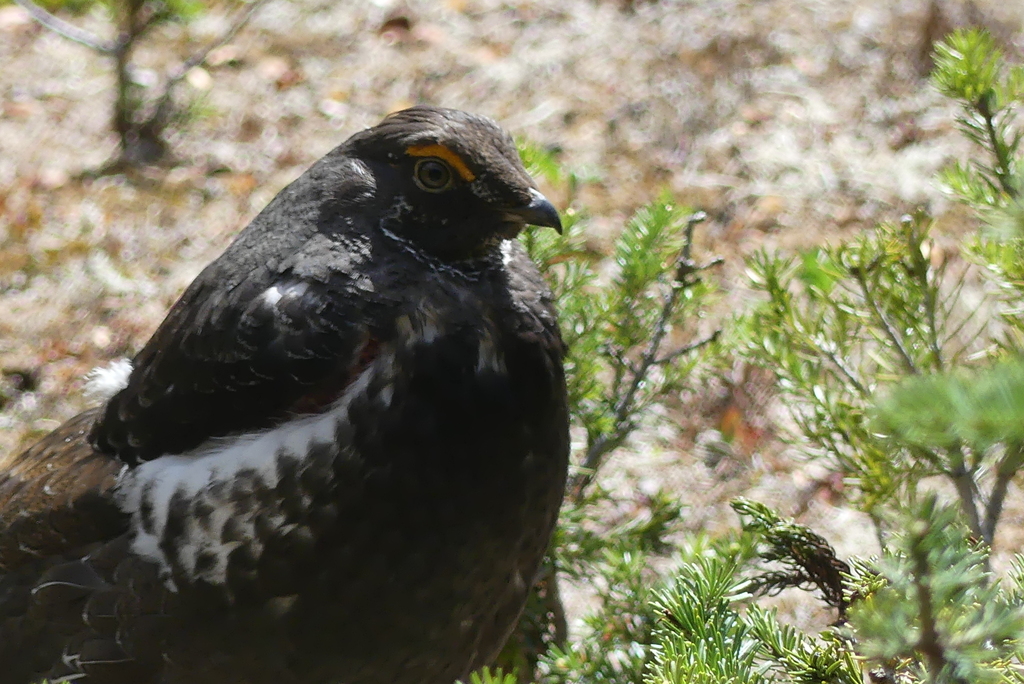
The crisp mountain air bites at your cheeks, carrying the faint, haunting whistle of a distant blue grouse. Sunlight, still shy, begins to paint the rugged peaks of the Rocky Mountains in hues of gold and rose. You’re perched on a high ridge, the scent of pine and damp earth filling your senses, anticipation thrumming in your veins. Suddenly, a flash of iridescent blue-grey against the dark timber – a magnificent blue grouse, its distinctive fan of tail feathers momentarily revealed. This is the thrill of the hunt, a primal connection to the wild that only pursuing this elusive mountain dweller can provide. Blue grouse, with their stoic presence and challenging nature, offer an unforgettable experience for any wingshooter, from the novice venturing into the high country to the seasoned hunter seeking a new quarry. Their habitat, often remote and breathtakingly beautiful, adds another layer of adventure to the pursuit.
When to Go (Best Seasons and Times)
The best time to pursue blue grouse largely depends on the region you're hunting, but generally, the fall hunting seasons are prime.
- Opening Day: Many states open their grouse seasons in September, coinciding with the vibrant autumn foliage. This is often a fantastic time as the birds begin to flock up and become more predictable.
- Mid-Fall (October): As the weather cools, blue grouse may move to lower elevations in search of food and cover. This can make them more accessible, especially after the first snowfalls begin to dust the higher peaks.
- Late Fall (November): In some areas, hunting can extend into November. By this time, birds may be more concentrated in areas with available food sources, but they will also be warier and more challenging.
Time of Day:
- Early Morning: Dawn is often a productive time, as grouse may be foraging in open areas or along forest edges before retreating to denser cover.
- Late Afternoon: Similar to morning, late afternoon can see birds becoming active again before roosting for the night.
Weather Patterns:
- Clear, Cool Days: These offer excellent visibility and comfortable hunting conditions.
- Light Snowfall: Believe it or not, a light dusting of snow can be advantageous. It can help you spot tracks and see birds that are more exposed against the white backdrop. However, heavy snow can make hunting difficult.
- Wind: While some wind can help mask your approach, strong winds can make it difficult to hear birds or make accurate shots.
Regional Tips:
In the Northern Rocky Mountains (Montana, Idaho, Wyoming), September and October are generally the sweet spot. Look for birds in mixed conifer and aspen stands. In the Pacific Northwest (Washington, Oregon), their seasons often align, and they can be found in similar habitat but also in higher-elevation fir and spruce forests.
Where to Hunt (Top Locations)
Blue grouse are found in the mountainous regions of western North America. While they inhabit a wide range, focusing on public lands offers the most accessible opportunities for most hunters.
- Montana: The Gallatin National Forest and Beaverhead-Deerlodge National Forest offer vast expanses of prime blue grouse habitat. These areas boast diverse terrain, from open meadows to dense timber, providing excellent opportunities.
- Idaho: The Sawtooth National Forest is a crown jewel for mountain hunting. Its rugged beauty and abundant wildlife make it a top destination. The Payette National Forest also holds good populations.
- Wyoming: The Shoshone National Forest, bordering Yellowstone National Park, is another excellent choice. Its high-elevation forests and alpine meadows are ideal blue grouse country.
- Colorado: The White River National Forest and Gunnison National Forest are renowned for their scenic beauty and healthy blue grouse populations. These areas are particularly good for hunters willing to hike into more remote sections.
- Washington: The Okanogan-Wenatchee National Forest offers extensive public land in the Cascade Mountains, providing opportunities for blue grouse in higher elevations.
- Oregon: The Malheur National Forest in eastern Oregon provides access to blue grouse habitats in a more arid mountain environment.
Beginner-Friendly Options: Many of these national forests have established trail systems that can lead you to areas with good bird numbers. Start with trails that access higher-elevation meadows and forest edges. Local ranger stations can often provide maps and insights into areas with recent bird sightings.
How to Hunt (Proven Techniques)
Hunting blue grouse is a blend of strategic walking, keen observation, and a bit of luck. Here’s a breakdown of effective techniques:
-
Scout Before You Hunt:
- Habitat Assessment: Blue grouse prefer mixed conifer and aspen stands, often with grassy meadows or clearings nearby for foraging. Look for areas with south-facing slopes in the early fall, as they tend to hold more warmth and food.
- Sign Scouting: Look for droppings, tracks, and molted feathers. Fresh sign indicates recent activity.
- Listen: In the early morning or late evening, listen for their distinctive calls.
-
The Walk-Up Method: This is the most common and accessible method for blue grouse.
- Slow and Steady: Move through the habitat at a slow, deliberate pace. Stop frequently to listen and scan your surroundings.
- Flushing Range: Be prepared for birds to flush at any moment. They often hold tight until you are very close.
- Watch the Roost: In the late afternoon, try to locate birds that are roosting in trees. You might be able to get a shot as they flush.
-
Dog Work (Optional but Highly Recommended):
- Pointing Dogs: A well-trained pointing dog can be invaluable. They can locate birds and hold them at a point, giving you ample time to get into position for a shot.
- Flushing Dogs: Flushing breeds can also be effective, driving birds into the air where you can attempt a shot.
-
Spot and Stalk (More Advanced):
- Binocular Scouting: Use binoculars to glass hillsides and meadows for birds that are foraging in more open areas.
- Stealthy Approach: Once birds are spotted, plan a quiet, indirect approach, using terrain and cover to your advantage. Be aware that they are very sensitive to movement and sound.
Advanced Tips:
- Reading the Terrain: Understand how weather and time of day influence bird movement. After a rain, birds may move to more exposed areas to feed on insects.
- Mimicking Calls: Some experienced hunters have success using grouse calls to elicit a response, though this is a skill that takes practice and knowledge of specific grouse vocalizations.
- Understanding Roosting Habits: Learn where blue grouse prefer to roost. They often choose large conifers or dense thickets for protection.
Who to Go With (Guides, Groups, or Solo)
The choice of hunting companions depends on your experience level, budget, and personal preference.
-
Guided Hunts:
- For Beginners: Hiring a guide is an excellent way to learn the ropes. A good guide will know the best locations, teach you effective techniques, and ensure your safety in potentially rugged terrain.
- Cost: Guided hunts can range from $500 to $1500+ per day, depending on the outfitter, location, and what’s included (lodging, meals, game processing).
- Reputable Outfitter Regions: Look for outfitters in Montana, Idaho, and Wyoming. Many specialize in upland bird hunting in the Rockies.
-
Hunting with Friends/Family:
- Shared Experience: Hunting with experienced friends or family is a fantastic way to learn and enjoy the outdoors. Experienced companions can offer invaluable advice and assistance.
- Cost: Primarily the cost of licenses, tags, gas, and shared gear expenses.
-
Solo Hunting:
- Independence and Immersion: Solo hunting offers a deep sense of connection with nature and the satisfaction of self-reliance.
- Safety First: If hunting solo, always inform someone of your plans, including your expected return time and location. Carry a satellite communication device.
- Cost: Primarily licenses, tags, gas, and personal gear.
Essential Gear Recommendations
Having the right gear can make your blue grouse hunt more enjoyable and successful.
-
Firearm:
- 12 or 20 Gauge Shotgun: A versatile choice for upland birds.
- Recommended Choke: Improved Cylinder or Modified choke is ideal for typical grouse ranges.
- Ammunition: 1-ounce loads of #6 or #7.5 shot are generally effective.
- Budget-Friendly Alternative: A reliable used shotgun can be a great starting point.
-
Clothing:
- Layering System: Essential for fluctuating mountain weather.
- Base Layers: Moisture-wicking synthetics or merino wool.
- Mid-Layers: Fleece or down for insulation.
- Outer Shell: Waterproof and breathable jacket and pants.
- Sturdy Boots: Waterproof, broken-in hiking boots are a must for rough terrain.
- Upland Vest or Bird Bag: For carrying harvested birds and essential supplies.
- Bright Orange Hat and Vest: Crucial for visibility to other hunters.
- Budget-Friendly Alternative: Durable work pants and a comfortable, warm jacket can suffice, but prioritize good boots and safety orange.
- Layering System: Essential for fluctuating mountain weather.
-
Navigation and Safety:
- Map and Compass: Essential, even with GPS.
- GPS Device or Smartphone with Mapping App: Garmin GPSMAP 66i → Shop on Amazon or Gaia GPS App → Shop on Amazon
- First-Aid Kit: Comprehensive and well-stocked.
- Water Filter or Purification Tablets: Sawyer Squeeze Water Filter → Shop on Amazon
- Sufficient Water: Carry more than you think you'll need.
- Headlamp or Flashlight: With extra batteries.
- Satellite Communicator (Optional but Recommended for Solo): Garmin inReach Mini 2 → Shop on Amazon
-
Other Essentials:
- Binoculars: For spotting birds at a distance. Vortex Optics Diamondback HD 10x42 Binoculars → Shop on Amazon
- Game Shears or Knife: For field dressing your harvest.
- Sunscreen and Insect Repellent: Even in the mountains, these can be necessary.
Expected Costs (Full Setup vs. Budget Version)
Costs can vary significantly based on your existing gear and chosen hunting method.
Full Setup (Estimates in USD):
- Shotgun: $600 - $1,500+
- Ammunition (box): $15 - $30
- Upland Gear (boots, clothing, vest): $400 - $1,000
- Navigation/Safety Gear: $200 - $500
- Licenses and Tags: $50 - $200 (Varies greatly by state)
- Travel (Gas, Lodging): $100 - $500+ (Depending on distance and duration)
- Guided Hunt (if applicable): $500 - $1,500+ per day
Total for a New Hunter (excluding guided hunt): $1,365 - $3,730+
Budget Version:
- Used Shotgun: $250 - $500
- Ammunition: $15 - $30
- Clothing (using existing durable outdoor wear): $100 - $300
- Basic Navigation/Safety (map, compass, first-aid): $50 - $100
- Licenses and Tags: $50 - $200
- Travel: $100 - $300
Total for a Budget Hunter (excluding guided hunt): $565 - $1,430+
Important Note: Always check the current fees for licenses and tags with the relevant state wildlife agency.
Regulations and Conservation
Understanding and adhering to regulations is paramount for responsible hunting and the long-term health of blue grouse populations.
- Licensing and Tagging: You will need a valid hunting license for the state you are hunting in, and often a specific upland game bird stamp or tag.
- Season Dates and Bag Limits: These vary significantly by state and even by specific management units within a state. It is your responsibility to know and follow the current regulations.
- Shooting Hours: Most states have specific shooting hours, typically from one-half hour before sunrise to one-half hour after sunset.
- Hunter Orange Requirements: Many states mandate wearing hunter orange for safety, especially during firearm seasons.
- Conservation Status: Blue grouse populations can fluctuate due to habitat changes, weather patterns, and predation. While not generally considered endangered, responsible hunting practices ensure sustainable populations for future generations. Areas with significant habitat loss or disease outbreaks may have stricter regulations or reduced seasons.
Always consult the official website of the state's fish and wildlife agency for the most up-to-date regulations before planning your hunt. For example, in Montana, you would check with Montana Fish, Wildlife & Parks (MT FWP).
Pro Tips and Common Mistakes to Avoid
Here are some insights to elevate your blue grouse hunting experience and pitfalls to sidestep:
Pro Tips:
- Embrace the Hike: Blue grouse often inhabit rugged, high-elevation terrain. Be prepared for challenging hikes; the reward is often worth the effort.
- Listen More Than You Walk: Stop frequently and use your ears. The subtle sounds of a grouse rustling in the underbrush can give away its position.
- Scan the Trees: After flushing a bird, or when moving through timber, always scan the branches of nearby trees. They may land and roost, offering a second chance.
- Work with Your Dog: If you have a dog, learn to read its body language. A good dog is your best friend in the field.
- Learn to Identify Your Target: Ensure you can positively identify a blue grouse before taking a shot, especially in areas with other game birds.
- Be Patient: Blue grouse can be frustratingly elusive. Don't get discouraged if you don't have immediate success. Persistence is key.
- Respect the Habitat: Pack out everything you pack in, and minimize your impact on the fragile mountain environment.
Common Mistakes to Avoid:
- Over-Walking: Moving too quickly through prime habitat will often push birds further away or cause them to flush out of range.
- Ignoring the Weather: Mountain weather can change rapidly. Be prepared for sun, rain, and even snow, sometimes all in the same day.
- Not Carrying Enough Water: Dehydration is a real risk in high-altitude hunting.
- Failing to Check Regulations: This is a critical error that can lead to fines or the loss of hunting privileges.
- Poor Shotgun Handling: Rushing your shot can lead to missed opportunities or wounded birds. Practice your swing.
- Underestimating the Bird's Camouflage: Blue grouse are masters of blending in with their surroundings.
Conclusion
Hunting blue grouse is more than just a pursuit; it’s an immersion into the wild heart of the mountains. The challenge of finding these wary birds, the breathtaking scenery, and the satisfaction of a well-earned harvest combine to create an experience that will linger long after the season ends. Whether you’re a seasoned wingshooter looking for a new mountain challenge or a beginner eager to explore the high country, the blue grouse offers an accessible yet rewarding adventure. So, lace up your boots, pack your shotgun, and head for the hills. The ghost of the mountain awaits.
Next time, we’ll be diving into the world of Pheasant hunting, so be sure to tune in!
As an Amazon Associate I earn from qualifying purchases at no extra cost to you. Links above are affiliate search links — prices may vary. Generated 2026-07-01