
Catch Bull Shark Like a Pro: Complete Fishing Guide
Introduction
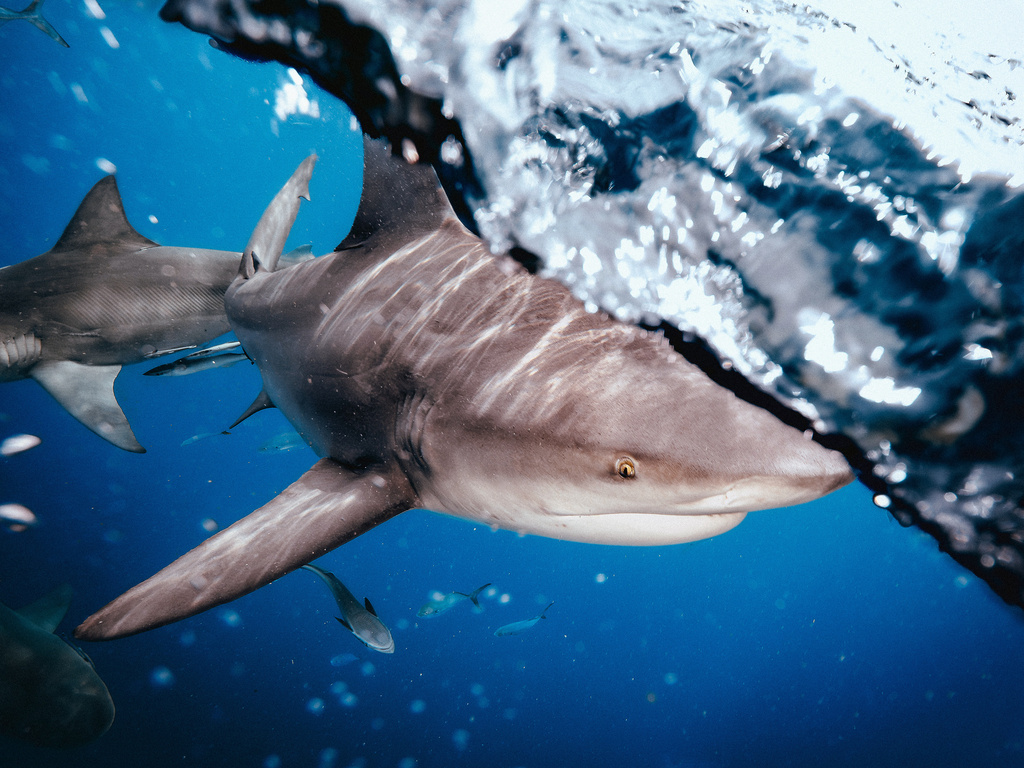
The silence of the humid pre-dawn is shattered by a sound every big-game angler lives for: the high-pitched, unrelenting scream of a heavy-duty reel. Your rod, which felt like a telephone pole moments ago, is now bent double, throbbing with a raw, primal power that feels less like a fish and more like you've hooked a runaway submarine. That, my friend, is the calling card of the Bull Shark. This isn't a delicate dance with a finicky trout; it's a heavyweight brawl with one of the planet's most formidable and adaptable predators.
What makes targeting Bull Sharks so exhilarating? It's their sheer aggression and their unique ability to thrive in both saltwater and freshwater. From the brackish backwaters of Florida and the murky outflows of the Mississippi River to the river systems of Australia and South Africa, the Bull Shark brings the apex predator experience to waters accessible to almost everyone. This guide is your roadmap to safely and successfully connecting with this incredible species.
When to Go (Best Seasons and Times)
Timing is everything when you want to Catch a Bull Shark. These predators are most active when the water is warm, making late spring through early fall the prime season in most of their range, particularly in the United States.
- Seasons: In the US Gulf Coast and Florida, the bite heats up in April and stays strong through October. During the peak of summer (July-August), the action can be relentless.
- Time of Day: Bull Sharks are notorious low-light feeders. The hours around dawn and dusk are your absolute best bet. They also feed heavily at night, especially around bridges and passes with artificial light that attracts baitfish.
- Tides and Currents: This is perhaps the most critical factor. An outgoing tide is your best friend. It creates a natural chum slick, carrying the scent of your bait and any chum you're using out into deeper water, drawing sharks in from a wide area. Fish the two hours on either side of a tide change for the most intense action.
- Weather Patterns: Don't be afraid of a little chop. Overcast days with a steady breeze can often be more productive than calm, sunny ones. An approaching weather front can also trigger an aggressive feeding response.
Where to fish (Top Locations)
The Bull Shark's adaptability means you can find them in a surprising variety of places. From deep channels to shallow flats, they go where the food is. Here are a few top-tier, accessible locations.
- Tampa Bay, Florida, USA: The deep shipping channels, bridge pilings, and warm power-plant outflows make this a year-round Bull Shark paradise. It's a fantastic spot for both boat and shore-based anglers.
- Florida Keys Backcountry, USA: The maze of mangrove channels and deeper cuts between flats holds a huge population of juvenile and medium-sized Bulls. This is a great place to hone your skills.
- Galveston Jetties, Texas, USA: The jetties and the deep channel of the Houston Ship Channel concentrate bait and predators. Casting large baits from the rocks here is a classic Texas tradition that produces huge fish.
- Mississippi River Delta, Louisiana, USA: The brackish, nutrient-rich waters where the mighty Mississippi meets the Gulf of Mexico are a smorgasbord for Bull Sharks. They will push surprisingly far upriver in pursuit of food.
- Brisbane River, Australia: For our international readers, this urban river is world-famous for its massive "Brisvegas Bulls." Anglers here target them from boats and kayaks, often within sight of the city skyline. Always check with the Queensland Department of Agriculture and Fisheries for local regulations.
- Breede River, South Africa: This stunning estuary is another global hotspot, known for producing some of the largest Bull Sharks (known locally as Zambezi Sharks) on the planet. This is typically a guided, boat-based fishery.
How to fish (Proven Techniques)
Catching a Bull Shark is about stout gear and smart strategy. They aren't picky, but you have to present a meal they can't refuse in a way that can withstand their power.
Beginner's Step-by-Step Approach:
- The Rig: Start with a simple and effective fish-finder rig (or sliding sinker rig). Slide a 4-8 ounce pyramid or spider sinker onto your main line. Tie a heavy-duty swivel to the end of your main line. To the other end of the swivel, attach your leader.
- The Leader: This is non-negotiable. You need a leader that can withstand their abrasive skin and sharp teeth. Use 3-5 feet of 200-400 lb monofilament shock leader connected to 12-18 inches of #9 (100 lb) single-strand wire or 200+ lb cable.
- The Hook: A large 8/0 to 12/0 non-stainless steel circle hook is the best choice. It ensures a solid hookset in the corner of the jaw, which is better for the fish and safer for you during release. Remember: With a circle hook, you don't jerk to set it. Just point the rod at the fish and reel tight until the rod loads up.
- The Bait: Fresh is best! Oily, bloody fish are irresistible. Use large chunks or whole carcasses of Bonito, Mackerel, Mullet, or Ladyfish. Hook the bait so the hook point is fully exposed.
- Deployment: Cast your bait into a channel, the edge of a drop-off, or a known travel corridor. Place the rod in a sturdy rod holder, engage the reel's clicker (baitrunner function), and loosen the drag just enough to let the shark run with the bait without feeling too much resistance. When the line starts screaming, it's game on!
Advanced Tips:
- Chumming: Create a scent trail by using a chum bag filled with ground fish and fish oil. Hang it off the side of your boat or stake it in the shallows on an outgoing tide.
- Kayak Deployment: For land-based anglers, a kayak is a game-changer. It allows you to paddle large baits out several hundred yards past the breakers, dropping them precisely on deep ledges you could never reach by casting.
Who to Go With (Guides, Groups, or Solo)
Your approach depends on your experience and comfort level.
- Guided Trips: For your first time, I cannot recommend a professional guide enough. They provide the boat, all the specialized heavy tackle, the right bait, and most importantly, the expertise and safety equipment to handle these powerful animals. Expect to pay between $700 - $1200 USD for a full-day charter in the US.
- DIY with a Group: If you're going it alone, never go truly alone. Always fish with an experienced partner. You need a second set of hands for leadering, dehooking, and releasing the fish safely.
- Reputable Outfitters: In international locations like Australia or South Africa, seek out well-established fishing lodges or charter operations. They will be licensed and insured, and they'll understand the local patterns and regulations intimately.
Essential Gear Recommendations
You don't need the most expensive gear, but you absolutely need gear that is strong enough for the job.
- Reel (The Winch):
- Must-Have: A high-capacity conventional reel is the standard. Look for something in the 6/0 to 9/0 size range. Penn Senator 114H2 (6/0) → Shop on Amazon or Shimano TLD 25 → Shop on Amazon.
- Budget-Friendly: A large, heavy-duty spinning reel can work for smaller to medium sharks. Look for a reel in the 8000 to 10000 size range with a quality drag system. Penn Spinfisher VI 8500 → Shop on Amazon.
- Rod (The Lever):
- Must-Have: A 6'6" to 8' conventional rod with a heavy power rating and a soft tip to detect bites. Ugly Stik Tiger Conventional Rod → Shop on Amazon.
- Budget-Friendly: A heavy 8'-10' surf spinning rod will match well with a large spinning reel for land-based fishing.
- Line and Leader:
- Main Line: 65-100 lb braided line is ideal for its strength and thin diameter, allowing for more line capacity.
- Leader Material: 200-400 lb monofilament, #9 single strand wire, and 8/0-12/0 circle hooks.
- Essential Safety & Landing Gear:
- Long-handled dehooker or arc dehooker
- Heavy-duty wire cutters (to cut the hook if necessary)
- Tail rope
- Sturdy gloves
- Sand spike or rod holder for shore fishing
Expected Costs (Full Setup vs. Budget Version)
Costs are in USD and are approximate. Always check local license fees.
| Item | Full Setup (Conventional) | Budget Version (Spinning) |
|---|---|---|
| Rod & Reel Combo | $400 - $700 | $250 - $400 |
| Line & Leader Materials | $100 | $70 |
| Terminal Tackle & Rigs | $50 | $40 |
| Safety/Landing Gear | $100 | $75 |
| Total Gear Investment | $650 - $950 | $435 - $585 |
| License/Permit (FL) | ~$50 (annual, non-resident) | ~$50 (annual, non-resident) |
Note: In Florida, a specific, no-cost, shore-based shark fishing permit is required in addition to your saltwater license. Always check the Florida Fish and Wildlife Conservation Commission (FWC) website for the latest fees and requirements.
Regulations and Conservation
Bull Sharks are a vital part of the marine ecosystem. Fishing for them comes with a responsibility to the species and the law.
- Check Local Rules: In the United States, shark fishing regulations are managed at both the state and federal (NOAA Fisheries) level. They can be complex, with specific size limits, bag limits (often one per person or vessel), and lists of prohibited species. Regulations change frequently. Always check the most current rules from your state's wildlife agency (like the FWC in Florida or TPWD in Texas) before you go.
- Proper Handling: If you plan to release the fish, do it as quickly as possible. Keep the shark in the water whenever you can. Use a long-handled dehooker to remove the hook safely. If the hook is too deep, cut the leader as close to the hook as possible.
- Conservation: Bull Sharks are a robust species, but they face pressure like all marine life. Practicing ethical catch-and-release, especially on large breeding-size females, helps ensure healthy populations for future generations.
Pro Tips and Common Mistakes to Avoid
After countless hours on the water, you learn a few things. Here are some tips to shorten your learning curve.
Pro Tips: 1. Fresh Bait is King: Frozen bait works, but fresh, bloody bait will out-fish it 10-to-1. 2. Fish the Tides, Not the Clock: The best bite will almost always be centered around a strong tidal flow. 3. Match the Hatch: If you see mullet jumping, use a mullet for bait. If ladyfish are around, use one of those. 4. Stay Organized: Have your rigs, baits, and safety gear ready to go before you hook a fish. A 200-pound shark on the line is no time to be looking for your dehooker. 5. Be Patient: Shark fishing can involve long waits. Don't get discouraged. When the bite turns on, it happens fast.
Common Mistakes: 1. Using Undersized Gear: Don't bring a knife to a gunfight. Light tackle will only result in a lost fish and leaving a hook and line in a shark. 2. Setting the Hook (with a Circle Hook): The biggest beginner mistake. Do not swing the rod. Simply engage the reel and let the shark's own momentum set the hook for you. 3. Ignoring Safety: Not having a plan for landing, handling, and releasing the shark is dangerous for both you and the fish.
Conclusion
The thrill of Catching a Bull Shark is a visceral, unforgettable experience. It connects you to the raw power of the ocean in a way few other fish can. They are accessible, they are powerful, and they will test your gear, your knots, and your nerve. By using the right gear, respecting the regulations, and putting in the time, you can safely and successfully tangle with one of the world's ultimate survivors.
So, are you ready for the fight of your life?
Stay tuned for our next guide, where we'll break down how to Catch giant Tarpon from the beach!
As an Amazon Associate I earn from qualifying purchases at no extra cost to you. Links above are affiliate search links — prices may vary. Generated 2026-06-30