
Hunt Manitoban Elk Like a Pro: Complete Hunting Guide
Introduction
The crisp, pre-dawn air hangs heavy with the scent of pine and damp earth. A shiver, not from the cold but from pure anticipation, runs down your spine. Then, it shatters the stillness – a guttural, resonant bugle that echoes through the vast Canadian wilderness, sending a primal thrill straight to your core. This isn't just a sound; it's the call of a Manitoban elk, a magnificent creature whose presence dominates the landscape. For hunters, pursuing these majestic animals in the heart of Manitoba is an experience unlike any other.
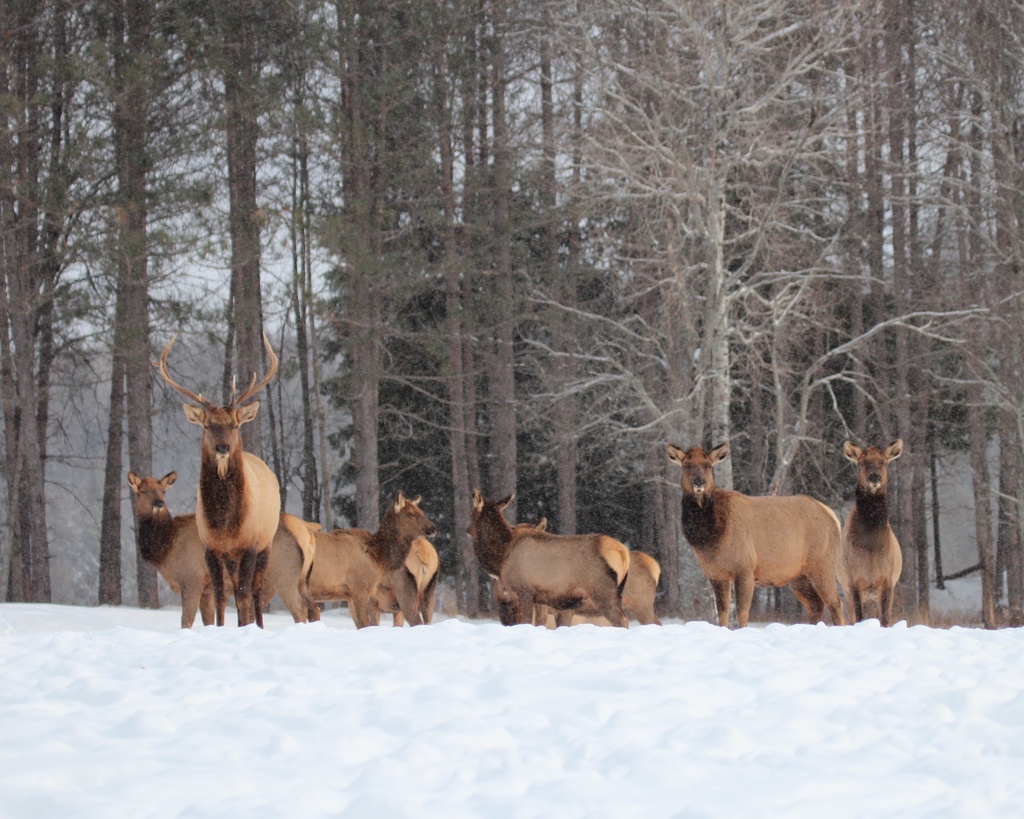
Manitoban elk, a distinct subspecies of the Rocky Mountain elk, are renowned for their impressive size and the challenging terrain they inhabit. From the dense forests of the Duck Mountains to the rolling parklands, these elk offer an exhilarating chase. The rut, when bulls are most vocal and active, transforms the autumn woods into an arena of raw power and ancient instinct. It’s a hunt that demands patience, skill, and a deep respect for the wild. Whether you're a seasoned hunter seeking a new challenge or a beginner dreaming of your first elk, Manitoba offers an unparalleled opportunity to connect with nature and earn a truly magnificent trophy. Get ready to dive into the world of Manitoban elk hunting – it's an adventure waiting to happen!
When to Hunt (Best Seasons and Times)
Timing is everything when it comes to Manitoban elk. The province offers various seasons, but understanding the elk's behavior throughout the year is key to maximizing your success.
- The Rut (Late September to Mid-October): This is arguably the most exciting time to hunt elk, especially for archery and early rifle hunters. During the rut, bull elk are vocal, bugling to challenge rivals and attract cows. This heightened activity makes them more responsive to calls and often less cautious, presenting prime opportunities. The weather during this period can range from mild autumn days to frosty mornings, so be prepared for variability.
- Post-Rut (Late October to Mid-November): As the rut winds down, bulls become less vocal but are still recovering from their exertions. They often begin to form bachelor groups again and focus heavily on feeding to regain lost weight. This can be a good time for spot-and-stalk hunting, as elk may be found in more open areas grazing. Rifle seasons often extend into this period.
- Late Season (November into December): Snowfall often arrives in earnest during the late season, pushing elk into more sheltered areas and often concentrating them in larger herds. Tracking becomes easier in fresh snow, but the colder temperatures demand superior gear and endurance. Elk are typically focused on survival and feed, making patterns more predictable, but they are also warier.
Times of Day: Elk are most active during dawn and dusk. Plan to be in your hunting area well before first light and stay until after last light. They will often bed down in dense cover during the mid-day, though during the rut, bulls can be active throughout the day chasing cows.
Weather Patterns: A light rain or snow can be your friend, as it muffles sound and can make elk more active. High winds can make calling difficult and scatter elk. Pay attention to fronts; elk often feed heavily before a storm and can be more active immediately after.
Where to Hunt (Top Locations)
Manitoba offers excellent opportunities for elk hunting, primarily on Crown land and through managed draw systems. While some areas are more productive than others, success often comes down to scouting and understanding local elk movements.
- Duck Mountain Provincial Park Region: Located in western Manitoba, the Duck Mountains are a well-known stronghold for elk. While hunting isn't permitted within the provincial park itself, the surrounding Crown land and wildlife management areas (WMAs) are prime territories. This area offers a mix of dense forest, open meadows, and rolling hills.
- Porcupine Hills: Situated north of the Duck Mountains, the Porcupine Hills region also boasts a healthy elk population. Similar to the Duck Mountains, focus on the Crown land and WMAs adjacent to or surrounding the main protected areas. This is rugged country, demanding physical fitness.
- Riding Mountain National Park (Surrounding Areas): Similar to the Duck Mountains, hunting is prohibited inside Riding Mountain National Park. However, the areas immediately surrounding the park are known to have elk that migrate in and out, offering opportunities for hunters who focus on the provincial lands bordering the park.
- Game Hunting Area (GHA) 20A & 20B: These GHAs, often encompassing parts of the Duck Mountains and Porcupine Hills, are consistently productive. They require specific draw tags, so research the application process.
- Interlake Region: While perhaps less known for elk than the western mountains, certain areas in the Interlake, particularly those with significant bush and agricultural interfaces, can hold elk. These are often smaller, more localized herds that can offer surprising opportunities for diligent scouts.
Beginner-Friendly Options: For beginners, focusing on areas with good road access to Crown land and employing a guide (see "Who to Go With") can greatly improve chances. Areas with a mix of forest and open fields can be easier to navigate and spot elk from a distance. Always consult the Manitoba Crown Lands Atlas online for public land access.
How to Hunt (Proven Techniques)
Hunting Manitoban elk is a blend of strategy, patience, and adapting to the wild. Here’s how to approach it:
Step-by-Step for Beginners:
- Pre-Season Scouting: This is paramount. Use maps (physical and digital like Google Earth), look for historical elk sign (tracks, droppings, rubs, wallows), and identify bedding and feeding areas. Pay attention to water sources.
- Understand Elk Sign:
- Tracks: Large, heart-shaped hooves. Look for fresh tracks.
- Droppings: Piles of dark, round pellets. Fresh droppings indicate recent presence.
- Rubs: Saplings or small trees with bark rubbed off by a bull's antlers.
- Wallows: Muddy depressions where bulls roll to cool down and spread their scent.
- Calling: Start with subtle cow calls (mews and chirps) to locate elk or draw in curious animals. During the rut, you can try light bugles, but be cautious not to over-call or sound like a challenging bull if you're not ready for a confrontation.
- Wind Awareness: Elk have an incredible sense of smell. Always hunt into the wind or with a crosswind. Use a wind checker to confirm direction constantly.
- Still-Hunting/Stalking: Move slowly and deliberately through the woods, pausing frequently to listen and scan. Take 10 steps, stop for 2 minutes. Use binoculars to pick apart dense cover.
- Patience is Key: Elk hunting is often a waiting game. Find a good vantage point overlooking a feeding area or travel corridor and be prepared to sit for extended periods.
Advanced Tips:
- Aggressive Bugling: During the peak rut, if you hear a bull bugle, don't be afraid to bugle back aggressively. Sometimes a challenge is exactly what's needed to draw a dominant bull in. Be ready for them to come in fast and silently.
- Herd Dynamics: Learn to recognize the sounds and movements of a herd. Often, the big bull will hang back while the cows and smaller bulls move in first. Understand how to call to the cows to bring the whole herd, including the bull, closer.
- Glassing Large Areas: If hunting open country or clear-cuts, use high-quality binoculars and a spotting scope to systematically scan distant hillsides and valleys during prime feeding times. Once you spot elk, plan a careful stalk.
- Decoys: In certain situations, particularly for archery hunting, a cow elk decoy can be incredibly effective at drawing in curious or challenging bulls, distracting them from your position.
Who to Go With (Guides, Groups, or Solo)
The decision of whether to hunt solo, with a group, or with a guide depends on your experience, budget, and desired level of challenge.
- Guided Hunt: For beginners or those seeking a higher success rate, a guided hunt in Manitoba is an excellent option. Reputable outfitters in regions like the Duck Mountains or Porcupine Hills have extensive knowledge of elk movements, access to prime hunting areas (often private leases), and provide all the logistics. They handle everything from scouting to field dressing, allowing you to focus purely on the hunt. This is the most expensive option but significantly increases your chances and offers a valuable learning experience. Expect to pay anywhere from CAD $5,000 - $10,000+ (approx. USD $3,700 - $7,400+) for a multi-day guided elk hunt, depending on inclusions and outfitter reputation.
- Hunting with a Group: Hunting with a few trusted friends or family members can be a fantastic experience. It allows for shared costs, shared workload (camp setup, packing out meat), and the ability to employ different strategies (e.g., callers and shooters). Ensure everyone is on the same page regarding safety, ethics, and hunting goals. This is a more affordable option than a guided hunt, as you only split shared expenses.
- Solo Hunt: For experienced hunters who crave solitude and self-reliance, a solo hunt offers an unparalleled sense of accomplishment. However, it demands a high level of fitness, navigation skills, and self-sufficiency. Always inform someone of your exact hunting plans and expected return, and carry a satellite communication device. This is the most budget-friendly option in terms of direct hunting costs but requires significant personal investment in gear and preparation.
Essential Gear Recommendations
Having the right gear is crucial for a successful and safe Manitoban elk hunt.
-
Must-Have Gear:
- Rifle & Ammunition: A reliable rifle chambered in a cartridge suitable for elk (e.g., .30-06, .300 Win Mag, 7mm Rem Mag, .338 Win Mag) with quality hunting ammunition. Winchester Xpert 300 Win Mag → Shop on Amazon
- Optics:
- Binoculars (10x42 or 12x50) for spotting elk. Vortex Diamondback HD Binoculars → Shop on Amazon
- Rifle Scope with good low-light performance. Leupold VX-3HD Rifle Scope → Shop on Amazon
- Rangefinder to confirm shot distance. Sig Sauer KILO2200BDX Rangefinder → Shop on Amazon
- Clothing: Layered system suitable for varying temperatures (base layers, fleece, waterproof/windproof outer shell). Avoid cotton. Camouflage patterns are preferred.
- Footwear: High-quality, waterproof, broken-in hunting boots with good ankle support. Kenetrek Mountain Extreme Boots → Shop on Amazon
- Backpack: A sturdy hunting pack (30-60L) capable of carrying essentials and potentially packing out meat. Mystery Ranch Metcalf Backpack → Shop on Amazon
- Navigation: GPS device or smartphone with offline maps (e.g., OnX Hunt Canada), compass, and physical map. Garmin inReach Mini 2 → Shop on Amazon
- Game Calls: A variety of elk calls (cow calls, bugles). Primos Elk Power Bugle → Shop on Amazon
- Knives: Field dressing knife and a bone saw. Outdoor Edge RazorPro → Shop on Amazon
- First-Aid Kit: Comprehensive kit for emergencies.
- Headlamp: With extra batteries. Petzl Actik Core Headlamp → Shop on Amazon
- Game Bags: For preserving meat during pack out. KUIU Game Bags → Shop on Amazon
- Water Filter/Purifier: For backcountry water sources. Sawyer Squeeze Water Filter → Shop on Amazon
-
Budget-Friendly Alternatives:
- Rifle: Consider a used, well-maintained rifle from a reputable brand.
- Optics: Mid-range binoculars and rifle scopes from brands like Bushnell, Nikon, or Vortex (lower tiers) can offer good performance without breaking the bank.
- Clothing: Look for sales on outdoor clothing brands. Army surplus stores can be a good source for durable, affordable base layers and outer shells.
- Backpack: A durable hiking backpack can serve as a hunting pack for lighter loads.
- Navigation: Rely primarily on a smartphone with downloaded maps and a portable charger, backed up by a compass.
Expected Costs (Full Setup vs. Budget Version)
Hunting Manitoban elk involves several costs, especially for non-residents. Here's a realistic breakdown (prices are estimates and subject to change – always check current fees with Manitoba Conservation and Climate).
Full Setup (Non-Resident, Guided Hunt Estimate):
- Hunting License & Tag:
- Non-Resident Elk License: CAD $400 - $600 (approx. USD $290 - $440)
- Elk Tag (if required, often part of draw): CAD $100 - $200 (approx. USD $75 - $150)
- Guided Hunt Package: CAD $5,000 - $10,000+ (approx. USD $3,700 - $7,400+) for a 5-7 day hunt, including food, lodging, guide services, and often field care of game.
- Travel (Flights/Fuel): CAD $800 - $2,000+ (approx. USD $590 - $1,480+) depending on origin.
- Gear (High-End): CAD $3,000 - $6,000+ (approx. USD $2,200 - $4,400+) for premium rifle, optics, clothing, and accessories.
- Meat Processing/Taxidermy: CAD $500 - $2,000+ (approx. USD $370 - $1,480+) depending on services.
- Contingency/Miscellaneous: CAD $500 - $1,000 (approx. USD $370 - $740)
- Total Estimated Full Setup: CAD $10,300 - $20,900+ (approx. USD $7,600 - $15,500+)
Budget Version (Non-Resident, DIY Hunt Estimate):
- Hunting License & Tag:
- Non-Resident Elk License: CAD $400 - $600 (approx. USD $290 - $440)
- Elk Tag: CAD $100 - $200 (approx. USD $75 - $150)
- Travel (Fuel/Vehicle Wear): CAD $500 - $1,500 (approx. USD $370 - $1,100) if driving.
- Accommodation/Food (Camping/Groceries): CAD $300 - $700 (approx. USD $220 - $520) for a 7-day hunt.
- Gear (Budget/Used): CAD $1,000 - $2,500 (approx. USD $740 - $1,850) for essential, cost-effective items.
- Meat Processing (DIY/Local): CAD $100 - $300 (approx. USD $75 - $220) for basic processing or if you do it yourself.
- Contingency/Miscellaneous: CAD $300 - $500 (approx. USD $220 - $370)
- Total Estimated Budget Version: CAD $2,700 - $5,800 (approx. USD $2,000 - $4,300)
Important Note: License and tag fees are set by Manitoba Conservation and Climate. These figures are subject to change annually. Always verify current fees and draw application deadlines directly on their official website before planning your hunt.
Regulations and Conservation
Hunting Manitoban elk is a privilege governed by strict regulations designed to ensure sustainable populations and ethical hunting practices. The primary regulatory authority is Manitoba Conservation and Climate.
Key Regulatory Considerations:
- Licensing and Tags: Non-residents must purchase a general hunting license and then apply for specific elk tags, which are often allocated through a limited draw system (lottery). Success in the draw is not guaranteed.
- Season Dates and Zones: Elk hunting seasons are specific to designated Game Hunting Areas (GHAs) and vary by weapon type (archery, muzzleloader, rifle) and time of year. Always consult the current Manitoba Hunting Guide for precise dates and GHA boundaries.
- Bag Limits: Typically, the bag limit for elk in Manitoba is one elk per hunter per year, often with restrictions on antler size (e.g., antlered bull only, or specific antler point restrictions).
- Weapon Restrictions: Be aware of legal weapon types and ammunition requirements for each season.
- Hunter Education: Non-residents are generally required to provide proof of a valid hunter education certificate from their home jurisdiction.
- Crown Land Access: Understand the rules for hunting on Crown land, including any restrictions on vehicle use or camping.
- Reporting: Successful hunters are often required to register their kill within a specified timeframe.
Conservation: Manitoba Conservation and Climate actively manages elk populations through scientific monitoring, habitat enhancement, and regulated hunting seasons. Elk populations in Manitoba are generally healthy, but ongoing conservation efforts are vital. Ethical hunting practices, such as taking clean shots, respecting private property, and adhering to all regulations, are paramount to maintaining this valuable resource for future generations.
Always, without exception, consult the current Manitoba Hunting Guide published by Manitoba Conservation and Climate before planning or undertaking any elk hunt in the province. Regulations can change year to year, and it is the hunter's responsibility to be fully informed and compliant.
Pro Tips and Common Mistakes to Avoid
Hunting Manitoban elk can be incredibly rewarding, but it presents unique challenges. Here are some pro tips and common pitfalls to steer clear of:
Pro Tips:
- Get Fit: Elk hunting is physically demanding. You'll be covering rugged terrain, often at elevation, and potentially packing out hundreds of pounds of meat. Start a fitness regimen well in advance.
- Practice Your Calling: Don't just buy calls; learn to use them effectively and realistically. Practice different scenarios – locating calls, challenge bugles, estrus mews. Listen to real elk sounds online.
- Wind Discipline is Non-Negotiable: Elk will bust you every time if they smell you. Always be aware of the wind direction and use scent control.
- Know Your Shooting Limitations: Practice shooting from various positions (standing, kneeling, prone) and at different distances. Only take shots you are confident in, especially in thick cover.
- Scout, Scout, Scout: Pre-season scouting (even digital scouting) is invaluable. Identify potential bedding areas, feeding grounds, and travel corridors. Look for fresh sign.
- Pack Light, But Smart: Every ounce counts when you're miles deep in the backcountry. Prioritize essential gear, but don't skimp on safety items like a first-aid kit or navigation tools.
- Patience and Persistence: Elk hunting is often a grind. Don't get discouraged if you don't find them immediately. Keep hunting hard from dawn until dusk.
Common Mistakes to Avoid:
- Not Scouting: Going into an area blind is a recipe for frustration. Without prior knowledge, you're relying purely on luck.
- Ignoring the Wind: This is arguably the biggest mistake. Even if you see an elk, if the wind is wrong, your chances are slim.
- Calling Too Much or Too Little: Beginners often either over-call, making them sound unnatural or alarming, or don't call enough to locate or attract elk. Find a balance.
- Poor Shot Placement: Rushing a shot or taking one that's too far or through too much cover often leads to a wounded animal and a lost opportunity. Wait for a clean, ethical shot.
- Underestimating Elk Senses: Elk have incredible hearing, sight, and smell. Be constantly aware of your noise, movement, and scent.
- Lack of Physical Preparation: An elk hunt can quickly turn miserable if you're not in shape. Don't let your body fail you before the hunt even begins.
- Forgetting to Check Regulations: Regulations change. Assuming last year's rules apply can lead to fines, license revocation, or even legal trouble. Always verify with Manitoba Conservation and Climate.
Conclusion
Hunting Manitoban elk is more than just a pursuit of a trophy; it's an immersion into one of North America's wildest landscapes, a test of skill and endurance, and a profound connection with nature. The thrill of a bugling bull echoing through the Duck Mountains, the challenge of a strategic stalk, and the immense satisfaction of a hard-earned harvest make this an unforgettable adventure. Whether you choose a guided expedition or a rugged DIY journey, the experiences gained and the memories forged in the vast wilderness of Manitoba will stay with you long after the season ends.
So, start planning, get fit, practice your calls, and delve into the regulations. The call of the wild is waiting. Will you answer?
Next time, we'll shift our focus to the high country, exploring the tactics for chasing elusive mountain goats in British Columbia!
As an Amazon Associate I earn from qualifying purchases at no extra cost to you. Links above are affiliate search links — prices may vary. Generated 2026-06-25