Catch Northern Pike Like a Pro: Complete Fishing Guide
Introduction
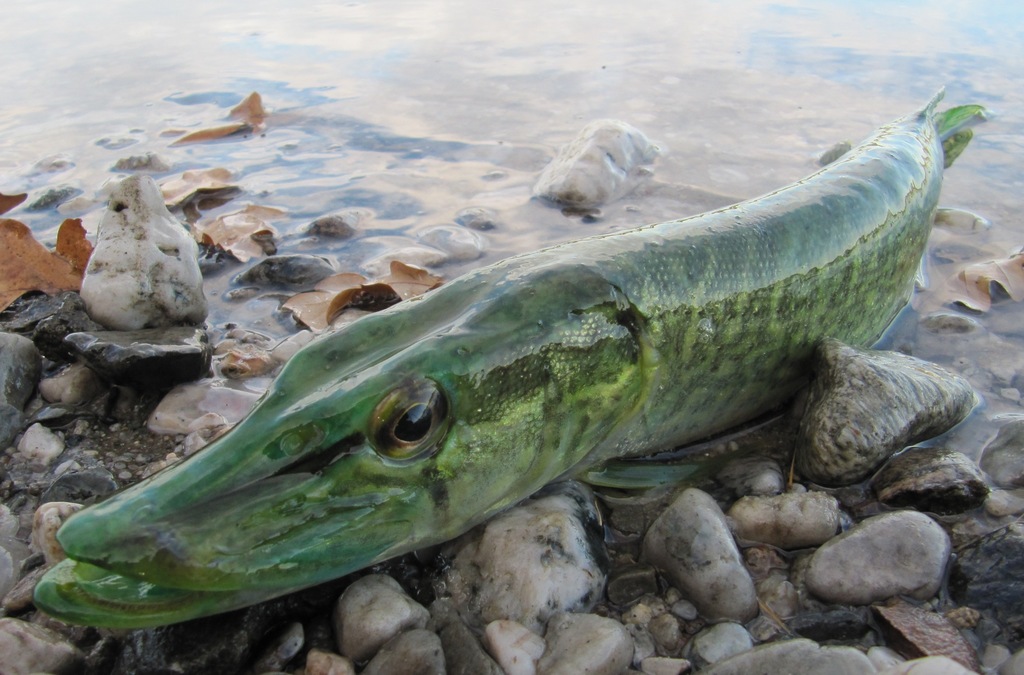
The water explodes! A flash of emerald green and gold, a sudden violent tug that nearly rips the rod from your hands. That heart-stopping moment, the sheer raw power on the other end of the line – that's the thrill of a Northern Pike strike. Few freshwater fish hit with such aggressive abandon, making them an exhilarating quarry for anglers of all skill levels. From their toothy grin to their torpedo-shaped bodies, pike are apex predators that demand respect and offer an unforgettable fight.
Having chased these formidable "water wolves" across North America, through the vast lakes of Europe, and even into the remote waters of Canada for over two decades, I can tell you there's a reason they're so beloved. They're accessible, they're feisty, and they're found in some of the most beautiful wilderness settings imaginable. Whether you're a seasoned veteran or just dipping your toes into the world of freshwater angling, pursuing Northern Pike promises action, challenge, and plenty of stories to tell. This guide will equip you with everything you need to confidently target and Catch these magnificent fish, from understanding their habits to selecting the right gear and mastering proven techniques. Get ready to feel that incredible strike!
When to Go (Best Seasons and Times)
Northern Pike are active predators year-round, but certain seasons and times offer peak opportunities for a successful outing.
- Spring (Post-Spawn): This is arguably the best time to target pike. After spawning in shallow, vegetated bays and marshes as soon as the ice melts (typically April-May), pike are hungry and aggressive. They'll move to slightly deeper water adjacent to their spawning grounds, feeding heavily to regain energy. Focus on warming water, emerging weed lines, and transition areas. Mornings and late afternoons are prime.
- Summer: As waters warm, pike often retreat to deeper, cooler waters, concentrating around submerged structure like weed beds, drop-offs, and sunken timber. Early mornings and late evenings offer the best topwater and shallow-water action, but throughout the day, deeper presentations are key. Overcast days or periods leading up to a storm can also trigger feeding frenzies.
- Fall: Pike become incredibly active again as water temperatures drop. They sense winter approaching and feed voraciously, bulking up for the lean months. This is often the best time to Catch large pike. They'll be found in a variety of depths, often moving into shallower bays during the day to feed before retreating to deeper haunts. Mid-day can be very productive as the sun warms the water.
- Winter (Ice fishing): Northern Pike are a fantastic ice fishing target. They remain active under the ice, often patrolling weed edges, points, and sudden depth changes. Dead bait (like smelt or suckers) under tip-ups is a classic and highly effective method. Jigging with large spoons or swimbaits can also be productive. Pay attention to early and late ice periods for the best action, but pike can be caught throughout the winter.
Regional Tip: In the northern reaches of their range (like Canada or Alaska), the ice-free season is shorter, making spring and fall even more critical windows for open-water fishing.
Where to fish (Top Locations)
Northern Pike are widely distributed across the northern hemisphere. In the United States, they thrive in the cold-water lakes and rivers of the upper Midwest and Mountain West. Internationally, they are iconic species in Canada and throughout Europe.
- Minnesota, USA (The Land of 10,000 Lakes): From vast Lake of the Woods to smaller, nutrient-rich lakes, Minnesota offers unparalleled public access to pike fishing. The Boundary Waters Canoe Area Wilderness and Voyageurs National Park provide remote, pristine opportunities.
- Wisconsin, USA (Northern Lakes): Waters like Lake Winnebago, Lake Superior's Chequamegon Bay, and countless smaller lakes in the Northwoods region are renowned for their pike populations. Public boat launches and state forests provide excellent access.
- Michigan, USA (Upper Peninsula & Northern Lower): The Great Lakes system, particularly the bays and tributaries, along with inland lakes like Houghton Lake and Lake St. Clair, hold impressive numbers of pike.
- North Dakota, USA (Missouri River System & Reservoirs): Large reservoirs such as Lake Sakakawea and Devils Lake offer trophy pike potential, especially during the spring and fall. These waters are managed by the North Dakota Game and Fish Department.
- Montana, USA (Fort Peck Reservoir): This massive reservoir on the Missouri River is famous for its large pike, with anglers regularly pulling out fish over 20 pounds. Public access points are available around the lake.
- International Spotlight - Ontario & Manitoba, Canada: For truly world-class trophy pike fishing, the vast wilderness lakes of Ontario (e.g., Lake Nipigon, Lake of the Woods) and Manitoba (e.g., Lake Winnipeg, Reindeer Lake) are legendary. Numerous fly-in lodges and drive-to camps cater to anglers seeking giant pike.
Beginner-Friendly Option: Smaller, shallower lakes with abundant weed growth are excellent starting points. Look for lakes with public access points and boat launches. Local bait shops are invaluable resources for current conditions and productive spots.
How to fish (Proven Techniques)
Pike are aggressive, but smart. Varying your presentation and understanding their ambush tactics are key.
For Beginners: 1. Casting Spoons and Spinners: * Gear: Medium-heavy spinning or baitcasting combo, 15-20lb braided line, steel or fluorocarbon leader (20-30lb). * Technique: Cast your lure (e.g., a 1/2 to 1 oz spoon or a large inline spinner) near weed edges, drop-offs, or submerged structure. * Retrieve: Use a steady retrieve, varying the speed. Allow spoons to flutter on the fall. Pike often hit on the pause or when the lure changes direction. * Tip: If you see a pike follow but not strike, try a sudden jerk or speed up the retrieve at the boat. 2. Jerkbaits: * Gear: Medium-heavy rod, baitcasting reel, 20-30lb braided line, steel or heavy fluorocarbon leader. * Technique: Cast parallel to weed lines or over submerged structure. * Retrieve: "Twitch, twitch, pause." Use short, sharp rod twitches to make the lure dart, followed by a pause. Most strikes occur on the pause. 3. Live Bait Under a Float: * Gear: Medium-heavy rod, spinning reel, 15-20lb mono or braid, large bobber, 1/0-3/0 treble hook, steel leader. * Technique: Hook a lively minnow or sucker (check local regulations for baitfish restrictions) through the back near the dorsal fin. Set your bobber so the bait swims just above or in the weed tops. * Presentation: Cast near structure and let the bait swim naturally. When the bobber goes down, wait a few seconds for the pike to fully engulf the bait before setting the hook firmly.
Advanced Tips: * Trolling Large Crankbaits: For covering water and targeting deeper, suspended pike, trolling large, deep-diving crankbaits (6-12 inches) at varying speeds can be highly effective, particularly in summer. Use a heavy-action rod and a line counter reel to precisely control depth. * Fly Fishing for Pike: For an adrenaline rush, fly fishing with large, flashy streamers (6-12 inches) on 9-10 weight fly rods is incredible. Target shallow, weedy bays in spring or fall. The visual strike is unparalleled. * Sight Fishing: In clear water, particularly during spring, actively look for pike cruising shallow weed beds or sunning themselves. Present a lure or fly well ahead of the fish to avoid spooking it, then entice a strike with a subtle retrieve.
Who to Go With (Guides, Groups, or Solo)
The choice of whether to hire a guide, go with a group, or venture out solo depends on your experience level, budget, and desired fishing experience.
- Guided Trips: For beginners or those seeking to maximize their chances at trophy fish, a professional fishing guide is an excellent investment. A good guide provides all the necessary gear, knows the local waters intimately, understands pike behavior, and can teach you effective techniques.
- Cost Context (US): Expect to pay anywhere from $400-$800+ for a full-day guided trip in the US, often covering 1-2 anglers.
- International (Canada/Europe): For international trips, especially to remote lodges in Canada, packages can range from $1,500 to $5,000+ per person for multi-day trips, including lodging, meals, and guides. Look for reputable outfitters in regions like Ontario, Manitoba, or Saskatchewan, Canada.
- Groups: Going with experienced friends or joining a fishing club can be a great way to learn, share costs, and enjoy camaraderie. You can pool resources for a boat, gas, and bait. This is a fantastic intermediate option.
- Solo Adventures: For experienced anglers, solo trips offer freedom and the challenge of mastering the waters on your own. Ensure you have all necessary safety gear, a reliable boat or adequate shore access, and a way to communicate in case of emergency, especially in remote areas.
Essential Gear Recommendations
Having the right tools for the job makes all the difference when tackling toothy pike.
- Rods & Reels:
- Spinning Setup (Versatile): Medium-heavy to heavy power, fast action rod (6'6" - 7'6"). Pair with a 3000-5000 series spinning reel. Shimano Nasci FC Spinning Reel → Shop on Amazon
- Baitcasting Setup (Power & Control): Medium-heavy to heavy power, fast action rod (6'6" - 7'6"). Pair with a low-profile baitcasting reel with a good drag system. Abu Garcia Revo X Casting Reel → Shop on Amazon
- Line:
- Braided Line (Mainline): 20-40 lb test. Offers strength, sensitivity, and no stretch. PowerPro Braided Spectra Fishing Line → Shop on Amazon
- Leader Material (Crucial!):
- Steel Leader: 9-12 inches, 20-50 lb test. Essential to prevent bite-offs from pike's sharp teeth. American Fishing Wire Tooth Proof Leader → Shop on Amazon
- Heavy Fluorocarbon Leader: 50-80 lb test (for stealth in clear water, though still vulnerable to bite-offs).
- Lures:
- Spoons: Classic and highly effective. Silver, gold, or red/white patterns. 1/2 oz - 1.5 oz. Daredevle Spoon Lure → Shop on Amazon
- Inline Spinners: Large sizes (e.g., #5 or #6 blade). Chartreuse, white, or black. Mepps Aglia Spinner → Shop on Amazon
- Jerkbaits: Suspending models work best. 4-7 inches. Natural baitfish colors or bright patterns. Rapala X-Rap Jerkbait → Shop on Amazon
- Soft Plastics/Swimbaits: Large paddle tail swimbaits (5-8 inches) on heavy jig heads. Keitech Swing Impact FAT Swimbait → Shop on Amazon
- Crankbaits: Deep-diving and shallow-diving models, 4-10 inches. Rapala Shad Rap → Shop on Amazon
- Essential Tools:
- Long-Nose Pliers: For safe hook removal. Rapala Fisherman's Pliers → Shop on Amazon
- Jaw Spreader: Absolutely critical for safely unhooking pike and protecting your fingers. Ego S2 Slider Jaw Spreader → Shop on Amazon
- Heavy-Duty Net: Rubberized mesh is best to protect the fish. Frabill Tru-Trax Landing Net → Shop on Amazon
- Gloves: For handling pike, especially larger ones, to protect against teeth and gill plates.
- Other: Polarized sunglasses, fishing license, sunscreen, first-aid kit.
Expected Costs (Full Setup vs. Budget Version)
Understanding the financial commitment helps you plan your pike fishing adventures. Prices are estimates in USD and can vary greatly by brand and retailer.
Budget-Friendly Setup (Total: $150 - $300) * Rod & Reel Combo: $60 - $120 (e.g., Ugly Stik GX2 combo, Penn Fierce III combo) * Line (Braid & Leader): $20 - $40 * Selection of Lures (Spoons, Spinners, Jerkbait): $30 - $60 (3-5 lures) * Essential Tools (Pliers, Jaw Spreader): $20 - $40 * Fishing License (Annual, Resident US): $20 - $50 (varies by state) * Always check current fees with your state's fish and wildlife agency.
Full Setup (Total: $500 - $1000+) * High-Quality Rod (Spinning or Baitcasting): $100 - $300+ * High-Quality Reel (Spinning or Baitcasting): $150 - $400+ * Premium Line (Braid & Leader): $30 - $60 * Diverse Lure Collection: $100 - $300+ (10-20 lures, including specialized options) * Advanced Tools (Net, Gripper, Pliers, Spreader): $80 - $200 * Fishing License (Annual, Resident US): $20 - $50 * Optional: Electronics (fish finder), high-end tackle box, specialized clothing.
Additional Costs to Consider: * Boat Rental/Gas: If you don't own a boat. * Guided Trip: As mentioned, $400-$800+ per day in the US. * Travel/Accommodation: Especially for out-of-state or international trips.
Regulations and Conservation
Responsible angling is paramount for sustaining healthy Northern Pike populations. Regulations vary significantly by region and state.
- Regulatory Authorities:
- United States: State fish and wildlife agencies (e.g., Minnesota Department of Natural Resources, Wisconsin Department of Natural Resources).
- Canada: Provincial and territorial natural resource ministries (e.g., Ontario Ministry of Natural Resources and Forestry, Manitoba Sustainable Development).
- Europe: National or regional fisheries authorities.
- Key Regulations to Check:
- Fishing License: Always required.
- Season Dates: Open and closed seasons.
- Daily Bag Limits: The number of fish you can keep per day.
- Possession Limits: The total number of fish you can have in your possession.
- Size Limits (Slot Limits): Often, there are minimum and/or maximum size limits, or slot limits (e.g., "no fish between 24-36 inches may be kept") designed to protect trophy-sized fish or manage specific age classes.
- Bait Restrictions: Some areas prohibit certain live baits (e.g., non-native species).
- Conservation: Northern Pike populations are generally stable across their native range. However, habitat degradation, especially the loss of healthy weed beds crucial for spawning and juvenile development, can impact local populations. Practicing catch-and-release for larger pike is highly encouraged, as these older, larger fish are vital for a healthy breeding population. Always handle pike carefully: use a net, jaw spreader, and long-nose pliers for quick hook removal, and minimize their time out of water.
Always check the most current regulations with the appropriate state, provincial, or national fish and wildlife authority before your trip. Regulations can change annually.
Pro Tips and Common Mistakes to Avoid
Pro Tips: 1. Sharpen Your Hooks: Pike have bony mouths. Razor-sharp hooks are essential for solid hooksets. 2. Vary Your Retrieve: Don't just cast and reel. Experiment with speed, pauses, twitches, and jerks until you find what triggers a strike. 3. Follow the Bait: Pike are where their food is. Look for schooling baitfish, and you'll likely find pike nearby. 4. Target Transitions: Pike often ambush prey where different types of cover meet – weed line to open water, shallow to deep, hard bottom to soft bottom. 5. Watch for Follows: Pike are notorious for following a lure right to the boat. If you see one, make a figure-eight pattern with your rod tip in the water; this often triggers a strike. 6. Patience with the Bite: When a pike hits a live bait, let it run for a few seconds to ensure it has fully engulfed the bait before setting the hook. 7. Safety First: Always have a jaw spreader and long-nose pliers readily accessible. Pike teeth are no joke!
Common Mistakes to Avoid: 1. Under-Gunned Tackle: Using light line or a flimsy rod will lead to break-offs and lost fish. Pike fight hard. 2. No Leader: This is the most common mistake. Pike have razor-sharp teeth that will easily cut through monofilament or fluorocarbon mainlines. Always use a steel or heavy fluorocarbon leader. 3. Poor Fish Handling: Grabbing a pike by the gills or squeezing its belly can cause serious internal damage. Use a net, jaw spreader, and handle them gently. 4. Ignoring the Follow: Don't just pull your lure out of the water if a pike follows. That figure-eight at the boat can turn a follow into a Catch. 5. Monotonous Retrieve: If a pike isn't hitting, don't keep doing the same thing. Change your lure, retrieve speed, or presentation. 6. Not Checking Regulations: Getting fined or losing your fishing privileges is easily avoidable by reviewing current rules.
Conclusion
Fishing for Northern Pike is more than just a pastime; it's an adventure. The sheer power of their strike, the beauty of their markings, and the thrill of the fight make them an unforgettable quarry. From the frigid waters of winter to the dog days of summer, pike offer year-round opportunities for excitement and challenge. Armed with the right knowledge, gear, and a healthy respect for these incredible predators, you're now ready to hit the water and experience the exhilaration firsthand.
So, grab your rod, tie on a sturdy leader, and prepare for battle. The water wolves are waiting, and the next explosive strike could be yours! Stay tuned for our next post, where we'll dive deep into strategies for Catching elusive Musky – the ultimate freshwater challenge!
As an Amazon Associate I earn from qualifying purchases at no extra cost to you. Links above are affiliate search links — prices may vary. Generated 2026-06-25