
Catch Spotted Seatrout Like a Pro: Complete Fishing Guide
The first blush of dawn paints the eastern sky in hues of rose and gold, mirroring the calm, glassy surface of a vast saltwater flat. A gentle breeze whispers through the spartina grass, carrying the scent of salt and mud. You cast a popping cork, its bright red and white bobber landing with a soft "plop" near a grassy edge. A pause. Then, with a gentle twitch of the rod tip, the cork dips, creating a distinctive "pop" that echoes across the water. Suddenly, the cork vanishes! Your line tightens, the rod bends, and the reel sings as a powerful, iridescent silver fish streaks across the shallow water. This isn't just fishing; it's the thrill of a Spotted Seatrout, a true inshore icon, taking your bait with an explosive strike, its fight a mix of headshakes and short, powerful runs.
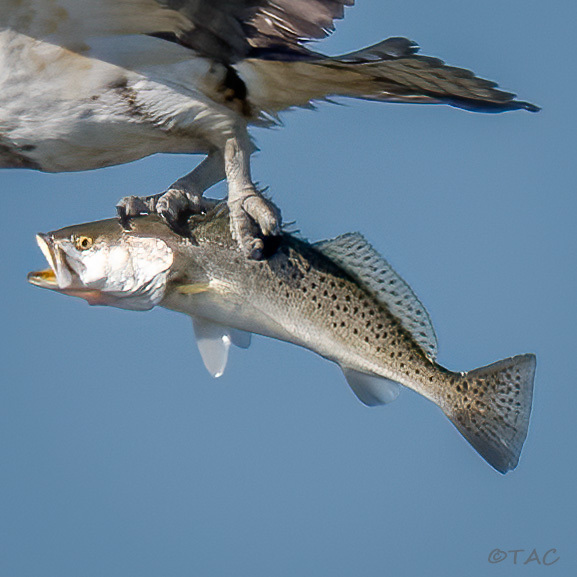
Spotted Seatrout, often affectionately called "Specks" or "Trout," are one of the most exciting and accessible inshore game fish across the Atlantic and Gulf coasts of the United States. Their beautiful spotted flanks, aggressive feeding habits, and delicious firm, white meat make them a top target for anglers of all skill levels. From the seasoned pro to the absolute beginner, the pursuit of these captivating predators offers endless opportunities for adventure, learning, and unforgettable moments on the water.
When to Go (Best Seasons and Times)
Understanding the seasonal movements and daily habits of Spotted Seatrout is key to consistent success. While they can be caught year-round in many parts of their range, certain times offer prime opportunities.
Best Seasons:
- Spring (March-May): As water temperatures rise into the 60s and 70s Fahrenheit, Seatrout become incredibly active. They move out of deeper winter haunts and onto shallow flats and into estuaries to feed aggressively in preparation for spawning. This is a fantastic time for both bait and artificial lures.
- Fall (September-November): Often considered the absolute prime time for larger "Gator Trout" (trophy-sized Seatrout), fall sees water temperatures cooling, triggering a major feeding frenzy as fish fatten up for winter. This is when you'll find big schools and aggressive bites, especially around baitfish migrations.
- Summer (June-August): Seatrout are still present and active, but often seek deeper, cooler water during the heat of the day. Early mornings, late evenings, and night fishing can be highly productive. They'll move onto the flats during higher tides or low-light conditions.
- Winter (December-February): In colder climates, Seatrout move into deeper creeks, canals, and protected bayous to escape frigid temperatures. Fishing can be slower, but concentrated schools can offer fantastic action on warmer winter days. Focus on sunny days after a cold front.
Best Times of Day:
- Low Light (Dawn & Dusk): These are prime feeding windows for Seatrout. The reduced light gives them an advantage over their prey, making them more confident to venture into shallower water. Topwater action can be explosive during these times.
- Moving Tides: Seatrout are ambush predators that rely heavily on tidal currents to bring food to them. Focus on the periods of a strong incoming or outgoing tide, particularly around structure like oyster bars, grass edges, and creek mouths. A moving tide concentrates baitfish, and where there's bait, there are Seatrout.
- Overcast Days: Overcast or rainy days can extend the low-light bite throughout the day, making Seatrout more active for longer periods, especially on the shallow flats.
Where to Fish (Top Locations)
Spotted Seatrout inhabit a vast range of inshore environments, primarily along the Atlantic and Gulf coasts of the US, from Maryland south through Florida and west to Texas. They are also found south into Mexico and parts of Central America, offering international opportunities for intrepid anglers. Here are some of the most consistent and accessible US locations:
- Indian River Lagoon, Florida: A massive, diverse estuary system known for its extensive seagrass flats, mangrove shorelines, and consistent Seatrout populations. Public access points and boat ramps are plentiful from Titusville down to Fort Pierce.
- Tampa Bay, Florida: Another Florida powerhouse, Tampa Bay offers vast grass flats, oyster bars, and numerous mangrove islands. Areas like Fort De Soto Park and Weedon Island Preserve provide great public access for wading or kayak fishing.
- Laguna Madre, Texas: This hypersaline lagoon system is famous for its clear, shallow waters and enormous "Gator Trout." From Corpus Christi to Port Mansfield, vast expanses of grass flats and sand pockets hold big fish. Public access is available through various state parks and boat ramps.
- Biloxi Marsh, Louisiana: A labyrinth of bayous, ponds, and marsh grass, the Biloxi Marsh is a Seatrout paradise. While boat access is often preferred, numerous launches provide entry into this productive system.
- Pamlico Sound, North Carolina: The largest lagoon on the East Coast, Pamlico Sound offers extensive shallow water habitat, particularly around the Outer Banks. Bays, creeks, and grass beds hold Seatrout, especially during spring and fall. Public boat ramps and fishing piers are common.
- Charleston Harbor, South Carolina: This expansive estuary system, with its numerous tidal creeks, oyster rakes, and marsh grass, provides excellent year-round Seatrout action. Public boat ramps and accessible shorelines are available throughout the region.
When choosing a spot, look for areas with healthy seagrass beds, oyster reefs, mangrove shorelines, or any structure that offers cover and ambush points for Seatrout.
How to Fish (Proven Techniques)
Catching Spotted Seatrout is incredibly rewarding, and there are several effective techniques, from beginner-friendly to more advanced.
Step-by-Step for Beginners: Live Bait Under a Popping Cork
This is arguably the most effective and easiest way to start catching Seatrout.
- Rig Your Setup:
- Tie a 2-foot section of 20-30 lb fluorocarbon leader to your main line using a double uni knot or an FG knot.
- Slide a popping cork onto your leader, ensuring the weighted end is down.
- Tie a 1/0 or 2/0 circle hook or J-hook to the end of your leader.
- Bait Up: Hook a live shrimp through the horn or just under the dark spot on its tail. If using a live finger mullet or small pilchard, hook it through the lips or just behind the dorsal fin.
- Set Your Depth: Adjust the leader length between the cork and the hook so your bait is suspended 1-3 feet above the bottom or just above any grass beds.
- Cast Accurately: Cast your rig towards promising areas like grass edges, oyster bars, or creek mouths.
- The "Pop": Let the cork settle. After a few seconds, give your rod tip a sharp, downward twitch. This makes the cork "pop," mimicking the sound of a feeding fish or shrimp, attracting nearby Seatrout.
- Retrieve & Wait: Reel in any slack, then pause for 5-10 seconds. Repeat the "pop" and pause.
- The Strike: When a Seatrout strikes, the cork will either disappear abruptly or be pulled violently sideways.
- Set the Hook (Circle Hook): With a circle hook, simply reel tight until the line comes taut and the rod loads up. Do NOT jerk the rod. The fish will hook itself in the corner of the mouth.
- Set the Hook (J-Hook): With a J-hook, lift the rod tip sharply to set the hook.
- Fight the Fish: Keep steady pressure on the fish, reeling it in smoothly. Be mindful of their soft mouths and avoid horsing them in.
Advanced Tips:
- Soft Plastics on Jig Heads: This is a versatile and highly effective technique.
- Use 1/8 to 1/4 oz jig heads paired with 3-5 inch paddle tail or jerk shad soft plastics in natural colors (e.g., "new penny," "chartreuse," "pearl").
- Cast and retrieve with a "twitch, twitch, pause" or a slow, steady retrieve just above the grass. Vary your retrieve speed and depth until you find what the fish prefer.
- Topwater Lures: For explosive action, especially during low-light conditions, topwater plugs like "walk-the-dog" style lures (e.g., Heddon Super Spook Jr.) are incredible.
- Cast the lure and use a rhythmic twitch-twitch-pause retrieve, making the lure "walk" from side to side across the surface.
- The visual strike of a Seatrout exploding on a topwater lure is unforgettable!
- Sight Fishing: In clear, shallow water, you can often spot cruising Seatrout. Cast your lure or bait well ahead of the fish to avoid spooking it, then entice it with a subtle retrieve. This requires stealth and accurate casting.
Who to Go With (Guides, Groups, or Solo)
Deciding whether to go with a guide, a group, or solo depends on your experience level, budget, and desired outcome.
- Solo/DIY: If you have access to a kayak, small boat, or can wade productive flats, going solo is the most budget-friendly option. It offers immense satisfaction and freedom to explore. Start with easily accessible public areas. This is a great way to learn the ropes at your own pace.
- With a Friend/Group: Sharing the experience with a fishing buddy or a small group is always more fun. You can split costs, share knowledge, and learn from each other. This is ideal for intermediate anglers looking to expand their skills.
- Hiring a Professional Guide: For beginners, or anyone wanting to maximize their chances and learn local nuances quickly, hiring a professional fishing guide is invaluable.
- Pros: Guides provide all the necessary gear, know the best spots, understand current conditions, and offer expert instruction. They can significantly shorten your learning curve.
- Cons: It's the most expensive option.
- Cost Context: A full-day guided trip for 1-2 people in the US typically ranges from $500-$800 USD, often including bait, tackle, and sometimes lunch. For international destinations where Seatrout are found (e.g., Mexico's Yucatan Peninsula), costs can vary but are generally comparable or slightly higher depending on the outfitter and amenities. Always research reputable local guides or outfitters.
Essential Gear Recommendations
Having the right gear makes all the difference. Here’s a breakdown of must-haves and budget-friendly alternatives.
- Rod & Reel Combo:
- Must-Have: 7-foot, medium-light to medium power fast-action spinning rod paired with a 2500-3000 series saltwater spinning reel. This provides versatility for both artificials and live bait.
- Penn Battle III 2500 Spinning Combo → Shop on Amazon
- Budget-Friendly: Any reputable brand's saltwater-rated spinning combo in the 2500-3000 size.
- Shimano Sedona FL 2500 Spinning Combo → Shop on Amazon
- Must-Have: 7-foot, medium-light to medium power fast-action spinning rod paired with a 2500-3000 series saltwater spinning reel. This provides versatility for both artificials and live bait.
- Fishing Line:
- Main Line: 10-15 lb braided line for its sensitivity, casting distance, and strength.
- PowerPro Spectra Braided Fishing Line 15lb → Shop on Amazon
- Leader: 20-30 lb fluorocarbon leader for abrasion resistance and invisibility.
- Seaguar Blue Label Fluorocarbon Leader 25lb → Shop on Amazon
- Main Line: 10-15 lb braided line for its sensitivity, casting distance, and strength.
- Lures & Baits:
- Popping Corks: Corks with a weighted bottom and a rattling chamber are ideal.
- Cajun Thunder Popping Cork → Shop on Amazon
- Soft Plastics: 3-5 inch paddle tails and jerk shads in pearl, chartreuse, and natural baitfish colors.
- Z-Man DieZel MinnowZ 4 inch → Shop on Amazon
- Gulp! Shrimp 3 inch → Shop on Amazon
- Jig Heads: 1/8 to 1/4 oz lead or tungsten jig heads with strong, sharp hooks.
- VMC Neon Moon Eye Jig Head → Shop on Amazon
- Topwater Plugs: "Walk-the-dog" style lures.
- Heddon Super Spook Jr. → Shop on Amazon
- Live Bait: Live shrimp, finger mullet, or pilchards are always excellent.
- Popping Corks: Corks with a weighted bottom and a rattling chamber are ideal.
- Terminal Tackle:
- Hooks: 1/0 to 2/0 circle hooks (for live bait) or J-hooks.
- Owner Mutu Light Circle Hooks 1/0 → Shop on Amazon
- Swivels: Small barrel swivels (optional, for connecting braid to leader if not using a knot).
- Split Shot Weights: Small weights for adjusting bait depth if not using a cork.
- Hooks: 1/0 to 2/0 circle hooks (for live bait) or J-hooks.
- Accessories:
- Pliers: Long-nose pliers for hook removal.
- Booms Fishing X1 Aluminum Fishing Pliers → Shop on Amazon
- Net: A rubberized landing net to protect the fish.
- Frabill Landing Net → Shop on Amazon
- Cooler: For keeping your catch fresh (if harvesting) and drinks cold.
- Sun Protection: Hat, polarized sunglasses (essential for spotting fish and structure), sunscreen.
- Wading Boots/Shoes: If planning to wade.
- Pliers: Long-nose pliers for hook removal.
Expected Costs (Full Setup vs. Budget Version)
The cost of getting into Spotted Seatrout fishing can vary widely based on your gear choices and whether you opt for a guided trip. All costs are in USD.
Full Setup (High-Quality Gear):
- Rod & Reel Combo: $200 - $400 (e.g., St. Croix Mojo Inshore rod with a Daiwa BG or Penn Battle III reel)
- Fishing Line: $20 - $40 (braid and fluorocarbon leader)
- Lures & Terminal Tackle: $100 - $200 (a good selection of popping corks, soft plastics, jig heads, topwaters, and hooks)
- Accessories: $100 - $200 (pliers, net, cooler, sun protection)
- Total for Gear: $420 - $840
Budget Version (Functional & Effective):
- Rod & Reel Combo: $80 - $150 (e.g., Ugly Stik GX2 combo with a Shimano Sienna reel)
- Fishing Line: $15 - $30 (braid and fluorocarbon leader)
- Lures & Terminal Tackle: $50 - $100 (basic selection of popping corks, soft plastics, and hooks)
- Accessories: $50 - $100 (basic pliers, small cooler, hat, sunglasses)
- Total for Gear: $195 - $380
Additional Costs (Regardless of Gear Choice):
- Fishing License: Varies by state. A resident annual saltwater license can range from $17 - $50+ USD. Non-resident licenses are typically higher.
- Always check with the relevant state fish and wildlife agency (e.g., Florida Fish and Wildlife Conservation Commission, Texas Parks and Wildlife Department) for current license fees and requirements before you go out.
- Live Bait: $5 - $20 per trip.
- Boat/Kayak Rental (Optional): $50 - $150 per day.
- Guided Trip (Optional): $500 - $800 per full day for 1-2 anglers.
Regulations and Conservation
Spotted Seatrout populations are generally healthy throughout their range, but they are highly managed to ensure sustainability. Regulations vary significantly from state to state along the Atlantic and Gulf coasts.
-
Key Regulatory Considerations:
- Size Limits: Most states have minimum and maximum size limits (slot limits). For example, a fish might need to be between 15-20 inches to be legally harvested. This protects both juvenile fish and large, spawning adults.
- Bag Limits: There is a daily limit on the number of fish an angler can keep.
- Gear Restrictions: Certain areas or seasons may have restrictions on the type of gear or bait allowed.
- Special Management Zones: Some areas may have unique regulations to protect local populations.
-
Regulatory Authorities:
- Florida: Florida Fish and Wildlife Conservation Commission (FWC)
- Texas: Texas Parks and Wildlife Department (TPWD)
- Louisiana: Louisiana Department of Wildlife and Fisheries (LDWF)
- North Carolina: North Carolina Division of Marine Fisheries (NCDMF)
- South Carolina: South Carolina Department of Natural Resources (SCDNR)
- And so on for other coastal states.
It is absolutely critical to check the current regulations for the specific body of water you plan to fish BEFORE you go out. Regulations can change seasonally or annually. Respecting these rules is not just about legality; it's about ensuring future generations can enjoy the thrill of catching Spotted Seatrout. Many anglers also practice catch-and-release, especially for larger "Gator Trout," to help maintain healthy breeding populations.
Pro Tips and Common Mistakes to Avoid
Even seasoned anglers can learn new tricks, and beginners can quickly improve by avoiding common pitfalls.
Pro Tips:
- Work the Edges: Seatrout love to ambush prey from cover. Focus your casts along the edges of grass beds, oyster bars, and mangrove lines.
- Vary Your Retrieve: Don't stick to one retrieve speed or style. Experiment with slow, steady retrieves, quick twitches, and long pauses until you find what triggers a strike.
- Go Stealthy: Seatrout are easily spooked in shallow water. Approach quietly, avoid loud noises, and make accurate, soft casts.
- Polarized Sunglasses are a Must: These are not just for eye protection; they cut glare, allowing you to see fish, structure, and changes in bottom contour.
- Use Scent: Applying a commercial fish attractant to your artificial lures can significantly increase your strike ratio, especially on slower days.
- Leader Length Matters: A longer fluorocarbon leader (2-3 feet) provides better stealth, especially in clear water.
- Watch for Baitfish: If you see schools of baitfish, Seatrout are likely nearby. Cast into the edges of the bait schools.
Common Mistakes to Avoid:
- Too Heavy Gear: Using overly heavy rods, reels, or line can hinder casting distance and sensitivity, making it harder to detect subtle bites.
- Not Checking the Tides: Ignoring tidal charts is a huge mistake. Seatrout fishing is almost always better on a moving tide.
- Fishing Too Fast: Often, anglers retrieve their lures too quickly. Seatrout can be lazy, and a slow, deliberate presentation is often more effective.
- Not Sharpening Hooks: Dull hooks lead to missed strikes. Always check your hook points and sharpen them if needed.
- Being Too Loud: Slamming hatches, dropping gear, or making excessive noise on the boat or while wading will send fish scattering.
- Ignoring Water Temperature: Extreme hot or cold water can make Seatrout lethargic. Adjust your approach (deeper water, slower retrieves) accordingly.
- Improper Hook Set (with J-hooks): A weak or mistimed hook set can result in lost fish, especially with their soft mouths.
Conclusion
Catching Spotted Seatrout offers a perfect blend of accessibility, excitement, and delicious reward. From the serene beauty of a sunrise over a glassy flat to the explosive strike of a "Gator Trout" on a topwater plug, these fish provide endless thrills for anglers of all stripes. Their widespread availability, coupled with diverse fishing techniques, makes them a fantastic target to hone your inshore fishing skills. So, grab your rod, check those regulations, and get out there – the speckled beauties are waiting!
Ready to expand your inshore horizons? Stay tuned for our next post, where we'll dive into the hard-fighting world of Redfish!
As an Amazon Associate I earn from qualifying purchases at no extra cost to you. Links above are affiliate search links — prices may vary. Generated 2026-06-25