Hunt Mule Deer Like a Pro: Complete Hunting Guide
Introduction
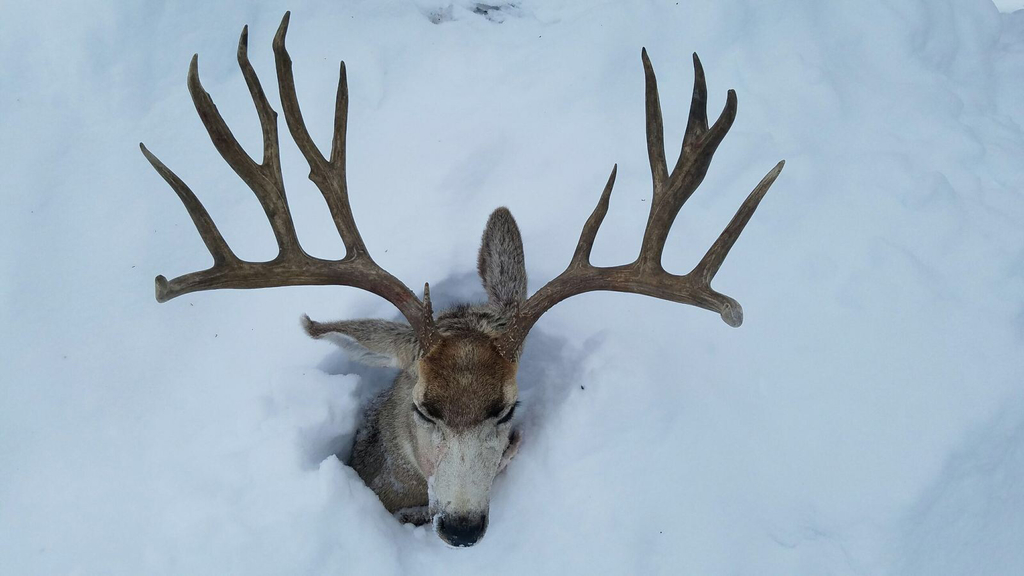
The crisp dawn air bites at your exposed skin, but a shiver of excitement, not cold, runs down your spine. Through the frosty pines, the first rays of sunlight paint the distant peaks in hues of orange and purple. You’re perched silently on a rocky outcrop, binoculars glued to your eyes, scanning the sagebrush flats below. Suddenly, a flicker of movement – a flash of antler against the muted backdrop. It’s a buck, a magnificent Mule Deer, his dark antlers reaching skyward, ears swiveling, sensing the world around him. He’s a ghost of the high country, an emblem of the American West, and the ultimate prize for any hunter.
Hunting Mule Deer isn't just about the harvest; it's about immersing yourself in some of the most breathtaking landscapes North America has to offer. It’s a test of patience, skill, and physical endurance, demanding respect for the animal and its rugged habitat. From the vast, open expanses of Wyoming to the timbered canyons of Colorado, pursuing these iconic deer in the autumn months offers an unforgettable adventure that connects you deeply with the wild.
When to Go (Best Seasons and Times)
Timing is everything when it comes to Mule Deer, and understanding their seasonal patterns is key to a successful hunt.
Mule Deer seasons primarily fall into the autumn months, typically from September through December, depending on the state and weapon choice.
- Early Archery Season (September): This is a fantastic time for those who love the challenge of bowhunting. Bucks are often still in their bachelor groups and haven't been pressured much. The weather can be mild, but it's also when deer are focused on feeding, making them somewhat predictable. Look for them in higher elevations, transitioning from summer feeding grounds.
- General Rifle Seasons (October-November): This is the most popular time for Mule Deer hunting. Early to mid-October hunts often catch deer still in their regular patterns before heavy snows push them down. The late October to mid-November period is particularly exciting as it often coincides with the rut (breeding season). During the rut, bucks become less cautious, actively searching for does, making them more visible and responsive to calling techniques.
- Late Season Hunts (November-December): These hunts can be brutal but incredibly rewarding. Heavy snows at higher elevations push deer down to lower wintering grounds, concentrating them in more accessible areas. However, deer are often grouped up and can be very wary after months of hunting pressure. This is a cold weather hunt, so proper gear is non-negotiable.
Best Times of Day: Like most deer species, Mule Deer are most active during dawn and dusk. These are prime times to be in your glassing spot, watching for deer moving to and from bedding and feeding areas. Mid-day can still be productive, especially during the rut or on cold, cloudy days, as deer may continue to feed or move between bedding locations.
Weather Patterns: * Cold Fronts: A sudden drop in temperature or a fresh snowfall can significantly increase deer activity. Bucks will often get on their feet to feed before or after a storm. * Wind: Strong winds can make deer nervous and reduce their movement, but a light, steady breeze is your best friend for scent control during a stalk. * Snow: Fresh snow makes tracking easier and can push deer to lower elevations, concentrating them.
Always check the specific season dates and regulations for the state you plan to hunt with the relevant state fish and wildlife agency (e.g., Colorado Parks and Wildlife, Wyoming Game and Fish Department).
Where to hunt (Top Locations)
Mule Deer are found across much of the Western United States, making public land hunting a fantastic and accessible option. While opportunities exist internationally in places like the Canadian Rockies or parts of Mexico, the vast majority of accessible hunting is in the US.
Here are 5-6 top locations and regions known for Mule Deer, emphasizing public land:
- Colorado: Often considered the epicenter of Mule Deer hunting. Colorado boasts vast expanses of national forests (like Routt, White River, and Gunnison National Forests) and Bureau of Land Management (BLM) land. Limited entry units offer trophy potential, while general season over-the-counter tags provide excellent beginner-friendly options, especially in units with significant public access.
- Wyoming: With its iconic sagebrush plains and mountain ranges (e.g., Bighorn, Wind River), Wyoming offers diverse Mule Deer habitats. Much of the state is public land (national forests, BLM), providing ample room to roam. Drawing a tag can be challenging for non-residents, but the quality of deer is often worth the effort.
- Montana: From the eastern plains to the western mountains, Montana offers varied Mule Deer hunting. The western part of the state has excellent mountain habitat, while the eastern badlands and prairies hold significant populations. Montana Fish, Wildlife & Parks manages a mix of general and limited-entry tags.
- Idaho: A hidden gem for Mule Deer, Idaho offers rugged, mountainous terrain and vast public lands, particularly in the central and northern parts of the state (e.g., Frank Church-River of No Return Wilderness, Nez Perce-Clearwater National Forests). It can be physically demanding, but the solitude and potential for quality bucks are high.
- Utah: Known for producing some giant Mule Deer, especially in its limited-entry units. While these premium tags are hard to draw, Utah also offers general season opportunities on its national forests and BLM lands, particularly in the central and southern regions.
- Arizona (Desert Mule Deer): For a different experience, consider Arizona's desert Mule Deer. These deer inhabit challenging, arid environments. Units in the central and southern parts of the state offer unique hunting experiences, often requiring long-range glassing and patient stalking in rocky, scrubby terrain. Tags are typically draw-based through the Arizona Game and Fish Department.
When choosing a spot, look for areas with a mix of cover (timber, brush), water sources, and varied terrain (ridges, draws, benches) that offer both bedding and feeding areas. Utilize online mapping tools like OnX Hunt or Gaia GPS to identify public land boundaries and scout potential hunting areas from home.
How to hunt (Proven Techniques)
Mule Deer hunting often comes down to two things: finding them and getting close enough for a shot. Here’s a step-by-step approach for beginners, plus a few advanced tips.
Step-by-Step Approach for Beginners:
- Extensive Scouting (Pre-Season & In-Season):
- Pre-Season: Use satellite imagery (Google Earth, OnX Hunt) to identify potential bedding areas (thick timber, north-facing slopes), feeding areas (open meadows, sagebrush flats), water sources, and travel corridors (ridge lines, saddles).
- In-Season: Once you're in the field, use high-quality binoculars and a spotting scope to glass vast areas. Find a high vantage point at first light and systematically scan opposite slopes, draws, and timber edges. Look for movement, a horizontal line in a vertical world, or the distinct shape of an antler.
- Locate and Evaluate: Once you spot a deer, take your time to evaluate it. Is it a buck? How big is it? What's its behavior? Where is it heading? This information is crucial for planning your approach.
- Plan Your Stalk: This is the most critical phase.
- Wind: Always keep the wind in your face or quartering to you. Mule Deer have an incredible sense of smell.
- Terrain: Use terrain features (ridges, draws, timber, rocks) to conceal your movement. Stay out of sight as much as possible.
- Sun: Try to keep the sun at your back, making it harder for the deer to see you and easier for you to see them.
- Speed: Move slowly. Every step should be deliberate. Stop frequently to glass and listen.
- Execute the Stalk:
- Minimize noise. Watch where you place your feet.
- Stay low and use cover. Crawling or belly-crawling may be necessary.
- Be prepared to stop and wait if the deer seems to be looking your way.
- Once you're within your effective shooting range, find a stable shooting rest (backpack, trekking poles, natural terrain) and prepare for the shot.
Advanced Tips:
- Still Hunting: This involves moving very slowly through prime deer habitat, taking a few steps, then pausing for several minutes to scan thoroughly. It's a method of actively looking for deer that are bedded or feeding close by, and it requires immense patience and keen observation skills.
- Calling (Rattling & Grunting): During the rut, rattling antlers (imitating two bucks fighting) or using a grunt tube can be highly effective. Bucks are often curious or aggressive during this time and may come to investigate. Combine calling with good cover and scent control.
- Using Thermals: As the sun rises and warms the earth, air currents (thermals) move uphill. In the evening, as the air cools, thermals move downhill. Understanding and using these air currents can give you a significant advantage in controlling your scent during a stalk, especially in mountainous terrain.
- Persistence in Bad Weather: Don't let a little rain or snow deter you. Deer often become more active during or immediately after adverse weather, making these conditions prime hunting opportunities. Just be sure you're properly geared for the elements.
Who to Go With (Guides, Groups, or Solo)
The decision to hunt Mule Deer guided, with a group, or solo depends on your experience, budget, and desired adventure.
- Solo Hunting (DIY): This is a rewarding experience for those who crave independence and a deep connection with the wilderness. It's often the most budget-friendly option, especially if you're hunting public land. However, it requires significant preparation, navigation skills, physical fitness, and the ability to pack out an animal by yourself. It's best for experienced hunters or beginners who are very well-prepared and willing to learn.
- Hunting with a Group: This offers a great balance. You can share responsibilities (scouting, camp setup, packing out), costs (gas, food), and the experience itself. It's safer than solo hunting, as you have partners in case of an emergency. This is an excellent option for beginners, as you can learn from more experienced friends or family members.
- Guided Hunts: For hunters seeking a higher chance of success, specific trophy quality, or those unfamiliar with the terrain, a guided hunt is an excellent choice. Outfitters in states like Colorado, Wyoming, and Montana specialize in Mule Deer. They provide experienced guides, often private land access, lodging, meals, and assistance with game retrieval.
- Cost Context: Guided hunts can range from $3,000 to $10,000+ USD for a 5-7 day hunt, depending on the outfitter, location, and services included (e.g., horseback pack-in vs. truck access, trophy quality expectations). This is a significant investment but can be invaluable for a first-time Mule Deer hunter or someone targeting a specific class of animal.
- Reputable Outfitters: Look for outfitters with strong references, a good track record, and proper licensing in their respective states. Research online forums and hunting review sites.
For international opportunities, such as in the Canadian Rockies (Alberta, British Columbia), reputable outfitters often operate on concessions, providing similar all-inclusive packages. Always ensure the outfitter is licensed and bonded by the relevant provincial or national authority.
Essential Gear Recommendations
Having the right gear is crucial for comfort, safety, and success in the rugged Mule Deer habitat.
- Firearm & Ammunition:
- Rifle: A reliable bolt-action rifle in a common deer caliber.
- Recommended: .270 Winchester, .30-06 Springfield, .308 Winchester, 7mm Rem Mag, .300 Win Mag. Bolt-Action Hunting Rifle → Shop on Amazon
- Ammunition: High-quality hunting ammunition with good bullet construction for energy retention and expansion. Carry at least 20 rounds.
- Rifle: A reliable bolt-action rifle in a common deer caliber.
- Optics:
- Binoculars (10x42 or 12x50): Essential for glassing vast terrain. High-Quality Binoculars → Shop on Amazon
- Spotting Scope (15-45x or 20-60x): Critical for evaluating deer at long distances without disturbing them. Spotting Scope → Shop on Amazon
- Rangefinder: Accurately measure distances to your target. Laser Rangefinder → Shop on Amazon
- Clothing (Layering System):
- Base Layers: Moisture-wicking synthetic or merino wool. Merino Wool Base Layers → Shop on Amazon
- Mid Layers: Fleece or puffy jacket for insulation. Insulated Puffy Jacket → Shop on Amazon
- Outer Shell: Waterproof and windproof jacket and pants. Waterproof Hunting Shell → Shop on Amazon
- Hunting Pants: Durable, quiet, and comfortable.
- Gloves & Hat: Warm, insulated, and windproof.
- Camo vs. Earth Tones: While camo is popular, effective earth-toned clothing is often sufficient. The key is breaking up your outline.
- Footwear:
- Sturdy Hiking/Hunting Boots: Waterproof, well broken-in, with good ankle support. Waterproof Hunting Boots → Shop on Amazon
- Wool Socks: Several pairs to prevent blisters and manage moisture.
- Navigation & Safety:
- GPS Device or Smartphone with Mapping App: (e.g., OnX Hunt, Gaia GPS) with downloaded maps. Handheld GPS Device → Shop on Amazon
- Compass & Topographic Map: Backup navigation.
- Headlamp: With extra batteries. LED Headlamp → Shop on Amazon
- First-Aid Kit: Comprehensive for wilderness use. Wilderness First Aid Kit → Shop on Amazon
- Emergency Shelter/Fire Starter: Whistle, signal mirror.
- Hunting Pack:
- Day Pack (25-40L): For daily essentials. Hunting Day Pack → Shop on Amazon
- Frame Pack (50-80L): If you plan to pack out meat or stay overnight. Internal Frame Hunting Pack → Shop on Amazon
- Field Dressing & Game Care:
- Sharp Knife(s): Fixed blade or replaceable blade. Field Dressing Knife Kit → Shop on Amazon
- Game Bags: Breathable, lightweight bags to protect meat. Game Bags → Shop on Amazon
- Latex Gloves: For hygiene.
- Miscellaneous:
- Trekking Poles: Invaluable for steep terrain and stability. Collapsible Trekking Poles → Shop on Amazon
- Water Bottle/Hydration Reservoir: Carry plenty of water.
- Snacks: High-energy, non-perishable.
Budget-Friendly Alternatives: * Used Gear: Check online marketplaces, consignment shops, or sporting goods stores for quality used rifles, optics, and clothing. * Mid-Range Optics: Brands like Vortex, Athlon, and Bushnell offer excellent performance without breaking the bank. * Layering with Existing Clothes: Use non-cotton base layers you already own, and layer with fleece and waterproof jackets. * DIY First-Aid Kit: Assemble your own with essentials.
Expected Costs (Full Setup vs. Budget Version)
Mule Deer hunting can range from a relatively affordable DIY trip to a significant investment in a guided experience. Here’s a breakdown in USD:
Full Setup (High-End Gear & Guided Hunt):
- Rifle & Scope: $1,500 - $4,000+ (e.g., high-end bolt action, premium optics)
- Optics (Binoculars, Spotting Scope, Rangefinder): $1,000 - $3,000+
- Clothing & Boots: $800 - $2,000+ (high-performance technical gear)
- Hunting Pack: $300 - $700+ (e.g., Kuiu, Stone Glacier)
- Miscellaneous Gear: $300 - $800 (GPS, first-aid, knives, etc.)
- Non-Resident License & Tag: $300 - $800+ (depending on state and draw success)
- Guided Hunt (5-7 days): $3,000 - $10,000+ (including lodging, meals, guide services)
- Travel (Flights, Fuel, Vehicle Rental): $500 - $2,000+
- Food & Incidentals: $300 - $700+
- Total for a Premium Guided Hunt: $8,000 - $24,000+ USD
Budget Version (DIY Public Land Hunt & Essential Gear):
- Rifle & Scope (Used/Entry-Level): $500 - $1,000 (e.g., Savage Axis, Ruger American, basic scope)
- Optics (Basic Binoculars, Entry-Level Rangefinder, no Spotting Scope): $200 - $500
- Clothing & Boots (Layering with existing, mid-range quality): $300 - $700
- Hunting Pack (Mid-range or sturdy hiking pack): $100 - $250
- Miscellaneous Gear (DIY first-aid, basic knife): $100 - $300
- Non-Resident License & Tag: $300 - $800+ (resident tags are significantly cheaper, often $30-$100)
- Travel (Driving, camping/tent lodging): $300 - $1,000+
- Food & Incidentals: $200 - $500
- Total for a Budget DIY Hunt: $2,000 - $5,000+ USD
Important Note on Licenses/Tags: Non-resident Mule Deer tags are often obtained through a draw system, requiring applications months in advance and significant non-refundable application fees. Always check the current fees and application deadlines with the relevant state fish and wildlife agency (e.g., Wyoming Game and Fish Department, Idaho Fish and Game, Montana Fish, Wildlife & Parks). These costs can change annually.
Regulations and Conservation
Mule Deer management is a complex but vital effort across the Western US, overseen by state fish and wildlife agencies.
Key Regulatory Considerations:
- Licenses and Tags: You will need a hunting license for the specific state and a Mule Deer tag. Many states use a draw system for Mule Deer tags, especially for desirable units or species. This means you apply months in advance, and tags are allocated through a lottery. Over-the-counter (OTC) tags are available in some areas, particularly for archery or general rifle seasons in certain units, offering more accessibility for beginners.
- Season Dates and Units: Seasons are strictly defined by dates, weapon type (archery, rifle, muzzleloader), and specific geographic units (GMUs - Game Management Units). It is critical to know exactly which unit you are hunting in and its associated regulations.
- Bag Limits: Typically, the bag limit for Mule Deer is one antlered buck per hunter per year, though regulations can vary. Some areas may have antler point restrictions (e.g., "four-point or better") to protect younger bucks.
- Weapon Restrictions: Be aware of specific requirements for archery (e.g., minimum draw weight, broadhead type) or rifle (e.g., minimum caliber, magazine capacity).
- Hunter Orange: Most states require hunters to wear a certain amount of hunter orange during general rifle seasons for safety.
- Harvest Reporting: Successful hunters are usually required to report their harvest to the state agency within a specific timeframe.
Always Advise Readers: Before planning any hunt, you MUST check the current and specific regulations for the state and unit you intend to hunt. Regulations change annually, and ignorance is not an excuse for non-compliance. Visit the official website of the state fish and wildlife agency (e.g., Colorado Parks and Wildlife, New Mexico Department of Game and Fish, Nevada Department of Wildlife) for the most up-to-date information.
Conservation Status and Population Considerations: Mule Deer populations have experienced declines in some areas over the past few decades due to habitat loss, disease (like Chronic Wasting Disease - CWD), and predation. State agencies actively manage populations through tag allocations, habitat improvement projects, and disease monitoring. Hunters play a crucial role in conservation by funding these efforts through license and tag purchases (the "user-pays, user-benefits" model) and by adhering to regulations that ensure sustainable hunting opportunities for future generations. Some states require CWD testing of harvested deer in specific management areas to monitor and control the spread of the disease.
Pro Tips and Common Mistakes to Avoid
Drawing on years of experience, here are some nuggets of wisdom to help you on your Mule Deer journey:
Pro Tips:
- Glass, Glass, Glass: Your binoculars and spotting scope are your most important tools. Spend 80% of your time glassing from a good vantage point. Don't just glance; pick apart every shadow and patch of cover.
- Physical Fitness is Key: Mule Deer live in rugged terrain. Being in good physical shape will allow you to cover more ground, stalk more effectively, and safely pack out your animal. Start conditioning well before your hunt.
- Master the Wind: Always be aware of the wind direction. Carry a small bottle of scent checker (powder or string) and use it constantly. Your scent is your biggest enemy.
- Practice Your Shooting: Know your rifle and your personal maximum effective range. Practice shooting from various field positions (prone, kneeling, off a pack) to build confidence.
- Patience Pays Off: Mule Deer hunting often involves long hours of waiting and watching. Don't rush a stalk, and don't give up if you don't see deer immediately. Persistence is often rewarded.
- Know Your Limits: Both your physical limits and your shooting limits. Don't attempt a dangerous stalk or a shot beyond your ethical range.
- Pack Light, But Smart: Every ounce matters when you're gaining elevation. Prioritize essential gear, but don't skimp on safety or critical items.
Common Mistakes to Avoid:
- Not Scouting: Relying solely on "luck" is a recipe for frustration. Pre-season scouting (even digital) and in-season observation are vital.
- Rushing the Stalk: Getting excited and moving too fast or exposing yourself during a stalk will almost always result in a spooked deer. Slow down, use cover.
- Ignoring the Wind: Many hunts are ruined because hunters don't pay attention to or don't understand how to use the wind.
- Improper Gear: Showing up with ill-fitting boots, inadequate layers, or a rifle you haven't sighted in properly will severely hinder your success and enjoyment.
- Lack of Hydration/Nutrition: Hunting Mule Deer is physically demanding. Dehydration and bonking (hitting the wall from lack of energy) can lead to poor decisions and unsafe situations.
- Leaving the Hunt Early: Many successful hunts happen on the last day, or even the last hour. Don't give up prematurely.
- Not Having a Plan for the Animal: Once a deer is down, the work begins. Have a plan for field dressing, quartering, and packing out the meat, especially in warm weather.
Conclusion
Hunting Mule Deer is more than just a pursuit; it's an education in the wild, a test of character, and an unparalleled adventure. From the thrill of spotting a magnificent buck against a vast Western backdrop to the satisfaction of a hard-earned harvest, the experience leaves an indelible mark. It teaches patience, respect for nature, and the importance of conservation.
Whether you're embarking on your first DIY public land hunt or investing in a guided experience, the challenge and reward of hunting these iconic deer are profound. So, gear up, hit the mountains, and immerse yourself in the incredible world of the Mule Deer.
Ready to take your field dressing skills to the next level? Our next post will dive deep into efficient and ethical field dressing techniques for big game, ensuring you make the most of your hard-earned harvest!
As an Amazon Associate I earn from qualifying purchases at no extra cost to you. Links above are affiliate search links — prices may vary. Generated 2026-06-25