Catch Chinook Salmon Like a Pro: Complete Fishing Guide
Introduction
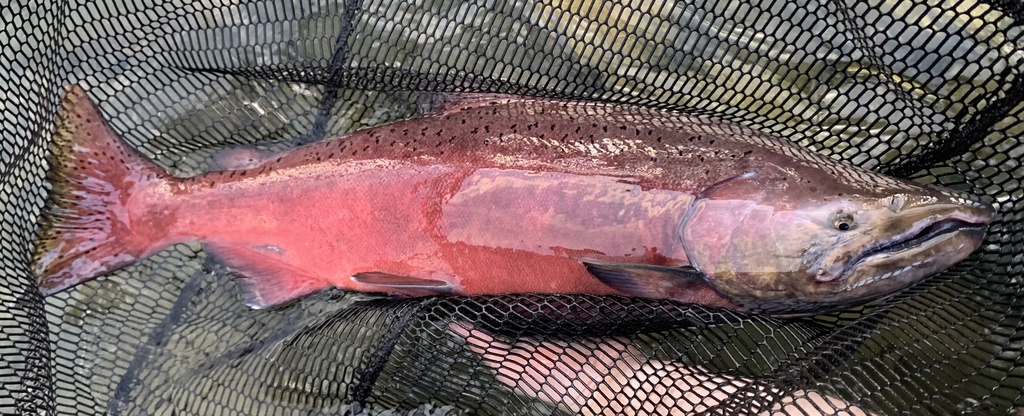
The rod tip gives a single, subtle tap. Then another. You hold your breath, waiting. Suddenly, the rod doubles over with a violence that jolts you to your core, and the reel begins to scream. A chrome-plated leviathan erupts from the water, shaking its head in a desperate attempt to throw the hook. This isn't just any fish; this is a Chinook Salmon, the undisputed "King" of the Pacific. Pursuing these magnificent fish is more than a pastime; it's an obsession. From the glacial rivers of Alaska to the massive estuaries of the Pacific Northwest and the deep waters of the Great Lakes, the thrill of battling a King is an experience that defines an angler's career. Whether it's the prized, fat-rich "Springer" in April or a monster fall-run brute, the pursuit of Chinook is the ultimate test of gear, skill, and patience.
When to Go (Best Seasons and Times)
Timing is everything when it comes to intercepting these migratory giants. Chinook runs are highly seasonal and vary by region, so understanding the calendar is your first step to success.
- Spring (March - June): This is the season for "Springers," the most sought-after Chinook. They enter the rivers early and are packed with rich oils and fats for their long journey upstream. Fishing can be challenging due to high, cold water, but the reward is the best-tasting salmon on the planet.
- Summer (June - August): Summer-run Chinook are plentiful, especially in Alaska and northern British Columbia. These fish are aggressive and often travel in large numbers. This is peak season for many of the most famous salmon rivers in the world.
- Fall (August - November): The fall run is typically the largest in terms of fish numbers. These salmon are on their final push to the spawning grounds. While their meat quality can be lower as they get closer to spawning, they are big, aggressive, and provide incredible action, especially in the Great Lakes tributaries and West Coast rivers.
Time of Day & Weather: Like many fish, Chinook are most active during low-light periods. The first two hours after sunrise and the last two hours before sunset are prime time. Overcast, drizzly days are your best friend, as the cloud cover makes the fish feel more secure and willing to bite. A slight rise in river levels after a rainstorm can also trigger an aggressive bite as fresh fish push upstream.
Where to Fish (Top Locations)
Chinook Salmon are found in some of the most beautiful locations on Earth. While a boat is a huge advantage, there are countless opportunities for bank anglers as well.
- Kenai River, Alaska, USA: The undisputed king of King Salmon rivers. The Kenai holds the all-tackle world record (97 lbs, 4 oz) and consistently produces giants. Public access can be found at places like Centennial Park in Soldotna or along the Sterling Highway near Cooper Landing.
- Columbia River, Oregon/Washington, USA: This massive waterway hosts several distinct runs of Chinook. The "Buoy 10" fishery at the mouth of the river near Astoria is a world-famous August spectacle. Further upriver, bank access near Bonneville Dam provides a great shot at migrating fish.
- Puget Sound, Washington, USA: For those who prefer saltwater, Puget Sound offers year-round opportunities to intercept Chinook as they feed and stage. Public piers and beach access points can be productive, but a boat opens up legendary spots like Possession Bar and Midchannel Bank.
- Sacramento River, California, USA: The southernmost bastion for wild Chinook. The fall run here is legendary, with excellent access for both boat and bank anglers in and around the city of Redding.
- Lake Michigan Tributaries, Wisconsin/Michigan, USA: The Great Lakes have a phenomenal introduced Chinook fishery. In the fall, rivers like the Pere Marquette in Michigan or the Root River in Wisconsin fill with massive salmon, offering incredible and accessible fishing.
- International Hotspot (Skeena River, British Columbia, Canada): For those looking for a world-class international adventure, the Skeena River system in BC is a bucket-list destination, known for its pristine wilderness and genetically huge Chinook.
How to Fish (Proven Techniques)
Chinook are big and powerful, but they can also be surprisingly finicky. Your technique needs to be precise.
Beginner's Blueprint: Trolling from a Boat
This is one of the most effective ways to cover water and find active fish.
- The Setup: Use a diver or a downrigger to get your gear to the bottom. Behind that, run an 11-inch flasher or dodger to create attraction. Your leader should be 3-5 feet long, tied to your lure or bait.
- The Lure: A plug-cut herring rigged to spin tightly is deadly. Artificial options like a large Kwikfish, Flatfish, or a Brad's Super Bait filled with tuna are also proven winners.
- The Technique: In a river, you'll often "back-troll," using the motor to slowly slip downstream, even slower than the current. This allows the current to work your lure, keeping it dancing right in the fish's face. In a lake or ocean, you'll troll forward at 1.5 to 3 mph.
- The Bite: A Chinook bite is unmistakable. The rod will bury itself in the holder—a "slammed" takedown. Don't grab it and set the hook immediately. Let the fish pull and bury the hook itself for a few seconds before you take the rod and begin the fight.
Advanced Tips for the Versatile Angler
- Float Fishing: Using a slip float to drift a cluster of cured salmon roe (eggs) or a yarn ball and beads along the bottom is a deadly technique for river fish. It presents the bait at a natural pace and is perfect for targeting specific seams and holding slots.
- Casting Hardware: From the bank, casting and retrieving large spinners (like a Blue Fox Vibrax) or spoons (like a Krocodile) is a classic method. Cast slightly upstream and let your lure "swing" through the current as it moves downstream. Most strikes will happen as the lure straightens out at the bottom of the swing.
- Twitching Jigs: When you find Kings holding in slower, deeper pools, a ½ to 1 oz jig twitched sharply can trigger an aggressive reaction strike. The key is a sharp "twitch-fall" retrieve, letting the jig drop between twitches.
Who to Go With (Guides, Groups, or Solo)
- Guided Trip: For your first time, hiring a guide is the single best investment you can make. They provide the boat, all the specialized gear, and most importantly, the local knowledge to put you on fish safely. Expect to pay $250 - $500+ USD per person for a full-day trip.
- DIY / Solo: Going it alone is incredibly rewarding but comes with a steep learning curve. It requires a significant investment in gear and time to learn a body of water. Start by targeting accessible bank fishing spots and talking to local tackle shops.
- With a Group: This is a great way to split the cost of a charter. If you have an experienced friend with a boat, offer to pay for gas and bait in exchange for a day on the water and a masterclass in Chinook fishing.
Essential Gear Recommendations
You don't need the most expensive gear, but you do need gear that can handle the raw power of a King.
-
Must-Have Gear
- Rod: 8'6" to 10'6" medium-heavy power, moderate action casting or spinning rod.
- Reel: A robust baitcasting reel with a high line capacity (line-counter models are excellent for trolling) or a large 4000-5000 size spinning reel.
- Line: 50-65 lb braided mainline with a 20-30 lb monofilament or fluorocarbon leader. Mono is more forgiving for beginners.
- Lures & Bait:
- Plugs: Luhr-Jensen Kwikfish K15 → Shop on Amazon
- Spinners: Blue Fox Vibrax Spinner (Size 5-6) → Shop on Amazon
- Bait: Cured salmon roe is king in most rivers.
- Terminal Tackle: High-quality ball-bearing swivels, 1/0 to 4/0 octopus hooks, and an assortment of lead weights.
- Tools: A large, deep net with a long handle, needle-nose pliers, and a fish bonker.
-
Budget-Friendly Alternatives
- Rod/Reel Combo: An Ugly Stik Bigwater Combo → Shop on Amazon is incredibly durable and affordable, providing a great entry point.
- Lures: Start with two or three proven lures. A silver Krocodile spoon and a chartreuse spinner will catch Chinook anywhere they swim.
- Bait: Learn to cure your own eggs using commercial cures. It's cheaper and allows you to customize your recipe.
Expected Costs (Full Setup vs. Budget Version)
- Full Setup (Boat Owner/Serious Angler): ~$1,500+ USD
- Rod & Reel: $300 - $600
- Waders & Boots: $250+
- Tackle (lures, flashers, terminal): $400+
- License & Tags: $70 - $200 (varies greatly by state and residency)
- Budget Version (Bank Angler): ~$350 - $500 USD
- Rod & Reel Combo: $100 - $150
- Waders & Boots: $100
- Basic Tackle Starter Kit: $50
- License & Tags: $70 - $200
Regulations and Conservation
This is the most important section. Chinook salmon populations are under pressure in many parts of their range, and some are protected under the Endangered Species Act. Regulations are complex, specific, and change frequently.
- Regulatory Authorities: In the US, you must check with the state agency where you plan to fish. This includes the Alaska Department of Fish and Game (ADFG), Washington Department of Fish and Wildlife (WDFW), Oregon Department of Fish and Wildlife (ODFW), and California Department of Fish and Wildlife (CDFW). For the Great Lakes, check the respective state's DNR.
- Key Rules to Look For: Pay close attention to season dates, daily and annual limits, size restrictions, legal fishing hours, and gear restrictions (e.g., barbless hooks, single-point hooks). Many areas require a specific salmon tag or punch card in addition to a fishing license.
- ALWAYS check the most current, official regulations booklet or website before you even think about making a cast. Ignorance is not an excuse.
Pro Tips and Common Mistakes to Avoid
-
Pro Tips
- Scent is Non-Negotiable: Kings have an excellent sense of smell. Always add scent gel or oil (sardine, herring, anise) to your lures.
- Keep Hooks Sticky Sharp: A King's jaw is tough cartilage. Check your hook points constantly and sharpen or replace them often.
- Fish the "Travel Lanes": In rivers, salmon follow specific paths. Look for seams where fast and slow water meet. That's their highway.
- Don't "Trout Set": When a salmon grabs your lure, resist the urge to immediately jerk. Let the rod load up, and then use a long, sweeping motion to drive the hook home.
- Use Your Rod for Leverage: During the fight, keep your rod low and to the side to apply side pressure. This will turn the fish's head and give you control.
- Fish Through the Tide Change: In saltwater or tidal rivers, the 90 minutes before and after a tide change is often the most productive bite window.
- Change Colors: If a color isn't working, switch it up. Chartreuse, green, red, and chrome are all proven winners, but the fish's preference can change daily.
-
Common Mistakes
- Using gear that is too light.
- Fishing with a dull hook.
- Staying in one spot all day instead of moving to find fish.
- Not checking the official regulations before fishing.
Conclusion
The pursuit of Chinook Salmon is the pinnacle of freshwater angling. It will test your knots, your back, and your will. But the moment you slide that magnificent, chrome giant into the net, every failed cast and early morning becomes worth it. It’s a primal connection to the wild and an experience that will stay with you forever. Now that you have the blueprint, it's time to gear up, study the regulations, and get on the water. The King is waiting.
Next up, we're trading power for finesse. Stay tuned for our complete guide on Catching trophy Brown Trout on the fly.
As an Amazon Associate I earn from qualifying purchases at no extra cost to you. Links above are affiliate search links — prices may vary. Generated 2026-06-25