Catch Walleye Like a Pro: Complete Fishing Guide
Introduction
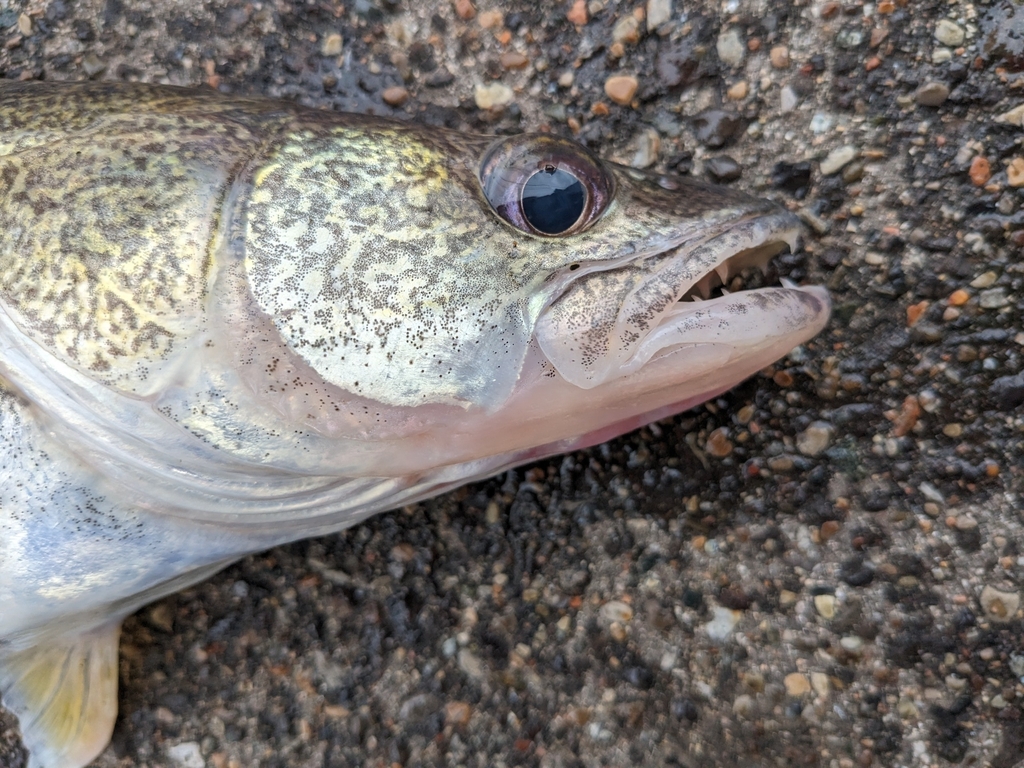
The cold, clear waters of dawn shimmer, reflecting a sky just beginning to blush with color. A subtle "thump-thump" vibrates up your rod, a mere whisper in the stillness. It’s not the aggressive yank of a bass or the frantic dash of a trout. This is the distinct, almost shy, signature bite of a walleye – a fish renowned for its cunning, its elusive nature, and above all, its unparalleled table fare. Then, the fight begins: a solid, head-shaking battle that tests your patience and skill before revealing that shimmering, olive-gold prize.
Walleye are one of North America's most sought-after game fish, captivating anglers with their challenging pursuit and delicious, flaky white meat. From the vast expanse of the Great Lakes to countless inland reservoirs and rivers, these nocturnal predators offer an exciting quest for both novice and seasoned anglers. Getting a walleye to bite often requires a keen understanding of their habits, preferred habitats, and the right presentation. Prepare to dive deep into the world of walleye fishing, where we’ll unlock the secrets to consistently bringing these prized fish to the net, no matter your experience level.
When to Go (Best Seasons and Times)
Walleye are creatures of habit, and understanding their seasonal movements is key to consistent success.
- Spring (Pre-spawn & Spawn): This is prime time! As ice recedes and water temperatures climb into the 40s and low 50s Fahrenheit, walleye move to shallow, rocky areas, gravel flats, and river currents to spawn.
- Pre-spawn: Fish are hungry and aggressive, staging in slightly deeper water adjacent to spawning grounds. This is often an excellent bite.
- Spawn: The actual spawning period can be tough as fish are focused on reproduction, but immediately after, they're ravenous, recovering from the effort.
- Time of Day: Early morning and late evening are best, especially in clear water. Overcast days can extend the bite throughout the day.
- Summer: Walleye move to deeper, cooler water, often relating to structure like humps, reefs, drop-offs, and weed lines. They become more nocturnal, feeding heavily during low-light conditions.
- Time of Day: Dusk through dawn are peak feeding times. Overcast or rainy days can also trigger a bite during daylight hours.
- Fall: As water temperatures drop, walleye begin their pre-winter feeding frenzy. They can be found shallower than in summer, often schooling up on baitfish. This is another fantastic time for big fish.
- Time of Day: All day can be productive, but morning and evening remain prime.
- Winter (Ice Fishing): For those brave enough to venture onto the hard water, walleye offer an incredible ice fishing opportunity. They'll hold to deeper structure but will move onto shallower flats to feed, especially at dawn and dusk.
- Time of Day: Again, dawn and dusk are critical, but many ice anglers find success throughout the day during strong feeding windows.
Regional Tips: In the northern US states like Minnesota, Wisconsin, and the Great Lakes region, the spring and fall bites are legendary. Further south in reservoirs, summer patterns might be more consistent, with fish holding to thermoclines.
Where to Fish (Top Locations)
Walleye thrive in large, cool-water environments. While they are found across much of North America, some spots stand out.
- Lake Erie (Ohio, Pennsylvania, New York, Michigan): Often called the "Walleye Capital of the World," Erie boasts an incredible population. The western basin (Ohio) is famous for its spring bite, while the central and eastern basins offer fantastic open-water trolling opportunities throughout summer and fall. The Ohio Department of Natural Resources (ODNR) manages this fishery on the US side.
- Lake of the Woods (Minnesota): Straddling the US-Canada border, this massive lake offers world-class walleye fishing year-round, including exceptional ice fishing. Numerous resorts and public access points make it angler-friendly. The Minnesota Department of Natural Resources (MN DNR) oversees the US portion.
- Mille Lacs Lake (Minnesota): Another Minnesota gem, Mille Lacs is a large, relatively shallow lake known for its trophy potential. It's a popular spot for both open water and ice fishing, with diverse structure. The MN DNR actively manages its walleye population.
- Missouri River System (South Dakota, North Dakota): Lakes Oahe, Sakakawea, and Francis Case, formed by dams on the Missouri River, are renowned for their robust walleye populations. These vast reservoirs offer excellent trolling and jigging opportunities. The South Dakota Game, Fish and Parks (SDGFP) and North Dakota Game and Fish Department (NDGF) are the regulatory bodies.
- Green Bay (Wisconsin): Part of Lake Michigan, Green Bay has seen a resurgence in its walleye fishery, offering fantastic opportunities, especially in the bay's southern reaches and the Fox River. The Wisconsin Department of Natural Resources (WI DNR) manages this area.
- Inland Lakes & Reservoirs: Countless smaller lakes and reservoirs across the Midwest and Northeast (e.g., Lake Winnebago, WI; Oneida Lake, NY; Devil's Lake, ND) hold thriving walleye populations. Check with your local state fish and wildlife agency for specific recommendations and public access points.
International Opportunities: Canada is a walleye angler's paradise, with countless lakes in Ontario, Manitoba, Saskatchewan, and Quebec offering incredible fishing, often with remote, fly-in lodge experiences.
How to Fish (Proven Techniques)
Walleye fishing can be as simple or as technical as you make it. Here are some proven methods:
Beginner-Friendly Techniques:
- Jigging with Live Bait:
- Setup: Tie a 1/8 to 1/2 oz jig head (chartreuse, white, or orange are good starting colors) directly to your main line or a fluorocarbon leader.
- Bait: Tip the jig with a live minnow (hooked through the lips or dorsal fin), a nightcrawler (threaded on), or a leech.
- Presentation: Drop the jig to the bottom, then lift it a few inches and let it fall back, feeling for the subtle "tap." Walleye often hit on the fall. Work slowly along structure.
- Slip Bobber Fishing:
- Setup: Thread a slip bobber onto your line, followed by a small bead, a bobber stop, and then tie on a small jig or plain hook (size 4-6). Add a split shot or two above the hook to get your bait down.
- Bait: Minnows, leeches, or nightcrawlers are excellent choices.
- Presentation: Set your bobber stop to position your bait just off the bottom (e.g., 6-12 inches). Cast near weed edges, rock piles, or drop-offs and let the current or wind drift your bait naturally. Watch for the bobber to dip or move horizontally.
- Trolling Crankbaits:
- Setup: Use a medium-action rod with a line counter reel spooled with monofilament or braid. Tie on a diving crankbait (e.g., Rapala Shad Rap, Berkley Flicker Shad, Reef Runner). Colors vary by water clarity and forage, but perch, firetiger, and natural baitfish patterns are great starters.
- Presentation: Let out line and troll at speeds between 1.0-2.5 mph, varying speed until you find what triggers bites. Use a depth finder to identify structure and keep your lure running just above it. This is highly effective for covering large areas.
Advanced Tips:
- Snap Jigging: An aggressive jigging technique where you snap the rod tip up sharply, then let the jig fall on a semi-slack line. This imparts an erratic action that can trigger reaction strikes from finicky walleye.
- Blade Baits: Small, vibrating metal lures (e.g., Heddon Sonar, Sebile Vibrato) that mimic distressed baitfish. They are extremely effective when vertically jigged over schools of walleye, especially in colder water or during ice fishing.
- Electronics Mastery: Learn to interpret your sonar. Walleye often appear as "arches" or "streaks" near the bottom or structure. Identifying baitfish schools and underwater contours is crucial for locating active fish.
Who to Go With (Guides, Groups, or Solo)
Deciding how to tackle your walleye adventure depends on your experience, budget, and desired learning curve.
- Guided Trips: For beginners or those visiting a new body of water, hiring a professional walleye guide is an invaluable investment. They know the local waters, current patterns, and best techniques, providing all the necessary gear.
- Cost Context: A full-day guided trip in the US typically ranges from $400-$800 USD for 1-3 anglers, not including tip. While an upfront cost, it's a fast track to learning and often guarantees a successful outing. Many guides offer half-day options as well.
- Fishing with Experienced Friends/Groups: Joining an angler with walleye experience is a fantastic way to learn without the cost of a guide. You can share expenses and benefit from their knowledge.
- Solo/DIY: For intermediate anglers, solo or DIY trips offer the ultimate freedom and challenge. You'll need your own boat, gear, and a good understanding of the fishery. This is where mastering your electronics and reading the water really pays off. It's a rewarding path for those who enjoy the investigative aspect of fishing.
Essential Gear Recommendations
Having the right tools for walleye fishing can significantly improve your success.
- Rods & Reels:
- Spinning Combo: A versatile choice for jigging, slip bobbers, and light trolling.
- Rod: 6'6" to 7'6" medium-light to medium power, fast action. Sensitivity is key. St. Croix Eyecon Walleye Spinning Rod → Shop on Amazon or Ugly Stik GX2 Spinning Rod (Budget Option) → Shop on Amazon
- Reel: 2500-3000 series spinning reel. Smooth drag is crucial. Shimano Stradic FL Spinning Reel → Shop on Amazon or Pflueger President Spinning Reel (Budget Option) → Shop on Amazon
- Spinning Combo: A versatile choice for jigging, slip bobbers, and light trolling.
- Line:
- Main Line: 6-10 lb monofilament (good for trolling crankbaits) or 10-20 lb braided line (for sensitivity in jigging). PowerPro Braided Line → Shop on Amazon or Berkley Trilene XL Monofilament → Shop on Amazon
- Leader: 8-12 lb fluorocarbon leader for abrasion resistance and invisibility. Seaguar InvizX Fluorocarbon Leader → Shop on Amazon
- Lures & Rigs:
- Jig Heads: 1/8 oz to 1/2 oz, various colors (chartreuse, orange, white, pink). Northland Fishing Tackle Gum-Ball Jigs → Shop on Amazon
- Crankbaits: Assorted diving crankbaits in natural and bright colors (perch, firetiger, clown). Rapala Shad Rap → Shop on Amazon or Berkley Flicker Shad → Shop on Amazon
- Slip Bobbers: For suspending live bait. Thill Pro Series Slip Bobber → Shop on Amazon
- Live Bait Rigs: Crawler harnesses, snell hooks, split shot.
- Soft Plastics: Paddle tails, grubs, and finesse worms for jigging. Berkley Gulp! Minnows → Shop on Amazon
- Terminal Tackle:
- Swivels, snap swivels, hooks (Aberdeen or Octopus style, sizes 4-8), split shot.
- Tools & Accessories:
- Net: A wide, rubber-coated net to protect the fish and prevent hook snags. Frabill Pro-Formance Series Net → Shop on Amazon
- Pliers/Forceps: For hook removal.
- Line Cutter: Scissors or clippers.
- Livewell/Bait Bucket: If using live bait.
- Cooler: For keeping your catch fresh.
- Electronics (Optional but Recommended):
- Fish Finder/Sonar: Essential for locating structure and fish. Garmin ECHOMAP UHD Series → Shop on Amazon or Humminbird HELIX Series → Shop on Amazon
Expected Costs (Full Setup vs. Budget Version)
The cost of getting into walleye fishing can vary significantly.
Full Setup (Boat Owner): * Boat: $15,000 - $60,000+ (new or used, fully rigged with electronics) * Rod & Reel Combos (2-4): $400 - $1,200 * Electronics (High-end): $1,500 - $5,000+ * Tackle (Lures, Jigs, Terminal): $200 - $500 * Safety Gear: $100 - $300 * Annual Fishing License (US Resident): $20 - $50 USD (e.g., Minnesota non-resident annual license is $54 USD; resident is $25 USD). Always check current fees with your state's fish and wildlife agency. * Boat Registration/Insurance: $50 - $200 annually
Budget Setup (Shore/Rental Boat Angler): * Rod & Reel Combo (1-2): $100 - $300 * Basic Tackle (Jigs, Bobbers, Live Bait): $50 - $150 * Annual Fishing License (US Resident): $20 - $50 USD * Bait (Minnows/Crawlers): $5 - $20 per trip * Optional: Portable Fish Finder: $100 - $300 Humminbird Piranhamax 4 (Budget Portable) → Shop on Amazon * Optional: Boat Rental (per day): $100 - $300 (if available)
Guided Trip (No Gear Needed): * Full Day Trip: $400 - $800 USD (for 1-3 people, excluding tip)
Regulations and Conservation
Walleye populations are carefully managed across their range to ensure sustainable fishing for future generations. It is your responsibility as an angler to be aware of and adhere to all local regulations.
- Key Regulatory Considerations:
- Season Dates: Walleye seasons can vary by region and even within different bodies of water in the same state. Some areas have catch-and-release only periods.
- Bag Limits: The number of fish you can keep per day.
- Size Limits: Minimum or slot limits (e.g., fish between X and Y inches must be released). These are often implemented to protect spawning fish or larger breeding stock.
- Gear Restrictions: Specific rules on the number of lines, types of bait, or use of certain tackle.
- Regulatory Authorities:
- United States: Your state's Department of Natural Resources (DNR), Fish and Wildlife Agency, or Game and Fish Department (e.g., Minnesota DNR, Ohio DNR, Wisconsin DNR).
- Canada: Provincial Ministry of Natural Resources and Forestry (e.g., Ontario MNRF) or similar provincial bodies.
- Conservation: Walleye are generally abundant, but local populations can be sensitive to overfishing, habitat degradation, and invasive species. Practicing catch-and-release for larger fish, especially those exceeding slot limits, helps protect the breeding stock. Always handle fish carefully to minimize stress if releasing them.
Always check the most current regulations with the appropriate state or provincial fish and wildlife authority before heading out on any fishing trip. Regulations can change frequently.
Pro Tips and Common Mistakes to Avoid
Pro Tips:
- Go During Low Light: Walleye have excellent low-light vision. Dawn, dusk, and overcast days are often the most productive. Night fishing can be incredibly effective in summer.
- Fish the Wind-Blown Side: Wind pushes baitfish and plankton, attracting walleye. Focus on points, reefs, and shorelines that are getting hit by the wind.
- Slow Down: Walleye are not typically high-speed pursuers. Work your lures and baits slowly and methodically, giving them time to react.
- Use Scent: Walleye have a keen sense of smell. Adding scent to your artificial lures or using scented soft plastics can significantly increase bites.
- Pay Attention to Subtle Bites: A walleye bite can be incredibly subtle—a slight "tick," a spongy feeling, or just added weight on your line. Set the hook on anything that feels unusual.
- Find the "Spot on the Spot": Walleye often stack up in very specific locations within a larger piece of structure. Use your electronics to pinpoint these key areas.
- Keep Hooks Sharp: Walleye have bony mouths. A razor-sharp hook is essential for solid hooksets.
Common Mistakes to Avoid:
- Fishing Too Fast: Rushing your presentation is a common error. Walleye prefer a slower, more deliberate retrieve.
- Using Too Heavy Line: Heavy, visible line can spook wary walleye, especially in clear water. Opt for lighter main lines and fluorocarbon leaders.
- Not Fishing Deep Enough (or Too Deep): Walleye often hug the bottom or relate closely to specific depth contours. Not knowing the depth your lure is running or where the fish are holding is a major missed opportunity.
- Ignoring the Weather: Walleye behavior is heavily influenced by weather changes. A cold front can shut them down, while stable, overcast conditions can turn them on.
- Setting the Hook Like a Bass: A powerful, sweeping hookset is often too much. A firm, quick snap of the wrist is usually all that's needed for walleye.
- Not Checking Regulations: The easiest way to ruin a trip and face fines is to ignore local regulations on size, bag, or season.
Conclusion
Walleye fishing is a rewarding pursuit that blends patience, precision, and an understanding of the natural world. From the thrill of a subtle bite to the satisfying heft of a broad-shouldered walleye in the net, every moment on the water is an opportunity to learn and connect with one of North America's most cherished game fish. Whether you're jigging a minnow on a spring flat or trolling crankbaits over a summer reef, the challenge and the reward of the walleye are truly unique.
So, gear up, check those regulations, and head out to your favorite walleye water. The next "thump-thump" on your line could be the trophy of a lifetime, or at least a delicious dinner! Keep an eye out for our next post, where we'll dive into the exciting world of river smallmouth bass – another hard-fighting, accessible species that offers incredible angling action!
As an Amazon Associate I earn from qualifying purchases at no extra cost to you. Links above are affiliate search links — prices may vary. Generated 2026-06-25