Catch Striped Bass Like a Pro: Complete Fishing Guide
Introduction
The salty air bites at your face, carrying the scent of brine and anticipation. Dawn paints the eastern sky in hues of fiery orange and purple as you stand on a rocky point, the rhythmic crash of waves echoing in your ears. Suddenly, the surface erupts! A school of baitfish, driven by an unseen predator, showers the water, glinting silver in the nascent light. And then, the unmistakable boil – a massive head-thrash, a flash of silver and black stripes, and the scream of your drag as a powerful fish tears line from your reel. This, my friends, is the heart-pounding, adrenaline-fueled world of Striped Bass fishing.
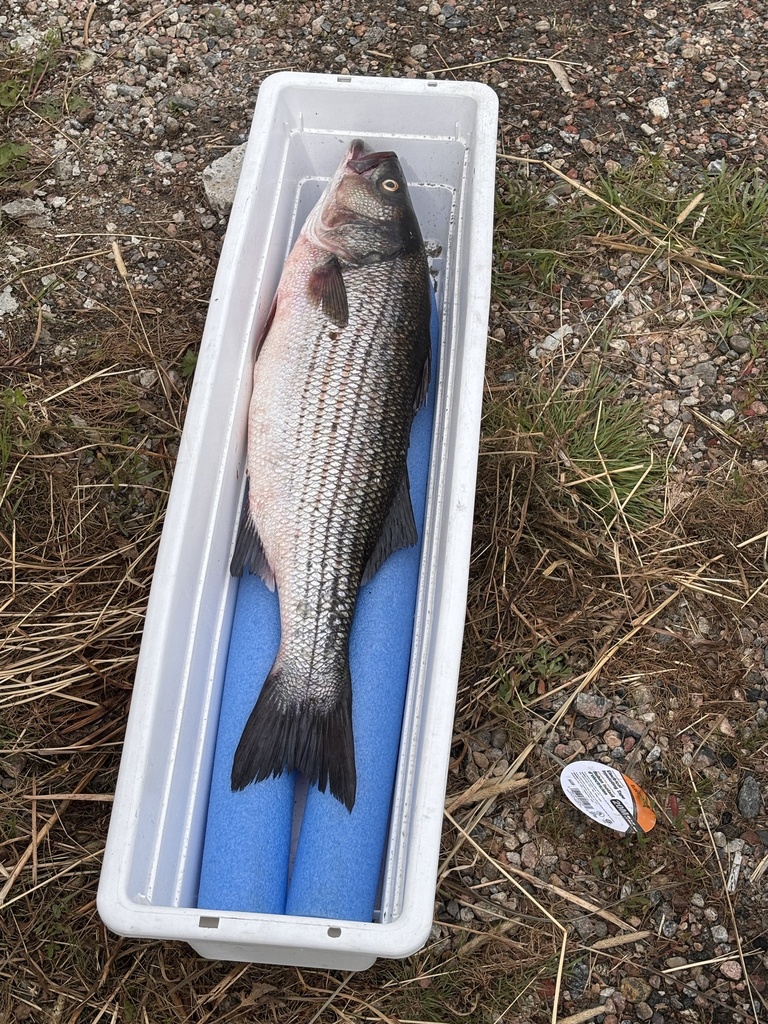
For over two decades, I’ve chased these magnificent anadromous predators across continents, from the Atlantic surf to the calm estuaries, and few fish offer such a thrilling combination of strength, cunning, and sheer beauty. Striped Bass, or "stripers" as they're affectionately known, are a quintessential sportfish, celebrated for their aggressive strikes and powerful fights. Whether you're a seasoned pro or just starting your angling journey, the pursuit of these striped titans promises unforgettable moments. Primarily found along the Atlantic coast of North America, with significant populations from the Canadian Maritimes down to the Carolinas, and even established on the Pacific coast, the spring and fall migrations offer prime opportunities to intercept these incredible fish as they move between their spawning grounds and feeding territories. Get ready to dive into the world of Striped Bass – it's an adventure you won't soon forget.
When to Go (Best Seasons and Times)
Timing is everything when it comes to Striped Bass, as their movements are heavily dictated by water temperature and baitfish migrations. Understanding their seasonal patterns will dramatically increase your chances of success.
- Spring Run (Late March - Early June): This is prime time on the Atlantic coast. As water temperatures climb into the 50s and 60s Fahrenheit, stripers emerge from their wintering grounds and begin their northward migration, often heading to spawn in brackish rivers like the Chesapeake Bay tributaries, Hudson River, and Delaware River. They are hungry after winter and aggressively feed on herring, bunker (menhaden), and other baitfish. This period offers incredible opportunities for larger "cow" stripers.
- Summer (June - September): During the warmer months, stripers tend to move into cooler, deeper waters or concentrate around areas with strong currents and structure, like inlets, jetties, and reefs, where baitfish are plentiful. Night fishing often becomes highly effective as the bass move into the shallows to feed under the cover of darkness. In some northern areas like Maine and Nova Scotia, they remain active in the cooler coastal waters.
- Fall Run (September - December): As water temperatures drop and baitfish begin their southward migration, the Striped Bass follow suit. This "fall run" can be just as, if not more, spectacular than the spring run, with massive schools of bass chasing bait down the coast. It’s a period of intense feeding as they bulk up for winter, making them very aggressive and willing to strike a wide variety of lures and baits.
Best Times of Day: * Dawn and Dusk: These low-light periods are universally productive for Striped Bass. They are ambush predators and use the reduced visibility to their advantage. * Tide Changes: Moving water is crucial. The hour leading up to and the hour after a tide change (both high and low) often concentrate bait and activate feeding instincts. Strong currents around inlets and rips are particularly effective. * Night: Especially in summer, but also during other seasons, night fishing can be incredibly rewarding, particularly for larger fish that become more confident feeding in the dark.
Weather Patterns: * Overcast Days: Often better than bright, sunny days, as stripers prefer lower light conditions. * Approaching Storms: The period just before a storm front moves in can trigger a feeding frenzy. Be mindful of safety, but don't shy away from unsettled weather. * Light Rain: Can often be excellent, as it breaks up the surface tension and makes fish less wary.
Where to fish (Top Locations)
The Atlantic Coast of the United States offers an incredible array of Striped Bass fishing opportunities. Here are some top spots, emphasizing public access:
- Chesapeake Bay (Maryland/Virginia): The largest estuary in the US and a critical spawning ground. Miles of public access shorelines, piers, and boat ramps. Target the Bay Bridge pilings, various reefs, and the mouths of tributaries like the Susquehanna and Potomac Rivers. Excellent for both boat and shore anglers.
- Cape Cod Canal (Massachusetts): A world-famous land-based Striped Bass fishery. Public access along its entire length. Strong currents funnel baitfish and stripers through this narrow waterway. Famous for large fish caught from shore with heavy tackle and large plugs.
- Long Island Sound (New York/Connecticut): A vast body of water offering diverse habitats, from shallow flats to deep channels and rocky reefs. Numerous state parks, town beaches, and boat launches provide public access. Target rocky points, estuaries, and mussel beds.
- Delaware Bay (Delaware/New Jersey): Another vital spawning ground and migration corridor. Access points along both the Delaware and New Jersey sides. Productive around inlets, jetties, and the main channel. Known for both bait and lure fishing.
- Outer Banks (North Carolina): While further south, the Outer Banks offers fantastic surf fishing opportunities, especially during the fall run when large schools of stripers move down the coast. Access through various national seashore points and public beaches.
- Narragansett Bay (Rhode Island): Offers a mix of shallow flats, rocky shorelines, and structure. Excellent public access from numerous state parks and fishing piers. A great spot for both boat and kayak anglers, as well as shore-based fishing.
International Opportunities: While the US East Coast is the epicenter, Striped Bass are also found in significant numbers in Atlantic Canada (e.g., Nova Scotia, New Brunswick) and have been introduced to the Pacific Coast (e.g., San Francisco Bay in California), and even in some European waters (though less common and often considered an invasive species there). However, for a truly world-class experience, the US Atlantic seaboard remains unparalleled.
How to fish (Proven Techniques)
Striped Bass are opportunistic feeders, making them susceptible to a variety of techniques. Here’s a breakdown, from beginner-friendly to more advanced.
For Beginners: Bait Fishing
- Choose Your Bait:
- Clams: Excellent in surf and calmer waters. Use fresh, shucked clams.
- Bunker (Menhaden): Cut into chunks (cut bait) or fished whole. A top choice for larger fish.
- Eels: Live eels are deadly, especially at night around rocky structure.
- Worms: Bloodworms or sandworms are effective in estuaries and shallower water, particularly for smaller fish.
- Rigging:
- Fish Finder Rig: Ideal for surf and bottom fishing. Slide an egg sinker or pyramid sinker onto your main line, tie on a swivel, then attach a 1-3 foot leader of monofilament or fluorocarbon (30-50 lb test) with a 5/0-8/0 circle hook. This allows the fish to take the bait without feeling the weight of the sinker.
- Slip Float Rig: For fishing live bait (like eels or bunker) at a specific depth. Attach a slip float to your main line, then a bead, then a small weight, then a swivel, leader, and hook.
- Casting & Waiting: Cast your baited rig into likely holding areas (current seams, drop-offs, structure). Engage your reel and wait for a bite. With circle hooks, resist the urge to set the hook hard; simply reel steadily when you feel the fish.
- Patience: Bait fishing often requires patience, but it's a highly effective way to catch Striped Bass of all sizes.
Advanced Techniques: Lure Fishing
- Topwater Plugs (Poppers, Walk-the-Dog lures):
- When: Dawn, dusk, or when stripers are actively feeding on the surface.
- How: Cast near structure or bait schools. Retrieve with a walk-the-dog action (side-to-side sashay) or by popping the lure to create splashes. The visual strike is exhilarating!
- Soft Plastics (Paddle Tails, Shads):
- When: Versatile for most conditions, especially when fish are deeper or less aggressive.
- How: Rig on a jig head (1/2 oz to 3 oz, depending on current and depth). Cast and retrieve with a steady retrieve, or a jigging motion (lift-fall) to imitate a wounded baitfish.
- Jigs (Bucktails, Metal Jigs):
- When: Excellent for fishing in strong currents, deeper water, or when fish are feeding on smaller bait.
- How: Cast out and let the jig sink to the desired depth. Work it back with sharp jerks and pauses, allowing it to flutter and imitate fleeing baitfish. Bucktails tipped with a plastic trailer can be deadly.
- Plugs (Minnow Plugs, Swimmers):
- When: Mimic larger baitfish. Effective when stripers are keyed in on herring or bunker.
- How: Cast out and retrieve steadily. Some plugs are designed to dive, others to swim just below the surface. Vary your retrieve speed until you find what triggers strikes.
Who to Go With (Guides, Groups, or Solo)
Deciding whether to go with a guide, a group, or solo depends on your experience level, budget, and desired learning curve.
- Guided Trips (Charter Boats):
- Pros: Best option for beginners. Guides provide all the necessary gear, know the local waters intimately, understand fish patterns, and can teach you techniques firsthand. They significantly increase your chances of success.
- Cons: Most expensive option.
- Cost Context (US): Expect to pay anywhere from $500 - $1000+ for a half-day or full-day private charter for 1-4 people on the US East Coast. "Open boat" or "head boat" trips, where you pay per person, are more affordable, typically $75-$150 per person, but offer less personalized attention.
- Fishing with Experienced Friends/Groups:
- Pros: A fantastic way to learn without the high cost of a guide. You can share knowledge, gear, and experiences.
- Cons: Relies on the expertise of your companions. May not be suitable if no one in your group is experienced.
- Solo DIY:
- Pros: Most independent and cost-effective once you have your gear. Offers the satisfaction of finding and catching fish on your own terms.
- Cons: Steeper learning curve, especially in new waters. Requires more research and self-reliance. Safety is paramount when fishing alone, especially from shore or a small craft.
For international Striped Bass opportunities (e.g., Canadian Maritimes), reputable outfitters in coastal towns are your best bet. Always check their credentials and reviews.
Essential Gear Recommendations
Having the right tackle is crucial for Striped Bass, which can range from small "schoolies" to powerful 50-pound-plus fish.
- Rods & Reels:
- Medium-Heavy Spinning Setup (All-around):
- Rod: 7-9 foot, medium-heavy power, fast action rod Penn Battle III Spinning Rod → Shop on Amazon
- Reel: 5000-6000 series spinning reel with a strong drag (20+ lbs) Shimano Saragosa SW A Spinning Reel → Shop on Amazon
- Line: 30-50 lb braided line PowerPro Spectra Braided Line → Shop on Amazon with a 30-50 lb fluorocarbon leader.
- Heavy Spinning Setup (Surf/Big Fish):
- Rod: 10-12 foot, heavy power, moderate-fast action surf rod St. Croix Mojo Surf Spinning Rod → Shop on Amazon
- Reel: 8000-10000 series spinning reel Daiwa BG Spinning Reel → Shop on Amazon
- Line: 50-65 lb braided line with a 50-80 lb fluorocarbon leader.
- Medium-Heavy Spinning Setup (All-around):
- Lures & Baits:
- Topwater Plugs: 6-8 inch poppers and walk-the-dog lures Heddon Super Spook, Tsunami Talkin Popper → Shop on Amazon
- Soft Plastics: 6-9 inch paddle tail swimbaits (e.g., Keitech Swing Impact FAT, Z-Man HeroZ) on 1/2 oz - 2 oz jig heads Aorace Jig Heads → Shop on Amazon
- Bucktail Jigs: 1 oz - 3 oz with white, chartreuse, or black trailers SPRO Prime Bucktail Jigs → Shop on Amazon
- Minnow Plugs/Swimmers: 6-10 inch diving or shallow-running models Bomber Long A, SP Minnow → Shop on Amazon
- Live/Cut Bait: Circle hooks (5/0-8/0), swivels, and sinkers (pyramid, egg, bank) Gamakatsu Octopus Circle Hooks → Shop on Amazon
- Terminal Tackle:
- Fluorocarbon Leader Material (30-80 lb test)
- Heavy-duty barrel swivels
- Snap swivels (for quick lure changes)
- Split rings and pliers (for changing hooks on lures)
- Accessories:
- Pliers/Forceps: For hook removal and cutting line Booms Fishing Pliers → Shop on Amazon
- Lip Gripper/Boga Grip: Essential for handling large fish safely BogaGrip → Shop on Amazon
- Headlamp: For night fishing or early mornings Black Diamond Spot Headlamp → Shop on Amazon
- Fishing Vest/Backpack: To carry tackle and essentials Simms Waypoints Backpack → Shop on Amazon
- Waders & Boots: For wading in the surf or shallow estuaries Frogg Toggs Canyon II Waders → Shop on Amazon
- Cooler: For keeping bait fresh and fish (if keeping) Yeti Tundra 45 Cooler → Shop on Amazon
- First Aid Kit: Always a good idea.
- Budget-Friendly Alternatives: Many reputable brands offer excellent entry-level combos (rod and reel) that are perfectly capable of catching Striped Bass. Look for brands like Ugly Stik, Penn Fierce, or Daiwa Revros. Instead of buying every lure, start with a few versatile options like bucktail jigs, a paddle tail swimbait, and a topwater plug.
Expected Costs (Full Setup vs. Budget Version)
The cost of getting into Striped Bass fishing can vary widely based on your dedication and budget. Here’s a realistic breakdown in USD:
Full Setup (High-Quality, Durable Gear): * Rod & Reel Combo (Medium-Heavy): $300 - $600+ * Surf Rod & Reel Combo (Heavy): $400 - $800+ * Braided Line (2 spools): $50 - $100 * Fluorocarbon Leader: $20 - $40 * Assorted Lures (10-15 quality pieces): $150 - $300 * Terminal Tackle (Hooks, Swivels, Sinkers): $50 - $100 * Pliers, Lip Gripper, Headlamp: $100 - $200 * Waders & Boots: $200 - $400 * Fishing License (Annual, state-specific): $20 - $60 * Total for a well-rounded setup: $1,300 - $2,500+
Budget-Friendly Version (Getting Started): * Rod & Reel Combo (Entry-Level, Medium-Heavy): $100 - $200 * Braided Line (1 spool): $25 - $50 * Fluorocarbon Leader: $10 - $20 * Assorted Lures (3-5 versatile pieces): $50 - $100 * Terminal Tackle (Basic Hooks, Swivels, Sinkers): $20 - $40 * Pliers & Headlamp (Basic): $30 - $60 * Fishing License (Annual, state-specific): $20 - $60 * Total for a functional starter setup: $255 - $530+
Remember, these costs are estimates. Bait, gas, and other incidentals will add to your expenses. Always advise readers to check current fishing license fees with their relevant state fish and wildlife agency, as these can change annually.
Regulations and Conservation
Striped Bass populations have faced challenges over the years, making responsible angling and adherence to regulations paramount for their sustainability.
- Regulatory Authority: In the United States, Striped Bass management is a collaborative effort. The Atlantic States Marine Fisheries Commission (ASMFC) develops coastwide management plans, but individual states (e.g., Maryland Department of Natural Resources (DNR), Massachusetts Division of Marine Fisheries (DMF), New York Department of Environmental Conservation (DEC), Virginia Marine Resources Commission (VMRC)) are responsible for implementing and enforcing specific regulations within their waters.
- Key Regulations:
- Size Limits (Slot Limits): Many states employ "slot limits," meaning you can only keep fish within a specific size range (e.g., 28-31 inches). This protects both juvenile fish and large, breeding-size females.
- Bag Limits: The number of fish you can keep per day (e.g., 1 fish per person per day).
- Season Dates: Specific periods when fishing is open or closed, particularly during spawning or wintering periods.
- Gear Restrictions: Certain types of gear may be prohibited (e.g., treble hooks when using bait in some areas).
- Circle Hook Requirement: Increasingly, states require the use of circle hooks when fishing with natural bait to reduce gut-hooking and improve survival rates for released fish.
- Conservation Status: Striped Bass stocks are monitored closely by the ASMFC. While populations have fluctuated, recent stock assessments have indicated concerns, leading to more restrictive regulations in many areas.
- Importance of Checking Current Regulations: It is absolutely critical to always check the most current regulations with the specific state fish and wildlife agency for the waters you plan to fish before heading out. Regulations can change frequently based on stock assessments and management goals. Ignorance of the law is no excuse. Practice catch and release, especially for large breeding females, to help ensure healthy populations for future generations.
Pro Tips and Common Mistakes to Avoid
Even after decades on the water, there’s always something new to learn about Striped Bass. Here are some pro tips and common beginner mistakes to help you on your journey:
Pro Tips:
- "Read the Water": Look for signs of life – diving birds, baitfish showering, surface disturbances. These are often indicators of feeding Striped Bass.
- Match the Hatch: Pay attention to what the stripers are feeding on. If they're busting on small baitfish, use smaller lures. If it's big bunker, throw larger plugs or cut bait.
- Fish the Tides, Not Just the Time: Understand how the current affects bait movement and where stripers position themselves to ambush. The hour before and after a tide change is often prime.
- Vary Your Retrieve: Don't just cast and reel. Experiment with different speeds, pauses, twitches, and jerks until you find what triggers a strike.
- Stealth is Key: Especially in shallow water or calm conditions, approaching quietly, making long casts, and using fluorocarbon leaders can make a huge difference.
- Sharpen Your Hooks: A dull hook will cost you fish. Check and sharpen hooks regularly.
- Fish Structure: Stripers love structure – rocks, jetties, bridge pilings, wrecks, drop-offs. These areas provide ambush points and hold bait.
Common Mistakes to Avoid:
- Underestimating Their Power: Stripers are strong. Using inadequate tackle (too light a rod, weak line, small reel) will lead to broken lines and lost fish.
- Not Using a Leader: Braided line is highly visible underwater. A fluorocarbon leader is crucial for stealth and abrasion resistance.
- Ignoring the Night Bite: Many anglers pack up at sunset, missing out on some of the best fishing, especially for larger stripers, which are more active after dark.
- Giving Up Too Soon: Striped Bass can be finicky. Persistence pays off. If one spot isn't working, move to another, or try a different lure/bait.
- Improper Fish Handling: If you plan to release fish, handle them gently. Use a lip gripper, keep them in the water as much as possible, and revive them fully before release. Avoid dragging them on rocks or sand.
- Not Checking Regulations: This is a critical mistake. Always know your local size, bag, and gear limits to avoid fines and contribute to conservation.
Conclusion
Chasing Striped Bass is more than just fishing; it's an immersive experience that connects you to the raw power of the ocean and the thrill of the hunt. From the electrifying surface strikes to the drag-screaming runs, these magnificent fish offer a challenge and a reward that keeps us coming back season after season. Whether you're casting lures into a boiling blitz, patiently soaking bait in an estuary, or battling a trophy in the surf, the pursuit of the striper is an adventure worth every early morning and late night.
So, gear up, hit the water, and embrace the challenge. The next time you feel that powerful tug on your line, you’ll know you’re part of a rich angling tradition. Tight lines, and may your next cast be met with the unmistakable thud of a hungry Striped Bass! Keep an eye out for our next post, where we'll dive into the tactical world of targeting trophy Speckled Trout in the coastal marshes!
As an Amazon Associate I earn from qualifying purchases at no extra cost to you. Links above are affiliate search links — prices may vary. Generated 2026-06-25