Catch Bluegill Like a Pro: Complete Fishing Guide
Introduction
Picture this: The sun is just kissing the horizon, painting the sky in hues of orange and purple. You’re perched quietly on the bank of a glassy pond, the air still and sweet with the scent of summer. Your ultralight rod is propped, the line taut, and a tiny bobber floats serenely on the water’s surface, a beacon of anticipation. Suddenly, it twitches. Once. Twice. Then, with a decisive plunge, it vanishes beneath the ripples! Heart pounding, you instinctively lift the rod, feeling the unmistakable tug of a fish on the other end. It’s not a monstrous lunker, but it fights with the spirit of a heavyweight, darting and pulling, bending your light rod into a beautiful arc. This, my friends, is the pure, unadulterated joy of catching a Bluegill.
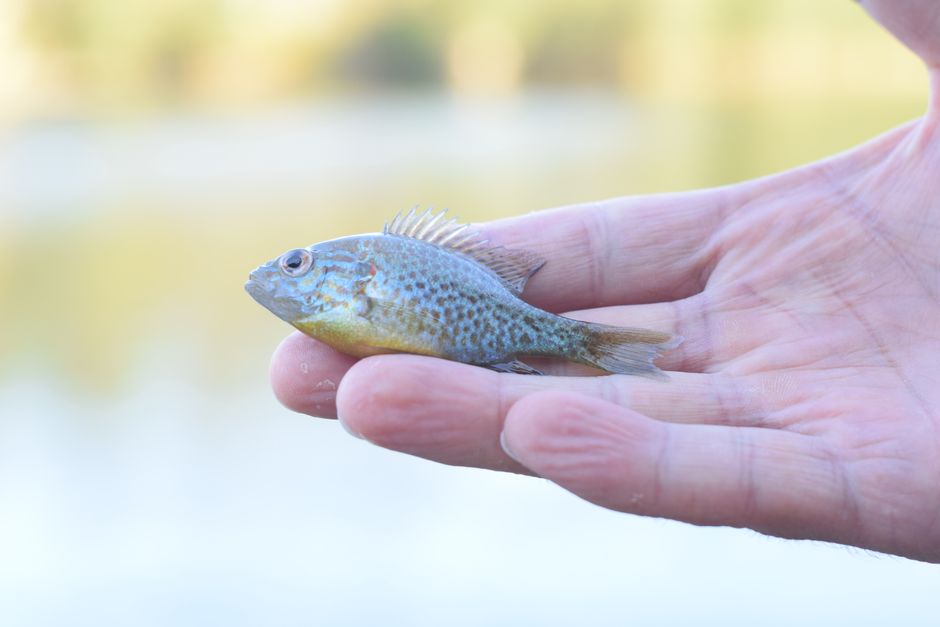
Bluegill, often called "bream" or "sunfish" in many regions, are the unsung heroes of freshwater angling. They might not grace the covers of magazines like their bass or trout cousins, but they offer an accessible, exhilarating, and deeply rewarding experience for anglers of all ages and skill levels. From their vibrant colors – iridescent blues, greens, and yellows – to their feisty fighting spirit on light tackle, Bluegill are a true delight. They’re abundant, found in virtually every warm-water system across the United States, and provide fantastic table fare to boot. Whether you're introducing a child to the magic of fishing, honing your ultralight skills, or just seeking a peaceful day on the water with consistent action, the humble Bluegill promises an unforgettable adventure.
When to Go (Best Seasons and Times)
Bluegill are warm-water fish, meaning their activity levels are intrinsically linked to water temperature. Understanding their seasonal movements and daily habits is key to consistent success.
- Spring (Pre-Spawn & Spawn): This is arguably the absolute best time to target Bluegill. As water temperatures climb into the 60s Fahrenheit (15-20°C), typically from late April through June in most US regions, Bluegill move into shallow, protected areas to spawn. They congregate in large numbers, often creating visible "beds" – circular depressions on the bottom. During this period, they are incredibly aggressive and easy to locate, making for fast and furious action. Look for them in depths of 1-5 feet.
- Summer (Post-Spawn & Mid-Summer): While not as concentrated as during the spawn, Bluegill remain active throughout the summer. After spawning, they'll disperse slightly but still hold near structure in shallower water during cooler parts of the day. As temperatures peak in mid-summer, they might retreat to slightly deeper water (5-15 feet) or seek shade under docks, lily pads, and submerged timber during the brightest parts of the day. Early mornings and late evenings offer the most consistent bites.
- Fall: As water temperatures begin to cool in September and October, Bluegill will often have a resurgence of feeding activity as they prepare for winter. They can be found in similar locations to late summer, often schooling up in slightly deeper water adjacent to drop-offs or weed lines. This can be another excellent time for good catches, especially on sunny, mild days.
- Winter: Bluegill activity slows considerably in winter as they become lethargic and move to deeper, warmer water. While they can still be caught, it requires more patience and finesse, often through ice fishing in northern states.
Best Times of Day: Generally, the most productive times are early morning (dawn to mid-morning) and late afternoon/evening (late afternoon until dusk). During these periods, light levels are lower, and temperatures are more comfortable, making Bluegill more inclined to feed actively in shallower water. On overcast or rainy days, they might bite consistently throughout the day.
Weather Patterns: Stable, warm weather patterns are ideal. A sudden cold front can shut down the bite, pushing fish deeper and making them less aggressive. Look for days with light breezes, which can create a ripple on the water, breaking up the surface and making fish feel more secure.
Where to fish (Top Locations)
Bluegill are incredibly widespread and adaptable, making them accessible to almost any angler. They thrive in calm, warm waters with plenty of aquatic vegetation, submerged structure, and a healthy insect population.
- Local Ponds and Small Lakes: Your local city, county, or state parks often feature ponds teeming with Bluegill. These are fantastic for beginners and families, offering easy access from shore or small boats. Look for areas with lily pads, cattails, or fallen trees.
- State Wildlife Management Areas (WMAs) and Public Fishing Lakes: Many state fish and wildlife agencies manage dedicated public fishing lakes and ponds within WMAs. These are regularly stocked and maintained, providing excellent opportunities. Check your state's fish and wildlife website for maps and access points.
- Slow-Moving Rivers and Creeks: Bluegill can be found in the calmer backwaters, oxbows, and eddies of larger rivers, especially where there's dense vegetation or submerged wood. They prefer areas with less current.
- Canals and Ditches: Agricultural canals and drainage ditches, particularly those with stable water levels and good vegetation, can hold surprisingly large numbers of Bluegill. These often offer easy bank access.
- Boat Docks and Piers: Both public and private docks provide excellent cover and shade for Bluegill. Fish around the pilings and under the docks, especially on sunny days. Many public parks offer fishing piers perfect for beginners.
- Brush Piles and Submerged Timber: Any kind of sunken wood, whether it's a natural brush pile or an old sunken tree, creates an ideal ambush point and sanctuary for Bluegill. These are often hotspots.
While Bluegill are primarily a North American native, they have been introduced to various parts of the world, including Europe and Asia, where they offer similar angling opportunities in ponds and slow-moving waters. However, for most anglers, the best opportunities remain in the vast network of freshwater systems across the United States.
How to fish (Proven Techniques)
Bluegill are not particularly picky, but a few proven techniques will maximize your success.
Step-by-Step for Beginners: Bobber and Bait
This classic method is simple, effective, and incredibly fun, especially for kids.
- Assemble Your Rig:
- Tie a small hook (size #8 to #10 is ideal) to the end of your fishing line.
- Attach one or two small split shot sinkers about 6-12 inches above the hook.
- Clip a small bobber (preferably a slip bobber for versatility) about 1-3 feet above the split shot. Adjust depth based on where you see fish or structure.
- Bait Your Hook: Thread a small piece of live bait onto the hook.
- Worms: A small piece of nightcrawler or a whole red worm.
- Crickets/Grasshoppers: Hook them lightly through the thorax.
- Maggots/Mealworms: Put 2-3 on the hook.
- Cast It Out: Gently cast your baited rig near structure (lily pads, submerged logs, docks) or into open water where you suspect Bluegill are holding.
- Watch the Bobber: Let your bait sink and the bobber float. Bluegill bites are often subtle at first – a slight twitch, a gentle dip.
- Set the Hook: When the bobber makes a decisive dive or moves horizontally, count "one Mississippi," then gently lift your rod tip to set the hook. No need for a powerful jerk; a firm, smooth lift is enough.
- Reel 'Em In: Enjoy the fight! Bluegill are feisty on light tackle. Keep steady pressure and reel them in.
Advanced Tips:
- Ultralight Jigging: Use tiny jigs (1/32 to 1/16 oz) tipped with a small plastic grub, tube, or a piece of Berkley Gulp! Alive! Waxies. Cast out and retrieve with a slow, twitching motion, allowing the jig to fall and rise. This is incredibly effective for active fish.
- Fly Fishing: For a true challenge and immense satisfaction, target Bluegill with a fly rod.
- Dry Flies/Poppers: Use small foam poppers, deer hair bugs, or even tiny dry flies like an Adams or a tiny beetle imitation on the surface, especially in calmer waters during evenings.
- Nymphs/Wet Flies: Small nymphs (e.g., Prince Nymph, Hare's Ear) or wet flies fished under an indicator or with a slow retrieve can be deadly when fish are deeper.
- Small Spinners: Tiny inline spinners (e.g., Mepps Aglia #0 or #1, Panther Martin) can be very effective, especially for larger Bluegill. Cast and retrieve at a steady, slow pace, allowing the blade to flash and vibrate.
Who to Go With (Guides, Groups, or Solo)
Bluegill fishing offers incredible flexibility, making it perfect for any social preference.
- Solo Adventures: Bluegill fishing is perhaps one of the most rewarding solo fishing experiences. It requires minimal gear, allows for quiet contemplation, and provides consistent action without the need for specialized knowledge of complex patterns. It's a fantastic way to unwind and connect with nature.
- Family and Friends: This is where Bluegill truly shine! They are the ultimate "gateway fish" for introducing children or new anglers to the sport. The frequent bites keep excitement levels high, preventing boredom. A simple bobber and worm setup is all you need for a memorable day with loved ones.
- Guided Trips: While specific Bluegill-only guided trips are less common than for species like bass or trout, many general panfish or multi-species guides will gladly put you on Bluegill, especially if you're looking for a relaxed, high-action day. This can be a great option if you're visiting a new area and want to learn the local hot spots and techniques quickly. Expect costs for a half-day panfish guide to range from $250-$400 USD, often covering 1-2 anglers. It's a worthwhile investment if you're looking to gain local knowledge or simply enjoy a hassle-free day.
Essential Gear Recommendations
You don't need a lot of fancy equipment to catch Bluegill, but having the right tools will make your experience more enjoyable and successful.
- Rod & Reel Combo:
- Must-Have: An ultralight or light action spinning rod (4-6 feet long) paired with a small spinning reel (500-1000 size). This setup makes even small Bluegill feel like titans.
- Shimano Sienna 1000 Spinning Combo → Shop on Amazon
- Budget-Friendly: Any basic kids' fishing combo or a simple spincast rod and reel will work perfectly. Look for combos under $30.
- Zebco 33 Spincast Combo → Shop on Amazon
- Must-Have: An ultralight or light action spinning rod (4-6 feet long) paired with a small spinning reel (500-1000 size). This setup makes even small Bluegill feel like titans.
- Fishing Line:
- Must-Have: 4-6 lb test monofilament line. It's affordable, easy to tie, and has enough stretch for Bluegill's subtle bites.
- Stren Original Monofilament Line → Shop on Amazon
- Must-Have: 4-6 lb test monofilament line. It's affordable, easy to tie, and has enough stretch for Bluegill's subtle bites.
- Terminal Tackle:
- Hooks: Small, sharp hooks are crucial. Size #8 to #10 bait holder or Aberdeen hooks are ideal.
- Eagle Claw Baitholder Hooks Assortment → Shop on Amazon
- Bobbers: Small clip-on bobbers or slip bobbers (for fishing deeper).
- Thill Slip Bobber Assortment → Shop on Amazon
- Split Shot: Small, removable split shot sinkers to get your bait down.
- Water Gremlin Removable Split Shot → Shop on Amazon
- Hooks: Small, sharp hooks are crucial. Size #8 to #10 bait holder or Aberdeen hooks are ideal.
- Bait:
- Live Bait (Highly Recommended):
- Worms (red worms, nightcrawler pieces)
- Crickets
- Mealworms or wax worms
- Artificial Lures:
- Micro Jigs (1/32 – 1/16 oz) with small plastic grubs or tubes.
- Small Inline Spinners (size #0 or #1).
- Small Poppers or Nymphs (for fly fishing).
- Live Bait (Highly Recommended):
- Accessories:
- Small Tackle Box: To keep your hooks, sinkers, and bobbers organized.
- Plano 3500 Tackle Box → Shop on Amazon
- Pliers/Forceps: For hook removal, especially from smaller fish.
- Rapala 6.5-inch Fisherman's Pliers → Shop on Amazon
- Stringer or Cooler: If you plan to keep fish for dinner.
- Sunscreen, Hat, Sunglasses: Essential for any day outdoors.
- Bug Spray: Depending on the season and location.
- Small Tackle Box: To keep your hooks, sinkers, and bobbers organized.
Expected Costs (Full Setup vs. Budget Version)
Bluegill fishing is one of the most budget-friendly ways to get into angling, making it accessible to almost anyone.
Budget-Friendly Starter Setup (Approx. $30 - $70 USD): This will get you on the water quickly and effectively. * Rod & Reel Combo: Basic spincast or spinning combo (e.g., Zebco 33 or similar) - $20 - $40 * Fishing Line: Small spool of monofilament - $5 - $8 * Terminal Tackle: Pack of hooks, bobbers, split shot - $5 - $10 * Bait: Pack of worms or crickets from a bait shop - $3 - $5 * Total: ~$33 - $63 USD
Fuller, More Versatile Setup (Approx. $100 - $200 USD): This setup provides better quality, durability, and a more refined fishing experience. * Ultralight Spinning Rod & Reel Combo: Higher quality ultralight combo (e.g., Shimano Sienna, Daiwa Presso) - $60 - $120 * Fishing Line: Quality monofilament or fluorocarbon line - $10 - $15 * Terminal Tackle: Assorted hooks, slip bobbers, various split shot, small jigs, a few micro-plastics - $20 - $40 * Bait: Live bait + a few packs of artificial grubs/worms - $10 - $20 * Small Tackle Box & Pliers: $15 - $25 * Total: ~$115 - $220 USD
Fishing License: This is a mandatory cost for almost all anglers in the United States. Licenses are issued by individual state fish and wildlife agencies. * Annual Resident Fishing License: Typically ranges from $20 - $50 USD. * Annual Non-Resident Fishing License: Can be significantly higher, from $50 - $150+ USD. * Short-Term (1-Day, 3-Day, 7-Day) Licenses: Often available for $10 - $30 USD.
Important Note: Always advise readers to check current regulations with the appropriate authority before going out. License fees, regulations, and fishing seasons can change annually. Visit your specific state's fish and wildlife agency website (e.g., California Department of Fish and Wildlife, Texas Parks & Wildlife, Florida Fish and Wildlife Conservation Commission) for the most up-to-date information.
Regulations and Conservation
Regulations for Bluegill are generally less restrictive than for many other game fish species, reflecting their widespread abundance and robust populations. However, understanding and adhering to local rules is crucial for responsible angling and ensuring healthy fisheries for the future.
Regulatory Authority: In the United States, fishing regulations are set and enforced by individual state fish and wildlife agencies (e.g., your state's Department of Natural Resources, Fish and Game, or Parks and Wildlife Department). These agencies manage fish populations, habitat, and angler access.
Key Regulatory Considerations: * Fishing License: As mentioned, a valid state fishing license is almost always required for anyone aged 16 or older (age may vary by state). Some states offer free fishing days or specific exemptions, so check. * Bag Limits: Many states have generous daily bag limits for Bluegill and other panfish, often 25-50 fish per person, or sometimes no limit at all due to their prolific nature. Some specific water bodies might have reduced limits. * Size Limits: Size limits for Bluegill are rare, but occasionally a specific lake might implement a minimum or slot limit to protect larger "trophy" fish. * Method of Take: General regulations apply regarding the number of rods, legal baits, and lure types. Bluegill are typically caught by hook and line, and most standard baits and lures are permitted. * Special Regulations: Always be aware that certain lakes, rivers, or specific areas might have unique regulations that differ from statewide rules. These are usually posted at access points or detailed in the state's fishing guide.
Conservation: Bluegill are not considered an endangered or threatened species. Their populations are generally healthy and self-sustaining across their native range. However, responsible angling practices are still vital: * Catch and Release: While Bluegill are excellent table fare, consider practicing catch and release for larger specimens, especially those 8 inches or longer. These larger fish are often the prime spawners and contribute significantly to the fishery's health. * Respect Bag Limits: Even if the limit is high, only keep what you will realistically eat. * Protect Habitat: Avoid littering, dispose of fishing line properly, and be mindful of aquatic vegetation and shoreline habitats. Healthy habitats mean healthy fish. * Report Violations: If you witness poaching or other illegal activities, report them to your state's wildlife enforcement agency.
Always check the most current fishing regulations for the specific body of water you intend to fish before you go out. These regulations are typically published annually by your state's fish and wildlife agency and are available online or at tackle shops.
Pro Tips and Common Mistakes to Avoid
Even for a seemingly simple species like Bluegill, a few insider tips can dramatically improve your success, and avoiding common pitfalls will save you frustration.
Pro Tips:
- Go Small, Go Subtle: Bluegill have small mouths. Use the smallest hooks (#8-#10) and the smallest baits you can get away with. A tiny piece of worm is often better than a big chunk.
- Vary Your Depth: If you're not getting bites, try adjusting your bobber depth. Bluegill might be cruising just under the surface, suspended in the middle, or hugging the bottom.
- Be Stealthy: Bluegill are easily spooked, especially in shallow, clear water. Approach the bank quietly, avoid heavy footsteps, and cast gently. Wear natural colors.
- Fish the "Edges": Bluegill love cover. Target the edges of lily pads, weed lines, submerged brush, docks, and shaded areas. These are ambush points and safe havens.
- Try Different Baits: If worms aren't working, switch to crickets, mealworms, or a tiny artificial grub. Sometimes a change in scent or action is all it takes.
- Look for Beds (Spring): During the spawn, look for light-colored, circular depressions on the bottom in shallow areas. These are Bluegill beds, and fish will be thick around them.
- "Chum" Responsibly (Where Legal): A small handful of bread crumbs, corn (check regulations, as corn can be illegal in some areas), or crushed cereal can attract Bluegill to your spot. Use sparingly and ensure it's allowed.
Common Mistakes to Avoid:
- Using Too Heavy Tackle: A heavy rod, thick line, or large hook will result in fewer bites and less enjoyable fights. Bluegill can be surprisingly line-shy.
- Being Impatient: If you're not getting bites, don't just sit there. Move to a new spot, change your bait, or adjust your depth. Bluegill can be active in one area and absent in another just yards away.
- Ignoring Subtle Bites: Bluegill bites can be very light. Don't wait for the bobber to disappear entirely. If it twitches or dips even slightly, be ready to set the hook.
- Fishing in Open, Featureless Water: While Bluegill can be found anywhere, your best bet is always near some form of structure or cover.
- Not Checking Regulations: Assuming bluegill limits are always generous can lead to unintended violations. Always double-check local regulations for bag limits, size restrictions, and bait rules.
- Forgetting Sun Protection: Bluegill fishing often means spending hours in the sun. Sunscreen, a hat, and polarized sunglasses are non-negotiables.
Conclusion
From the heart-stopping moment a bobber dips to the satisfying sizzle of fresh fillets in a pan, fishing for Bluegill offers an unparalleled blend of excitement, accessibility, and delicious reward. They are the perfect quarry for beginners, a delightful challenge for ultralight enthusiasts, and a fantastic way to introduce the next generation to the joys of the outdoors. Their vibrant colors, tenacious fight, and widespread availability make them a truly special fish that embodies the pure fun of angling.
So, what are you waiting for? Grab an ultralight rod, a handful of worms, and head to your nearest pond or lake. The thrill of that dancing bobber and the feisty tug of a Bluegill await. Get out there, explore, and create some unforgettable fishing memories. Tight lines, and we'll see you on the water!
Next time, we'll dive into the world of hunting for the elusive whitetail deer – a completely different challenge, but equally rewarding!
As an Amazon Associate I earn from qualifying purchases at no extra cost to you. Links above are affiliate search links — prices may vary. Generated 2026-06-25