Hunt Elk Like a Pro: Complete Hunting Guide
Introduction
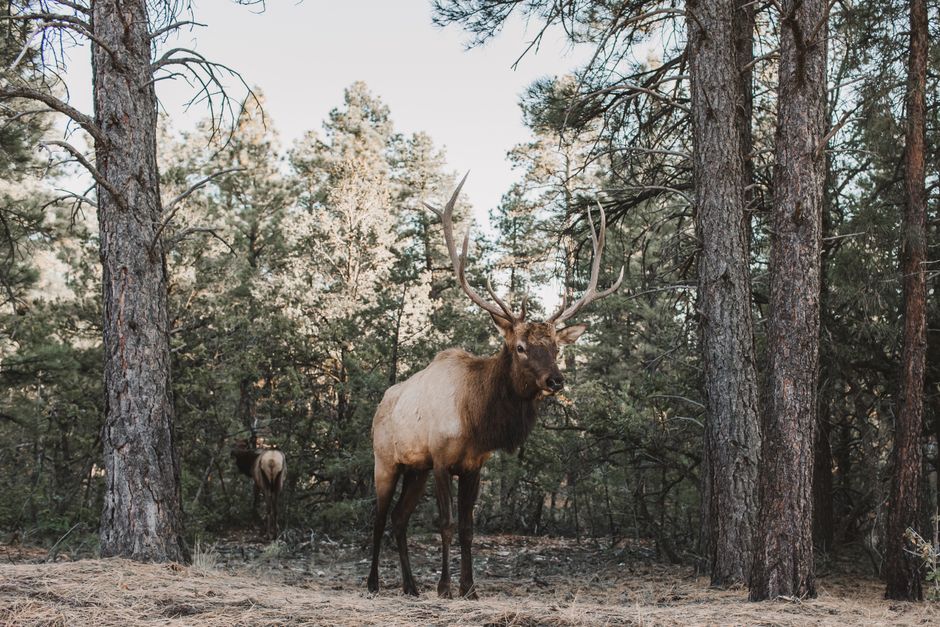
The crisp mountain air bites at your cheeks, carrying the scent of pine and damp earth. Suddenly, a primal bugle rips through the stillness – a guttural, challenging roar that echoes off the canyons and sends shivers down your spine. It's the sound of a bull elk, a monarch of the mountains, announcing his presence. Your heart pounds a frantic rhythm against your ribs, adrenaline coursing through every vein. This isn't just a hunt; it's an immersive wilderness experience, a dance with one of North America's most magnificent big game animals.
Hunting elk is a pursuit that challenges you physically and mentally, pushing you to new limits in some of the most breathtaking landscapes on Earth. From the high-altitude forests of the Rocky Mountains to the dense timber pockets of the Pacific Northwest, pursuing these majestic creatures in autumn is an adventure unlike any other. Whether you're drawn by the thrill of the chase, the challenge of fair chase hunting, or the unmatched quality of wild game meat, elk hunting offers a profound connection to nature and a deeply rewarding experience. Get ready to embark on an unforgettable journey into the world of elk.
When to Go (Best Seasons and Times)
Timing is everything when it comes to elk hunting, and understanding their seasonal patterns is key to success.
- Archery Season (Late August - September): This is arguably the most exciting time to hunt elk, coinciding with the rut, or breeding season. Bull elk are highly vocal, bugling frequently to challenge rivals and attract cows. This makes them more responsive to calls, offering thrilling close-range encounters. The weather can be mild, but be prepared for sudden changes, especially at higher elevations.
- Muzzleloader Season (Often mid-September - early October): Muzzleloader seasons frequently overlap with the latter part of the archery rut, providing another excellent opportunity to encounter vocal bulls. The challenge of a single-shot muzzleloader adds an extra layer of skill and tradition to the hunt.
- Rifle Season (October - November): Rifle seasons typically begin after the peak of the rut, though some residual bugling can still occur. Elk are often moving into their wintering grounds, focusing on feeding. Early rifle seasons can still offer good weather, while later seasons often bring snow, which can concentrate elk and make tracking easier, but also introduces harsher conditions.
- Late Seasons (November - December): Some areas offer late-season hunts, often targeting cows or specific herds. These hunts can be very cold and physically demanding, but snow cover can make elk more visible and their travel patterns more predictable.
Best Times of Day: Elk are most active during dawn and dusk, when they move between feeding areas and bedding grounds. During the rut, bulls can be active throughout the day. In the colder rifle seasons, they might feed longer into the morning and start earlier in the afternoon. Mid-day often finds them bedded down in thick cover, but don't rule out finding them moving on cloudy days or during rain/snow.
Weather Patterns: Cold fronts and snow can trigger increased elk movement as they seek food or move to lower elevations. Post-rain periods can also be productive as the forest floor becomes quieter, allowing for stealthier approaches.
Where to hunt (Top Locations)
Elk are synonymous with the rugged beauty of the American West, offering vast public land opportunities. While our focus is primarily on the US, international opportunities exist in places like the Canadian Rockies and New Zealand.
- Colorado: Often considered the elk hunting capital, Colorado boasts the largest elk population in North America. Its vast national forests and BLM lands offer incredible public land access. Regions like the Flat Tops Wilderness, White River National Forest, and Gunnison National Forest are prime spots. Colorado utilizes a draw system for many units but also offers over-the-counter (OTC) tags for archery and some rifle seasons, making it a beginner-friendly option.
- Montana: "Big Sky Country" offers diverse terrain, from mountains to prairies, and a healthy elk population. The western part of the state, including areas like the Bitterroot National Forest and the Bob Marshall Wilderness Complex, are popular. Montana has a lottery system for non-resident tags, but opportunities exist.
- Idaho: With vast wilderness areas and a strong elk population, Idaho is a top destination. The Frank Church-River of No Return Wilderness, Selway-Bitterroot Wilderness, and the Clearwater National Forest are challenging but rewarding areas. Idaho offers a mix of general season tags and controlled hunts.
- Wyoming: Known for its iconic landscapes and trophy potential, Wyoming is a dream for many elk hunters. The Bighorn, Medicine Bow-Routt, and Shoshone National Forests are excellent areas. Wyoming tags are primarily obtained through a competitive draw system.
- Oregon: While often overshadowed by its Rocky Mountain neighbors, Oregon offers excellent elk hunting, particularly for Roosevelt elk in the coastal and Cascade ranges, and Rocky Mountain elk in the eastern part of the state. The Ochoco and Wallowa-Whitman National Forests are notable areas. Oregon uses a draw system.
- Arizona: Surprisingly, Arizona offers some of the largest bull elk in the world, though tags are extremely difficult to draw. Units in the White Mountains and the Mogollon Rim are highly sought after.
For beginners, focus on states with OTC opportunities or easier-to-draw tags, and consider areas with good road access rather than deep wilderness until you gain experience.
How to hunt (Proven Techniques)
Elk hunting demands a blend of physical stamina, mental fortitude, and a deep understanding of the animal.
Step-by-Step for Beginners:
- Pre-Season Scouting:
- Map Study: Use topographical maps, satellite imagery (Google Earth, OnX Hunt) to identify potential feeding areas (meadows, clearcuts), bedding areas (north-facing slopes, dense timber), water sources, and travel corridors (saddles, ridges).
- Boots on the Ground: Hike potential areas to look for fresh sign: tracks, droppings, rubs (where bulls rub antlers on trees), wallows (muddy depressions where bulls cool off and scent mark), and shed antlers. Set up trail cameras if allowed.
- Understanding Elk Behavior:
- Elk are herd animals. If you find one, more are usually nearby.
- They typically feed in open areas at dawn and dusk, then retreat to dense cover to bed down during the day.
- Wind direction is paramount. Elk have an incredible sense of smell. Always approach with the wind in your face.
- Calling:
- Cow Calls: Simple "mew" and "chirp" calls can attract curious cows and even bulls looking for receptive mates. This is often the safest bet for beginners.
- Bugling: During the rut, a bugle can challenge a bull or attract one looking for a fight. Be cautious, as an aggressive bull might come in fast. Practice various calls to sound realistic.
- Stalking and Approach:
- Move slowly and deliberately, pausing frequently to listen and scan.
- Use terrain and vegetation for cover.
- Avoid direct eye contact if you spot an elk at a distance; use peripheral vision.
- Minimize noise: wear quiet clothing, watch your footing.
- Shot Placement:
- Aim for the "boiler room" – the heart and lungs area, slightly behind the front shoulder. This offers the largest vital target.
- Wait for a clean, ethical shot. Never rush.
- Know your weapon's effective range and practice extensively.
- Field Dressing and Recovery:
- Once an elk is down, approach cautiously to ensure it's expired.
- Immediately begin field dressing to cool the meat.
- Mark the location and plan your extraction. Elk are large animals; you'll likely need to quarter them for packing out.
Advanced Tips:
- Glassing: Use high-quality binoculars or a spotting scope to systematically scan vast landscapes from a high vantage point at dawn and dusk. Let your optics do the walking before you do.
- Wind Management: Carry a small wind checker (like powder or milkweed seeds) and use it constantly. Elk will bust you every time if they smell you. Plan your approach routes based on prevailing winds.
- Physical Fitness: Elk hunting is incredibly demanding. Train with pack weights, hike steep terrain, and maintain cardiovascular health. The fitter you are, the more enjoyable and successful your hunt will be.
Who to Go With (Guides, Groups, or Solo)
Deciding how to hunt is as important as where and when.
- Guided Hunts:
- Pros: Guides have intimate knowledge of the area, elk behavior, and regulations. They handle logistics (camps, food, packing out meat) and significantly increase your chances of success, especially for beginners or those seeking a trophy.
- Cons: Costly. Expect to pay anywhere from $3,000 to $10,000+ for a quality guided hunt, depending on the outfitter, duration, and amenities.
- Recommendation: For international elk hunting (e.g., New Zealand red stag, Canadian Rockies), a reputable outfitter is almost essential due to logistics and licensing. For US hunts, consider a guide if it's your first time or if you're targeting a specific, hard-to-access area.
- Hunting Groups:
- Pros: Sharing the experience with friends or family can be incredibly rewarding. You can split costs, share duties (cooking, scouting), and have help with packing out an animal. Safety in numbers in the wilderness.
- Cons: Requires coordination, compromise, and clear communication within the group. Not everyone will have the same fitness level or hunting style.
- Recommendation: A great option for intermediate hunters looking to gain experience without the full cost of a guide.
- Solo Hunts:
- Pros: Ultimate freedom and self-reliance. You set your own pace, make all the decisions, and experience the wilderness on your own terms. Often the most budget-friendly if you have all your own gear.
- Cons: Increased safety risks. Packing out a large animal alone is extremely challenging and often requires multiple trips. Less help with scouting or logistics.
- Recommendation: Best for experienced hunters who are confident in their wilderness skills, navigation, and physical capabilities. Always inform someone of your exact hunting plan and expected return.
Essential Gear Recommendations
Having the right gear is crucial for comfort, safety, and success in the elk woods.
- Weapon System:
- Rifle: A .30-06 Springfield, .300 Win Mag, 7mm Rem Mag, or .308 Winchester are excellent choices. Browning X-Bolt Hunter → Shop on Amazon or Ruger American Rifle → Shop on Amazon for budget.
- Bow: A compound bow with a draw weight suitable for elk (60+ lbs) and sharp broadheads. Hoyt Ventum Pro 33 → Shop on Amazon or PSE Stinger ATK → Shop on Amazon for budget.
- Optics:
- Binoculars: 10x42 or 12x50 are ideal for scanning. Vortex Viper HD 10x42 → Shop on Amazon or Bushnell Engage 10x42 → Shop on Amazon for budget.
- Spotting Scope (Optional but Recommended): For long-range glassing in open country. Leupold SX-4 Pro Guide HD → Shop on Amazon
- Rangefinder: Essential for accurate shot placement. Leupold RX-1400i TBR/W → Shop on Amazon
- Clothing (Layering System):
- Base Layers: Moisture-wicking synthetics or merino wool. Kuiu Peloton 118 LS Crew → Shop on Amazon or Minus33 Merino Wool Base Layer → Shop on Amazon for budget.
- Mid Layers: Fleece or puffy jacket for insulation. Sitka Kelvin Lite Down Jacket → Shop on Amazon or Columbia Steens Mountain Fleece → Shop on Amazon for budget.
- Outer Shell: Waterproof, windproof jacket and pants. Gore-Tex Rain Gear → Shop on Amazon or Frogg Toggs Ultra-Lite Rain Suit → Shop on Amazon for budget.
- Hunting Boots: Sturdy, waterproof, broken-in boots with good ankle support. Kenetrek Mountain Extreme → Shop on Amazon or Irish Setter Elk Tracker → Shop on Amazon for budget.
- Backpack:
- A comfortable daypack (25-40L) for day hunts. Mystery Ranch Pop-Up 28 → Shop on Amazon
- A sturdy frame pack (60-80L) if you plan to pack out meat. Eberlestock F1 Mainframe → Shop on Amazon
- Navigation:
- GPS Unit or Smartphone with a reliable hunting app (OnX Hunt, Gaia GPS).
- Physical Map and Compass (and know how to use them!).
- Other Essentials:
- Headlamp with extra batteries.
- First-aid kit.
- Knife (fixed blade, full tang) and sharpening stone. Benchmade Saddle Mountain Skinner → Shop on Amazon
- Game bags for meat. Kuiu Quarter Bags → Shop on Amazon
- Water filter/purifier and plenty of water bottles.
- Fire starter.
- Elk calls (bugle tube, cow calls).
- Scent control products (spray, carbon clothing).
Expected Costs (Full Setup vs. Budget Version)
Elk hunting can be an investment, but it's one that pays dividends in experience and wild game meat. Costs can vary wildly based on your approach.
Budget-Friendly DIY Hunter: * License/Tag: $400 - $800 USD (non-resident general season in states like Colorado or Idaho, always check current fees with the respective state fish and wildlife agency). * Gear (Basic): ~$1,000 - $2,000 (used rifle, budget optics, basic layering, sturdy boots, reliable pack). * Travel (Gas, Food, Lodging): $500 - $1,500 (driving, camping/motel, cooking your own food). * Total Budget: $1,900 - $4,300 USD
Full Setup Guided Hunter: * License/Tag: $400 - $1,000+ USD (non-resident, often limited-entry draw, check state agency websites). * Gear (Premium): $3,000 - $8,000+ (high-end rifle/bow, premium optics, full layering system, top-tier pack, satellite communication). * Guided Hunt Fee: $3,000 - $10,000+ (for a 5-7 day hunt, varies greatly by outfitter and services). * Travel (Flights, Food, Lodging): $1,000 - $2,500+ (flying to destination, hotel stays, eating out). * Tips for Guides: $500 - $1,500 (10-15% of hunt cost is customary). * Meat Processing/Shipping: $200 - $500+ (if not doing it yourself). * Total Premium: $8,100 - $23,500+ USD
Remember, these are estimates. Always check current license and tag fees with the relevant state fish and wildlife agencies (e.g., Colorado Parks and Wildlife, Montana Fish, Wildlife & Parks, Idaho Fish and Game) before planning your trip.
Regulations and Conservation
Responsible hunting is paramount to the health and future of elk populations. Understanding and adhering to regulations is not just about legality, it's about ethical stewardship.
- Key Regulatory Considerations:
- License and Tag Requirements: Every state requires a hunting license and a specific elk tag. Many states, especially for non-residents, operate on a draw or lottery system for limited-entry units, which can be very competitive. Some states offer over-the-counter (OTC) tags for general seasons, often in specific weapon types (e.g., archery).
- Season Dates: Seasons are strictly defined by weapon type (archery, muzzleloader, rifle) and geographic unit. These dates vary annually.
- Weapon Restrictions: Specific regulations govern legal firearms, bow draw weights, arrow types, and broadhead designs.
- Bag Limits: Typically, one elk per hunter per year, often specified as bull-only, antlerless (cow/calf), or "any elk."
- Hunter Education: Most states require proof of hunter education completion.
- Public vs. Private Land: Understand access rules for National Forests, BLM lands, state lands, and private property.
- Field Tagging and Reporting: All harvested elk must be immediately tagged and reported according to state guidelines.
Always check current regulations with the appropriate state fish and wildlife agency for the specific state and unit you plan to hunt. Websites like Colorado Parks and Wildlife, Montana Fish, Wildlife & Parks, and Idaho Fish and Game are invaluable resources. Regulations can change annually.
Conservation: Elk populations in North America are a conservation success story, thanks largely to regulated hunting and habitat management funded by hunters through license fees and excise taxes on gear (Pittman-Robertson Act). Continued conservation efforts focus on habitat preservation, managing herd health, and mitigating disease. Ethical hunting plays a vital role in maintaining sustainable populations and healthy ecosystems.
Pro Tips and Common Mistakes to Avoid
Leveraging my decades of experience, here are some insights to boost your success and avoid common pitfalls.
Pro Tips:
- Get in Shape: This cannot be stressed enough. Elk country is steep, rugged, and unforgiving. Your physical conditioning will directly impact your comfort, endurance, and ability to cover ground when it counts.
- Practice Shooting Under Pressure: Don't just shoot from a bench. Practice shooting from various positions (standing, kneeling, prone), after hiking uphill, and in different weather conditions to simulate hunting scenarios.
- Master Your Wind: Carry a wind checker and use it constantly. Elk have an incredible nose, and the wind changes frequently in the mountains. Always keep the wind in your favor.
- Learn Elk Vocalizations: Even if you're not an expert caller, understanding what different bugles, mews, and chirps mean will help you interpret elk behavior and react appropriately.
- Patience is a Virtue: Elk hunting is often a game of patience and persistence. Don't rush your stalks, and don't give up too soon. The best opportunities often arise when you least expect them.
- Pack Light, but Smart: Every ounce matters in elk country. Prioritize essentials, but don't skimp on safety or critical items.
- Know Your Maps and GPS: Be proficient with your navigation tools. Getting lost in elk country is dangerous and can ruin a hunt.
- Hydrate and Fuel: Drink plenty of water and eat regularly. Dehydration and bonking can seriously impact your decision-making and stamina.
Common Mistakes to Avoid:
- Underestimating the Terrain: Elk live in tough country. Don't assume you can cover as much ground as you might on a flat hike. Allow extra time for travel.
- Going Unprepared: Lack of proper gear (especially clothing and navigation), insufficient food/water, or a poorly sighted weapon are recipes for failure and potentially danger.
- Poor Shot Choice: Taking a rushed, unethical shot at a running animal or one partially obscured by brush. Wait for a clear, broadside shot at a stationary animal.
- Giving Up Too Soon: Elk hunting is hard. Many hunters quit early in the day or after a few days without success. Persistence often pays off.
- Ignoring Scent Control: Elk will smell you if you don't take precautions. Use scent-free detergents, shower before hunts, and use scent-eliminating sprays.
- Not Practicing Calling: If you plan to call, practice beforehand. Unrealistic or poorly timed calls can spook elk.
- Over-calling: Sometimes less is more. Don't constantly blast calls. Listen, observe, and call strategically.
Conclusion
Hunting elk is more than just harvesting an animal; it's an epic journey into the heart of the wilderness, a test of skill, endurance, and spirit. The thrill of hearing a bull bugle across a canyon, the satisfaction of a well-executed stalk, and the immense reward of providing high-quality wild game meat for your table are experiences that etch themselves into your soul. From the towering peaks of the Rockies to the dense timber of the Pacific Northwest, elk hunting offers a profound connection to nature and an adventure that will challenge and inspire you.
So, gear up, get fit, study your maps, and plan your next adventure. The mountains are calling, and a lifetime of unforgettable memories awaits. Respect the animal, respect the land, and hunt responsibly.
Next time, we'll dive into the world of chasing a different kind of mountain monarch: the elusive bighorn sheep.
As an Amazon Associate I earn from qualifying purchases at no extra cost to you. Links above are affiliate search links — prices may vary. Generated 2026-06-25