Catch Red Drum Like a Pro: Complete Fishing Guide
Introduction
The sun is just kissing the horizon, painting the sky in hues of orange and purple as your skiff glides silently across the glassy, shallow flats. A sudden splash ahead, a tell-tale push of water, and then you see it—a massive, copper-colored tail fanning above the surface, signaling a trophy Red Drum actively feeding. Your heart pounds. You make the cast, the lure lands perfectly, and in an instant, the line goes taut. The rod bends violently, the drag screams, and you’re locked in a primal tug-of-war with one of the most powerful and sought-after inshore game fish in North America. This isn't just fishing; it's an adrenaline-fueled dance with a true warrior of the shallows.
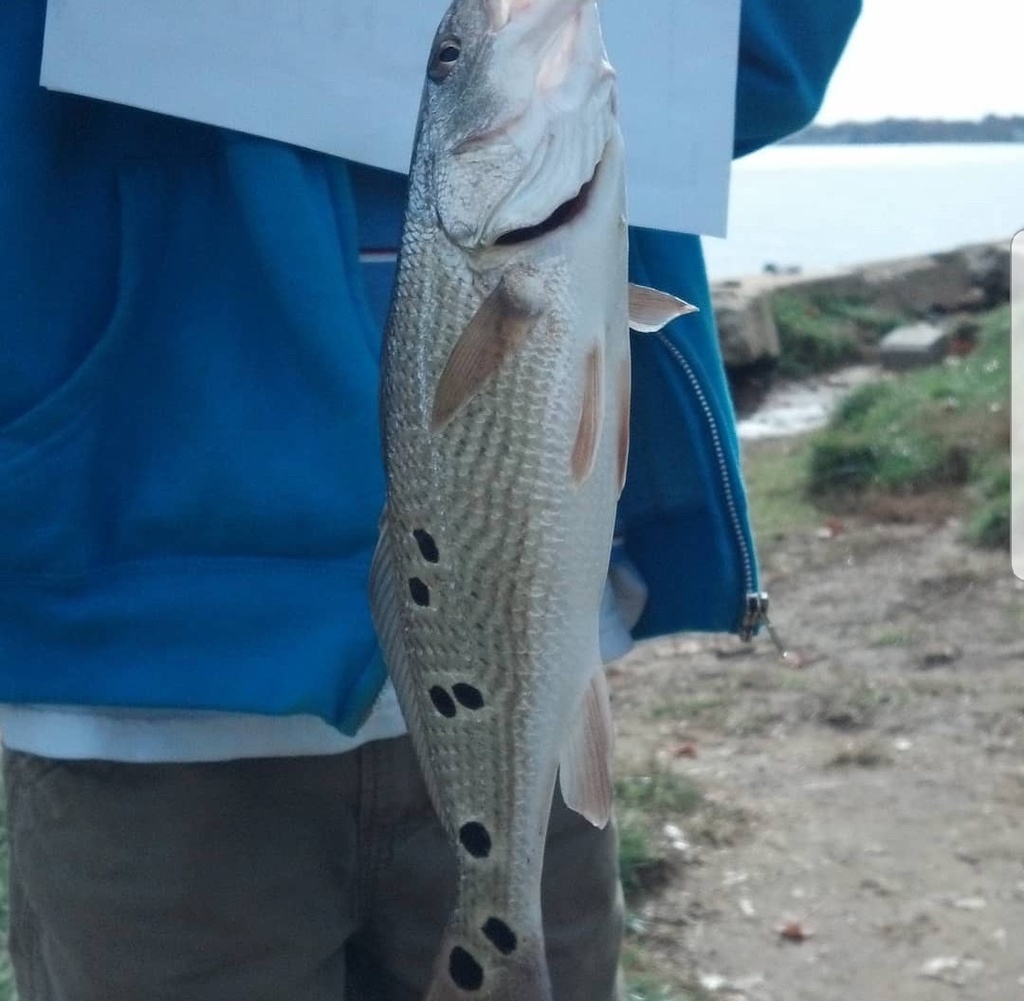
Red Drum, often affectionately called "redfish" or "spot-tail bass," are an iconic species of the Atlantic and Gulf Coasts of the United States. Renowned for their brute strength, aggressive takes, and stunning beauty, they offer an unforgettable angling experience for everyone from novice casters to seasoned pros. Whether you're sight fishing in crystal-clear water, soaking bait in a tidal creek, or casting artificials in a bayou, the pursuit of Red Drum is a thrilling adventure that connects you directly with the vibrant coastal ecosystem. Get ready to dive deep into the world of Red Drum fishing and learn how to consistently land these magnificent fish.
When to Go (Best Seasons and Times)
Understanding the seasonal movements and daily habits of Red Drum is paramount to consistent success. These fish are highly influenced by water temperature, tides, and bait availability.
Seasons:
- Spring (March-May): As water temperatures rise into the 60s and 70s Fahrenheit, Red Drum become increasingly active after their winter sluggishness. They move out of deeper channels and into shallower flats and marsh systems, actively feeding on crustaceans and baitfish. This is an excellent time for sight fishing in clear waters.
- Summer (June-August): Red Drum remain active, but warmer water often pushes them into slightly deeper grass beds or near structure where they can find cooler water and ambush prey. Early mornings and late evenings are often the most productive times to avoid the midday heat. Slot-sized fish are abundant, and the occasional "bull" red can be found near inlets and passes.
- Fall (September-November): This is arguably the prime season for Red Drum fishing, especially for targeting large "bull" reds. As water temperatures cool into the 70s and 60s, mature Red Drum school up in massive numbers in estuaries, passes, and nearshore waters for their spawning run. The "fall run" offers incredible opportunities for both boat and surf anglers.
- Winter (December-February): While fishing can be slower, it can also be highly rewarding. Red Drum often school tightly in deeper channels, holes, and protected backwater areas to escape cold fronts. Look for sunny days when the water warms slightly, making the fish more active. This is a great time for targeting large schools with live bait or slow-moving artificials.
Times of Day:
- Tides are Key: More than the time of day, tidal movement dictates Red Drum activity. Incoming and outgoing tides concentrate baitfish and provide feeding opportunities. Focus on the two hours leading up to and following a tide change.
- Low Light Periods: Dawn and dusk are almost always productive as Red Drum use the low light to their advantage when hunting bait.
- Midday: Can be productive, especially during cooler months or when targeting fish in deeper, shaded areas.
Weather Patterns:
- Stable Weather: Several days of stable weather, especially with light winds, are ideal for clear water and active fish.
- Approaching Fronts: Red Drum often feed aggressively before a cold front moves in.
- Post-Front: Fishing can be tough immediately after a front due to clear skies, high pressure, and cold temperatures, making fish sluggish and spooky.
Where to Fish (Top Locations)
The Red Drum's range spans the entire Atlantic and Gulf Coasts of the US, offering a wealth of prime fishing grounds. Here are some top locations known for their consistent Red Drum action, with an emphasis on public access:
- Louisiana Marshes (e.g., Venice, Delacroix): Renowned globally for its Red Drum population, the intricate maze of Louisiana's coastal marshes offers unparalleled opportunities. Public launches provide access to endless bayous, ponds, and flats. Beginner-friendly due to the sheer numbers of fish.
- Florida's Indian River Lagoon (East Coast) & Mosquito Lagoon: These interconnected lagoons are world-famous for their gin-clear waters and sight-fishing opportunities for trophy Red Drum. Public boat ramps and kayak launches are abundant, especially around Titusville and New Smyrna Beach.
- Texas Gulf Coast (e.g., Galveston Bay, Port O'Connor, Rockport): The vast bay systems of Texas are Red Drum havens. Public piers, jetties, and boat ramps provide access to excellent fishing. Look for wade fishing opportunities in the shallow grass flats or target jetty fish near the passes.
- North Carolina's Outer Banks (e.g., Pamlico Sound, Hatteras Island): The Outer Banks are legendary for their "bull" red drum fishing, especially in the fall. Anglers can target them from the surf, piers, or boats in the sound and nearshore waters. Many public access points for surf fishing are available.
- South Carolina's Lowcountry (e.g., Charleston Harbor, Hilton Head): The tidal creeks, oyster beds, and marsh systems of the Lowcountry hold abundant Red Drum. Public boat ramps and kayak launches offer access to these productive waters.
- Chesapeake Bay (Virginia): While at the northern extent of their range, the lower Chesapeake Bay offers fantastic opportunities for Red Drum, particularly for large "bull" reds during their seasonal migrations. Public boat ramps and fishing piers are available, especially around the Eastern Shore and Virginia Beach.
How to Fish (Proven Techniques)
Red Drum are opportunistic feeders, making them susceptible to a variety of techniques. Here’s a breakdown for beginners, plus some advanced tips:
Step-by-Step for Beginners:
- Choose Your Bait:
- Live Bait: Shrimp (peeled or whole), finger mullet, mud minnows, or small crabs are irresistible to Red Drum. Hook shrimp through the tail or head, mullet/minnows through the lips or back.
- Cut Bait: Chunks of mullet, menhaden, or ladyfish are excellent, especially for larger fish. Use a chunk about 1-2 inches long.
- Rig Your Line:
- Bottom Rig (Carolina Rig): Slide an egg sinker (1/2 to 1 oz, depending on current) onto your main line, then tie on a swivel. To the other end of the swivel, tie a 12-24 inch fluorocarbon leader (20-30 lb test) and finally, a 2/0 to 5/0 circle hook. Circle hooks are excellent for preventing gut-hooking and ensuring healthy releases.
- Popping Cork Rig: Tie a popping cork to your main line. Below the cork, attach a 12-24 inch fluorocarbon leader (20-30 lb) with a 2/0 to 3/0 J-hook or circle hook. This rig suspends your bait (usually live shrimp) above grass beds.
- Find the Spot: Look for areas with structure like oyster beds, docks, mangrove edges, grass lines, or points where current creates eddies.
- Cast Accurately: Cast your bait near the structure or into areas where you see signs of fish activity. If using a popping cork, cast it upcurrent and let it drift naturally.
- Wait for the Bite: With a bottom rig, keep your reel in gear and rod in a holder or hold it steady. Red Drum bites often start as a gentle tap, then quickly turn into a powerful pull. With a popping cork, watch the cork—it will disappear or get pulled under when a fish bites.
- Set the Hook (or Don't!):
- Circle Hooks: Do NOT set the hook forcefully. Simply reel down until the line is tight and the rod loads up. The circle hook will naturally lodge in the corner of the fish's mouth.
- J-Hooks: A gentle, firm sweep of the rod tip upwards is sufficient.
- Fight the Fish: Red Drum are powerful fighters. Keep constant pressure on the fish, pumping the rod up and reeling down. Use your drag to tire the fish out, but don't let it run into structure.
- Land and Release: Use a net to safely land the fish. Handle it carefully, especially if planning to release. Revive the fish if necessary by holding it gently in the water, facing into the current, until it swims away strongly.
Advanced Tips:
- Sight Fishing: In clear, shallow water, spot cruising or tailing Red Drum. Make a long, accurate cast ahead of the fish, allowing the lure or bait to settle naturally without spooking it. This is a highly visual and rewarding technique.
- Artificial Lures:
- Soft Plastics: Paddle tails (e.g., Gulp! Shrimp, Z-Man PaddlerZ) rigged on jig heads (1/8 to 1/2 oz) are deadly. Work them with a slow retrieve, bouncing them off the bottom.
- Spoons: Gold or silver weedless spoons (e.g., Johnson Silver Minnow) are excellent for covering ground and fishing over grass.
- Topwater Plugs: Walk-the-dog style topwater lures (e.g., Heddon Super Spook Jr.) can trigger explosive strikes, especially during low light.
- Reading the Water: Learn to identify subtle signs like nervous baitfish, diving birds, or "slicks" on the water's surface (oily patches from feeding fish) that indicate Red Drum presence.
Who to Go With (Guides, Groups, or Solo)
The decision to hire a guide or go it alone depends on your experience level, budget, and desired outcome.
- Guided Trips (Highly Recommended for Beginners): For those new to Red Drum fishing or visiting a new area, hiring a reputable local fishing guide is invaluable. A good guide provides all the necessary gear, knows the local hotspots, understands the tides and fish behavior, and offers expert instruction.
- Cost: A half-day (4-5 hours) inshore Red Drum trip typically ranges from $400-$600 USD, while a full-day (7-8 hours) can be $700-$1000 USD, often accommodating 1-3 anglers. This includes boat, fuel, bait, tackle, and sometimes even cleaning your catch.
- Benefits: Steep learning curve, access to prime areas, increased chances of success, and a hassle-free experience.
- DIY (Do-It-Yourself): If you have some experience, your own boat (or kayak/SUP), and a good understanding of local waters, DIY fishing is a rewarding and cost-effective option.
- Benefits: Freedom to explore, lower cost per trip, and the satisfaction of finding fish on your own.
- Considerations: Requires investment in gear, local knowledge, and time for scouting.
- Groups/Clubs: Joining a local fishing club or online fishing community can be a great way to learn from others, find fishing buddies, and share expenses.
Essential Gear Recommendations
Having the right tackle makes all the difference when battling a powerful Red Drum. Here’s what you’ll need, with budget-friendly alternatives.
Must-Have Gear (Mid-Range):
- Rod: 7' to 7'6" Medium-Heavy Fast Action Spinning Rod St. Croix Mojo Inshore Spinning Rod → Shop on Amazon
- Why: The length provides good casting distance, medium-heavy power handles the fish, and fast action offers sensitivity and quick hook sets.
- Reel: 3000-4000 Series Spinning Reel Shimano Stradic FL Spinning Reel → Shop on Amazon
- Why: Smooth drag, sufficient line capacity, and durability for saltwater environments.
- Main Line: 15-20 lb Braided Line PowerPro Super 8 Slick V2 Braided Line → Shop on Amazon
- Why: Superior casting distance, sensitivity, and strength-to-diameter ratio.
- Leader Material: 20-30 lb Fluorocarbon Leader Seaguar Blue Label Fluorocarbon Leader → Shop on Amazon
- Why: Nearly invisible in water, abrasion resistant, crucial for stealth.
- Hooks: 2/0 to 5/0 Circle Hooks (for bait) Gamakatsu Octopus Circle Hooks → Shop on Amazon
- Jig Heads: 1/8 to 1/2 oz Jig Heads Z-Man Trout Eye Jig Heads → Shop on Amazon
- Soft Plastics: 3-5 inch Paddle Tail Grubs/Shrimp Imitations Gulp! Shrimp or Z-Man Scented PaddlerZ → Shop on Amazon
- Popping Corks: Inshore Popping Corks Cajun Thunder Popping Corks → Shop on Amazon
- Pliers/Forceps: For hook removal and cutting line Bubba Blade Pliers → Shop on Amazon
- Net: Rubber-coated landing net Frabill Conservation Series Net → Shop on Amazon
- Sun Protection: Hat, polarized sunglasses, long-sleeve UV shirt Costa Del Mar Polarized Sunglasses → Shop on Amazon
- Cooler: For drinks, snacks, and any keepers.
Budget-Friendly Alternatives:
- Rod & Reel Combo: 7' Medium-Heavy Spinning Combo Penn Battle III Spinning Combo → Shop on Amazon
- Why: Durable, reliable, and excellent value for saltwater use.
- Main Line: 15-20 lb Braided Line Daiwa J-Braid X8 Braided Line → Shop on Amazon
- Leader Material: 20-30 lb Fluorocarbon Leader Berkley Vanish Fluorocarbon Leader → Shop on Amazon
- Soft Plastics: Assorted paddle tails and grub bodies DOA Cal Paddle Tails → Shop on Amazon
- Hooks & Jig Heads: Bulk packs from local tackle shops.
- Pliers: Basic stainless steel fishing pliers.
- Sun Protection: Affordable polarized sunglasses, wide-brim hat, long-sleeve cotton shirt.
Expected Costs (Full Setup vs. Budget Version)
Fishing for Red Drum can be as affordable or as luxurious as you make it. Here's a breakdown of potential costs:
Full Setup / Guided Trip Option (USD):
- Fishing License: $17 - $40 (Annual Resident State Saltwater License, e.g., Florida, Texas. Non-resident licenses are higher, check specific state FWC/TPWD/LDWF websites)
- Guided Trip (Full Day): $700 - $1000 (Covers boat, guide, fuel, bait, tackle for 1-3 anglers)
- High-Quality Rod & Reel: $300 - $600
- Line, Leader, Terminal Tackle: $50 - $100
- Assorted Lures/Baits: $50 - $150
- Essential Accessories (Pliers, Net, Sun Gear): $100 - $250
- Total (First Trip, including guide): ~$1217 - $2140+ (This is a one-time cost for gear if you keep it, plus the guide fee)
Budget Version / DIY Setup (USD):
- Fishing License: $17 - $40 (Annual Resident State Saltwater License)
- Budget Rod & Reel Combo: $100 - $200
- Line, Leader, Basic Terminal Tackle: $30 - $60
- Essential Soft Plastics/Lures: $20 - $50
- Basic Accessories (Pliers, Hat, Sunglasses): $30 - $80
- Bait (Live or Cut): $10 - $25 per trip
- Total (Initial Gear + First Trip Bait): ~$207 - $455+
Important Note: Always check with the relevant state fish and wildlife agency (e.g., Florida Fish and Wildlife Conservation Commission (FWC), Louisiana Department of Wildlife and Fisheries (LDWF), Texas Parks and Wildlife Department (TPWD), North Carolina Wildlife Resources Commission (NCWRC), South Carolina Department of Natural Resources (SCDNR), Virginia Department of Wildlife Resources (VDWR)) for current license fees and requirements before you go out.
Regulations and Conservation
Red Drum are a highly valued species, and their populations are carefully managed to ensure sustainability. Understanding and adhering to regulations is not just important; it's our responsibility as anglers.
The primary regulatory bodies for Red Drum in the United States are the individual state fish and wildlife agencies along the Atlantic and Gulf Coasts. While specific rules vary from state to state, common regulations include:
- Slot Limits: Most states implement a "slot limit" for Red Drum, meaning only fish within a specific size range (e.g., 18-27 inches) can be kept. This protects both juvenile fish and large, mature "bull" reds which are crucial for spawning.
- Bag Limits: There is typically a daily bag limit (e.g., 1-5 fish per person per day) to control harvest numbers.
- Prohibited Methods: Certain fishing methods may be prohibited or restricted.
- Special Permits/Tags: In some states, a special tag or permit may be required to keep a "bull" red drum (over the slot limit), and these are often limited to one per year.
Conservation: Red Drum populations are generally healthy thanks to effective management strategies, but continued vigilance is key. Always practice responsible catch and release, especially for undersized or oversized fish. Handle fish gently, minimize their time out of water, and use proper de-hooking tools. Avoid dragging fish on hard surfaces and ensure they are revived before release. By following regulations and practicing ethical angling, we can ensure future generations enjoy the thrill of Red Drum fishing.
Always, without exception, check the most current regulations with the relevant state fish and wildlife agency before heading out on any fishing trip. Regulations can change seasonally or annually.
Pro Tips and Common Mistakes to Avoid
Pro Tips for Red Drum:
- Stealth is Key: Red Drum, especially in shallow water, are easily spooked. Approach quietly, avoid sudden movements, and use long casts.
- Watch the Tides: Red Drum activity is heavily tied to tidal movement. Plan your trips around rising or falling tides, especially the two hours around the peak of the tide.
- Look for "Pushes" and "Tails": In shallow water, Red Drum often create "pushes" of water as they cruise, or their tails will "tail" above the surface while they feed. These are prime targets for sight fishing.
- Fish the Edges: Red Drum love to patrol the edges of grass flats, oyster bars, and mangrove lines, ambushing prey as it moves along.
- Vary Your Retrieve: If using artificials, experiment with different retrieve speeds and cadences. Sometimes a slow, steady retrieve works, other times a twitch-pause-twitch is more effective.
- Use Scent: Many anglers swear by adding a scent attractant to their soft plastics or live baits.
- Handle with Care: These are powerful fish. Use a net for landing and a de-hooker for quick, safe release, especially for fish you plan to let go. Support their belly when holding for a photo.
Common Mistakes to Avoid:
- Too Heavy Tackle: While Red Drum are strong, overly heavy rods and lines can reduce casting distance and sensitivity, making it harder to detect subtle bites.
- Spooking the Fish: Loud noises, shadows, or approaching too close in shallow water will send Red Drum scattering.
- Improper Hook Set (with Circle Hooks): Jerking the rod to set the hook with a circle hook will often pull the hook right out of the fish's mouth. Remember to just reel down and let the rod load.
- Ignoring the Tides: Going fishing without consulting a tide chart is like driving without a map. You might get somewhere, but it's often not the best route.
- Fishing Dirty Water: While Red Drum can tolerate some turbidity, extremely muddy water often makes fishing difficult as they rely on sight and smell to feed. Look for cleaner water whenever possible.
- Leaving Unattended Rods: Red Drum bites can be sudden and violent. A rod left unattended can easily be pulled into the water.
Conclusion
The pursuit of Red Drum is more than just a fishing trip; it's an immersive experience that connects you with the vibrant pulse of our coastal waters. From the heart-stopping sight of a tailing redfish on a glassy flat to the screaming drag of a bull red in a rip current, these powerful fish offer endless excitement and challenge. They are a testament to healthy ecosystems and the rewards of patient, skilled angling.
Whether you're new to the sport or a seasoned veteran, the Red Drum will test your mettle, reward your efforts, and leave you with unforgettable memories. So, gear up, check those tide charts, and get ready to experience the thrill of catching Red Drum like a pro. Your next adventure is just a cast away!
Stay tuned for our next post, where we'll explore the art of fly fishing for these incredible inshore giants!
As an Amazon Associate I earn from qualifying purchases at no extra cost to you. Links above are affiliate search links — prices may vary. Generated 2026-06-25