
Hunt Eastern Wild Turkey Like a Pro: Complete Hunting Guide
Introduction
The crisp dawn air holds a silence that's almost palpable, broken only by the rustle of leaves underfoot as you make your way through the waking woods. Suddenly, a sound rips through the stillness, shaking the dew from the branches and sending a primal thrill through your core: "GOBBLE-GOBBLE-GOBBLE!" It’s the unmistakable call of an Eastern Wild Turkey, a monarch of the spring woods, and your heart leaps into your throat. This isn't just a hunt; it's a conversation, a chess match played out in the dappled light of the forest, demanding stealth, patience, and a deep understanding of the wild.
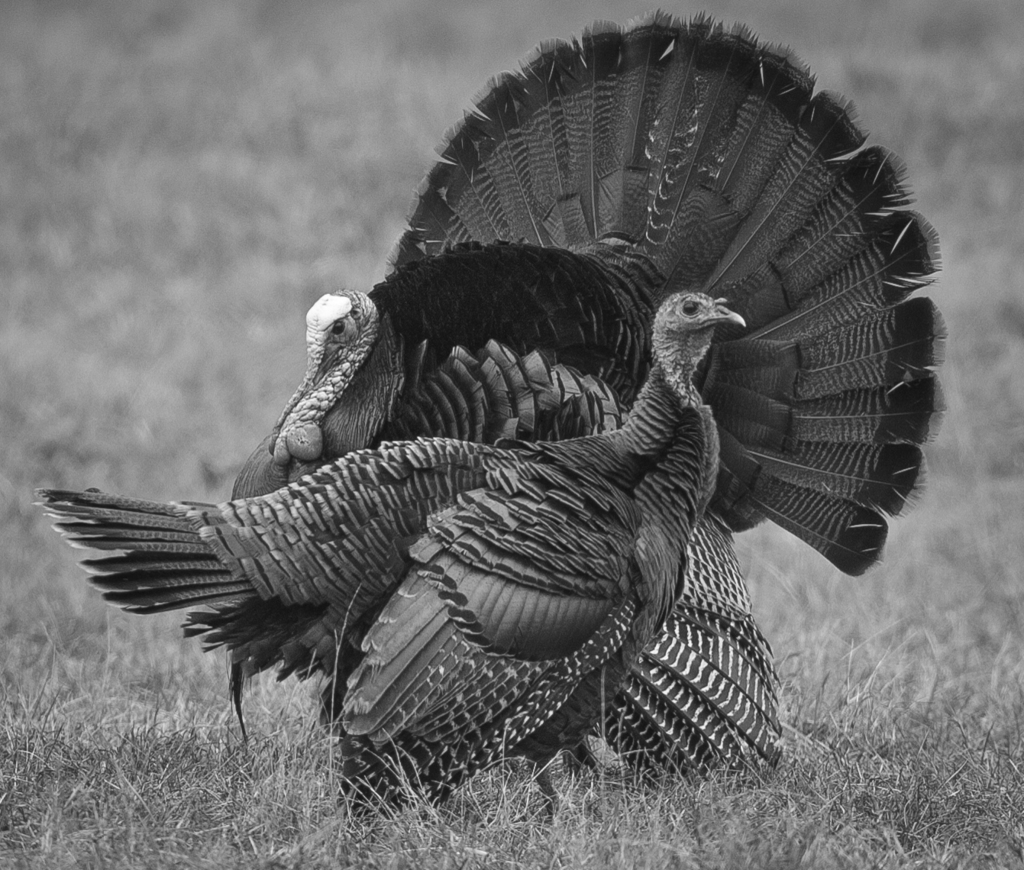
For over two decades, I’ve chased these magnificent birds across North America, from the dense hardwoods of Pennsylvania to the piney woods of Alabama, and I can tell you there's nothing quite like the experience. The Eastern Wild Turkey, with its iridescent plumage and wary intelligence, offers one of the most exciting and rewarding hunting challenges available. This guide is designed to equip you, whether you're a seasoned beginner or looking to refine your approach, with the knowledge to successfully hunt these incredible birds across their native range in the eastern United States, primarily during the vibrant spring season.
When to Go (Best Seasons and Times)
Timing is everything in turkey hunting, and the Eastern Wild Turkey has distinct seasonal patterns that dictate the best times to pursue them.
Spring Gobbler Season: This is prime time for Eastern Wild Turkeys. Spring seasons typically run from late March through May or even early June, depending on the state. This period coincides with the turkey breeding season when gobblers are actively seeking hens, making them vocal and more susceptible to calling. * Early Season: Gobblers are often still grouped up, and while vocal, they might be "henned up" (with real hens), making them difficult to call in. * Mid-Season: As hens begin nesting, gobblers become more solitary and responsive to calls, often making this the sweet spot for many hunters. * Late Season: Gobblers can be tougher but also more desperate, sometimes responding to aggressive calling.
Fall Hunting (Less Common for Beginners): Some states offer a fall turkey season, often allowing the harvest of either sex. Fall hunting is a completely different game, focusing more on breaking up flocks and calling birds back together, rather than mimicking breeding calls. While rewarding, it's generally more challenging for newcomers.
Best Times of Day: * First Light (The Roost Hunt): The absolute best time to catch a gobbler. Turkeys roost in trees overnight, and as the sun begins to rise, they'll often gobble from the limb before flying down. Being in position before they hit the ground is critical. * Mid-Morning Lull: Don't give up after the initial morning activity. Gobblers often "re-group" later in the morning after hens have moved off to nest. This can be a great time to locate a lonely gobbler. * Late Afternoon (Less Productive for Calling): While legal in some states, late afternoon is generally less productive for calling in gobblers, as they are often heading back to roost. Some states prohibit afternoon hunting for safety and conservation reasons, so always check your local regulations.
Weather Patterns: * Clear, Calm Mornings: Ideal for hearing gobblers from a distance and for them to hear your calls. * Rainy Days: Turkeys become less vocal and often seek cover, making them harder to locate. However, a light drizzle can sometimes make them more active as it dampens human noise. * Windy Days: High winds make it difficult to hear gobblers and for them to hear you. Turkeys also tend to stick to sheltered areas.
Regional Tips: The breeding season "progresses" northward. Southern states like Florida and Alabama often open their seasons in March, while northern states like New York and Maine might not open until May. Always check the specific regulations for the state you plan to hunt.
Where to Hunt (Top Locations)
The Eastern Wild Turkey thrives across a vast range of habitats, from dense forests to agricultural edges. The good news is that public land opportunities are abundant in many states.
- Daniel Boone National Forest, Kentucky: A vast expanse of rugged, forested land offering excellent turkey habitat and challenging but rewarding hunts.
- Ozark National Forest, Arkansas: Known for its large tracts of public land and healthy turkey populations, particularly in the spring.
- Allegheny National Forest, Pennsylvania: Offers extensive hardwood forests where Eastern Wild Turkeys thrive. Pennsylvania has a strong turkey hunting tradition.
- Mark Twain National Forest, Missouri: Missouri is often considered a top turkey hunting destination, and the Mark Twain National Forest provides ample public access.
- Bankhead National Forest, Alabama: Part of the "Black Belt" region known for its rich soils and abundant wildlife, offering great opportunities for Easterns.
- State Forests and Wildlife Management Areas (WMAs): Nearly every state in the Eastern Wild Turkey's range has state-managed lands that offer hunting access. These can be fantastic options, often with specific regulations or lottery systems. Check the individual state's fish and wildlife agency website for detailed maps and rules.
Beginner-Friendly Options: Look for WMAs or National Forest sections with good road access and less extreme terrain. Areas bordering agricultural fields can also be productive, as turkeys use them for feeding and strutting. Always scout these areas beforehand to look for signs like droppings, tracks, and dusting bowls.
How to Hunt (Proven Techniques)
Hunting Eastern Wild Turkeys is a game of patience, stealth, and communication. Here's a step-by-step approach for beginners, along with some advanced tips.
Step-by-Step for Beginners:
- Pre-Season Scouting:
- Locate Roosts: Drive or walk back roads at dusk and dawn, listening for gobblers flying up to or down from their roost trees. Mark these locations.
- Look for Sign: Search for tracks, droppings (gobbler droppings are J-shaped, hen droppings are spiraled), strut marks (wing drag marks on the ground), and dusting bowls.
- Listen: Learn to distinguish turkey sounds from other birds. Pay attention to how turkeys respond to natural sounds (crows, owls).
- Master Basic Calls:
- Yelp: The most common turkey sound, mimicking a hen looking for a gobbler. Start with a simple "yelp, yelp, yelp."
- Cluck: A soft, contented sound.
- Purr: Another soft, reassuring sound, often used when feeding.
- Practice with a pot call or box call. Mouth calls are more versatile but take more practice.
- The Setup:
- Concealment is Key: Wear full camouflage, including face mask and gloves. Turkeys have incredible eyesight.
- Back Against a Tree: Choose a tree wider than your shoulders to break up your silhouette and provide protection.
- Clear Shooting Lanes: Ensure you have a clear shot in the direction you expect the turkey to approach.
- Decoy Placement (Optional but Recommended): Place a hen decoy (or a jake/hen combo) 15-20 yards in front of you, slightly off to the side. This gives the gobbler something to focus on other than your position.
- Calling Strategy:
- Start Soft: Begin with soft tree yelps from your setup before daylight, then wait.
- Listen for a Response: If a gobbler answers, call sparingly. Don't overcall. Let him work to you.
- Mimic Natural Sounds: Use clucks, purrs, and soft yelps to sound like a contented hen.
- Patience: This is perhaps the most critical skill. A gobbler might take an hour or more to approach. Stay still.
- The Shot:
- Positive Identification: Always be 100% sure it's a legal gobbler before you shoulder your gun. Look for a red, white, and blue head, a beard, and spurs.
- Aim for the Head/Neck: The turkey's vitals are small and protected by feathers. A head/neck shot is the most ethical and effective.
- Wait for the Right Moment: Let the bird get into effective range (typically 30-40 yards with a tight choke and heavy load) and present a good shot opportunity.
Advanced Tips:
- Run-and-Gun: If gobblers are quiet or pressured, cover ground, stopping frequently to call and listen. Once you get a response, quickly set up.
- Decoy Strategy: Experiment with different decoy setups. A jake decoy with a hen can challenge dominant gobblers. A strutter decoy can also be effective but requires careful safety considerations in pressured areas.
- Reading Body Language: Learn to interpret a gobbler's movements. Is he strutting? Is he hung up (refusing to come closer)? Adjust your calling accordingly.
- Fall Hunting (Flocking & Breaking): If fall hunting, locate a flock, then rush in to scatter them. Set up and use "assembly calls" (kee-kee runs, lost yelps) to call them back together.
Who to Go With (Guides, Groups, or Solo)
The decision of who to hunt with can significantly impact your experience and success, especially when starting out.
- Solo Hunting: This offers the ultimate challenge and a profound connection with nature. It's incredibly rewarding when you succeed, but the learning curve is steep. You're solely responsible for scouting, calling, and safety. Best undertaken after gaining some experience.
- Hunting with a Group/Mentor: This is an excellent option for beginners. Hunting with an experienced friend or family member provides mentorship, shared knowledge, and an extra set of eyes and ears. It also enhances safety. Many experienced hunters are happy to take newcomers under their wing.
- Hiring a Guide: For those serious about learning quickly and maximizing their chances of success, hiring a reputable turkey hunting guide is invaluable.
- What a Guide Provides: Guides offer expert knowledge of local turkey behavior, access to prime hunting grounds (often private land), and hands-on instruction in calling and strategy. They handle much of the scouting and setup, allowing you to focus on the hunt.
- Cost Context: Guided turkey hunts typically range from $500 for a single day to $1,500+ for a 2-3 day hunt, not including license/tag fees or gratuity. While an investment, it can drastically shorten your learning curve and provide an unforgettable experience. Look for guides in states renowned for turkey hunting, such as Alabama, Missouri, or Kentucky.
Essential Gear Recommendations
Having the right gear is crucial for comfort, safety, and success in the turkey woods.
- Must-Have Gear:
- Shotgun: 12-gauge or 20-gauge pump or semi-auto, preferably with a short barrel for maneuverability. Turkey Shotgun → Shop on Amazon
- Turkey Choke: An extra-full or super-full choke tube is essential for tight patterns at turkey ranges. Turkey Choke → Shop on Amazon
- Turkey Loads: Specialized high-density turkey loads (e.g., #4, #5, #6 shot or TSS loads) for maximum knockdown power. Turkey Loads → Shop on Amazon
- Full Camouflage Clothing: Head-to-toe camo, including a turkey vest with plenty of pockets and a comfortable seat pad. Camo Turkey Vest → Shop on Amazon
- Face Mask and Gloves: Absolutely critical for concealment. Camo Face Mask & Gloves → Shop on Amazon
- Turkey Calls: A versatile set including a pot call (slate or glass), a box call, and at least one mouth call (diaphragm call). Turkey Call Set → Shop on Amazon
- Turkey Decoy: A realistic hen decoy is a great starting point. Hen Decoy → Shop on Amazon
- Comfortable Hunting Boots: Waterproof and suitable for varied terrain. Waterproof Hunting Boots → Shop on Amazon
- Binoculars: For spotting turkeys or identifying details at a distance. Binoculars → Shop on Amazon
- Small First Aid Kit: Essential for any outdoor excursion. First Aid Kit → Shop on Amazon
- Headlamp: For navigating in the dark before sunrise. Headlamp → Shop on Amazon
- Budget-Friendly Alternatives:
- Shotgun: Borrow one from a friend or family member, or look for used models.
- Camo: Purchase basic camo from a sporting goods store or military surplus.
- Calls: Start with just a simple box call or pot call.
- Decoy: You can hunt without a decoy, relying solely on calling and concealment.
- Footwear: Sturdy hiking boots you already own can work in a pinch.
Expected Costs (Full Setup vs. Budget Version)
Turkey hunting can be as expensive or as affordable as you make it. Here’s a realistic breakdown in USD.
Full Setup (Approximate Costs in USD): * Shotgun (new, turkey-specific): $500 - $1,000+ * Turkey Choke: $50 - $100 * Specialized Turkey Loads (multiple boxes): $50 - $150 * Full Camo Clothing & Vest: $200 - $500+ * Quality Turkey Calls (set): $50 - $200 * Realistic Decoy: $50 - $150 * Comfortable Boots: $100 - $250 * Optics (Binoculars): $100 - $300 * License & Tag (Resident, per state): $20 - $100 * License & Tag (Non-Resident, per state): $100 - $300+ * Miscellaneous (First aid, headlamp, knife, etc.): $50 - $150 * Total Estimated Full Setup: $1,170 - $3,000+ (excluding guided hunt fees)
Budget Version (Approximate Costs in USD): * Borrowed Shotgun: $0 * Basic Camo (jacket, pants, mask, gloves): $50 - $150 * Basic Turkey Call (e.g., box call): $20 - $50 * No Decoy: $0 * Sturdy Hiking Boots (already owned): $0 * License & Tag (Resident, per state): $20 - $100 * Basic Turkey Loads (1 box): $20 - $50 * Total Estimated Budget Setup: $110 - $350 (excluding travel/lodging)
Important Note: License and tag fees vary significantly by state and resident status. Always check the official website of the state fish and wildlife agency where you plan to hunt for current and accurate pricing.
Regulations and Conservation
Understanding and adhering to regulations is paramount for ethical hunting and the continued health of Eastern Wild Turkey populations.
- Regulatory Authority: For Eastern Wild Turkeys in the United States, regulations are set and enforced by individual state fish and wildlife agencies (e.g., Pennsylvania Game Commission, Georgia Department of Natural Resources, Missouri Department of Conservation).
- Key Regulations to Check:
- Season Dates: Specific opening and closing dates for spring and fall seasons.
- Bag Limits: How many turkeys (typically gobblers in spring) you can harvest per season. This is often one or two bearded turkeys in the spring.
- Weapon Restrictions: Legal firearms (shotgun gauge, shot size), archery equipment, and sometimes muzzleloaders.
- Hunting Hours: Legal shooting hours (e.g., half-hour before sunrise to noon, or all day).
- Tagging Requirements: Procedures for immediately tagging your harvested turkey.
- Reporting Requirements: How and when to report your harvest to the state agency.
- Public Land Specifics: Any additional rules for hunting on National Forests, State Forests, or WMAs.
- Safety Requirements: Such as wearing blaze orange when moving in some states during certain seasons.
- Conservation Success Story: The Eastern Wild Turkey is a remarkable conservation success story. Once nearly extirpated from much of its range, dedicated efforts by state agencies, organizations like the National Wild Turkey Federation (NWTF), and hunters (through license fees) have led to a dramatic rebound in populations. Your license and tag fees directly contribute to these vital conservation programs.
- Always Check Current Regulations: Regulations can change annually. Before heading afield, always consult the most current hunting regulations on the official website of the relevant state fish and wildlife agency. Never rely on outdated information or word-of-mouth.
Pro Tips and Common Mistakes to Avoid
Pro Tips:
- Scout Aggressively: The more time you spend scouting before the season, the better your chances. Locate roosts, strut zones, and travel corridors.
- Patience is a Virtue: Turkeys operate on their own schedule. Be prepared to sit still for long periods. Many successful hunts come from simply waiting out a bird.
- Don't Overcall: Less is often more. Once a gobbler responds, call sparingly and softly. Let curiosity draw him in.
- Hunt the Weather: Take advantage of clear, calm mornings. If it's windy, focus on sheltered areas. If it's rainy, consider hunting edges or open areas where turkeys might feed.
- Know Your Limits: Pattern your shotgun with your chosen turkey loads to understand its effective range. Stick to ethical shooting distances (typically 30-40 yards).
- Safety First: Always identify your target positively. Wear blaze orange when moving through the woods (if legally required or as a safety precaution, especially when not actively calling/set up). Be aware of other hunters.
Common Mistakes to Avoid:
- Moving Too Much: Turkeys have incredible eyesight. Any unnecessary movement can spook them. Stay absolutely still once you're set up.
- Overcalling: Sounding like an overly aggressive or frantic hen can make gobblers wary. Try to mimic natural turkey sounds and cadences.
- Improper Setup: Not having a clear shooting lane, setting up with your back to an open area, or not having adequate concealment will lead to missed opportunities.
- Giving Up Too Early: Many gobblers will "hang up" just out of range or go silent for a long time. Persistence often pays off.
- Not Patterning Your Shotgun: Every shotgun/choke/load combination performs differently. Patterning ensures you know your effective range and shot spread.
- Ignoring Safety Rules: Never point your firearm at anything you don't intend to shoot. Be aware of your surroundings and what's beyond your target.
Conclusion
Hunting Eastern Wild Turkey is an experience that transcends mere sport. It's an immersive journey into the heart of the spring woods, a test of your woodsmanship, and a primal dance between hunter and hunted. The thrill of hearing that first gobble, the challenge of working a wary bird, and the satisfaction of a successful, ethical hunt are unparalleled. It connects you to nature in a profound way, forging memories that will last a lifetime.
So, gather your gear, study your regulations, and embrace the challenge. The spring woods are calling, and a gobbler awaits your call. Get out there and experience the magic for yourself!
Next time, we'll dive into the pursuit of another iconic North American game animal: the elusive Whitetail Deer.
As an Amazon Associate I earn from qualifying purchases at no extra cost to you. Links above are affiliate search links — prices may vary. Generated 2026-06-25