Catch Rainbow Trout Like a Pro: Complete Fishing Guide
Introduction
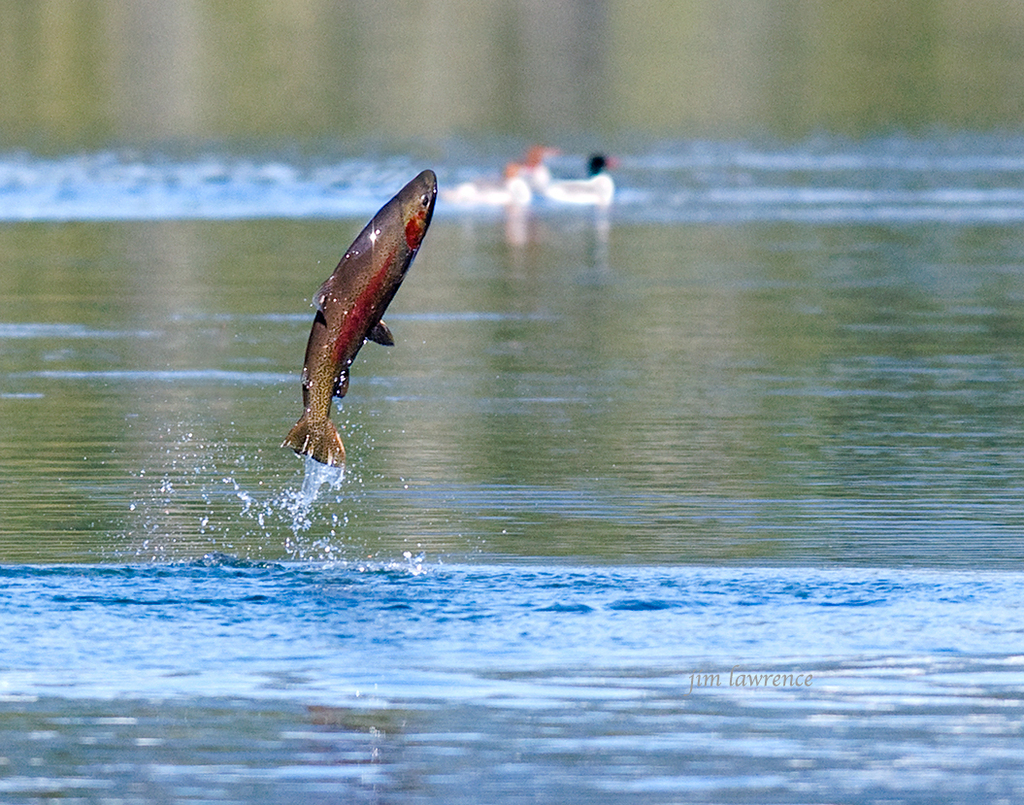
The crisp morning air bites at your cheeks as you cast your line into the gin-clear waters of a high-mountain stream. Sunlight filters through the pines, dappling the riffles and runs. Suddenly, your line goes taut, and a silver flash erupts from the water – a vibrant Rainbow Trout, adorned with its namesake iridescent stripe, cartwheeting through the air! The fight is on, a thrilling dance between angler and fish that culminates in the gentle release of a true wild beauty.
Few freshwater species capture the hearts of anglers quite like the Rainbow Trout. Renowned for their stunning coloration, acrobatic fights, and widespread availability, these captivating fish offer an accessible yet endlessly rewarding challenge for beginners and seasoned pros alike. From the pristine rivers of the American West to the fertile tailwaters of the Appalachians, and even across continents, Rainbow Trout promise an unforgettable adventure. Whether you're seeking a peaceful day on the water or a heart-pounding battle, learning to catch Rainbow Trout is a fundamental skill that opens doors to a lifetime of angling passion. Let's dive into the world of these magnificent fish and equip you with everything you need to succeed.
When to Go (Best Seasons and Times)
Rainbow Trout are cold-water fish, so understanding their seasonal behavior and preferred conditions is key to success.
- Spring (March-May): This is prime time for many regions. As waters warm slightly after winter, Rainbows become incredibly active, feeding aggressively after their spawn (which typically occurs in late winter/early spring). Insect hatches begin, offering fantastic fly-fishing opportunities. Look for stable weather patterns and rising water temperatures.
- Summer (June-August): While still productive, summer fishing often requires adjusting your approach. In warmer lowland rivers, Rainbows will seek cooler water, often found in deeper pools, shaded areas, or near cold tributary inflows. High-elevation streams remain excellent throughout summer. Focus on early mornings and late evenings when water temperatures are lowest and light is subdued. Overcast days can also extend the bite.
- Fall (September-November): Another fantastic season! As temperatures cool, Rainbows become active again, feeding heavily in preparation for winter. In some systems, brown trout and salmon runs provide ample egg opportunities, attracting hungry Rainbows. The vibrant fall foliage makes for a breathtaking backdrop.
- Winter (December-February): Don't hang up your rod! Winter can be surprisingly productive, especially on tailwater fisheries (rivers below dams) where water temperatures remain more stable. Fish tend to congregate in deeper, slower pools. A subtle approach and smaller presentations are often required. Focus on the warmest parts of the day.
Times of Day: Generally, dawn and dusk are the most productive times. Low light conditions make trout feel safer, and insect activity is often highest. Midday can be good on overcast days or in fast-moving, well-oxygenated water.
Weather Patterns: Stable weather is usually best. A light rain can sometimes trigger a bite, but heavy downpours can muddy waters and turn fish off. Cold fronts often slow fishing, while warming trends can activate them.
Where to Fish (Top Locations)
Rainbow Trout are found in a remarkable array of waters across the United States and globally. Here are some top accessible locations primarily within the US, with a nod to international opportunities:
- Colorado's Arkansas River: A classic Western trout fishery, offering miles of public access, especially near Salida and Buena Vista. Known for its healthy populations of wild Rainbows and Browns, it caters to both fly and spin anglers.
- Montana's Bighorn River: A renowned tailwater fishery below Yellowtail Dam, providing consistent flows and nutrient-rich water that supports incredible numbers of large Rainbows and Brown Trout. Public access points are plentiful.
- California's Upper Sacramento River: Flowing from Mount Shasta, this river offers beautiful freestone sections and excellent public access. It's a favorite for its wild Rainbows, particularly for fly anglers.
- Tennessee's Little Pigeon River (Great Smoky Mountains National Park): The streams within GSMNP offer pristine, wild trout fishing, including beautiful Rainbows. Access requires hiking, but the reward is a truly wild experience in stunning surroundings.
- Oregon's Deschutes River: Famous for its Redband Rainbow Trout (a distinct subspecies), the Deschutes offers a challenging and rewarding experience, particularly the lower river below Maupin. Public access via campgrounds and boat launches is available.
- Pennsylvania's Yellow Breeches Creek: A limestone spring creek in the East, known for its consistent temperatures and prolific insect life, supporting a thriving population of wild and stocked Rainbows. Multiple public access points exist.
International Opportunities: Beyond the US, some of the world's most iconic Rainbow Trout fisheries include the crystal-clear rivers of New Zealand's North and South Islands, the vast wilderness of Patagonia (Argentina and Chile), and the prolific waters of British Columbia, Canada. These destinations offer truly world-class experiences for trophy Rainbows.
How to Fish (Proven Techniques)
Catching Rainbow Trout can be as simple or as complex as you make it. Here's a breakdown, starting with beginner-friendly methods:
Beginner-Friendly Techniques:
-
Bait Fishing (Still Fishing):
- Setup: A light-action spinning rod (6-7 feet), small spinning reel, 4-6 lb monofilament line.
- Rig: Tie a small hook (size 8-12) directly to your main line. Crimp a few small split shot weights about 6-12 inches above the hook. If fishing still water, you can add a bobber 1-3 feet above the weights to suspend your bait.
- Bait:
- PowerBait Dough/Nuggets: Mold a small ball around your hook, ensuring the hook point is covered. These float, lifting your bait off the bottom.
- Worms (Nightcrawlers, Red Worms): Thread a small piece of worm onto your hook, leaving a tail to wiggle.
- Corn: A few kernels on a small hook can be surprisingly effective, especially in stocked ponds.
- Method: Cast your bait into likely trout holding areas (pools, slow runs, near cover). Let it sit. Watch your line or bobber for any movement. Be patient!
-
Spin Fishing (Lures):
- Setup: Same as bait fishing.
- Lures:
- Spinners: Mepps Aglia Spinner → Shop on Amazon (sizes #0-2), Panther Martin Spinner → Shop on Amazon (sizes #1-4).
- Spoons: Small, flashy spoons like the Kastmaster Spoon → Shop on Amazon (1/8-1/4 oz).
- Method: Cast your lure across or slightly upstream of likely holding water. Retrieve at a slow to moderate, steady pace, allowing the lure to flash and wobble. Vary your retrieve speed until you find what triggers a strike. Spinners are particularly effective for active, aggressive trout.
Advanced Tips:
-
Fly Fishing: This is often considered the pinnacle of trout fishing. Using artificial flies to imitate insects, baitfish, or other food sources.
- Dry Flies: Imitate insects on the water surface. Requires precise casting and presentation.
- Nymphs: Imitate subsurface insect larvae. Fished under an indicator or with a tight-line technique. This is often the most productive fly-fishing method.
- Streamers: Imitate baitfish or leeches. Stripped through the water to entice aggressive strikes.
- Technique: Learning to cast a fly rod effectively takes practice, but the reward of fooling a trout on a tiny fly is immense. Consider a guided trip or local classes to get started.
-
Reading the Water: Learn to identify where trout hold. Look for:
- Current Seams: Where fast water meets slow water. Trout sit in the slower water, waiting for food to drift by.
- Structure: Rocks, logs, undercut banks, overhanging vegetation provide cover and ambush points.
- Depth Changes: Drop-offs, pools, and riffles. Trout often move between these zones.
- Oxygenated Water: Riffles and rapids add oxygen, making them attractive, especially in warmer weather.
-
Stealth and Presentation: Rainbow Trout have excellent eyesight and are easily spooked.
- Approach the water quietly and cautiously.
- Avoid casting shadows over the water.
- Use light line and leaders (4-6 lb test for spin, 4x-6x tippet for fly) to make your presentation as natural as possible.
- Make accurate casts that land gently.
Who to Go With (Guides, Groups, or Solo)
The choice of who to fish with largely depends on your experience level, budget, and desired learning curve.
- Solo Angling (DIY): This is a fantastic way to learn self-reliance and develop your own style. It's the most budget-friendly option. Start with easily accessible public waters and focus on mastering basic techniques. There's immense satisfaction in finding and catching trout on your own.
- Fishing with Friends/Groups: Learning from more experienced friends or joining a local fishing club can accelerate your progress. You can share gear, knowledge, and split costs. Group outings are often a great way to discover new spots and techniques.
- Hiring a Professional Guide: For beginners, a guided trip is invaluable. A good guide will:
- Provide all necessary gear.
- Take you to prime fishing spots.
- Teach you local techniques and fly patterns.
- Offer casting instruction and fish-fighting tips.
- Explain regulations and conservation practices.
- Cost: Expect to pay anywhere from $400-$800 for a full-day guided trip in the US, often covering 1-2 anglers. This might seem steep, but it's an investment in learning that pays dividends for years. For international destinations like New Zealand or Patagonia, reputable outfitters can be found, but expect higher overall costs due to travel, lodging, and specialized services. Research and book well in advance.
Essential Gear Recommendations
Having the right gear makes a world of difference. Here's a breakdown for spin and fly fishing, with budget-friendly alternatives.
Spin Fishing (Recommended for Beginners):
- Rod: 6'6" Light-Medium Action Spinning Rod → Shop on Amazon (Sensitive tip, good backbone for fighting fish).
- Reel: 2000-2500 Series Spinning Reel → Shop on Amazon (Smooth drag, good line capacity).
- Line: 4-6lb Monofilament or Fluorocarbon → Shop on Amazon (Low visibility, good knot strength).
- Terminal Tackle:
- Hooks: Assorted small bait hooks (size 8-12).
- Weights: Assorted split shot weights.
- Swivels: Small barrel swivels (size 10-12).
- Bobbers: Small slip bobbers or fixed bobbers.
- Bait:
- PowerBait Trout Nuggets → Shop on Amazon (various colors).
- Live worms (red wigglers or small nightcrawlers).
- Lures:
- Mepps Aglia Spinner → Shop on Amazon (sizes #0-2, silver/gold blades).
- Panther Martin Spinner → Shop on Amazon (sizes #1-4, black/gold, yellow/red dots).
- Kastmaster Spoon → Shop on Amazon (1/8-1/4 oz, silver/gold).
Fly Fishing (For Intermediate/Advanced Anglers):
- Rod: 4-5wt Fly Rod → Shop on Amazon (7'6"-9' length, versatile for most trout scenarios).
- Reel: 4-5wt Fly Reel → Shop on Amazon (Match rod weight, smooth drag).
- Line: Weight-Forward Floating Fly Line → Shop on Amazon (Match rod weight).
- Leader & Tippet: Tapered Fly Leader → Shop on Amazon (9ft, 4x-5x), 4x-6x Tippet → Shop on Amazon (spools).
- Flies: Assortment of dry flies, nymphs, and streamers suitable for local hatches.
General Essential Gear (For All Anglers):
- Waders & Boots: Breathable Chest Waders → Shop on Amazon and Felt-Sole Wading Boots → Shop on Amazon (essential for accessing prime spots and staying dry).
- Landing Net: Rubber Mesh Landing Net → Shop on Amazon (protects fish and tangles less).
- Pliers/Forceps: Fishing Forceps → Shop on Amazon (for hook removal).
- Sun Protection: Hat, polarized sunglasses (crucial for spotting fish and protecting eyes), sunscreen.
- Vest/Pack: Fishing Vest → Shop on Amazon or Fishing Sling Pack → Shop on Amazon (to organize tackle).
- Line Clippers: Small scissors or clippers.
Budget-Friendly Alternatives:
- Rod & Reel Combo: Many manufacturers offer decent beginner spinning combos for under $75.
- Secondhand Gear: Check local classifieds, garage sales, or fishing forums for used rods, reels, or even waders.
- Borrow Gear: Ask friends if you can borrow a setup for your first few trips.
Expected Costs (Full Setup vs. Budget Version)
Fishing for Rainbow Trout can be tailored to almost any budget. Here’s a realistic breakdown:
-
Fishing License: This is your first and most important expense. In the US, an annual resident fishing license typically ranges from $20 to $50 USD, depending on the state. Non-resident licenses are generally higher, ranging from $50 to $150 USD annually, or you can purchase short-term (1-7 day) licenses.
- Always check the current regulations and fees with the specific state fish and wildlife agency (e.g., California Department of Fish and Wildlife, Colorado Parks and Wildlife) before you go.
-
Full Spin Fishing Setup (Quality Gear):
- Rod: $80 - $150
- Reel: $70 - $120
- Line: $10 - $20
- Terminal Tackle (hooks, weights, swivels, bobbers): $20 - $40
- Bait/Lures: $20 - $50
- Waders & Boots: $150 - $300
- Net, Pliers, Sunglasses, Hat: $50 - $100
- Total: $400 - $780 USD (plus license)
-
Budget Spin Fishing Setup:
- Rod & Reel Combo: $50 - $100
- Line: $10 - $15
- Basic Terminal Tackle & Bait/Lures: $20 - $40
- Basic Rain Gear/Waterproof Boots (instead of waders): $50 - $100
- Total: $130 - $255 USD (plus license)
-
Guided Trip (US):
- Full-Day Guided Trip (1-2 anglers, includes gear, flies/lures, lunch): $400 - $800 USD (plus guide tip).
-
International Trips:
- While specific costs vary wildly, expect multi-day international fishing packages (including lodging, food, guiding, transfers) for destinations like New Zealand or Patagonia to start from $3,000 - $7,000+ USD per person, not including international airfare.
Regulations and Conservation
Responsible angling is paramount to ensuring healthy Rainbow Trout populations for future generations.
- Regulatory Authority: For fishing in the United States, your primary regulatory authority will be the state fish and wildlife agency (e.g., Montana Fish, Wildlife & Parks, New York State Department of Environmental Conservation). Each state has its own specific regulations that vary by water body and season.
- Key Considerations:
- Size Limits: Minimum or maximum lengths for keeping fish.
- Bag Limits: The number of fish you can keep per day.
- Gear Restrictions: Some waters are "fly-fishing-only," "artificial lures only," or have specific hook requirements (e.g., single, barbless hooks).
- Catch-and-Release Zones: Designated areas where all fish must be immediately released.
- Season Dates: Specific times of the year when certain waters are open or closed to fishing.
- Conservation: Rainbow Trout populations vary. Many states maintain healthy populations through extensive stocking programs, especially in easily accessible areas. However, wild, native Rainbow Trout populations (like Redbands in the Pacific Northwest or certain strains in the Rockies) are often more sensitive and require strict conservation measures.
- Practice Catch and Release: When regulations allow, consider releasing fish, especially larger breeding fish, to help sustain populations. Handle fish gently with wet hands, minimize their time out of water, and ensure they are revived before release.
- Protect Habitat: Avoid littering, stay on designated trails, and be mindful of stream banks.
- Prevent Invasive Species: Clean, Drain, Dry your gear between different water bodies to prevent the spread of aquatic invasive species.
Crucially: Before every fishing trip, consult the most current regulations for the specific body of water you intend to fish. Regulations can change annually or even seasonally. Do not rely on outdated information.
Pro Tips and Common Mistakes to Avoid
Mastering Rainbow Trout fishing comes with experience, but these tips can fast-track your success and help you avoid common pitfalls.
Pro Tips:
- Go Light, Go Stealthy: Use the lightest line/leader possible for the water conditions. Approach the water slowly, keeping a low profile to avoid spooking fish.
- Read the Water: Learn to identify holding water – current seams, eddies behind rocks, undercut banks, deep pools, and areas with overhead cover. Fish these spots thoroughly.
- Vary Your Retrieve/Presentation: If a technique isn't working, change it up. Try different lure colors, retrieve speeds, or fly patterns. Vary your depth.
- Match the Hatch (Fly Anglers): Observe what insects are active on or near the water. Try to imitate their size, color, and behavior with your flies.
- Check Water Temperature: Trout are sensitive to temperature. In warmer months, they prefer cooler water; in colder months, they might seek slightly warmer (but still cool) water.
- Fish During Prime Times: Focus your efforts during dawn, dusk, or overcast days when trout are most active and less wary.
Common Mistakes to Avoid:
- Using Too Heavy Gear: Heavy line, large lures, or clunky terminal tackle will spook trout, especially in clear water.
- Being Too Loud or Visible: Stomping along the bank, wearing bright clothing, or casting a long shadow will send trout darting for cover.
- Fishing Dead Water: Don't waste time casting into featureless, still water unless you know fish are there. Focus on areas with current, cover, or depth changes.
- Ignoring Regulations: Not checking local regulations can lead to fines, loss of fishing privileges, and harm to fish populations.
- Giving Up Too Soon: Trout fishing often requires patience and persistence. If one spot isn't producing, move on and try another, but don't quit after just a few casts.
- Improper Fish Handling: Gripping fish too tightly, dropping them, or keeping them out of water for too long can cause injury or death upon release. Wet your hands and support the fish's body.
Conclusion
The pursuit of Rainbow Trout offers an unparalleled blend of challenge, beauty, and accessibility that captivates anglers worldwide. From the exhilarating tug on the line to the vibrant flash of silver and red, every encounter with these magnificent fish is a memory in the making. Whether you're a novice just starting your angling journey or an experienced hand seeking new waters, the world of Rainbow Trout fishing is rich with opportunity.
Armed with the knowledge of when and where to go, proven techniques, essential gear, and a strong commitment to conservation, you're ready to embark on your own Rainbow Trout adventure. So, grab your rod, check those regulations, and head to your nearest stream or lake. The thrill of the catch awaits!
Stay tuned for our next adventure, where we'll explore the incredible world of Steelhead fishing, chasing those elusive chrome beauties in their migratory runs!
As an Amazon Associate I earn from qualifying purchases at no extra cost to you. Links above are affiliate search links — prices may vary. Generated 2026-06-25