Catch Largemouth Bass Like a Pro: Complete Fishing Guide
Introduction
The morning mist still clung to the glassy surface of the lake, a cool breath against my face as the first rays of dawn painted the eastern sky. Suddenly, the silence shattered. A violent explosion of water erupted from beneath a submerged log, a dark green torpedo launching itself skyward, shaking its head with primal fury. My rod bowed sharply, the drag singing a thrilling tune as the beast dove for cover. This, my friends, is the heart-pounding, adrenaline-fueled magic of fishing for Largemouth Bass.
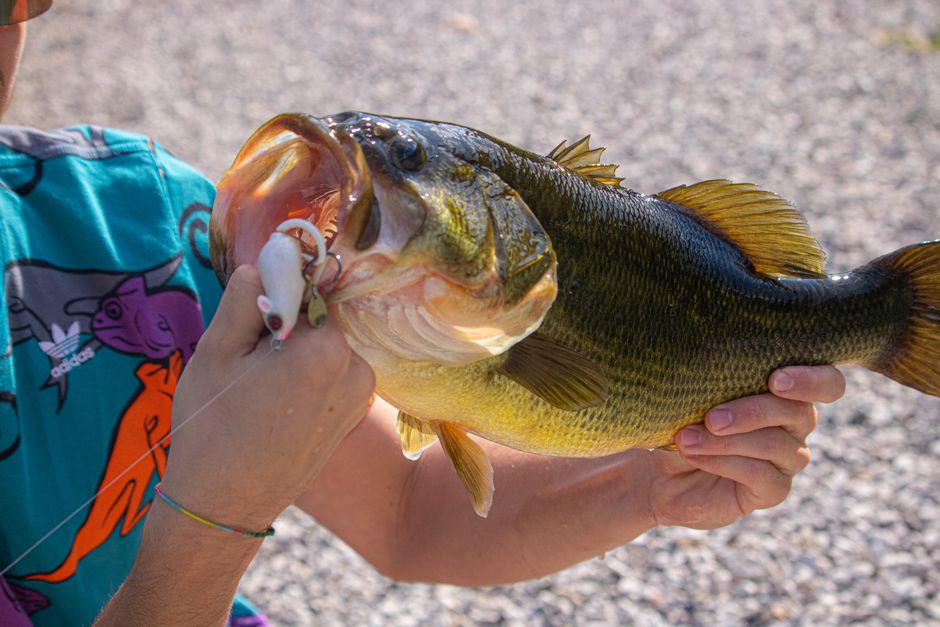
There’s a reason Largemouth Bass are America's favorite freshwater game fish, and why anglers across the globe pursue them with such passion. They’re aggressive, cunning, and put up an incredible fight, making every hook-up an unforgettable battle. From explosive topwater strikes that make your heart leap into your throat to subtle bites on a Texas-rigged worm, the pursuit of the Largemouth offers endless excitement and learning opportunities. Whether you're a seasoned pro or just starting your angling journey, the thrill of a big bass on the line is an experience that transcends language and borders. While primarily a North American icon, these formidable fish have found homes in waters across Europe, Asia, Africa, and South America, offering diverse angling adventures. But for today, we’ll focus on the incredible opportunities right here in the United States, where their presence is legendary and widespread throughout lakes, ponds, and rivers in nearly every state.
When to Go (Best Seasons and Times)
Understanding the seasonal patterns and daily habits of Largemouth Bass is key to consistent success. These fish are highly influenced by water temperature, light conditions, and spawning cycles.
- Spring (Pre-Spawn & Spawn): This is arguably the most exciting time to target big bass. As water temperatures rise into the 50s and 60s Fahrenheit (10-20°C), bass move from deeper wintering grounds to shallower areas to feed heavily before spawning. They become aggressive and are often found around submerged cover. The spawn itself occurs when water temperatures hit the mid-60s (around 18-20°C), typically late spring. During this time, male bass guard nests, and both sexes can be very territorial and protective, making them susceptible to sight fishing or presentations near their beds.
- Summer (Post-Spawn & Summer Turnover): After spawning, bass can be lethargic for a short period, but quickly return to feeding. As water temperatures climb into the 70s and 80s (21-29°C), bass often seek deeper, cooler water during the day, relating to thermoclines, submerged structures, and dense cover like hydrilla or lily pads. Early mornings, late evenings, and even night fishing become highly productive as bass move shallower to feed under lower light conditions. Look for shaded areas during the heat of the day.
- Fall (Autumn Feed): As air and water temperatures cool down, bass go on another feeding frenzy, bulking up for winter. This can be an incredible time to catch numbers and big fish. They'll often be found shallower, chasing baitfish schools that are also preparing for winter. Look for schooling bass around points, humps, and creek channels.
- Winter: While challenging, winter bass fishing can yield some of the biggest fish of the year. Bass become less active, moving to deep water structures like ledges, humps, and brush piles. Slower presentations with finesse baits are often required. Water temperatures below 50°F (10°C) generally mean a slower bite, but patience can pay off with a trophy.
Best Times of Day: Generally, low-light conditions are prime for Largemouth Bass. This means dawn and dusk are often the most productive times. Overcast days can extend this feeding window throughout the day. During bright, sunny conditions, bass will retreat to heavy cover or deeper water, making them harder to entice.
Where to Fish (Top Locations)
Largemouth Bass are incredibly adaptable and can be found in a vast array of freshwater environments across the United States. Here are some top regions and types of spots to focus on:
- Florida's "Big Bass" Lakes: Lakes Okeechobee, Kissimmee, and Toho are legendary for their giant Largemouth. These vast, shallow, vegetation-rich systems offer incredible habitat and year-round fishing, with peak seasons in spring.
- Texas Reservoirs: Lake Fork, Sam Rayburn, and Toledo Bend Reservoir consistently produce trophy bass. These large impoundments feature diverse structures like timber, hydrilla, and points, offering excellent opportunities for various techniques.
- California's Southern Lakes: Lakes Castaic, Clear Lake, and Dixon are famous for producing some of the heaviest Largemouth Bass on record, thanks to their deep, clear waters and abundant forage.
- Alabama's Coosa River Chain: Lakes Guntersville, Lay, and Logan Martin are renowned for their consistent action and quality fish, especially around aquatic vegetation and riverine structures.
- New York's Finger Lakes and St. Lawrence River: While known for smallmouth, these waters also hold excellent populations of Largemouth, particularly in the shallower, weedier bays and protected coves.
- Local Ponds and Small Lakes: Don't overlook the local farm pond, city park lake, or small community reservoir. Many of these smaller bodies of water are overlooked and can hold surprisingly large, unpressured bass, making them perfect for beginners.
International Opportunities: While we're focusing on the US, it's worth noting that incredible Largemouth Bass fishing can be found in places like Lake El Salto and Lake Picachos in Mexico, known for their massive trophy bass. Japan also boasts a passionate bass fishing culture with excellent fisheries.
How to Fish (Proven Techniques)
Largemouth Bass fishing offers a diverse array of techniques, making it exciting for anglers of all skill levels.
For Beginners (Step-by-Step):
- Start with Simple Baits: Begin with easy-to-use lures like a Texas-rigged soft plastic worm or a spinnerbait. These are versatile and effective.
- Texas Rig: Thread a worm hook through the nose of a soft plastic worm, then rotate it and embed the hook point back into the body of the worm, making it weedless. Cast it near cover (logs, weeds) and let it sink. Slowly drag or hop it along the bottom.
- Spinnerbait: Cast it out and retrieve it steadily. The blades will flash and vibrate, attracting bass. Vary your retrieve speed.
- Focus on Cover: Bass are ambush predators and love cover. Cast your lure to the edges of lily pads, submerged logs, docks, or weed lines.
- Vary Your Retrieve: Don't just reel in at a constant speed. Experiment with pauses, jerks, and changes in speed. Bass often strike when a lure changes its action.
- Set the Hook Firmly: When you feel a bite, drop your rod tip slightly, reel down to take up slack, and then sweep the rod upwards and to the side with force to drive the hook home.
- Practice Casting: Accuracy is crucial. Practice casting to specific targets to improve your ability to place lures precisely where bass are hiding.
Advanced Tips:
- "Match the Hatch": Pay attention to the local forage (baitfish, crawfish, frogs). Use lures that mimic their size, shape, and color. If bass are feeding on shad, use a shad-pattern crankbait.
- Understand Seasonal Patterns & Locations: As discussed above, bass move and behave differently throughout the year. Knowing where they are likely to be (e.g., shallow in spring, deep in summer) will drastically increase your success. Learn to read water – identify subtle changes in depth, cover, and current that hold fish.
- Finesse Fishing: When the bite is tough, or in clear, heavily pressured waters, downsize your baits and line. Techniques like drop-shotting, Ned rigs, and wacky-rigged worms can entice wary bass that ignore more aggressive presentations. Slow, subtle movements are key.
Who to Go With (Guides, Groups, or Solo)
The choice of whether to fish with a guide, a group, or solo largely depends on your experience level, budget, and desired learning curve.
- Solo: For the independent angler, especially after gaining some initial experience, solo fishing offers unmatched peace and the freedom to explore at your own pace. It's often the most budget-friendly option once you have your gear. Largemouth Bass are widely accessible, making DIY a very viable and rewarding path.
- With a Group/Friend: Fishing with a friend or a small group can be a fantastic learning experience, allowing you to share knowledge, observe different techniques, and split costs. It adds a social element to the adventure.
- Hiring a Guide: For beginners, or anyone wanting to quickly learn a new body of water or specific techniques, hiring a professional Largemouth Bass guide is invaluable. A good guide provides all the necessary gear, knows the local patterns, and can teach you nuances that would take years to learn on your own. Expect to pay anywhere from $400 - $800+ for a full-day guided trip in the US, depending on the location and experience of the guide. This cost can be split if you go with a friend. For international destinations like Mexico, reputable outfitters offer all-inclusive packages that can range from $1,500 - $3,000+ for several days of guided fishing, including accommodation and meals.
Essential Gear Recommendations
Having the right tools makes all the difference. Here’s a breakdown of must-have gear and budget-friendly alternatives for Largemouth Bass fishing.
-
Rod & Reel Combo:
- Must-Have: A medium-heavy power, fast-action baitcasting combo (6'6" to 7'6" length) for versatility with heavier lures and fighting big bass. Paired with a baitcasting reel (7.1:1 or 8.1:1 gear ratio).
- Shimano SLX XT Baitcasting Combo → Shop on Amazon
- Budget-Friendly: A medium-heavy spinning combo (6'6" to 7'0" length) with a 2500-3000 size spinning reel. Spinning gear is generally easier for beginners to master.
- Ugly Stik GX2 Spinning Combo → Shop on Amazon
- Must-Have: A medium-heavy power, fast-action baitcasting combo (6'6" to 7'6" length) for versatility with heavier lures and fighting big bass. Paired with a baitcasting reel (7.1:1 or 8.1:1 gear ratio).
-
Fishing Line:
- Must-Have: 15-20 lb fluorocarbon for sensitivity and invisibility, or 30-50 lb braided line with a fluorocarbon leader for strength and casting distance in heavy cover.
- Seaguar InvizX Fluorocarbon Line → Shop on Amazon
- PowerPro Braided Spectra Line → Shop on Amazon
- Budget-Friendly: 10-17 lb monofilament line. It’s affordable, easy to tie, and has good knot strength.
- Stren Original Monofilament Line → Shop on Amazon
- Must-Have: 15-20 lb fluorocarbon for sensitivity and invisibility, or 30-50 lb braided line with a fluorocarbon leader for strength and casting distance in heavy cover.
-
Lures (Start with a few versatile options):
- Must-Have:
- Soft Plastic Worms (e.g., Senko, Zoom Worms) in green pumpkin, black/blue.
- Jigs (e.g., football jig, swim jig) in crawfish patterns.
- Crankbaits (medium diving, lipless) in shad or crawfish colors.
- Spinnerbaits (1/2 oz) in white, chartreuse.
- Topwater Lures (e.g., poppers, walking baits) for explosive surface strikes.
- Yamamoto Senko Worms → Shop on Amazon
- Strike King KVD Square Bill Crankbait → Shop on Amazon
- Booyah Pond Magic Spinnerbait → Shop on Amazon
- Budget-Friendly: A few packs of soft plastic worms, a couple of spinnerbaits, and a basic crankbait.
- Must-Have:
-
Terminal Tackle:
- Must-Have: Assorted worm hooks (e.g., EWG hooks 3/0-5/0), bullet weights (1/8 oz - 1/2 oz), swivels, snap swivels.
- Gamakatsu EWG Worm Hooks → Shop on Amazon
- Water Gremlin Lead Bullet Weights → Shop on Amazon
- Budget-Friendly: A basic assortment of hooks and weights.
- Must-Have: Assorted worm hooks (e.g., EWG hooks 3/0-5/0), bullet weights (1/8 oz - 1/2 oz), swivels, snap swivels.
-
Other Essentials:
- Must-Have: Fishing pliers, line cutters, a quality tackle box or bag, polarized sunglasses, hat, sunscreen, first-aid kit, comfortable fishing apparel.
- Booms Fishing Pliers → Shop on Amazon
- Plano Tackle Box → Shop on Amazon
- Budget-Friendly: Basic pliers, small tackle box, sunglasses, hat.
- Must-Have: Fishing pliers, line cutters, a quality tackle box or bag, polarized sunglasses, hat, sunscreen, first-aid kit, comfortable fishing apparel.
Expected Costs (Full Setup vs. Budget Version)
Getting into Largemouth Bass fishing can be as affordable or as elaborate as you make it. Here's a realistic breakdown in USD:
Full Setup (High-Quality, Versatile): * Rod & Reel Combo: $200 - $400 (e.g., quality baitcasting combo) * Fishing Line: $20 - $40 (fluorocarbon or braid) * Lures (diverse selection): $100 - $200 (20-30 various lures) * Terminal Tackle: $30 - $50 * Tackle Box/Bag: $50 - $100 * Pliers, Clippers, etc.: $30 - $60 * Polarized Sunglasses, Apparel: $50 - $150 * Total Initial Setup: $480 - $1000+
Budget Version (Functional, Beginner-Friendly): * Rod & Reel Combo: $50 - $100 (e.g., spinning combo) * Fishing Line: $10 - $20 (monofilament) * Lures (essential selection): $30 - $50 (5-10 key lures) * Terminal Tackle: $10 - $20 * Tackle Box: $15 - $30 * Pliers, Clippers, etc.: $10 - $20 * Polarized Sunglasses, Hat: $20 - $50 * Total Initial Setup: $145 - $290
Fishing License/Permit Costs: * Annual State Fishing License (Resident): $15 - $50 USD (highly variable by state) * Annual State Fishing License (Non-Resident): $40 - $150+ USD (highly variable by state) * Daily/Short-Term Licenses: $5 - $25 USD * Boat Registration (if applicable): Varies widely by state and vessel type.
Important Note: Always check the current fishing license fees and requirements with the relevant state fish and wildlife agency (e.g., Florida Fish and Wildlife Conservation Commission, Texas Parks and Wildlife Department) before you go fishing. Regulations and fees are subject to change.
Regulations and Conservation
Understanding and adhering to fishing regulations is not just about legality; it's about ensuring healthy fish populations for future generations. Largemouth Bass are generally a robust species, but responsible angling practices are crucial.
Key regulatory considerations for Largemouth Bass in the United States typically include:
- Size Limits: Many states implement minimum or slot limits (e.g., "14-18 inch slot limit, only one over 18 inches"). This means you must release fish smaller than a certain size, or within a specific size range, to protect juvenile or prime breeding fish.
- Bag Limits: There's usually a daily limit on the number of bass you can keep (e.g., "5 bass per day").
- Season Dates: While many states offer year-round Largemouth Bass fishing, some may have specific seasons or restrictions, particularly during spawning periods in certain waters.
- Gear Restrictions: Rules regarding the number of rods you can use, or specific bait restrictions, might apply in certain areas.
Conservation: Largemouth Bass populations are generally healthy across their range due to their adaptability and effective management practices. However, habitat degradation, pollution, and overfishing in specific areas can pose threats. * Catch and Release: Practicing catch and release, especially for larger breeding females, is one of the best ways to contribute to bass conservation. If you do keep fish, only take what you need and adhere strictly to all size and bag limits. * Handle Fish Gently: Minimize the time a fish is out of water. Use proper fish handling techniques, supporting the fish horizontally, especially larger ones, to avoid damaging their jaws or internal organs. * Clean Up: Always pack out everything you pack in, leaving no trace of your visit.
Always check current regulations with the appropriate state fish and wildlife agency before heading out. Regulations can vary significantly by state, county, and even specific body of water. Ignorance of the law is no excuse.
Pro Tips and Common Mistakes to Avoid
Pro Tips:
- Observe Your Surroundings: Pay attention to baitfish activity, bird feeding, or even subtle changes in water color or current. These are clues to where bass might be.
- Stay Mobile: If you're not getting bites, don't be afraid to move. Cover water until you find actively feeding fish. Bass often congregate in specific areas.
- Vary Your Presentation: If a bass isn't striking, try a different retrieve speed, a different lure color, or even a completely different type of bait. Don't be afraid to experiment.
- Use Scent: Applying scent to your soft plastics can often trigger more bites, especially when the fish are wary.
- Sharpen Your Hooks: A dull hook will lead to missed strikes. Check your hook points regularly and sharpen them with a hook file.
- Learn Your Electronics: If you have a fish finder, learn how to use it effectively to locate structure, baitfish, and thermoclines where bass might be holding.
- Fish the Conditions: Adjust your approach based on weather (sunny vs. cloudy), water clarity, and temperature. For example, use natural colors in clear water and brighter colors in stained water.
Common Mistakes to Avoid:
- Using the Wrong Line: Too heavy a line can be visible to fish in clear water; too light a line can break on a big fish or in heavy cover. Match your line to your presentation and conditions.
- Not Setting the Hook Hard Enough: Largemouth Bass have tough, bony mouths. A weak hookset often results in a lost fish.
- Fishing Too Fast or Too Slow: Beginners often reel too fast out of excitement. Sometimes a slow, methodical retrieve is key, while other times a fast, erratic retrieve is needed. Experiment!
- Ignoring Cover: Bass love to hide. If you're casting in open water without any structure, you're likely missing out on where the fish are.
- Lack of Patience: Fishing takes patience. There will be slow times, but persistence and confidence in your technique will eventually pay off.
- Not Checking Regulations: Going out without knowing the local size, bag, and season limits can lead to fines and harm fish populations. Always check!
Conclusion
The pursuit of Largemouth Bass is more than just a hobby; it's an adventure that connects you with nature, challenges your skills, and rewards you with unforgettable moments. From the explosive topwater strike on a calm morning to the intense tug-of-war with a powerful fish, every encounter with a Largemouth Bass is a testament to their incredible fighting spirit. They are accessible, abundant, and endlessly entertaining, making them the perfect species for anglers of all levels to chase.
So, gear up, study your local waters, and get out there! The next big Largemouth Bass is waiting for you to make that perfect cast. And who knows, maybe in our next adventure, we'll dive into the world of chasing those elusive saltwater giants! Tight lines, everyone!
As an Amazon Associate I earn from qualifying purchases at no extra cost to you. Links above are affiliate search links — prices may vary. Generated 2026-06-25