Catch Rainbow Runner Like a Pro: Complete Fishing Guide
Introduction
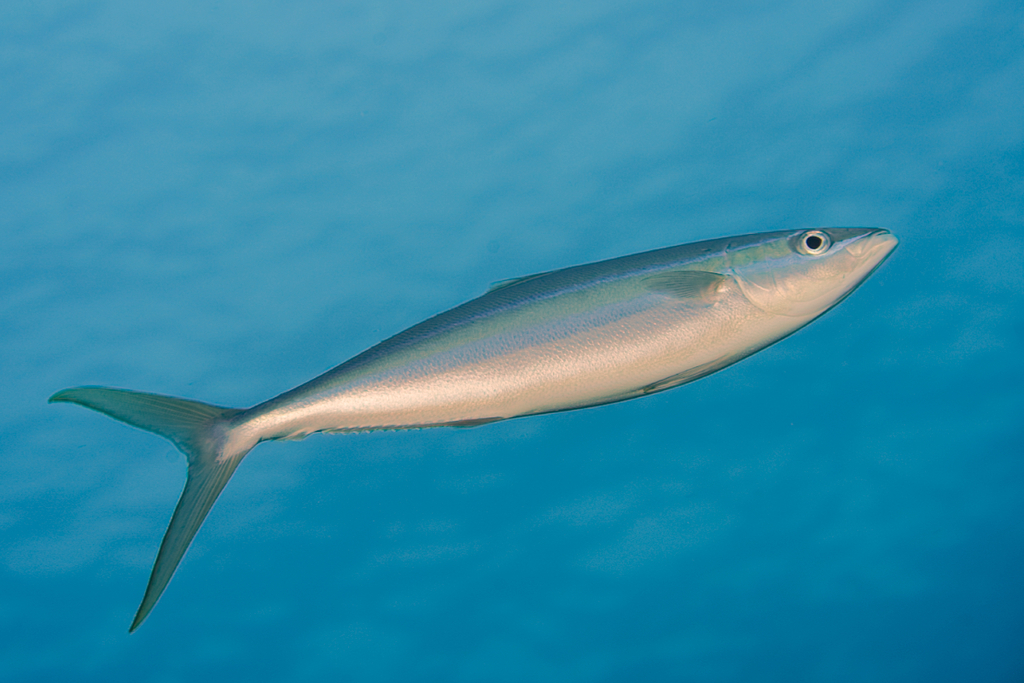
The sun beats down, a shimmering path across the deep blue expanse of the open ocean. Suddenly, the silence is shattered by the scream of a reel as a line goes taut, slicing through the water. A flash of iridescent blue and electric yellow erupts from the surface – a Rainbow Runner, airborne and fighting with every ounce of its torpedo-shaped body! This isn't just a fish; it's a blur of speed and power, a true pelagic acrobat that will test your tackle and ignite your spirit.
Rainbow Runners (Elagatis bipinnulata) are one of the ocean's most beautiful and underrated game fish. Found in tropical and subtropical waters around the globe, from the clear waters of the Caribbean to the vibrant reefs of Australia, these magnificent creatures are known for their incredible fighting ability and striking coloration. Often encountered schooling around offshore structures, FADs (Fish Aggregating Devices), or current lines, they offer exhilarating action for anglers of all skill levels. If you're looking for a hard-fighting, visually stunning fish that provides a fantastic challenge, the Rainbow Runner should be at the top of your hit list. Get ready to experience the thrill of the chase in some of the world's most breathtaking oceanic playgrounds!
When to Go (Best Seasons and Times)
Rainbow Runners are warm-water pelagic species, meaning their activity is highly influenced by water temperature and current. Generally, the best time to target them aligns with the warmer months in their respective regions, often coinciding with baitfish migrations.
- Tropical Regions (e.g., Caribbean, Indo-Pacific): These areas often experience year-round good fishing, but the peak seasons are typically during the drier, warmer months when water temperatures are consistently high and baitfish are abundant. For instance, in the Caribbean, late spring through fall (April-November) often sees increased activity. In places like the Great Barrier Reef in Australia, the warmer months from late spring to autumn (October-May) are prime.
- Subtropical Regions (e.g., offshore Florida, parts of Brazil): While less common targets here, they are typically found during the peak summer and early fall months when warm currents push bait closer to shore or offshore structures.
- Time of Day: Like many pelagic predators, Rainbow Runners are often most active during the low light periods of dawn and dusk. However, if you find a strong current line, FAD, or bait school, they can provide explosive action throughout the day, especially when trolling. Overcast days can also extend their feeding windows.
- Weather Patterns: Look for stable weather conditions with light to moderate seas. Strong winds can make offshore fishing challenging and scatter bait. Pay attention to current breaks, temperature changes, and sargassum weed lines – these are often highways for pelagic species like the Rainbow Runner.
Remember, local knowledge is key. Always check with local fishing reports or guides in your chosen destination for the most up-to-date seasonal and daily patterns.
Where to fish (Top Locations)
Rainbow Runners are widely distributed across the world's tropical and subtropical oceans. While they can be found offshore in various regions, some locations stand out for their consistent action and accessibility.
- The Caribbean (e.g., Dominican Republic, Puerto Rico, Barbados): The deep blue waters surrounding many Caribbean islands are prime Rainbow Runner territory. They often school around FADs, drop-offs, and current lines a few miles offshore. Many island nations offer charter operations catering to offshore anglers.
- Great Barrier Reef, Australia: The outer reefs and continental shelf edges of Queensland, Australia, are fantastic for Rainbow Runners. They are frequently encountered while trolling for larger game fish or specifically targeted around reef structures and FADs. Places like Cairns, Port Douglas, and the Whitsundays are excellent jumping-off points.
- Maldives, Indian Ocean: This island nation is renowned for its vibrant fisheries, and Rainbow Runners are a common catch, especially around the atoll channels, reef edges, and offshore seamounts. Both liveaboards and land-based charters offer access to these incredible waters.
- Central America (e.g., Panama, Costa Rica): The Pacific coasts of these countries boast rich offshore fisheries where Rainbow Runners are often found alongside tuna, dorado, and billfish. Look for them around offshore islands, pinnacles, and current breaks.
- Gulf Stream, Offshore Florida (USA): While not their primary range, Rainbow Runners can be encountered in the warmer waters of the Gulf Stream off Florida's coast, especially around sargassum lines and wrecks, offering a more accessible option for US anglers.
- Hawaii, USA: The Hawaiian Islands provide excellent offshore fishing opportunities, and Rainbow Runners are a common bycatch or targeted species around FADs, deepwater ledges, and open ocean current breaks.
For beginners, booking a reputable charter in any of these regions is highly recommended. Guides know the local waters, bait patterns, and techniques, significantly increasing your chances of success.
How to fish (Proven Techniques)
Catching Rainbow Runner is an exhilarating experience that combines speed, precision, and a bit of brute force. Here’s how to do it:
Step-by-Step for Beginners: Trolling with Artificials
This is often the most effective and straightforward method for beginners.
- Scout for Structure: Look for signs of life – diving birds, baitfish schools, current lines, or floating debris/FADs. Rainbow Runners love to congregate around these features.
- Set Your Spread: Deploy 3-5 trolling lures at varying distances behind the boat. Use lures that imitate baitfish common in the area.
- Tip: Vary your lure colors and sizes until you find what they prefer on that particular day.
- Maintain Speed: Troll at a speed of 5-8 knots. The lure should be swimming naturally, not skipping excessively or dragging.
- Watch Your Rods: Rainbow Runner strikes are often sudden and violent. When a fish hits, keep the boat moving forward for a few seconds to ensure a solid hookset, then slow down or put the boat in neutral.
- Fight the Fish: Rainbow Runners are strong. Keep constant pressure on the fish, pump the rod to gain line, and reel down. Be prepared for strong runs and short, powerful bursts.
- Landing: Once alongside the boat, a gaff or a large, rubberized net can be used for landing. Be mindful of their sharp fins and powerful tail.
Advanced Tips:
- Live Baiting: When you locate a school of Rainbow Runners, dropping a live sardine, pilchard, or herring into the mix can be incredibly effective. Use a small, strong circle hook with a fluorocarbon leader.
- Jigging: If you find them holding deep around a FAD or structure, vertical jigging with metal jigs (e.g., flutter jigs, speed jigs) can entice strikes. Drop the jig to the desired depth and work it with a series of aggressive rips and pauses.
- Casting to Schools: When Rainbow Runners are busting bait on the surface, casting small stickbaits, poppers, or metal spoons into the frenzy can lead to explosive topwater strikes. Retrieve quickly to mimic fleeing baitfish.
Who to Go With (Guides, Groups, or Solo)
The decision to go with a guide, a group, or solo largely depends on your experience level, budget, and the specific location you're targeting.
- Guided Charters (Highly Recommended for International Trips & Beginners):
- Pros: Guides provide all the necessary gear, have extensive local knowledge of hot spots and techniques, and ensure safety. They can teach you the ropes and maximize your chances of success. For international destinations, a reputable guide or outfitter is invaluable for navigating local waters and regulations.
- Cons: Can be the most expensive option.
- Cost Context: A full-day offshore charter can range from USD $800 - $2,000+ depending on the location, boat size, and duration. Split among a group, this becomes much more affordable per person. Look for outfitters specializing in pelagic species in regions like the Caribbean, Australia, or Central America.
- Group Trips (Shared Charters):
- Pros: A more budget-friendly way to experience a guided trip. You share the cost with other anglers. Great for meeting new fishing buddies.
- Cons: Less personalized attention, and you might have to compromise on target species or spots.
- Cost Context: Often USD $150 - $400 per person for a shared full-day trip.
- Solo/DIY (Experienced Anglers with Own Boat/Kayak):
- Pros: Ultimate freedom, cost-effective if you own the gear and vessel, and immense satisfaction from self-sufficiency.
- Cons: Requires extensive knowledge of offshore safety, navigation, and fishing techniques. Significant upfront investment in boat and gear. Not recommended for beginners, especially in unfamiliar international waters.
- Cost Context: Fuel, bait, and tackle are your primary ongoing costs, in addition to boat maintenance and initial purchase.
For your first Rainbow Runner adventure, especially in a new country, investing in a reputable guided charter is the smartest way to learn and ensure a memorable experience.
Essential Gear Recommendations
Having the right gear is crucial for tackling the powerful Rainbow Runner. Here’s a breakdown of must-haves and budget-friendly alternatives.
- Rods:
- Must-Have: Medium-heavy to heavy conventional or spinning rod (6'6" - 7'6") with a fast action. Look for rods rated for 20-50 lb line.
- Shimano Trevala Jigging Rod → Shop on Amazon
- Penn Carnage III Jigging Rod → Shop on Amazon
- Budget-Friendly: Any sturdy 6'6" - 7' offshore spinning or conventional rod rated for 20-40 lb line.
- Ugly Stik Bigwater Spinning Rod → Shop on Amazon
- Must-Have: Medium-heavy to heavy conventional or spinning rod (6'6" - 7'6") with a fast action. Look for rods rated for 20-50 lb line.
- Reels:
- Must-Have: High-quality spinning reel (6000-10000 series) or conventional reel (15-30 size) with a smooth drag system and good line capacity (at least 250-300 yards of braid).
- Shimano Saragosa SW A Spinning Reel → Shop on Amazon
- Penn Spinfisher VI Spinning Reel → Shop on Amazon
- Daiwa Saltiga Lever Drag Conventional Reel → Shop on Amazon
- Budget-Friendly: Durable spinning reel (6000-8000 series) or conventional reel (15-20 size) from a reputable brand.
- Okuma Avenger ABF B Series Baitfeeder Spinning Reel → Shop on Amazon
- Must-Have: High-quality spinning reel (6000-10000 series) or conventional reel (15-30 size) with a smooth drag system and good line capacity (at least 250-300 yards of braid).
- Line:
- Must-Have: 30-50 lb braided mainline for strength and sensitivity.
- PowerPro Super 8 Slick V2 Braided Line → Shop on Amazon
- Budget-Friendly: Any reputable 30-50 lb braided line.
- KastKing SuperPower Braided Fishing Line → Shop on Amazon
- Must-Have: 30-50 lb braided mainline for strength and sensitivity.
- Leader Material:
- Must-Have: 40-80 lb fluorocarbon leader for abrasion resistance and invisibility.
- Seaguar Blue Label Fluorocarbon Leader → Shop on Amazon
- Must-Have: 40-80 lb fluorocarbon leader for abrasion resistance and invisibility.
- Hooks:
- Must-Have: Strong, sharp 4/0 - 7/0 circle hooks for live bait, or J-hooks for dead bait/lures.
- Owner Mutu Light Circle Hooks → Shop on Amazon
- Gamakatsu Octopus Hooks → Shop on Amazon
- Must-Have: Strong, sharp 4/0 - 7/0 circle hooks for live bait, or J-hooks for dead bait/lures.
- Lures:
- Must-Have:
- Trolling Lures: Small to medium diving plugs (5-7 inches), skirted lures, or cedar plugs. Bright, reflective, or natural baitfish colors (blue/silver, green/yellow, pink/white).
- Rapala X-Rap Magnum Lure → Shop on Amazon
- Williamson Live Ballyhoo Combo → Shop on Amazon
- Jigs: 2-6 oz metal jigs (vertical, flutter, or speed jigs).
- Shimano Butterfly Flat-Fall Jig → Shop on Amazon
- Casting Lures: Small stickbaits, poppers, or heavy metal spoons (2-4 oz).
- Yo-Zuri Sashimi Slider → Shop on Amazon
- Trolling Lures: Small to medium diving plugs (5-7 inches), skirted lures, or cedar plugs. Bright, reflective, or natural baitfish colors (blue/silver, green/yellow, pink/white).
- Budget-Friendly: Generic brand trolling plugs, spoons, and jigs.
- Must-Have:
- Terminal Tackle:
- Heavy-duty barrel swivels (100+ lb test)
- Split rings
- Pliers/braid cutters
- Gaff or large landing net
- Gloves (for handling fish and line)
- Safety & Comfort:
- Sunscreen, hat, polarized sunglasses
- Rain gear
- First aid kit
- VHF radio (if on private boat)
- PFD (Personal Flotation Device)
Expected Costs (Full Setup vs. Budget Version)
Understanding the potential costs involved will help you plan your Rainbow Runner adventure. Prices are estimates and can vary significantly by region and brand.
Fishing License/Permit: * International: Regulations vary widely. Most countries require a fishing license or permit, often included in charter fees. If fishing independently, check with the relevant national fisheries authority (e.g., Australian Department of Agriculture, Water and the Environment; various Caribbean national fisheries departments) for specific requirements and fees. * Estimated Cost: USD $20 - $100 per year or trip for non-residents, if not included in a charter. Always advise readers to check current fees with the appropriate authority.
Full Setup (High-Quality Gear & Guided Trip): * Rod & Reel Combo (2 sets): USD $800 - $2,000 * Line & Leader: USD $100 - $200 * Lures & Terminal Tackle: USD $200 - $500 * Safety & Comfort Gear: USD $100 - $300 * Full-Day Guided Charter: USD $800 - $2,000+ (per boat, can be split) * Total Estimated Cost (for a single angler on a shared charter, owning high-end gear): USD $2,000 - $5,000+ (excluding flights/accommodation)
Budget Version (Entry-Level Gear & Shared Charter): * Rod & Reel Combo (1 set): USD $200 - $400 * Line & Leader: USD $50 - $100 * Lures & Terminal Tackle: USD $50 - $150 * Safety & Comfort Gear: USD $50 - $100 * Shared Full-Day Charter: USD $150 - $400 (per person) * Total Estimated Cost (for a single angler on a shared charter, owning budget gear): USD $500 - $1,000 (excluding flights/accommodation)
Remember, if you book a charter, much of the gear will be provided, significantly reducing your personal equipment costs. Always check with your chosen charter about what's included.
Regulations and Conservation
Rainbow Runners are a widely distributed pelagic species, and while generally considered abundant, responsible fishing practices are crucial for their long-term sustainability.
- International Regulations: Because Rainbow Runners are found in the waters of many different nations, there is no single overarching international regulatory body for their harvest. Each country, and sometimes specific regions within a country, will have its own set of rules.
- Always Check Local Authorities: Before planning your trip, it is imperative to consult the relevant national or regional fisheries authority for your chosen destination. For example:
- Australia: Check with the Department of Agriculture, Water and the Environment or Queensland Fisheries for regulations within Australian waters.
- Caribbean Nations: Each island nation (e.g., Dominican Republic, Barbados, St. Lucia) will have its own Ministry of Fisheries or similar department.
- Central America: Consult the national fisheries agencies of countries like Panama or Costa Rica.
- United States (offshore waters): For US federal waters (e.g., off Florida or Hawaii), regulations would fall under the National Oceanic and Atmospheric Administration (NOAA) Fisheries and relevant regional fishery management councils.
- Always Check Local Authorities: Before planning your trip, it is imperative to consult the relevant national or regional fisheries authority for your chosen destination. For example:
- Key Regulatory Considerations You Might Encounter:
- Bag Limits: The number of fish an angler can keep per day.
- Size Limits: Minimum or sometimes maximum lengths for kept fish.
- Seasonal Closures: While less common for Rainbow Runners, some species have specific closure periods.
- Gear Restrictions: Limitations on hook types, bait, or methods.
- Conservation Status: Rainbow Runner is currently classified as "Least Concern" by the IUCN Red List, indicating a stable and widespread population. However, local populations can be impacted by overfishing or habitat degradation.
- Best Practices for Conservation:
- Catch and Release: If you don't intend to eat your catch, practice proper catch and release techniques to ensure the fish's survival. Use circle hooks to minimize gut hooking, handle the fish minimally, and release it quickly.
- Respect Limits: Always adhere to bag and size limits, even if you feel there are plenty of fish.
- Support Sustainable Fisheries: Choose reputable charter operators who follow local regulations and practice sustainable fishing.
Never fabricate specific regulation details — always advise readers to check current regulations with the appropriate authority before going out.
Pro Tips and Common Mistakes to Avoid
Pro Tips:
- Chumming is Your Friend: If you find a school of Rainbow Runners that are a bit shy, a light chum slick (chopped baitfish) can bring them right to the boat, turning a tough bite into a frenzy.
- Vary Your Retrieve: When jigging or casting, experiment with different retrieve speeds and cadences. Sometimes they want a fast, erratic retrieve; other times, a slow, methodical jigging motion is key.
- Watch for Diving Birds: Frigatebirds and terns diving into the water are often a dead giveaway for baitfish schools being pushed to the surface by predators, including Rainbow Runners. Head towards the action!
- Heavy Leader is Crucial: While Rainbow Runners aren't typically "tooth critters," they have rough mouths and fight hard, especially around structure. A heavy fluorocarbon leader (60-80 lb) will prevent chafing and lost fish.
- Look for Current Breaks and Weed Lines: These are natural highways and ambush points for pelagic fish. Troll along the edges of sargassum weed lines or where two currents meet.
- Keep Your Drag Set: Rainbow Runners hit hard and run fast. Ensure your drag is set properly before the strike to prevent break-offs or pulled hooks.
Common Mistakes to Avoid:
- Using Undersized Tackle: Trying to fight a powerful Rainbow Runner on light tackle designed for inshore species will often result in broken lines, bent hooks, and lost fish.
- Not Checking Your Knots: A weak knot is the weakest link. Always tie strong, reliable knots (e.g., FG knot for braid to leader, Palomar for terminal tackle).
- Ignoring Baitfish Presence: If you're not seeing any signs of baitfish, you're likely not in a productive area. Move until you find the food source.
- Setting the Hook Too Hard with Circle Hooks: Circle hooks are designed to set themselves in the corner of the fish's mouth. A hard, traditional hookset can pull the hook away. Instead, simply reel down until the line is tight and the rod loads up.
- Getting Spooled: Underestimating their powerful runs can lead to losing all your line. Ensure your reel has adequate line capacity for long runs.
Conclusion
The Rainbow Runner is a truly spectacular game fish that offers an incredible blend of beauty, speed, and fighting prowess. From its iridescent flanks to its blistering runs, every encounter with this pelagic torpedo is an unforgettable adventure. Whether you're trolling the sun-drenched waters of the Caribbean, jigging the depths of the Great Barrier Reef, or casting to a surface frenzy, the thrill of the chase and the satisfaction of landing one of these vibrant fighters is unparalleled.
So, gear up, check those local regulations, and prepare for an offshore experience that will leave you breathless. The open ocean is calling, and your next explosive Rainbow Runner encounter awaits!
Stay tuned for our next post, where we'll dive into the world of deep-sea jigging for amberjack – another hard-fighting species that will test your mettle!
As an Amazon Associate I earn from qualifying purchases at no extra cost to you. Links above are affiliate search links — prices may vary. Generated 2026-06-28