Catch Bluegill Like a Pro: Complete Fishing Guide
Introduction
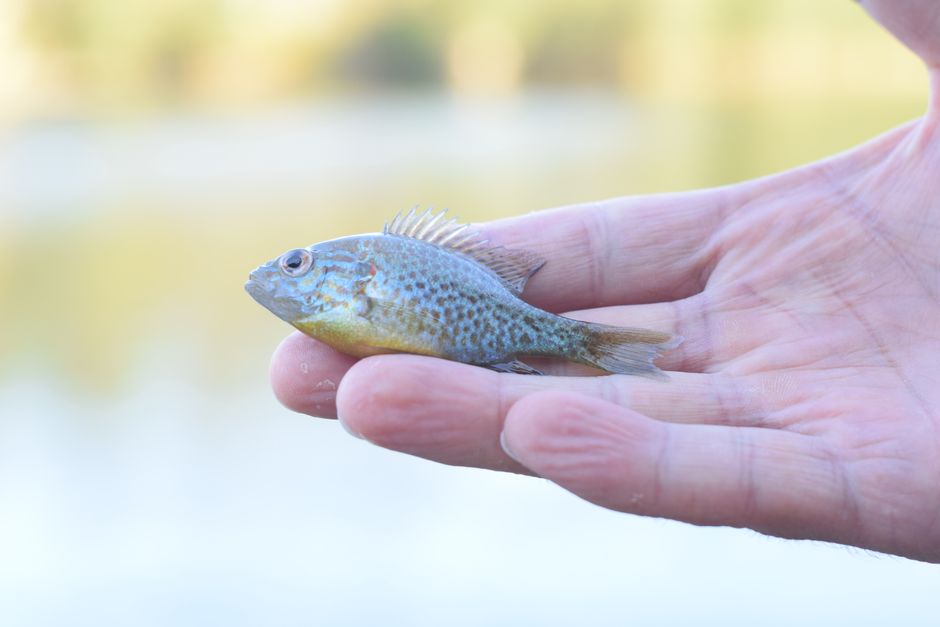
Imagine a warm, golden afternoon. The sun glints off the calm surface of a small pond, reflecting the lush green of lily pads along the shore. You cast a tiny bait, the plop barely disturbing the water, and watch your bobber with anticipation. Suddenly, it twitches. A delicate dance begins, a subtle shimmy that hints at something curious below. Then, without warning, the bobber vanishes beneath the surface! You feel a sharp, satisfying tug – a feisty, iridescent flash of blue and orange emerges, wiggling with all its might. That, my friends, is the magic of catching a bluegill, and it’s a thrill that hooks anglers of all ages, from seasoned pros to the youngest novice.
As an outdoor writer and guide with two decades of experience spanning continents, I can tell you that while the pursuit of giant marlin or elusive big game certainly has its allure, there's a unique, undeniable joy in the simplicity and abundance of bluegill fishing. These small but mighty sunfish are not only incredibly fun to catch, but they're also widely accessible across North America, making them the perfect species to hone your skills, introduce a youngster to the sport, or simply enjoy a relaxing day on the water. From the first warm days of spring through the lingering warmth of early autumn, bluegill offer consistent action and endless smiles. Let's dive into how you can make every bluegill encounter an unforgettable one.
When to Go (Best Seasons and Times)
Bluegill are warm-water fish, so your best chances for consistent action will be from late spring through early fall.
- Spring (Pre-spawn & Spawn): This is arguably the best time to target bluegill. As water temperatures rise into the 60s Fahrenheit (15-20°C), bluegill become incredibly active, feeding aggressively to prepare for spawning. Once the water hits the mid-60s to low 70s F (18-23°C), they move into shallow, protected areas to build their "beds" – circular depressions in the substrate. During the spawn, they are highly concentrated, aggressive, and relatively easy to catch. Look for these "colonies" of beds in 1-4 feet of water.
- Summer: Bluegill remain active throughout the summer months. While the peak spawning frenzy might taper off, they continue to feed readily. During the hottest parts of the day, they might retreat to slightly deeper water or seek shade under lily pads, docks, or submerged structures. Mornings and evenings, when the sun is less intense, are often the most productive.
- Early Fall: As water temperatures begin to cool but before they drop significantly, bluegill will again feed heavily, bulking up for the colder months. This can offer another excellent window of opportunity, especially on sunny, pleasant days.
Best Times of Day: While bluegill can be caught all day long, especially during the spawn, the most productive times are typically: * Early Morning: From dawn until a few hours after sunrise. * Late Afternoon/Evening: From late afternoon until dusk. * Overcast Days: On cloudy days, bluegill might remain active in shallow water for longer periods.
Weather Patterns: Stable, warm, and sunny weather is generally ideal. Avoid fishing immediately after a cold front or during significant drops in barometric pressure, as this can make bluegill less active. A gentle breeze is often helpful, as it breaks up the water's surface, making your presence less noticeable to the fish.
Where to Fish (Top Locations)
Bluegill are incredibly widespread across North America and are found in almost any freshwater body that isn't too cold or fast-moving. They thrive in calm, vegetated waters. Here are some top locations to find them:
- Local Ponds and Small Lakes: These are bluegill havens! Check public parks, community recreation areas, and state/county-managed ponds. They often have easy bank access and plenty of bluegill.
- Reservoir Coves and Backwaters: Larger reservoirs will have numerous shallow, protected coves, especially those with submerged timber, lily pads, or cattails. These areas provide food and cover for bluegill.
- Slow-Moving Rivers and Creeks: Look for wider, slower sections of rivers, particularly oxbows, back channels, and areas with submerged logs or brush piles. Avoid fast currents.
- Farm Ponds: If you have permission, private farm ponds are often teeming with bluegill, sometimes to the point of overpopulation, which can stunt their growth but provide endless action.
- Marinas and Docks: The shaded areas under docks and boats can hold significant numbers of bluegill, especially during bright, sunny days.
- Brush Piles and Submerged Structure: Any sunken trees, brush piles, or artificial fish attractors provide excellent cover and foraging grounds for bluegill.
Beginner-Friendly Options: For beginners, focus on public ponds and small lakes with clear bank access. Look for areas with lily pads, cattails, or overhanging trees. These visual cues often indicate prime bluegill habitat. Many state fish and wildlife agencies manage "urban fishing programs" or "community fishing lakes" specifically stocked for easy access and family enjoyment.
How to Fish (Proven Techniques)
Bluegill are not picky, making them an excellent target for new anglers. Here’s a step-by-step approach, plus some advanced tips:
For Beginners: The Classic Bobber & Bait Setup
This is the quintessential bluegill rig, simple, effective, and incredibly fun.
- Tie on a Hook: Use a small, light-wire hook (size 8, 10, or 12). A snelled hook (pre-tied with a leader) can simplify this step.
- Add Split Shot: Crimp one or two small split shot weights about 6-12 inches (15-30 cm) above your hook. This helps cast the bait and keeps it sinking.
- Attach a Bobber: Slide a small, sensitive bobber onto your line, setting it about 1-3 feet (30-90 cm) above the hook. Adjust this depth based on how deep you think the fish are.
- Bait Your Hook:
- Live Bait: The most effective is a small piece of nightcrawler or a red worm, cricket, or mealworm. Thread the bait onto the hook so the point is exposed.
- Artificial Bait: Small pieces of Berkley Gulp! Alive! Waxies or similar scented soft plastics can also work.
- Cast It Out: Gently cast your baited rig near lily pads, submerged logs, or other cover.
- Watch the Bobber: Keep your eyes glued to the bobber. Bluegill bites are often subtle at first – a gentle twitch or dip – before the bobber fully submerges.
- Set the Hook: When the bobber goes down, give a gentle, upward flick of the wrist to set the hook. Bluegill have small mouths, so a hard jerk isn't necessary and can pull the hook out.
- Reel 'Em In: Enjoy the fight! Bluegill are surprisingly strong for their size.
Advanced Tips for More Bluegill Action
- Ultralight Spinning with Micro-Jigs:
- Use a 4-6 lb (2-3 kg) ultralight spinning combo with 2-4 lb (1-2 kg) monofilament or fluorocarbon line.
- Tie on a tiny jig head (1/32 to 1/64 oz) with a small soft plastic body (like a tiny grub, tube, or minnow imitation).
- Cast near cover and slowly retrieve with short twitches, letting the jig fall periodically. This technique can be deadly for larger bluegill.
- Fly Fishing:
- A 2-4 weight fly rod with a floating line is perfect.
- Topwater: Cast small foam spiders, poppers, or rubber-legged bugs near cover. Let them sit, then twitch them gently. This is incredibly exciting when bluegill strike the surface.
- Subsurface: Small nymphs, wet flies (like a Prince Nymph or Woolly Bugger), or even tiny unweighted streamers can be fished under an indicator or slowly stripped back.
- Sight Fishing:
- In clear water, especially during the spawn, you can often see bluegill on their beds.
- Approach quietly and cast your bait or lure just beyond the bed, then slowly retrieve it into the bed. Be patient and observant. Polarized sunglasses are essential for this.
Who to Go With (Guides, Groups, or Solo)
For bluegill fishing, the beauty lies in its accessibility and the fact that a dedicated guide is rarely necessary.
- Solo: Bluegill fishing is a fantastic way to enjoy solitude and connect with nature. It’s simple enough that you can easily learn and master it on your own.
- With Friends or Family: This is where bluegill fishing truly shines. It's an ideal activity for groups, especially families with children. The consistent action keeps everyone engaged, and the shared experience of catching fish creates lasting memories. It’s also very budget-friendly for a group outing.
- Guides: While you won't typically find a guide specializing only in bluegill, many multi-species freshwater guides in the US will include bluegill as part of a "panfish" or "family fishing" trip. This can be a great option if you're looking for an all-inclusive experience, don't have your own gear, or want to learn specific local techniques for a variety of species. However, for bluegill specifically, it's an expense that can easily be avoided by a DIY approach.
Essential Gear Recommendations
You don't need to break the bank to catch bluegill. Here’s what you’ll need, with budget-friendly alternatives:
- Rod & Reel Combo:
- Must-Have: An ultralight spinning rod (4.5-6 feet long) paired with a small spinning reel (size 500-1000). This setup maximizes the fight and sensitivity. Ultralight Spinning Combo → Shop on Amazon
- Budget-Friendly: A simple "kid's combo" or a basic beginner spinning combo from a big box store will work perfectly. Even an old cane pole or telescoping rod can be effective.
- Fishing Line:
- Must-Have: 4-6 lb test monofilament line. It's inexpensive, easy to tie, and has enough stretch to prevent hooks from pulling out of a bluegill's soft mouth. Monofilament Fishing Line → Shop on Amazon
- Budget-Friendly: Any basic 4-6 lb mono line will do.
- Hooks:
- Must-Have: Small, light-wire bait holder hooks in sizes 8, 10, or 12. Small Bait Hooks → Shop on Amazon
- Budget-Friendly: A multi-pack of assorted small hooks.
- Bobbers:
- Must-Have: Small, sensitive clip-on or slip bobbers. Pencil-style bobbers offer excellent sensitivity. Assorted Fishing Bobbers → Shop on Amazon
- Budget-Friendly: Red and white round plastic bobbers are classic and effective.
- Weights:
- Must-Have: Small split shot weights (sizes BB, 3/0, 7). Assorted Split Shot Weights → Shop on Amazon
- Budget-Friendly: Any small sinkers you can crimp onto the line.
- Bait:
- Must-Have Live Bait: Live worms (redworms, nightcrawlers cut into pieces), crickets, or mealworms. Live Worms (local bait shop) → Shop on Amazon
- Must-Have Artificial Bait: Small tubs of scented soft plastics (e.g., Berkley Gulp! Alive! Waxies). Berkley Gulp! Alive! Waxies → Shop on Amazon
- Budget-Friendly: Digging for your own worms in the garden!
- Tackle Box:
- Must-Have: A small, organized tackle box to keep hooks, weights, and bobbers tidy. Small Tackle Box → Shop on Amazon
- Budget-Friendly: A repurposed plastic container (like a sandwich box or old mint tin).
- Pliers/Forceps:
- Must-Have: Small needle-nose pliers or fishing forceps for hook removal. Fishing Forceps → Shop on Amazon
- Budget-Friendly: Any small pliers you have around the house.
- Net (Optional but Recommended):
- Must-Have: A small, fine-mesh landing net can help land fish without handling them too much, especially if practicing catch and release. Small Landing Net → Shop on Amazon
Expected Costs (Full Setup vs. Budget Version)
Bluegill fishing is one of the most affordable ways to get into the sport. All costs are approximate in USD.
Fishing License: * A valid fishing license is required in almost all US states for anyone above a certain age (usually 16). * Cost: Annual resident licenses typically range from $15-$40. Non-resident licenses are higher. Always check your specific state's fish and wildlife agency website for current fees and requirements.
Full Setup (Comfortable, Quality Gear): * Rod & Reel Combo: $50 - $100 * Line: $10 * Hooks, Bobbers, Weights (Assorted Packs): $15 - $25 * Tackle Box: $15 - $30 * Live Bait (multiple trips): $20 - $40 * Pliers/Forceps: $15 - $25 * Small Net: $20 - $40 * Annual Fishing License: $25 (average) * Total: $170 - $295
Budget Version (Functional, Minimalist): * Basic Rod & Reel Combo: $20 - $40 * Line: $5 * Hooks, Bobbers, Weights (Small Packs): $10 - $15 * Tackle Box (repurposed): $0 * Live Bait (one trip, or dug yourself): $5 - $10 * Pliers (from home): $0 * Annual Fishing License: $25 (average) * Total: $65 - $90
As you can see, you can get started for under $100, making it an incredibly accessible outdoor pursuit!
Regulations and Conservation
Regulations for bluegill are generally very liberal across their range in the United States, reflecting their abundance and reproductive success.
- Regulatory Authority: In the US, fishing regulations are set by individual state fish and wildlife agencies (e.g., California Department of Fish and Wildlife, Texas Parks and Wildlife Department, Florida Fish and Wildlife Conservation Commission).
- Key Regulations to Check:
- Season: Bluegill are typically open for harvest year-round in most states.
- Daily Bag Limit: While some states have bag limits for sunfish species, they are often generous (e.g., 25-50 fish per day) or non-existent in certain waters, particularly where bluegill populations are dense.
- Size Limits: Size limits are rare for bluegill, but occasionally a specific lake might have a minimum or slot limit to encourage growth of larger fish.
- Conservation Status: Bluegill are not considered an endangered or threatened species. In fact, they are often so prolific that overpopulation can lead to stunted growth. Many fisheries managers encourage anglers to harvest smaller bluegill to thin the population, allowing the remaining fish to grow larger.
- Always Verify: Before heading out, it is paramount that you check the most current fishing regulations for the specific body of water you intend to fish with your state's fish and wildlife agency. Regulations can change annually, and local rules may supersede statewide ones. Ignorance of the law is no excuse!
Pro Tips and Common Mistakes to Avoid
Pro Tips for More Bluegill Success
- Downsize Everything: Bluegill have small mouths and can be finicky. Use the smallest hooks, lightest line, and tiniest baits you can get away with.
- Fish the "Edges": Bluegill love cover. Cast your bait along the edges of lily pads, submerged weed lines, fallen trees, docks, and shaded areas.
- Vary Your Depth: If you're not getting bites, try adjusting your bobber to fish shallower or deeper. Bluegill can suspend at different levels.
- Stealth is Key: Especially in clear, shallow water, approach quietly. Wear natural colors and avoid sudden movements that could spook the fish.
- Keep Hooks Sharp: A sharp hook ensures better hooksets, especially with small-mouthed fish like bluegill. Check your hook point regularly.
- Try Different Baits: If worms aren't working, switch to crickets, mealworms, or tiny artificial jigs. Sometimes a slight change makes all the difference.
- Consider a Net: A small landing net can help you safely land fish, especially if you plan on releasing them, minimizing handling stress.
Common Mistakes to Avoid
- Using Too Large of Bait/Hook: This is the most common beginner mistake. Bluegill simply can't get a large hook or bait into their mouths.
- Fishing Open Water: While you might catch a stray bluegill, the majority will be concentrated near some form of cover or structure.
- Too Heavy Line: Heavy line is less sensitive and more visible to bluegill, leading to fewer bites.
- Not Paying Attention to the Bobber: Bluegill bites can be subtle. If you're distracted, you'll miss those initial twitches that signal a strike.
- Setting the Hook Too Hard: A gentle flick is all that’s needed. Overly aggressive hooksets can pull the hook right out or tear the fish's mouth.
- Ignoring the Spawn: Failing to capitalize on the spring spawn means missing out on some of the easiest and most productive bluegill fishing of the year.
Conclusion
Bluegill fishing isn't just about catching fish; it's about connecting with nature, sharing joy with loved ones, and rediscovering the simple pleasures of the outdoors. These abundant, feisty panfish offer an unparalleled opportunity for anglers of all skill levels to experience consistent action and the thrill of a bending rod. Whether you're introducing a child to the magic of fishing, honing your ultralight skills, or simply seeking a peaceful escape, the humble bluegill delivers every time.
So, grab your gear, check those local regulations, and head to your nearest pond or lake. The dance of the bobber, the tug on the line, and the brilliant flash of a bluegill are waiting. Get out there and make some memories!
Next time, we’ll dive into the exciting world of Catching Largemouth Bass, a species that often shares the same waters as our beloved bluegill!
As an Amazon Associate I earn from qualifying purchases at no extra cost to you. Links above are affiliate search links — prices may vary. Generated 2026-06-24